Cat Dissection Anatomy
 View linked note
 Call Kai
 Learn
Learn Practice Test
 Spaced Repetition
 Match
Match Flashcards
 Knowt Play
1/45

There's no tags or description
Looks like no tags are added yet.
Name | Mastery | Learn | Test | Matching | Spaced | Call with Kai |
|---|
No analytics yet
Send a link to your students to track their progress
46 Terms
Acromiotrapezius
A muscle in the shoulder that stabilizes and moves the scapula.
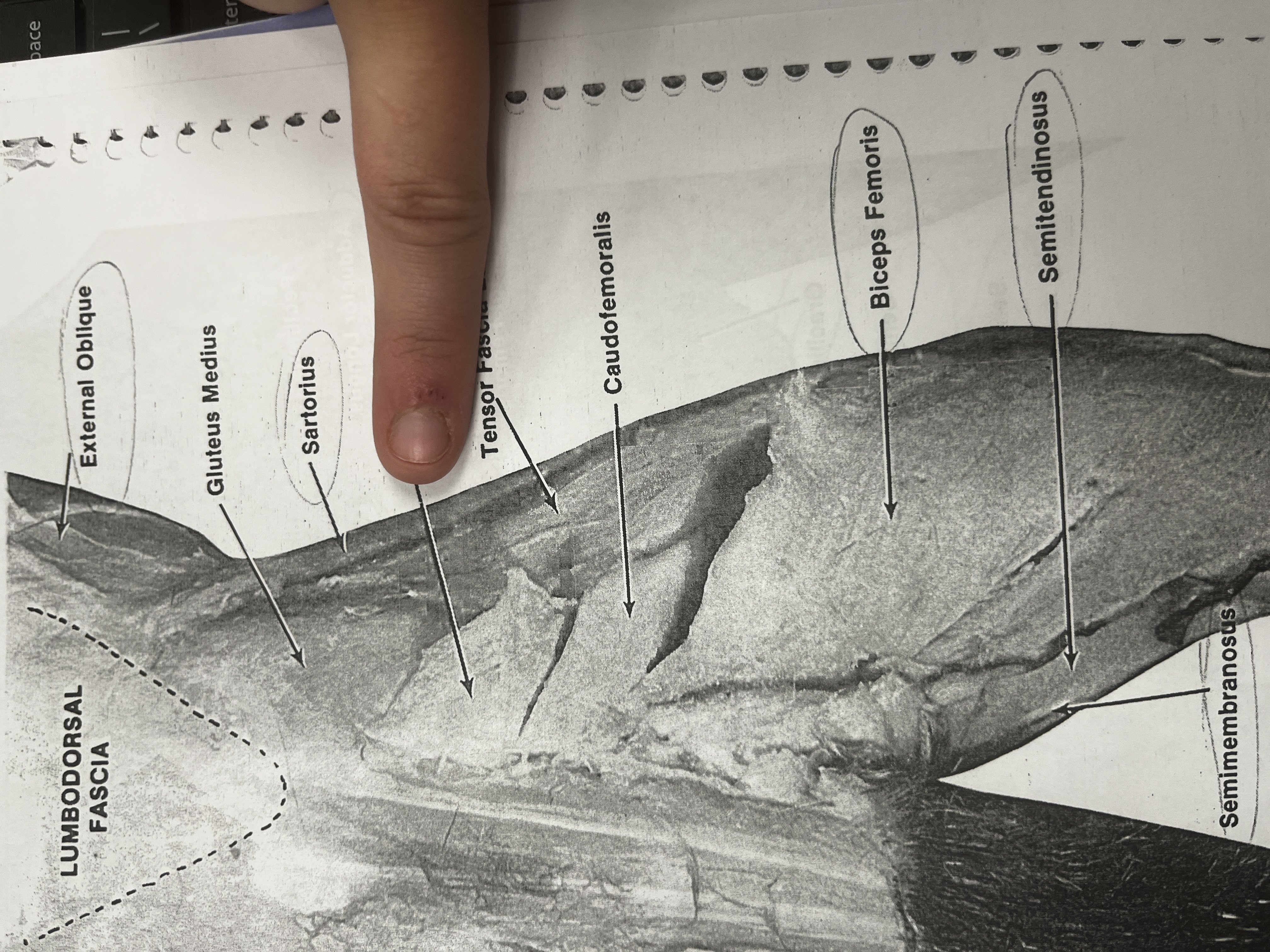
gluteus maximus
The largest muscle in the human body, involved in the movement of the hip and thigh.
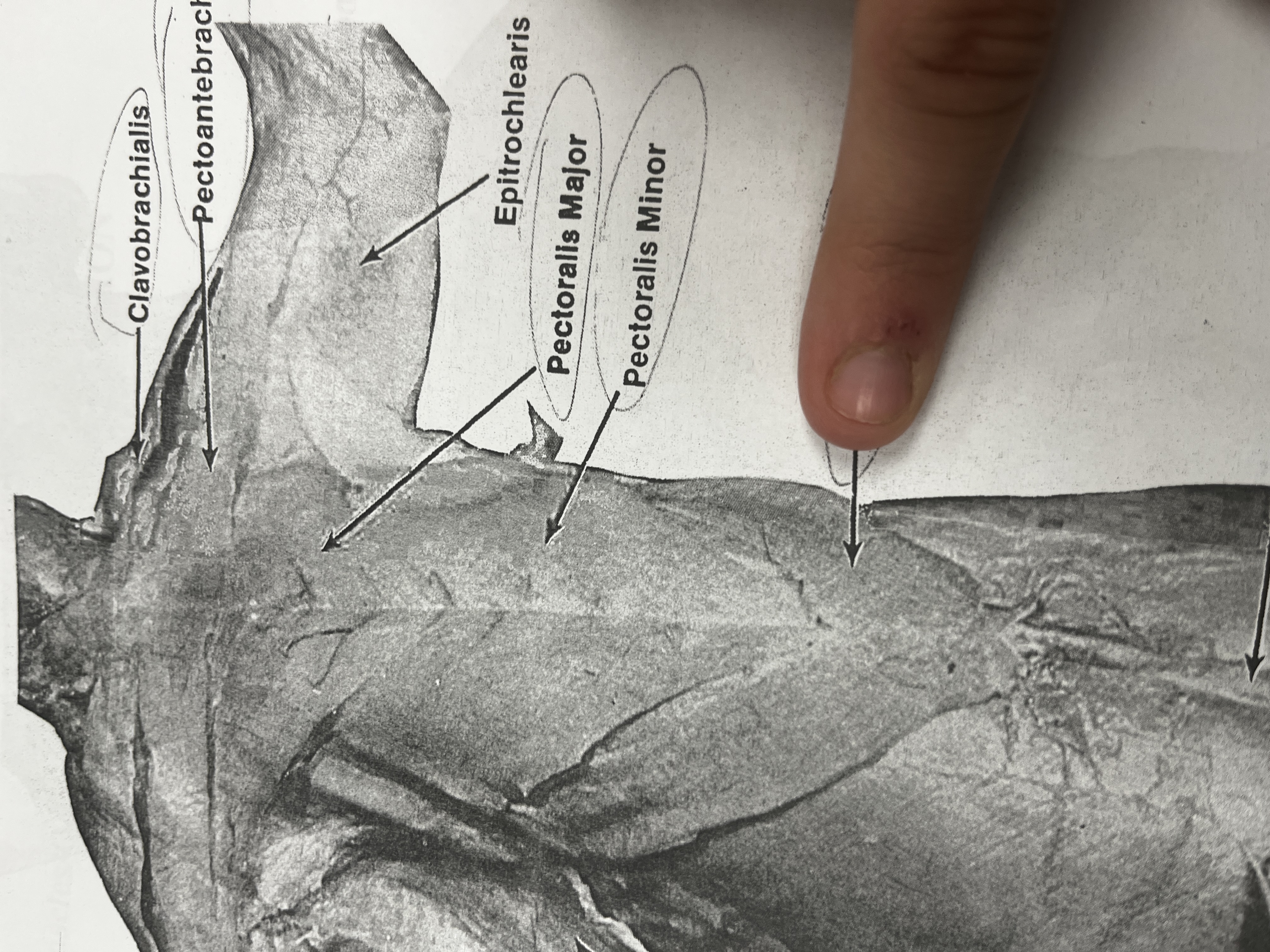
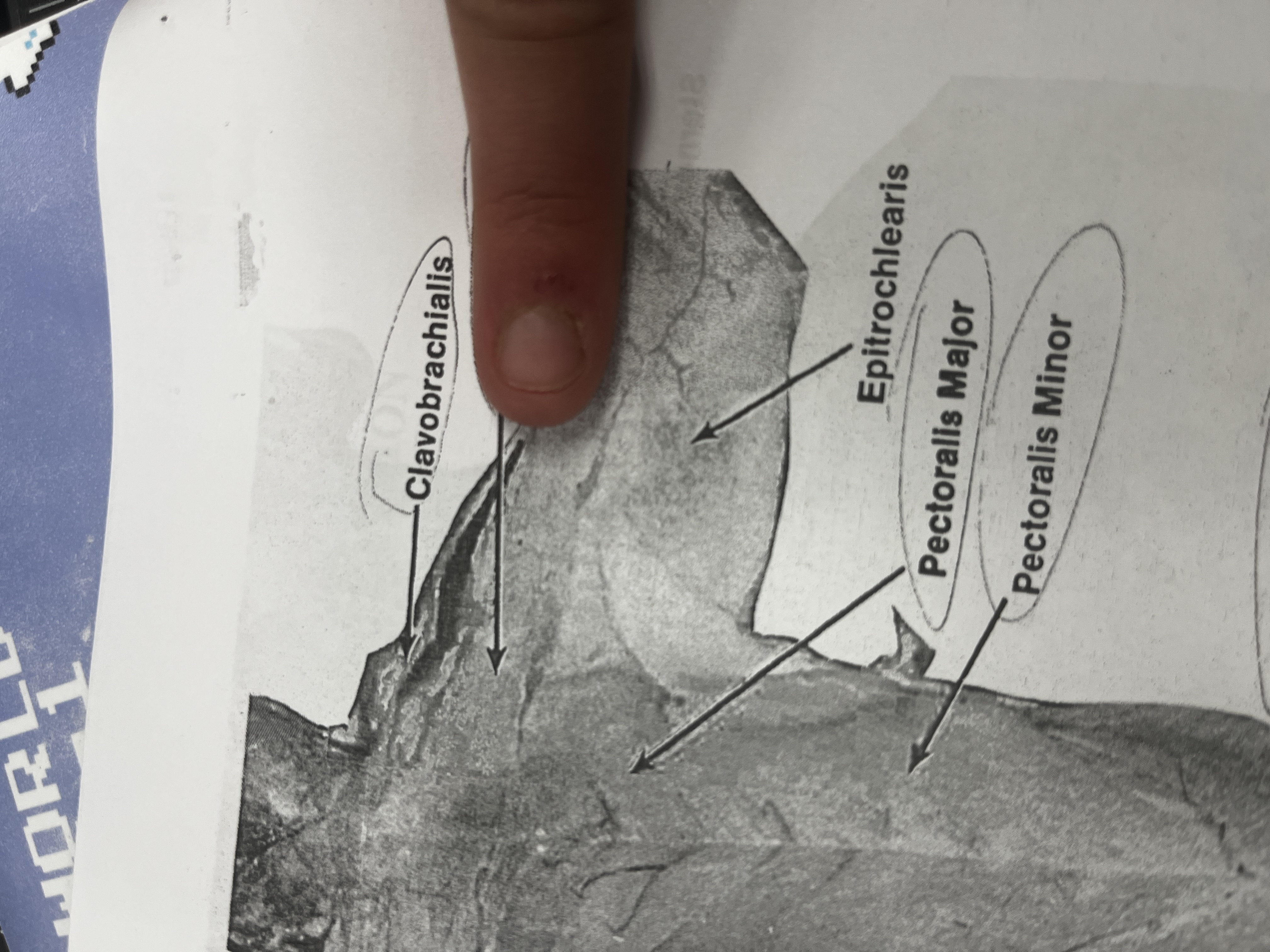
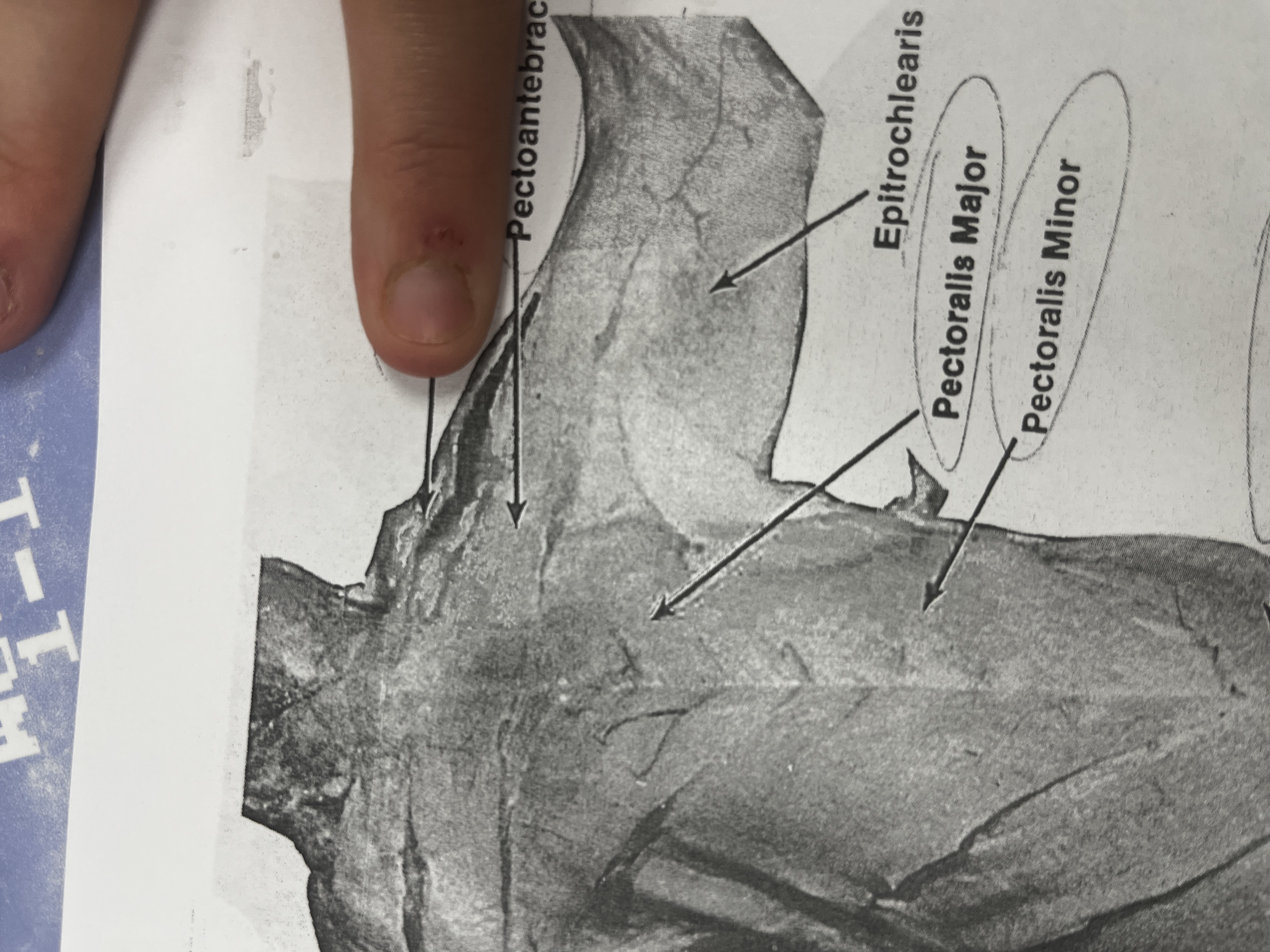
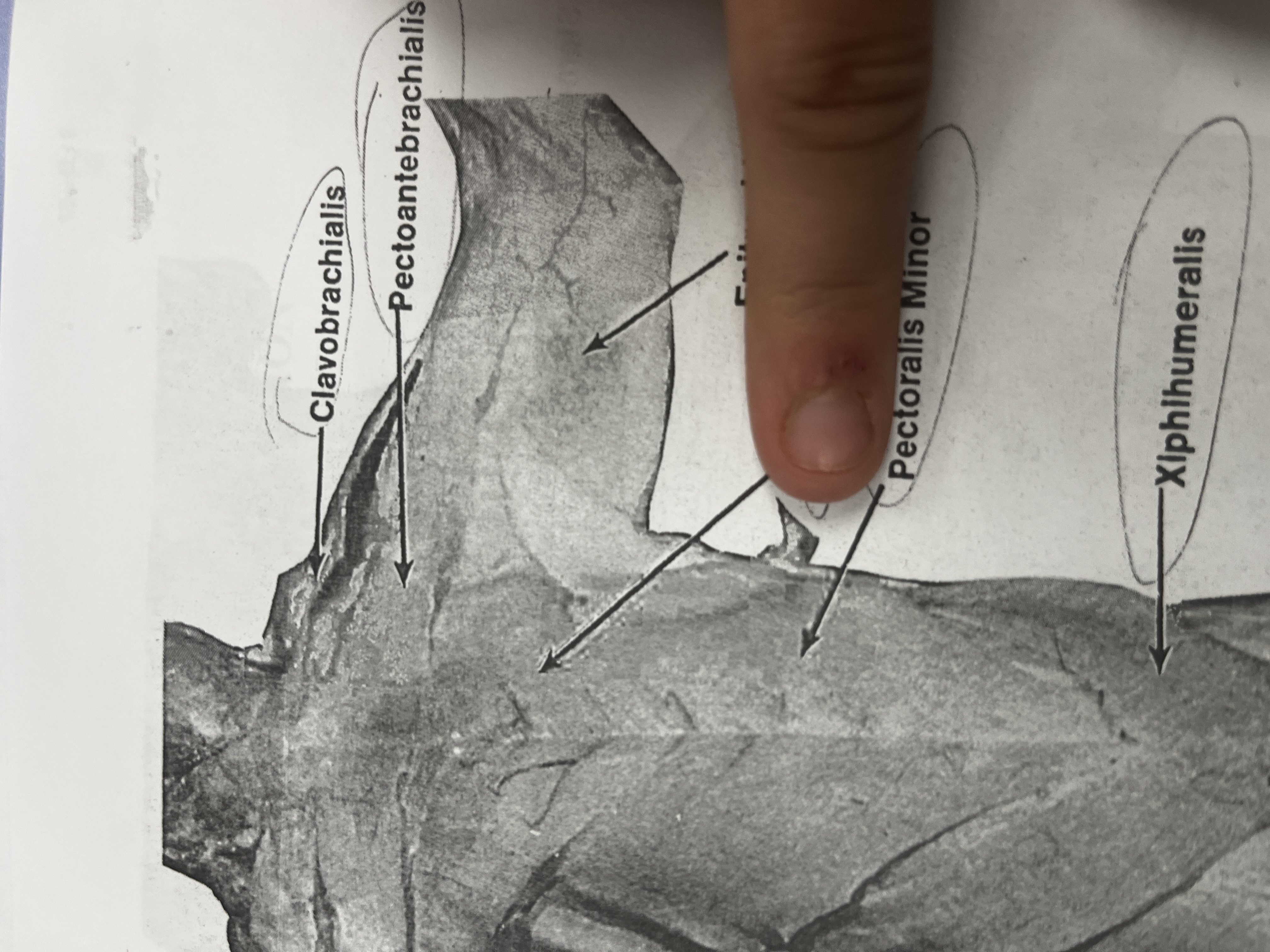
pectoantebrachialis
A thin muscle in the chest that assists in the movement of the forelimb.
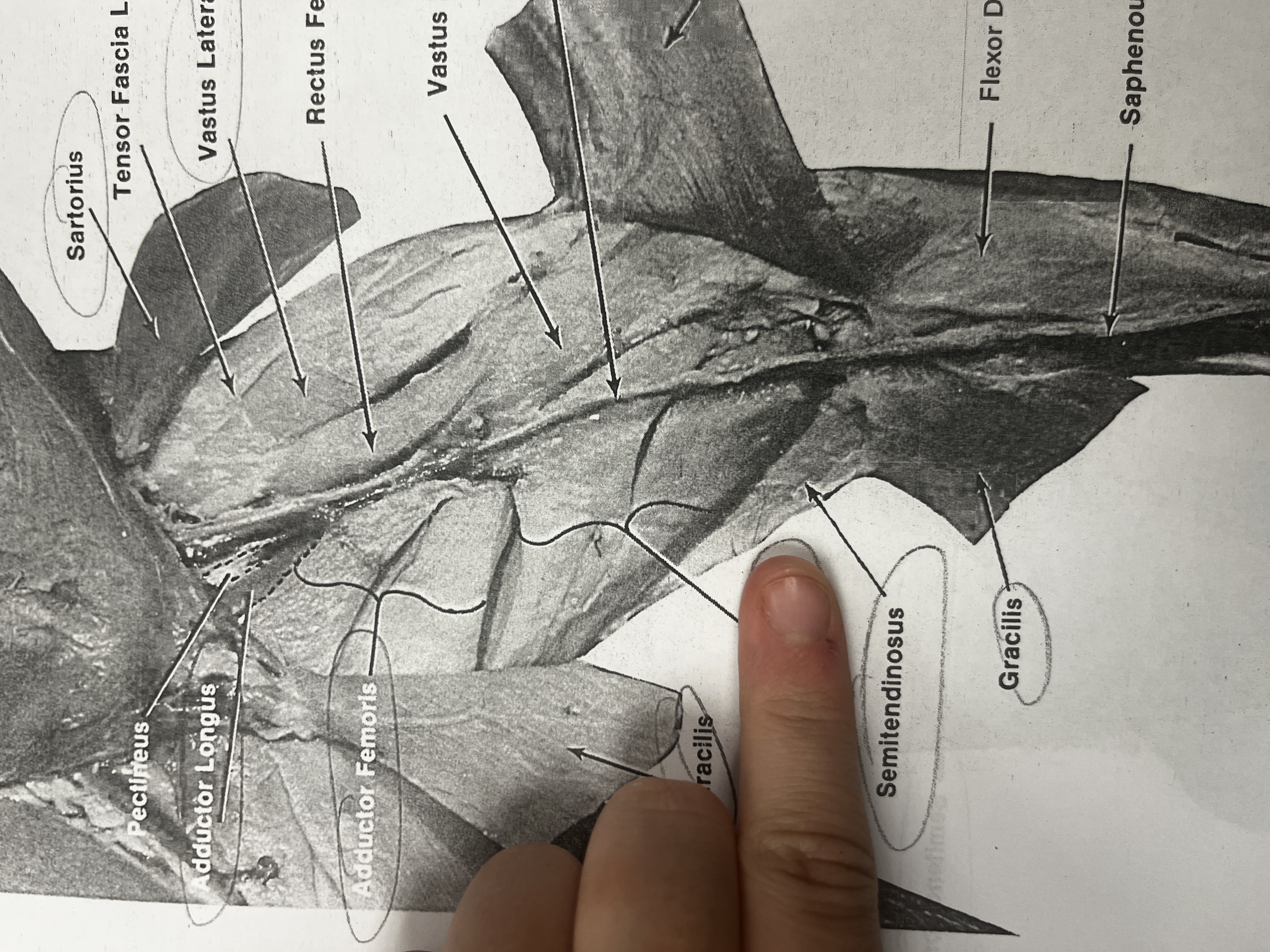
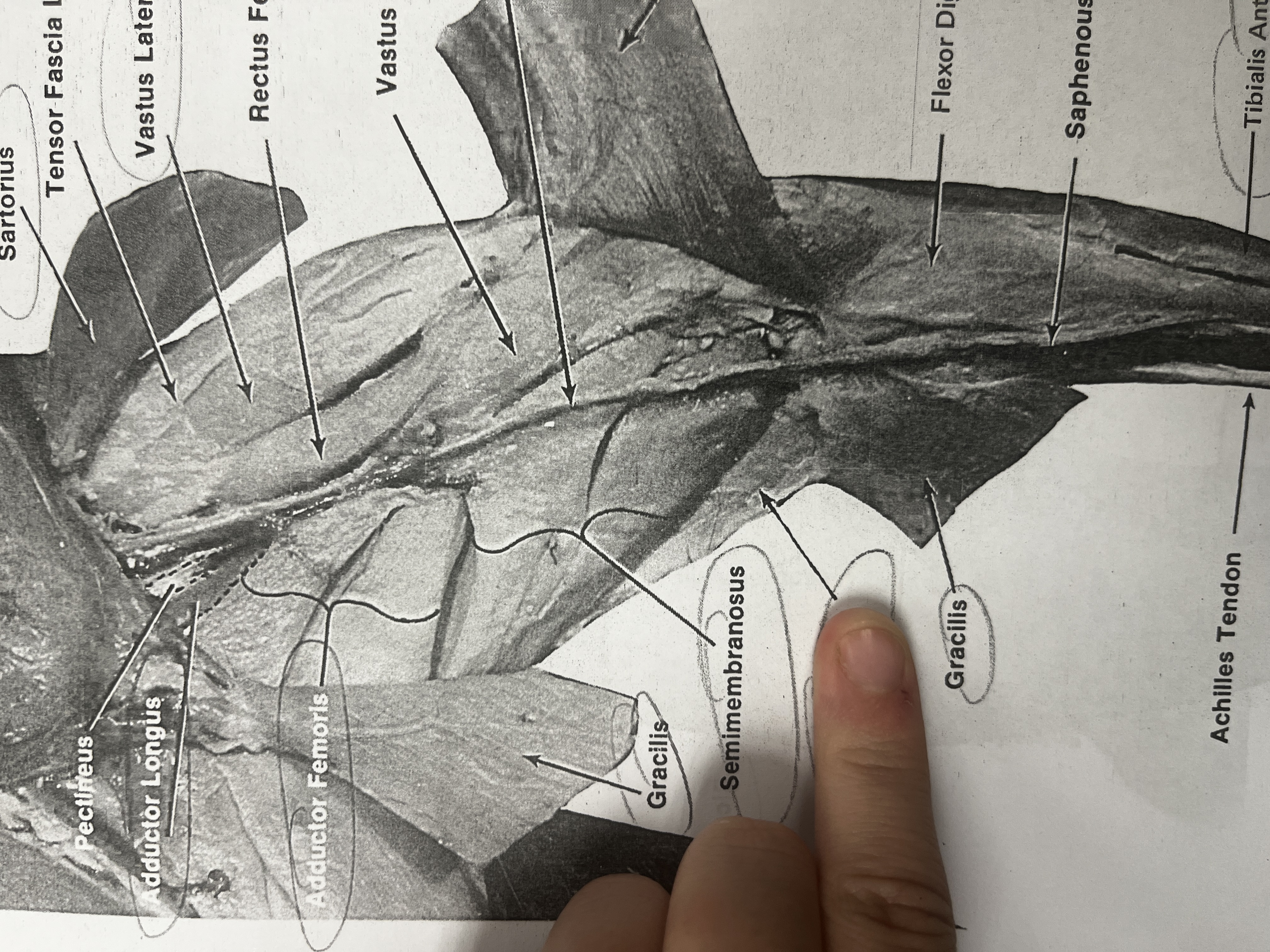
adductor longus
A muscle of the thigh that helps bring the leg toward the midline of the body.
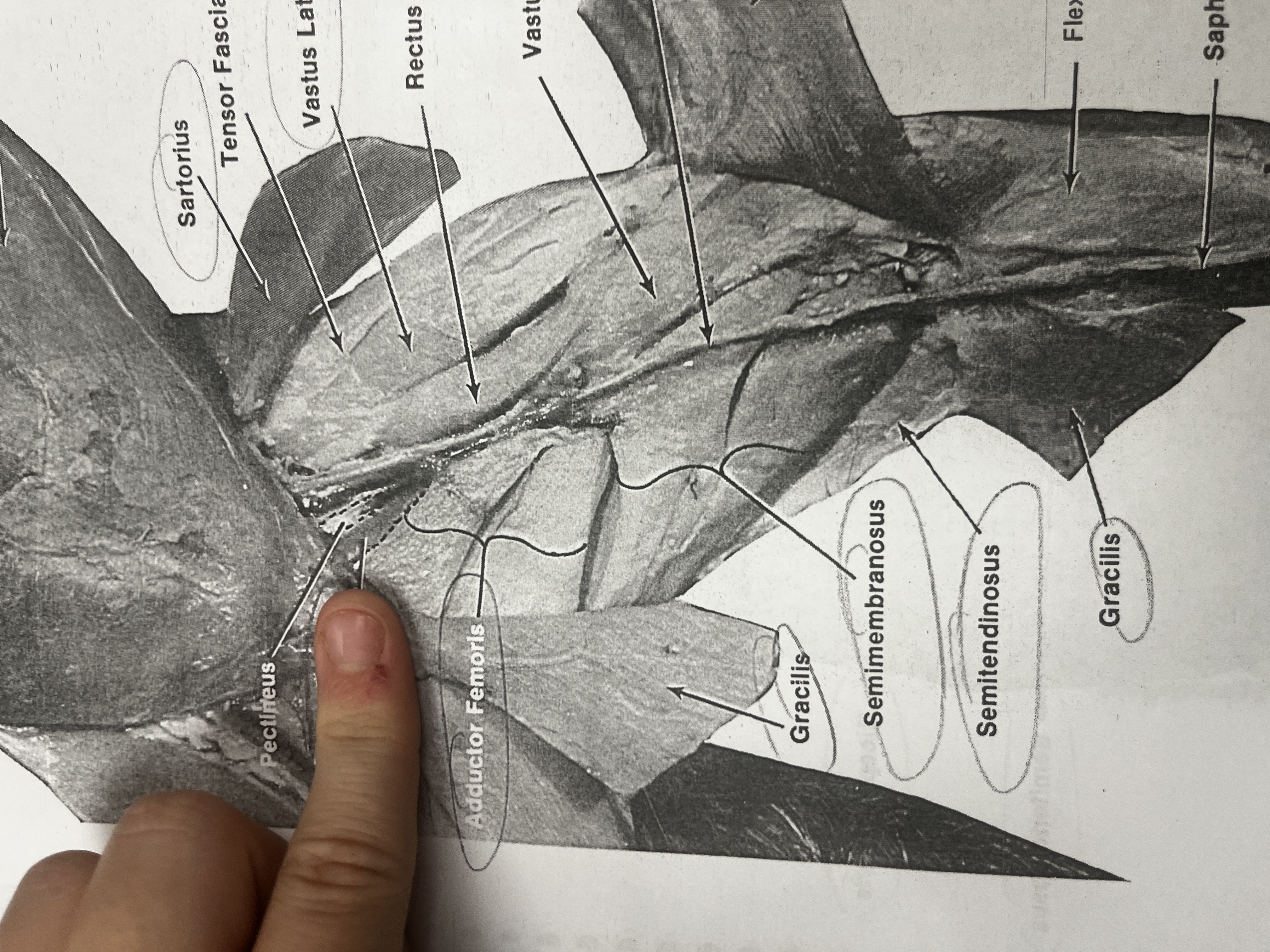
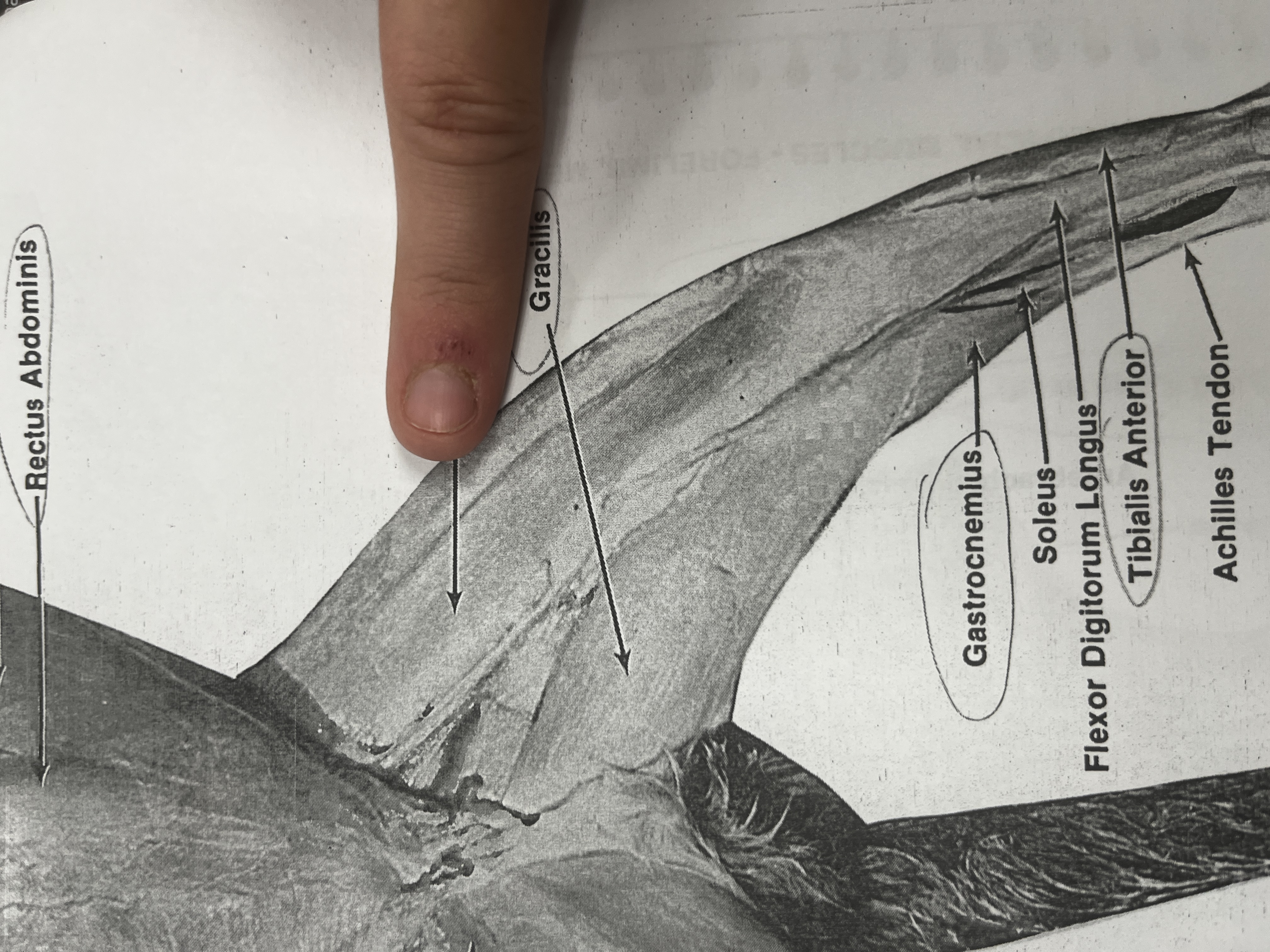
gracilis
A long, thin muscle in the inner thigh that aids in hip and knee movement.
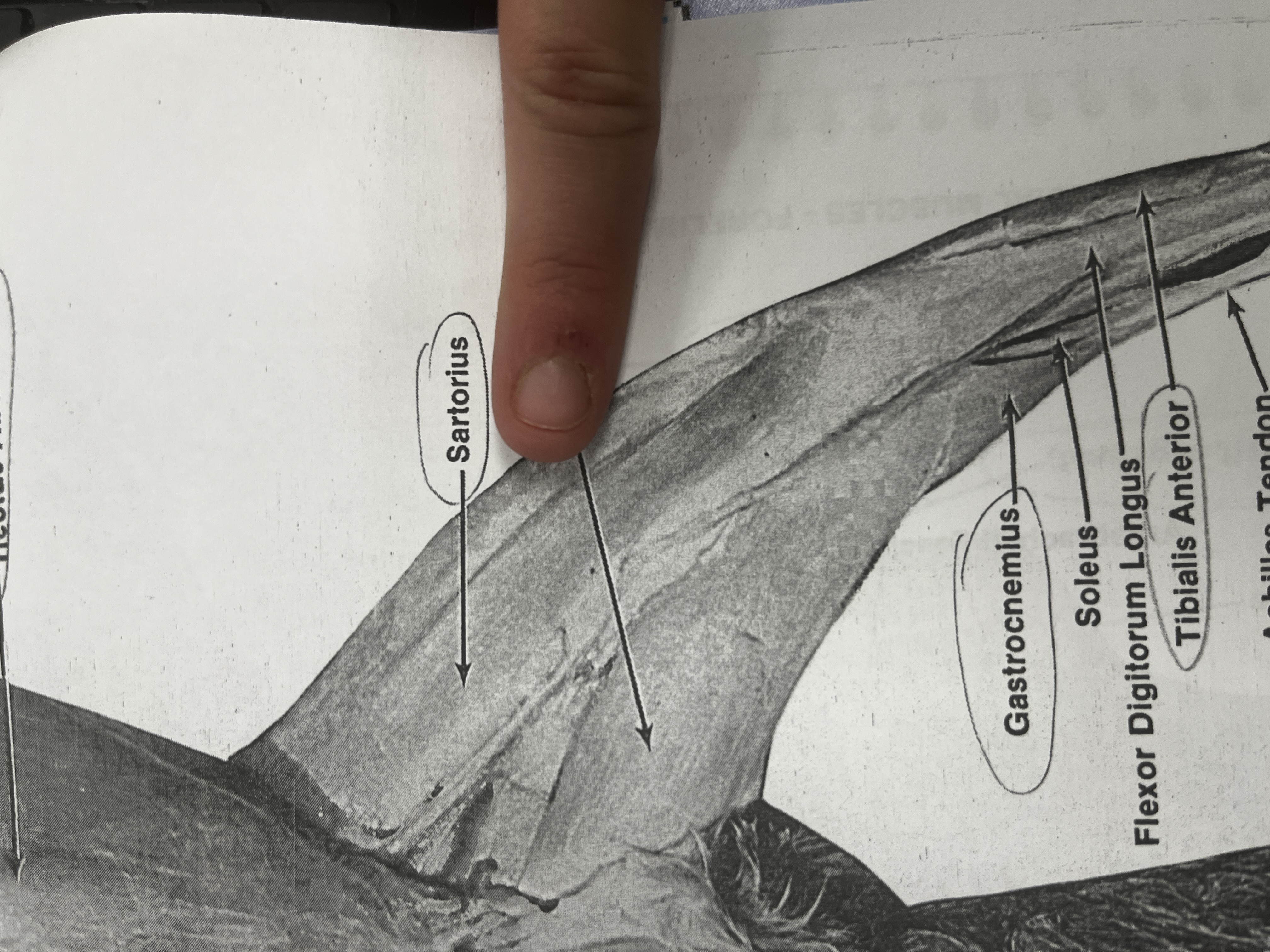
rectus abdominis
A paired muscle running vertically on each side of the anterior wall of the human abdomen.
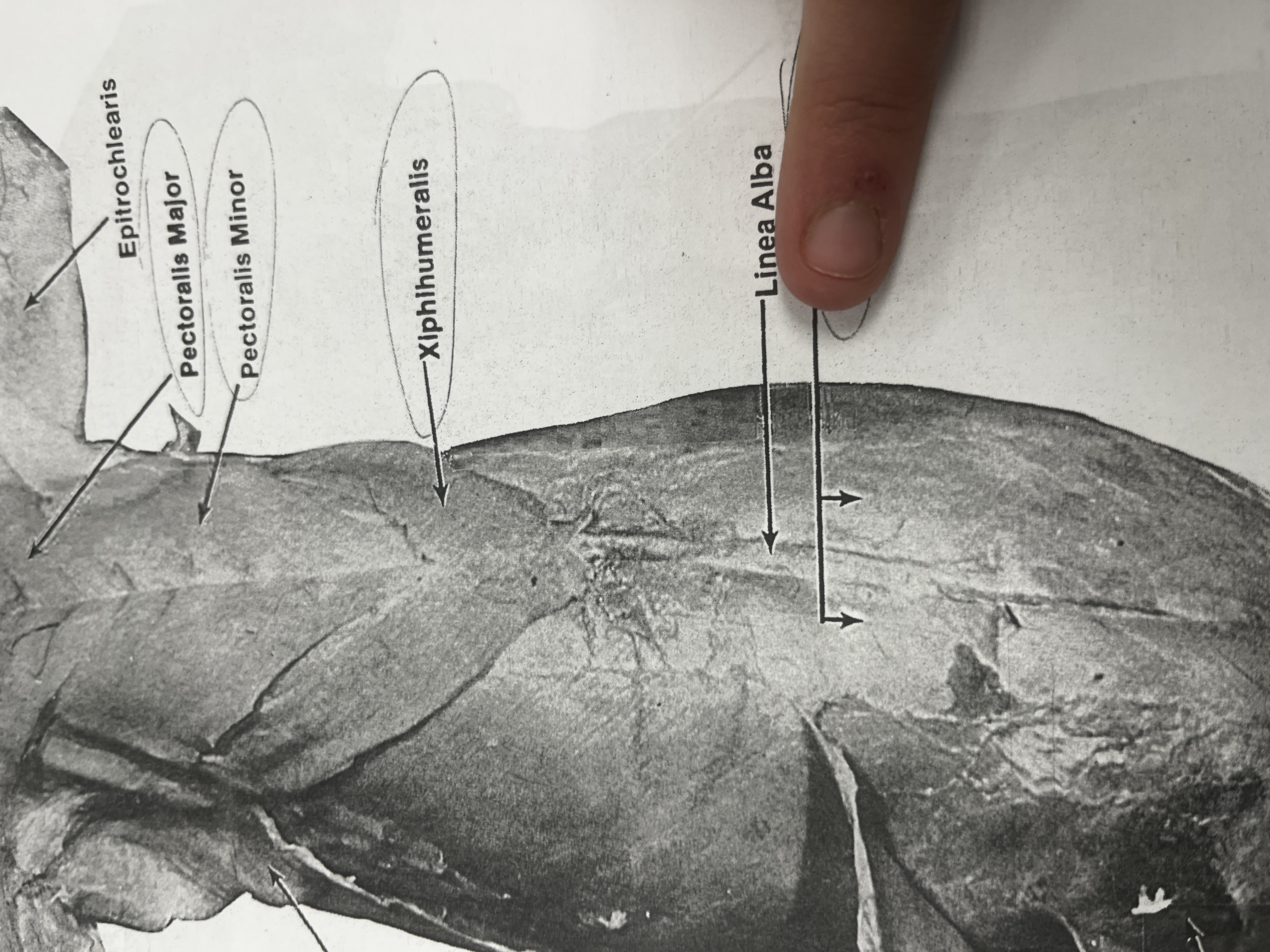
adductor femoris
A muscle that contributes to the adduction of the femur in the thigh.
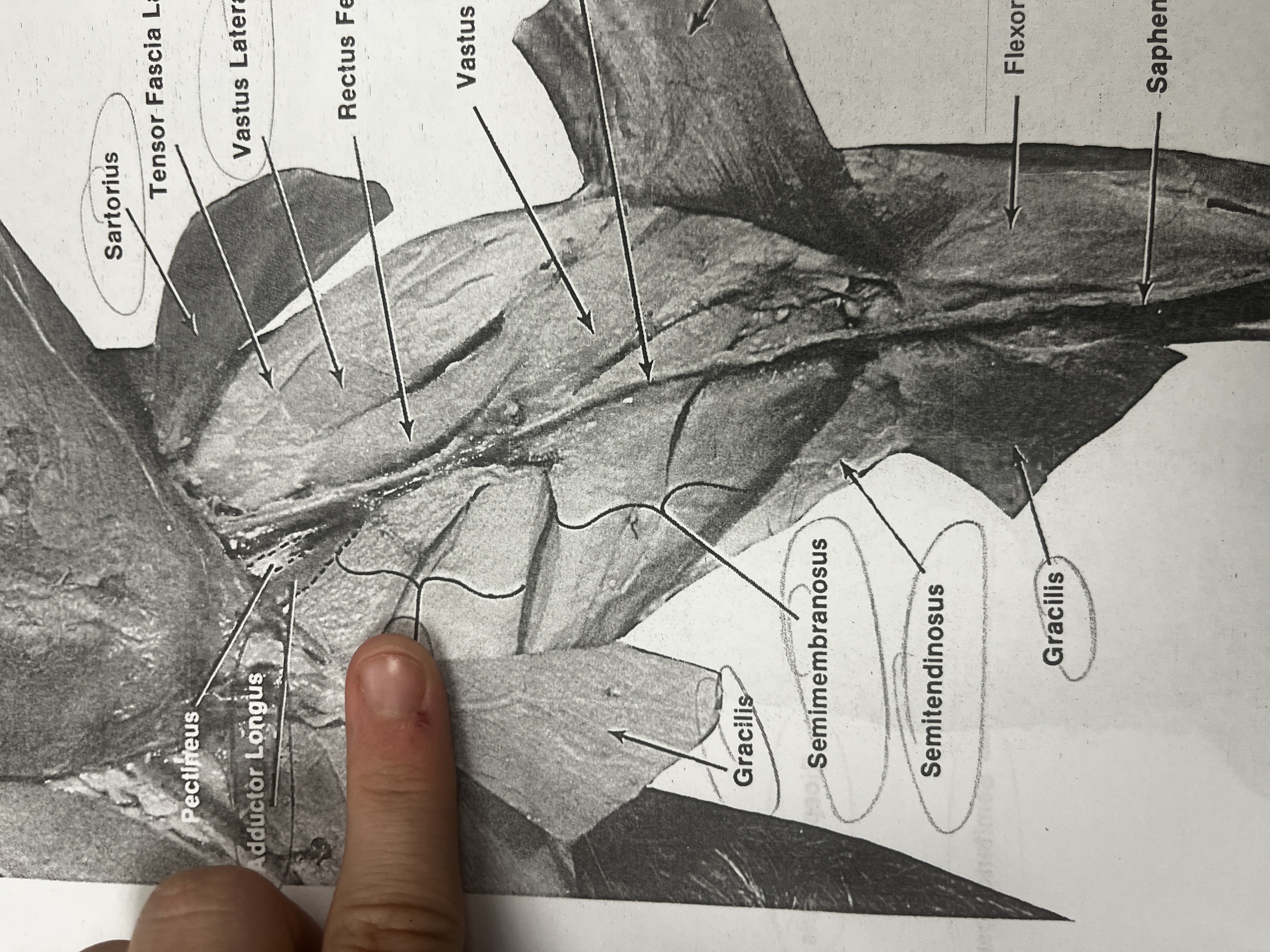
heart
The organ that pumps blood throughout the body.
rectus femoris
A muscle of the quadriceps that extends the knee and flexes the hip.
biceps brachii
A muscle of the upper arm that flexes the elbow and rotates the forearm.
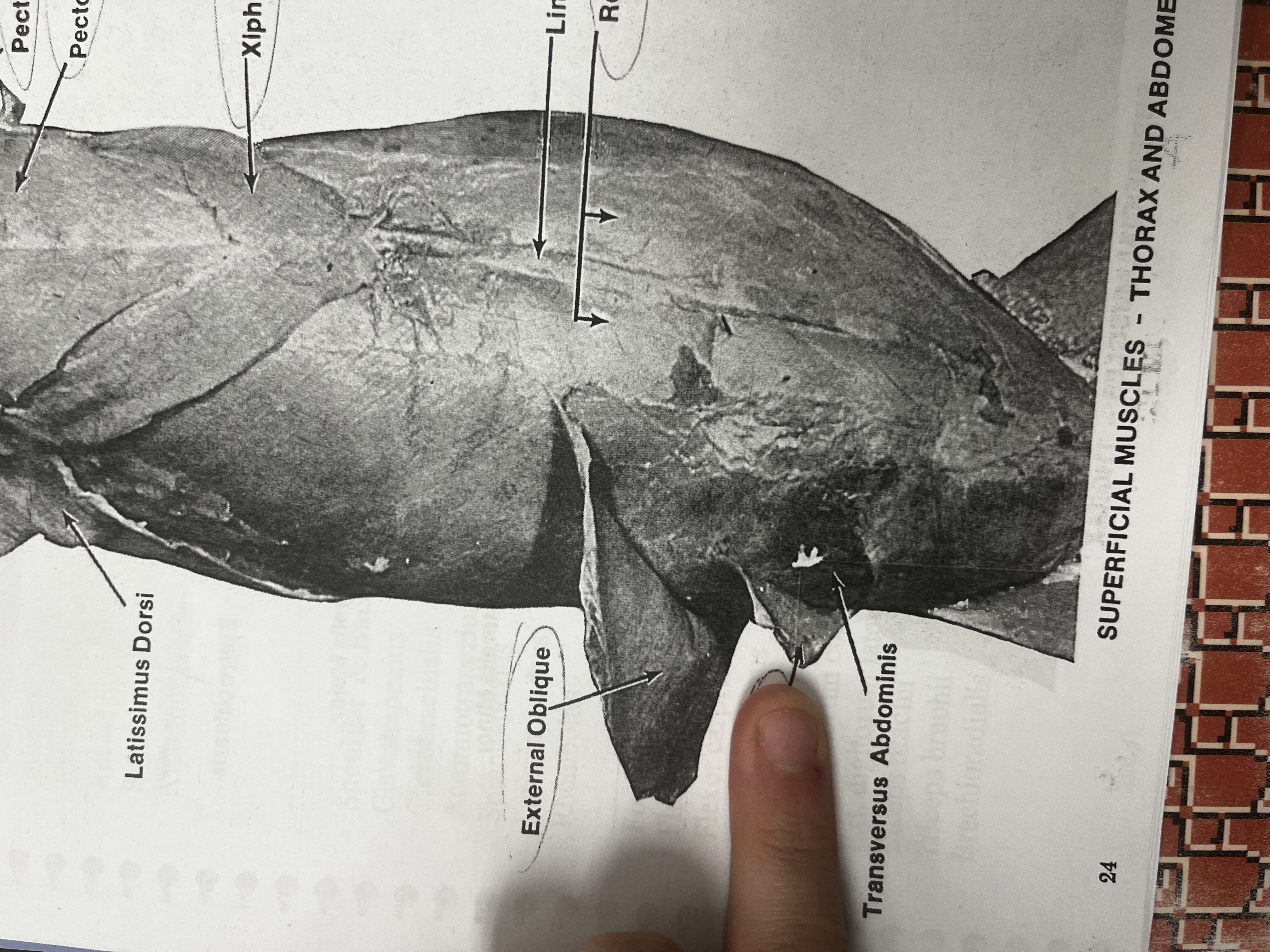
internal oblique
A muscle in the abdominal wall that helps with the rotation and lateral flexion of the trunk.
rhomboideus
A muscle that connects the scapula with the vertebrae and retracts the scapula.
biceps femoris
One of the hamstring muscles that flexes the knee and extends the hip.
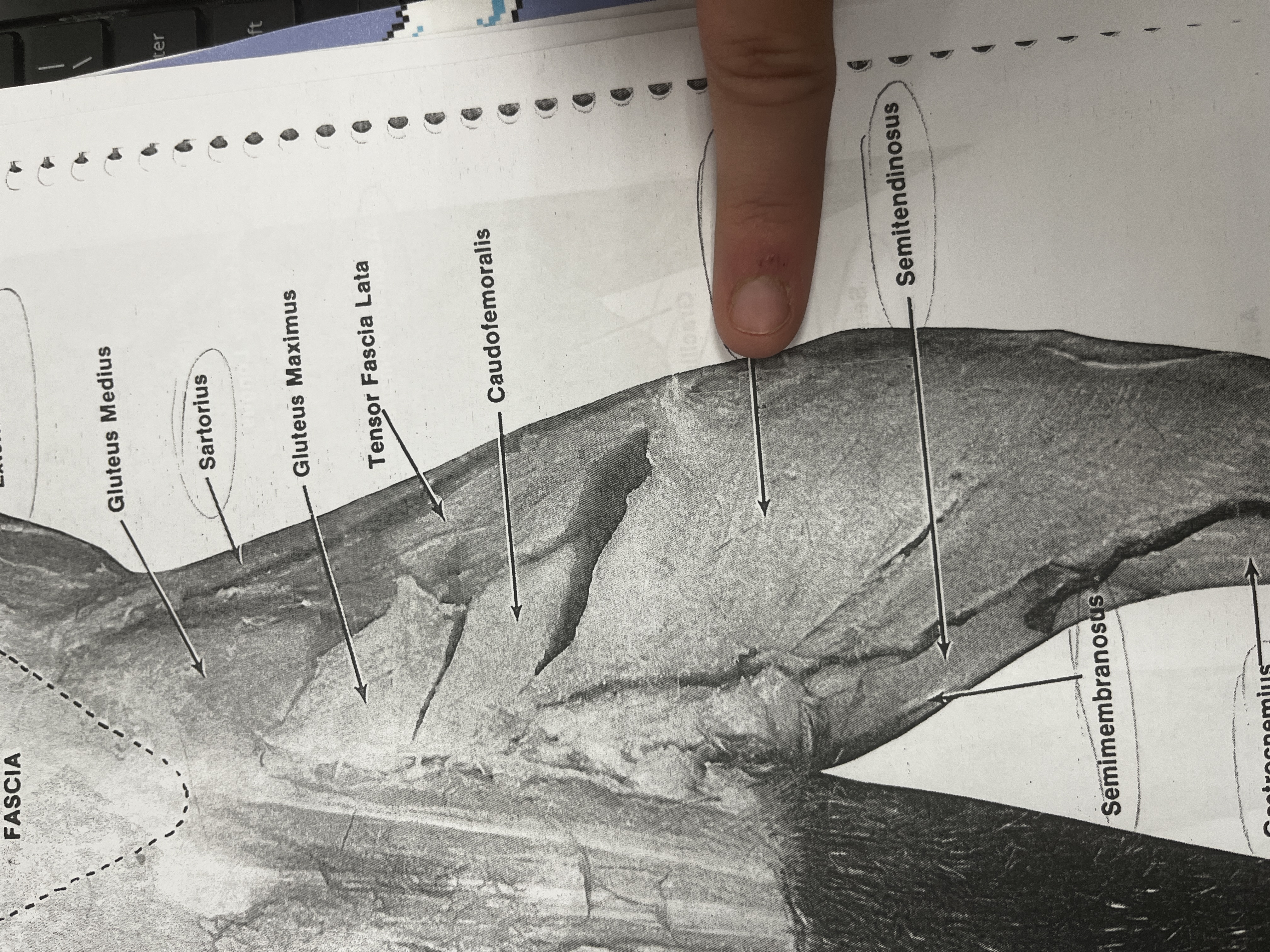
sartorius
A long, thin muscle that runs down the length of the thigh and aids in hip and knee flexion.
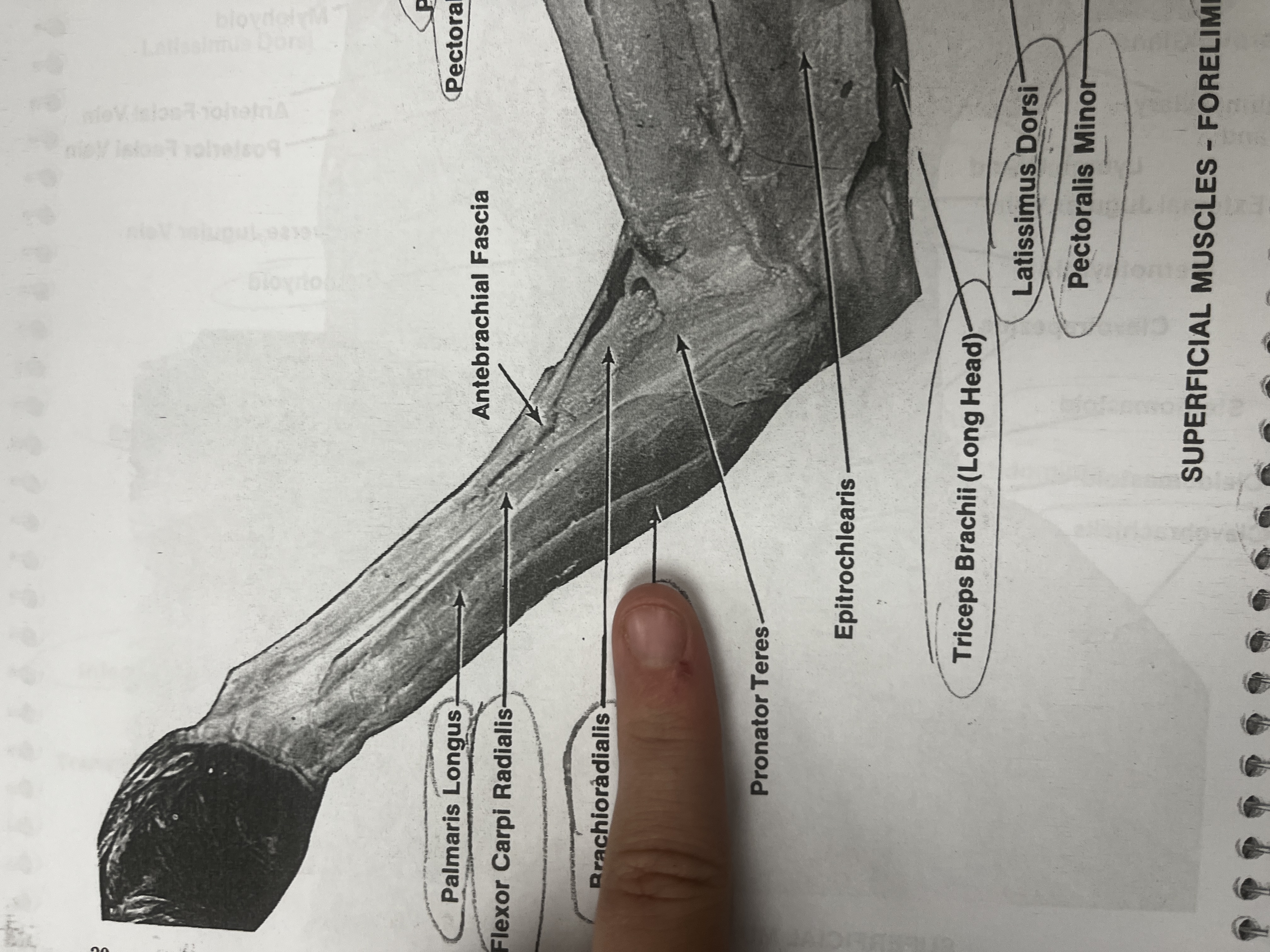
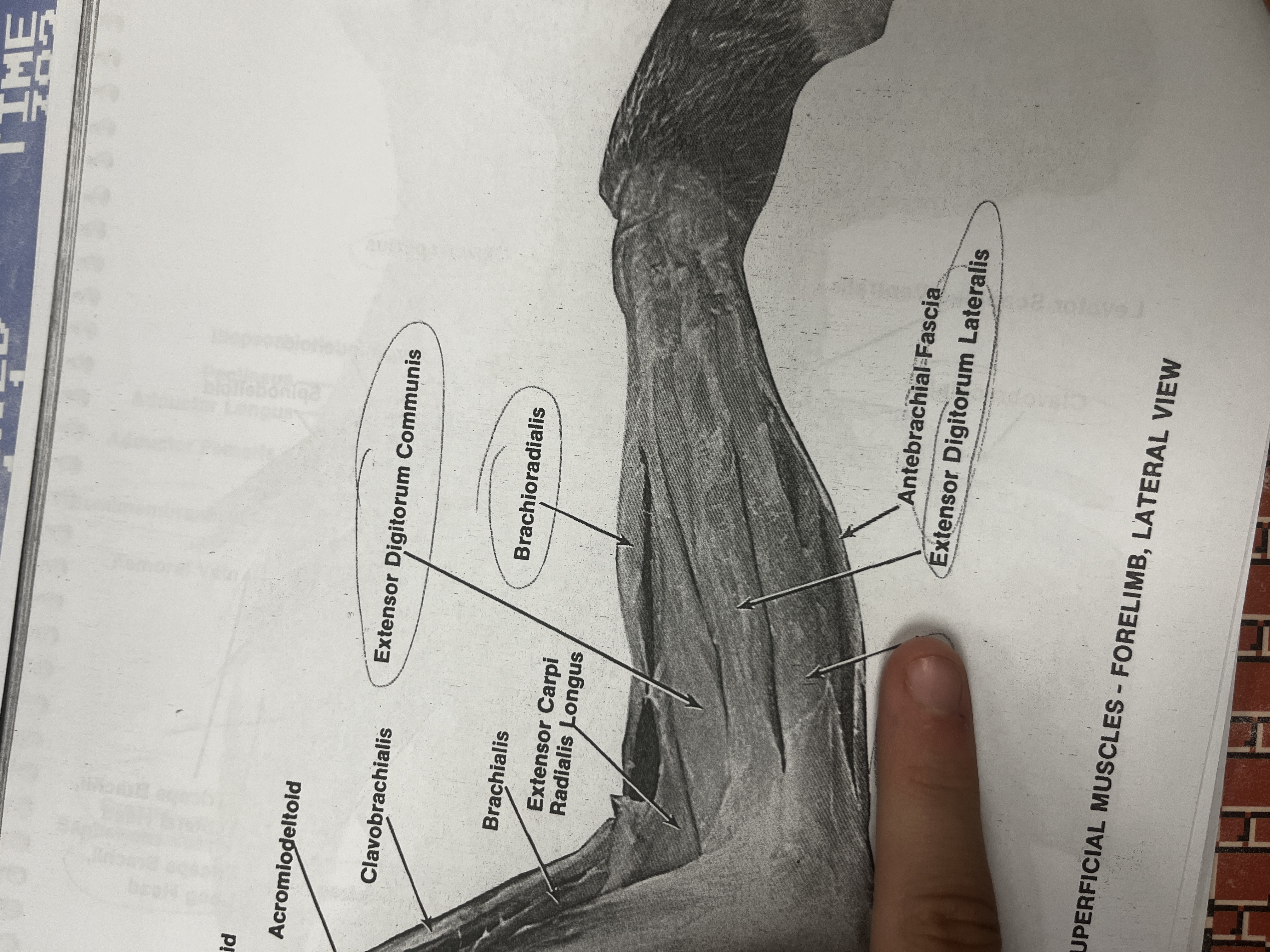
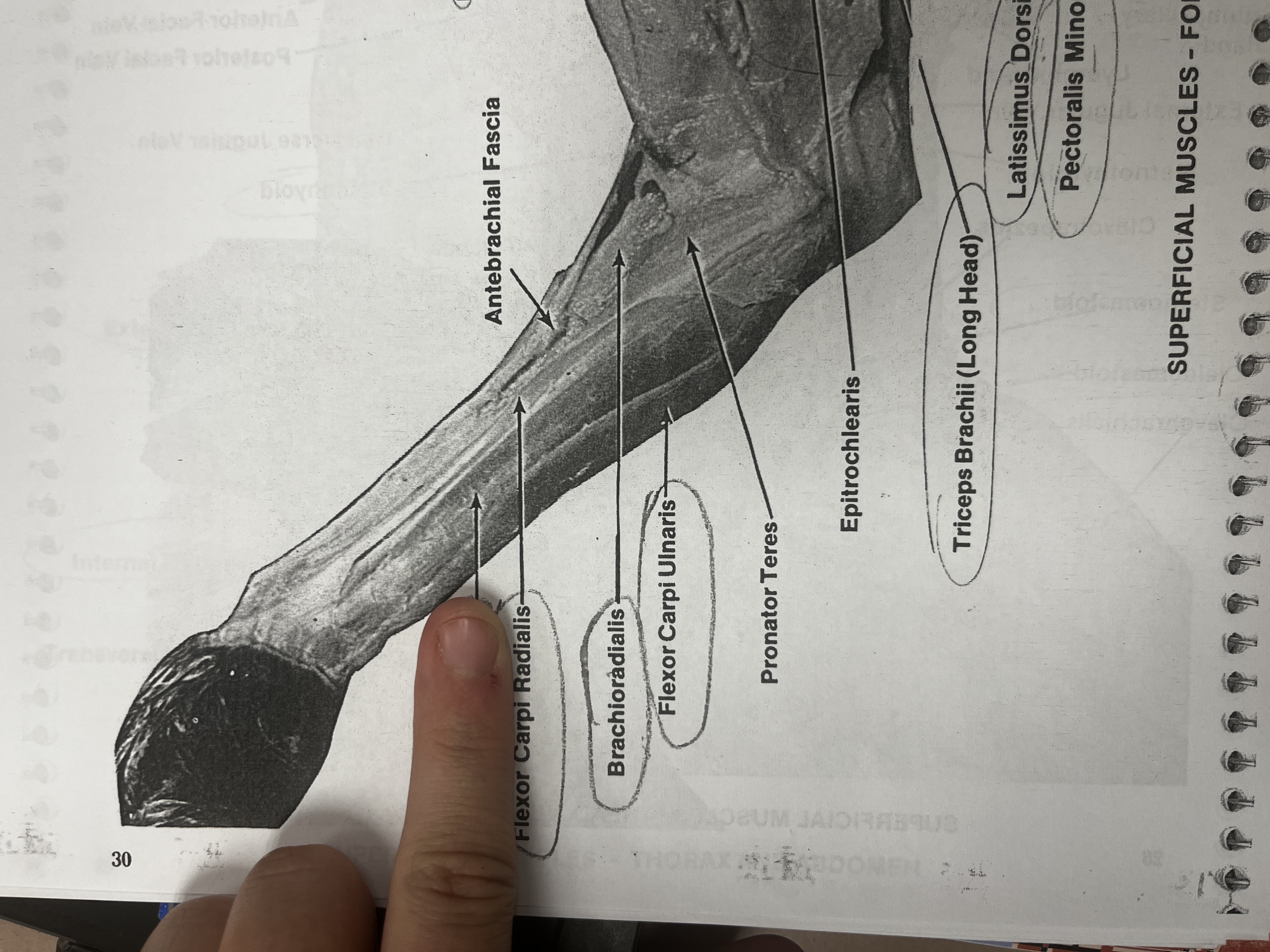
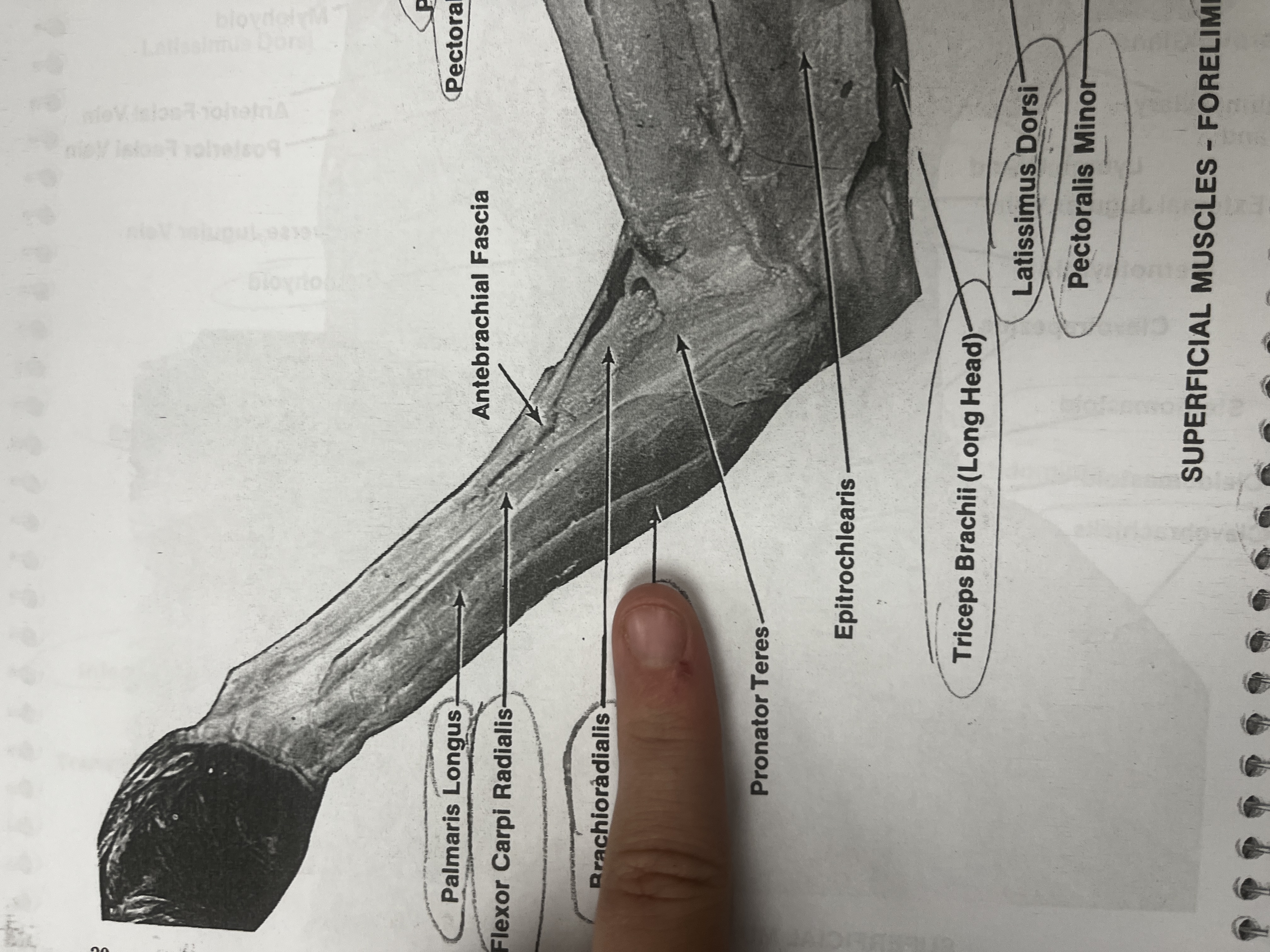
brachioradialis
A muscle of the forearm that flexes the forearm at the elbow.
kidney
An organ that filters blood and produces urine.
semimembranosus
A muscle of the hamstring group that helps in knee flexion.
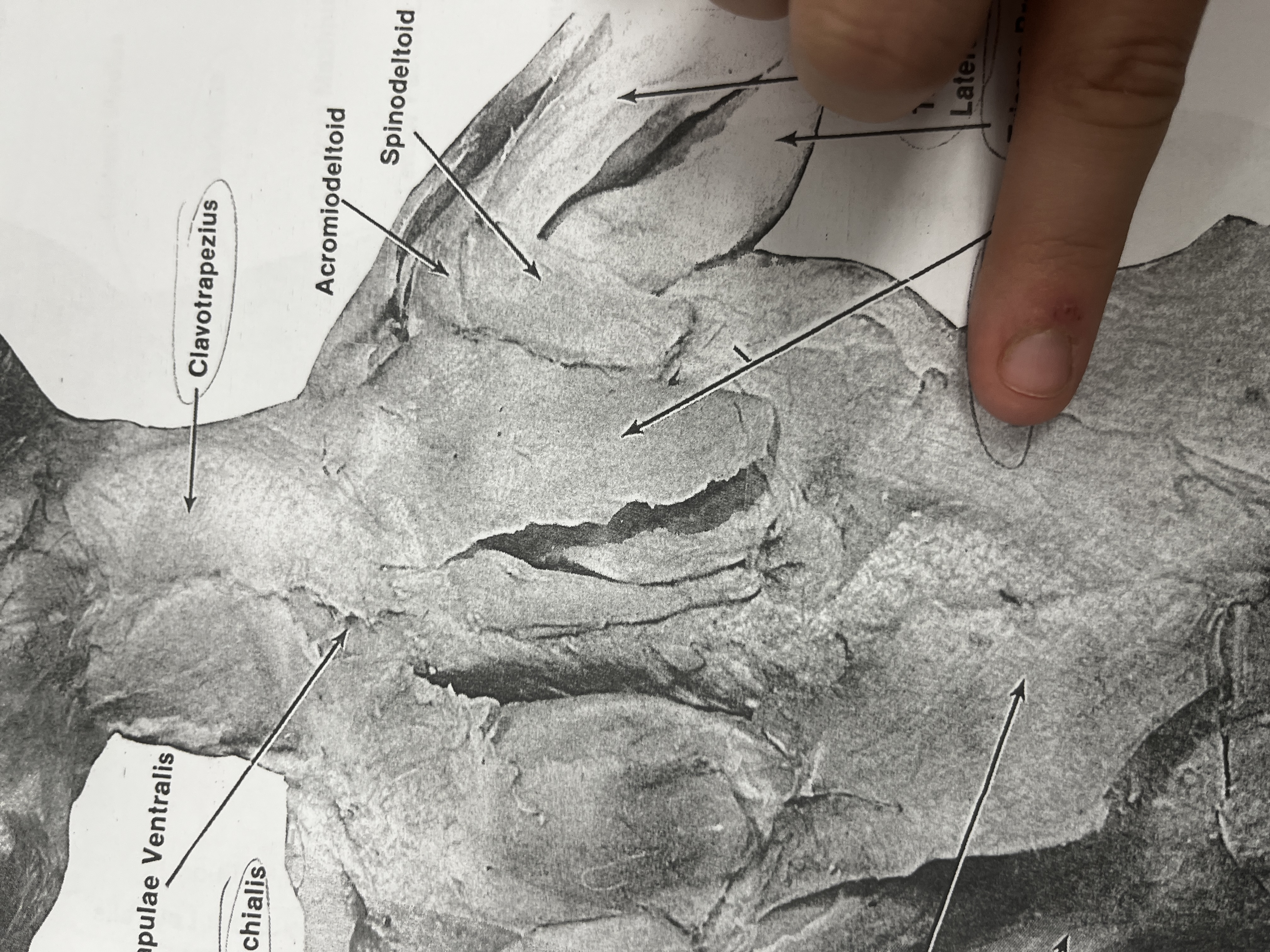
claviobrachialis (deltoid)
A shoulder muscle that aids in arm movement.
large intestine
The part of the digestive system that absorbs water from indigestible food matter.
semitendinosus
A muscle of the hamstring group that assists in bending the knee.
small intestine
The part of the digestive system where most nutrient absorption occurs.
clavotrapezius
A muscle in the shoulder that helps elevate the shoulder and retract the scapula.
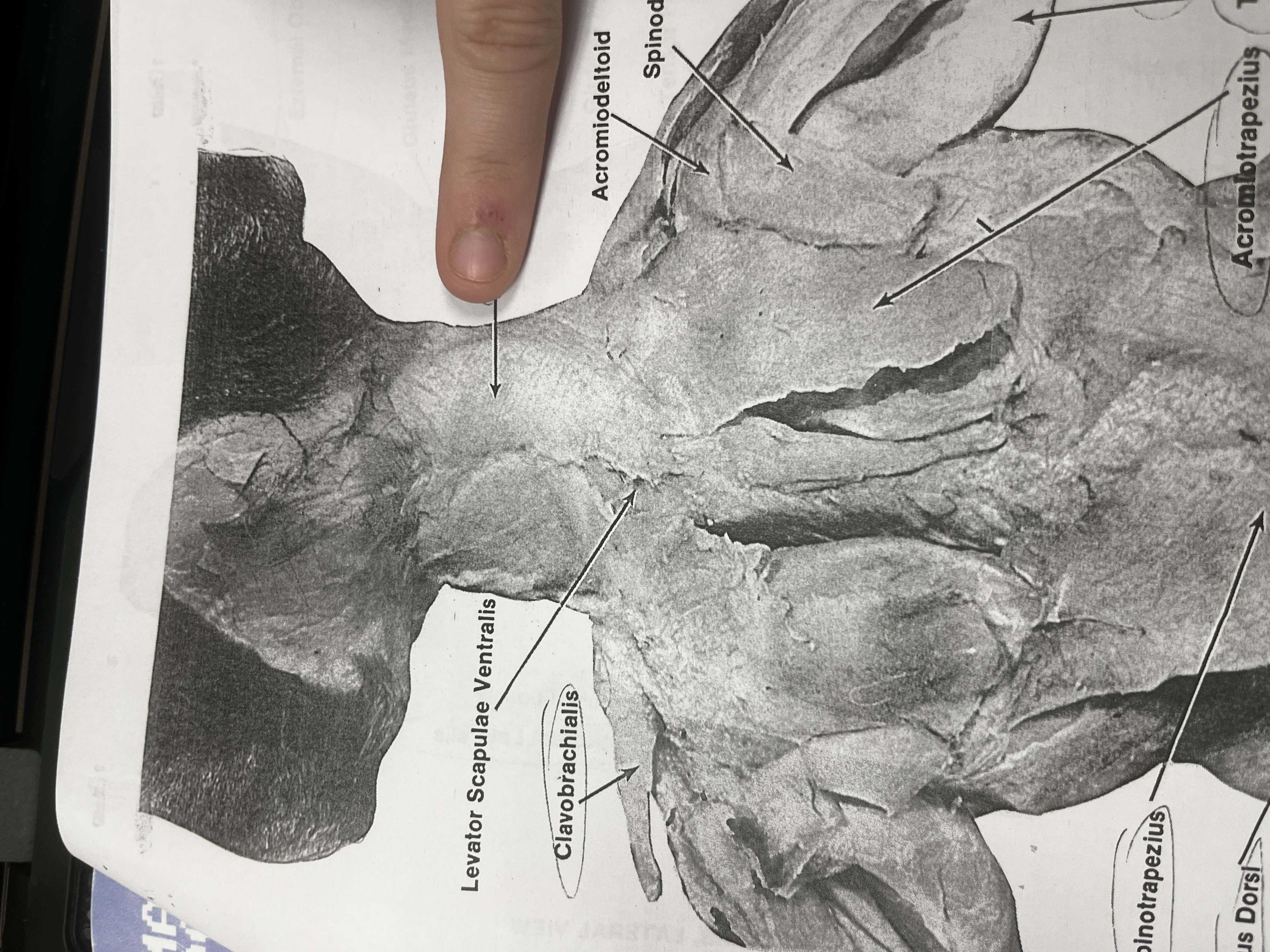
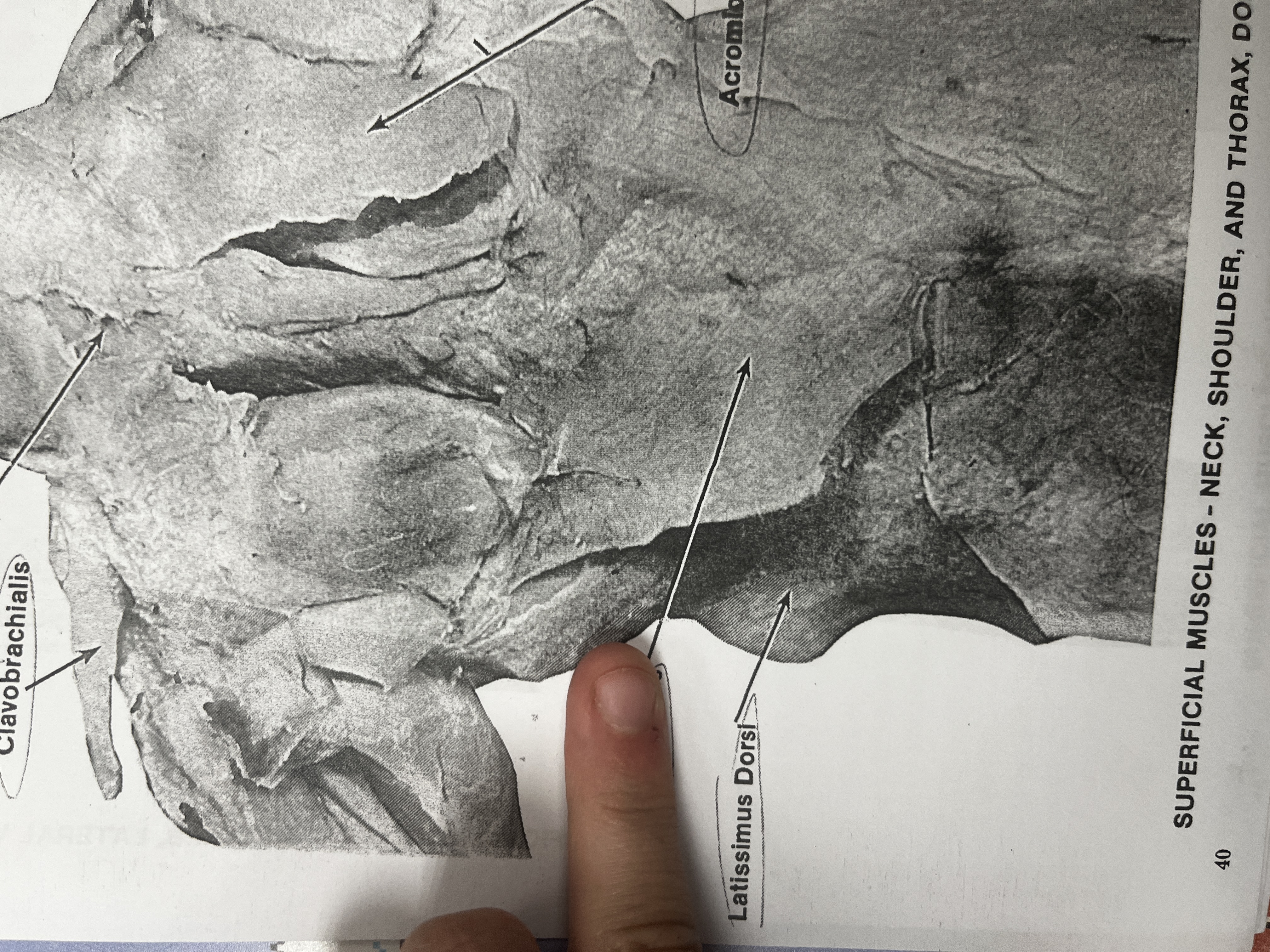
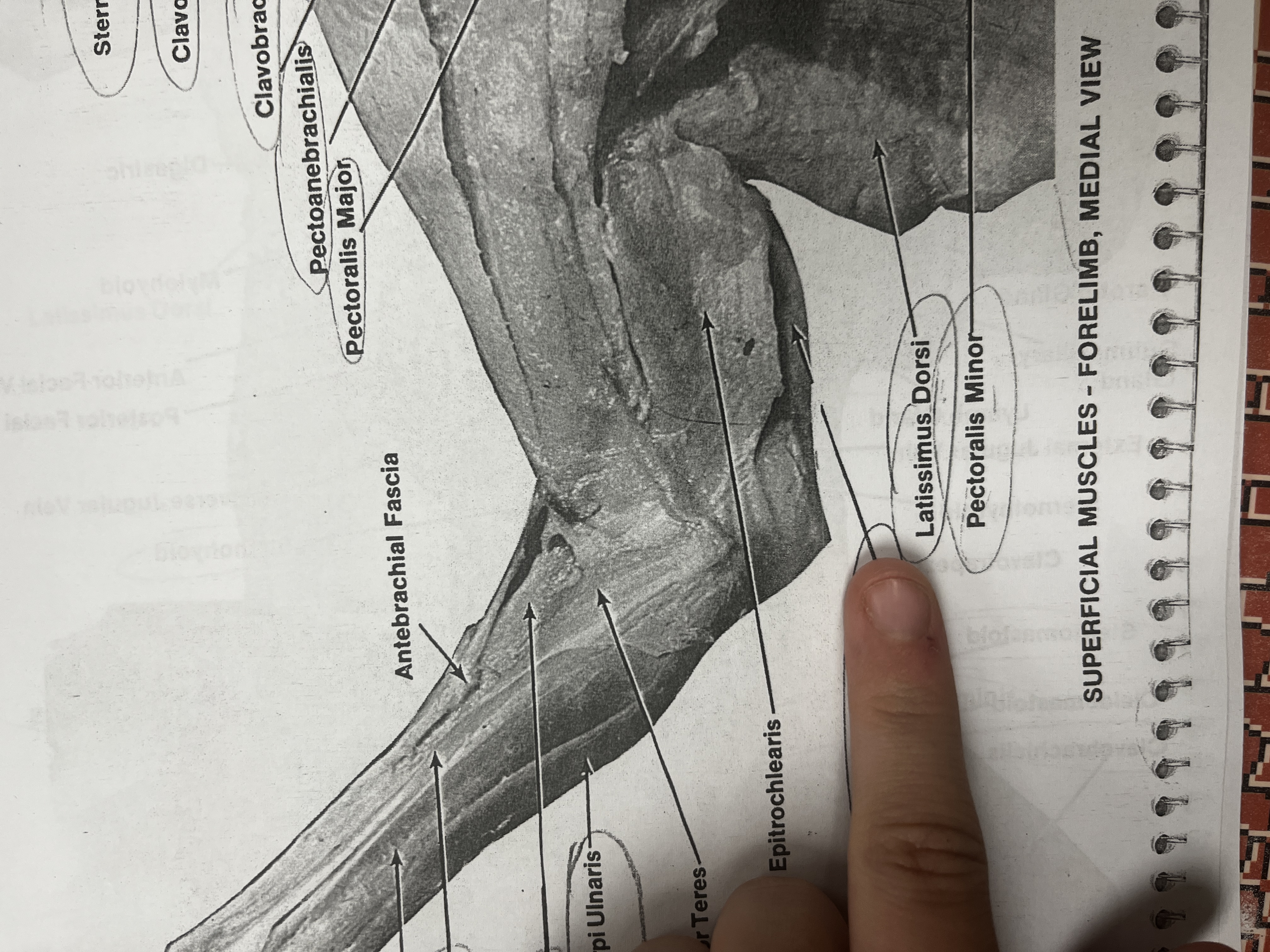
latissimus dorsi
A large muscle on the back that helps extend, adduct, and rotate the arm.
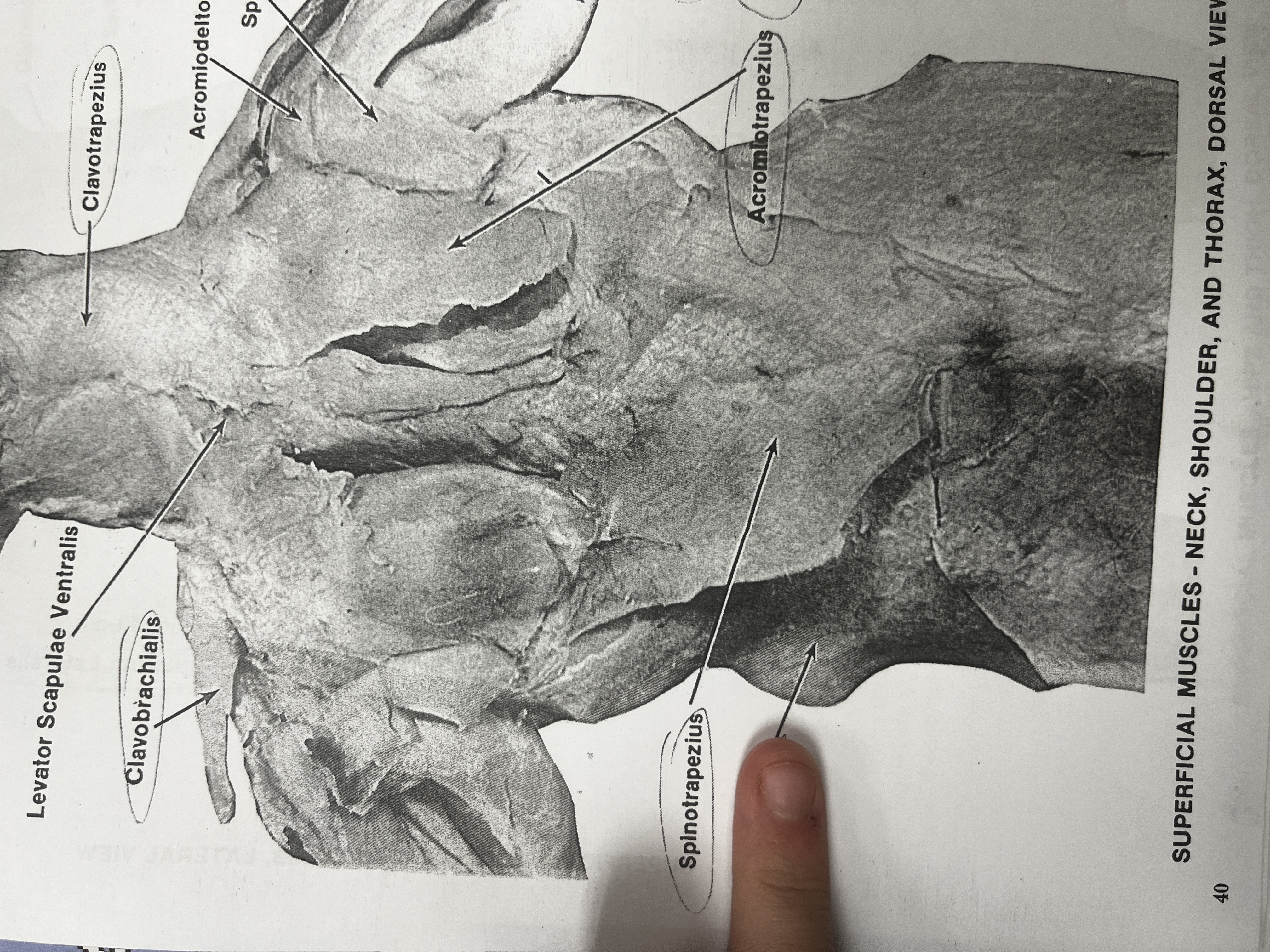
spinotrapezius
A muscle in the back that retracts the scapula.
diaphragm
The primary muscle used in the process of breathing.
liver
An organ that processes nutrients and detoxifies harmful substances in the blood.
spleen
An organ involved in filtering blood and supporting the immune system.
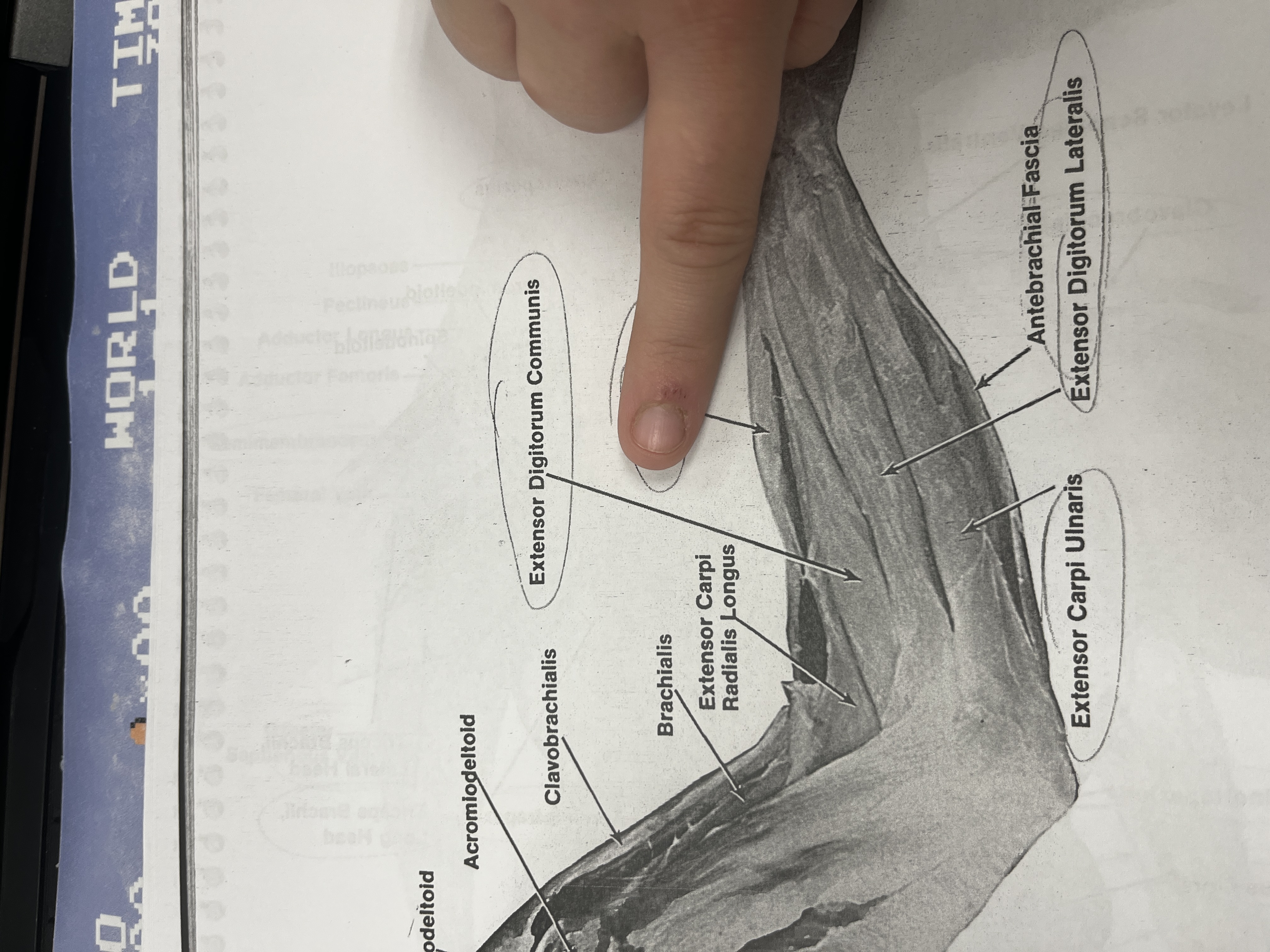
extensor carpi ulnaris
A muscle in the forearm that extends and adducts the wrist.
lungs
Organs in the body that facilitate the exchange of oxygen and carbon dioxide.
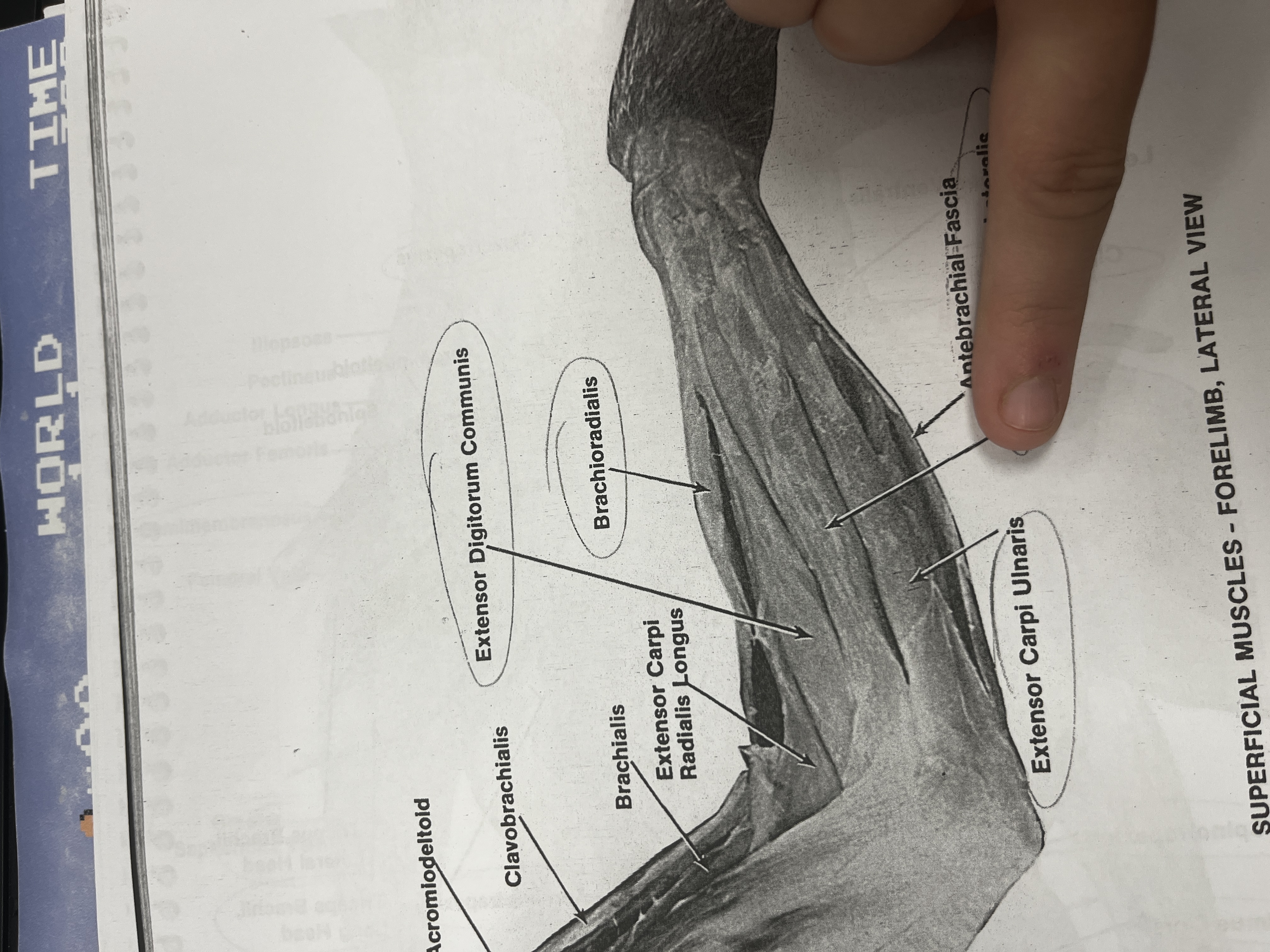
extensor digitorum communis
A muscle that extends the fingers.
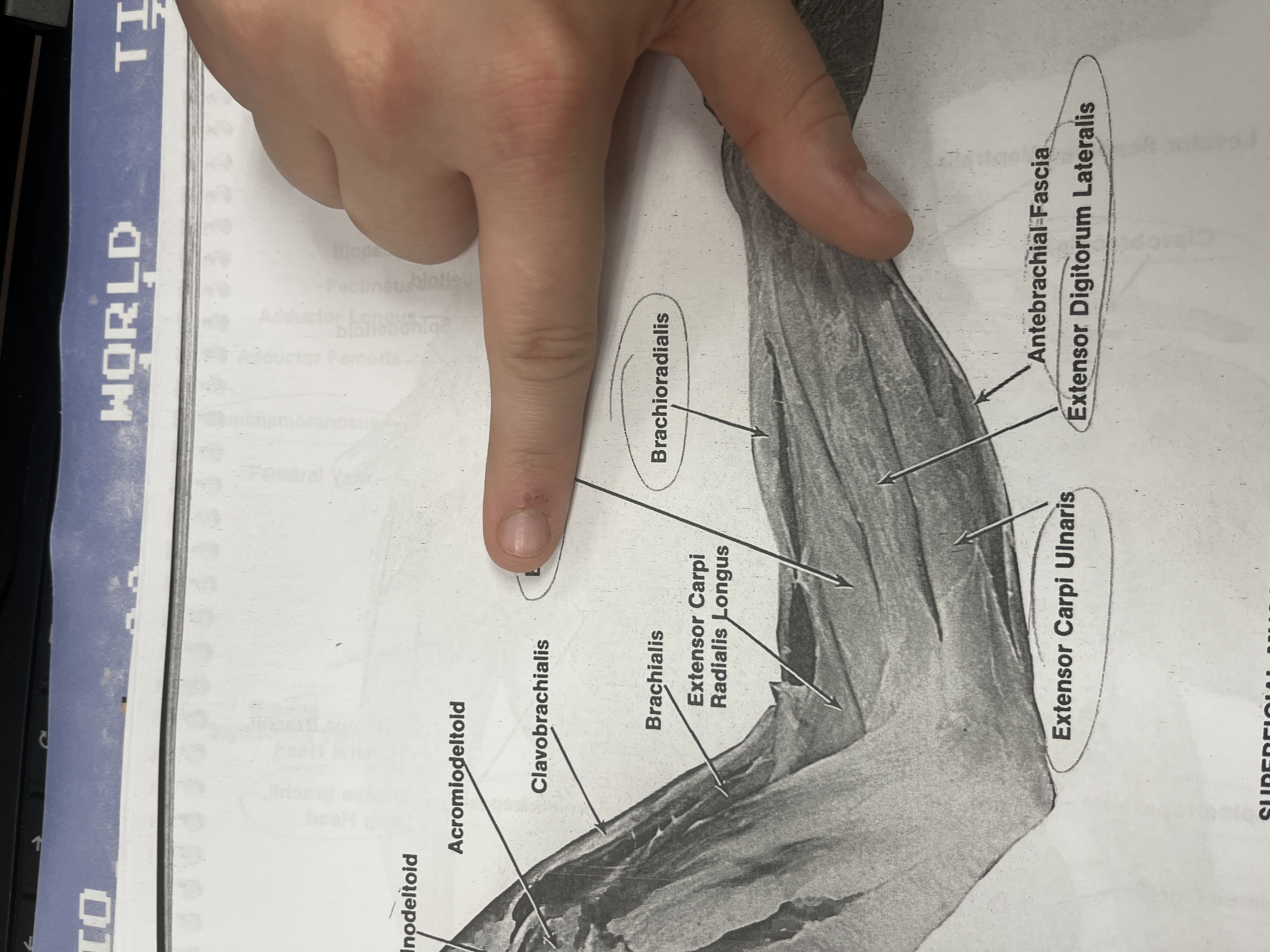
extensor digitorum lateralis
A muscle that extends and moves the little finger.
stomach
An organ that digests food by mixing it with stomach acids.
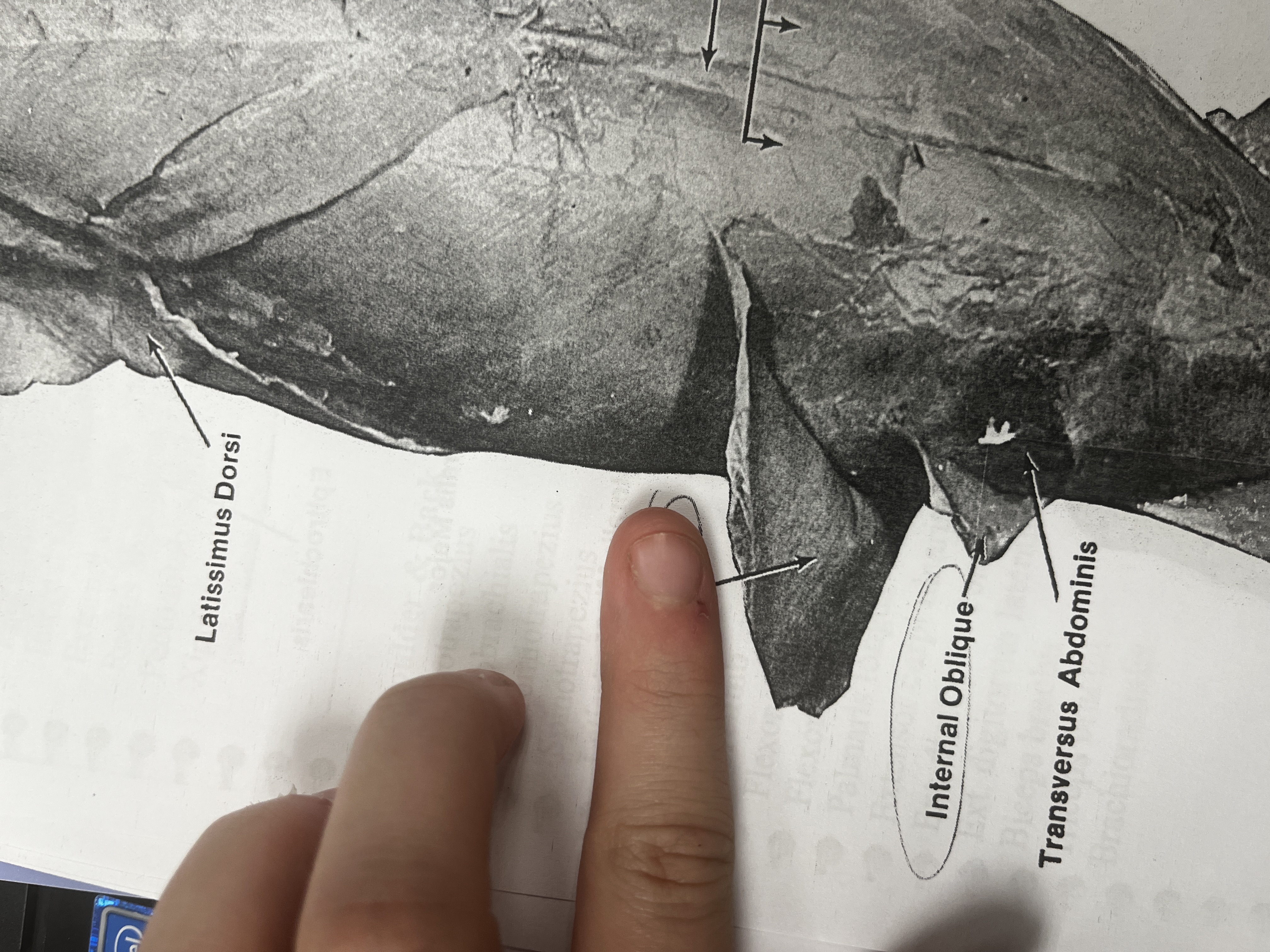
external oblique
The outermost layer of the abdominal muscles, aiding in trunk rotation.
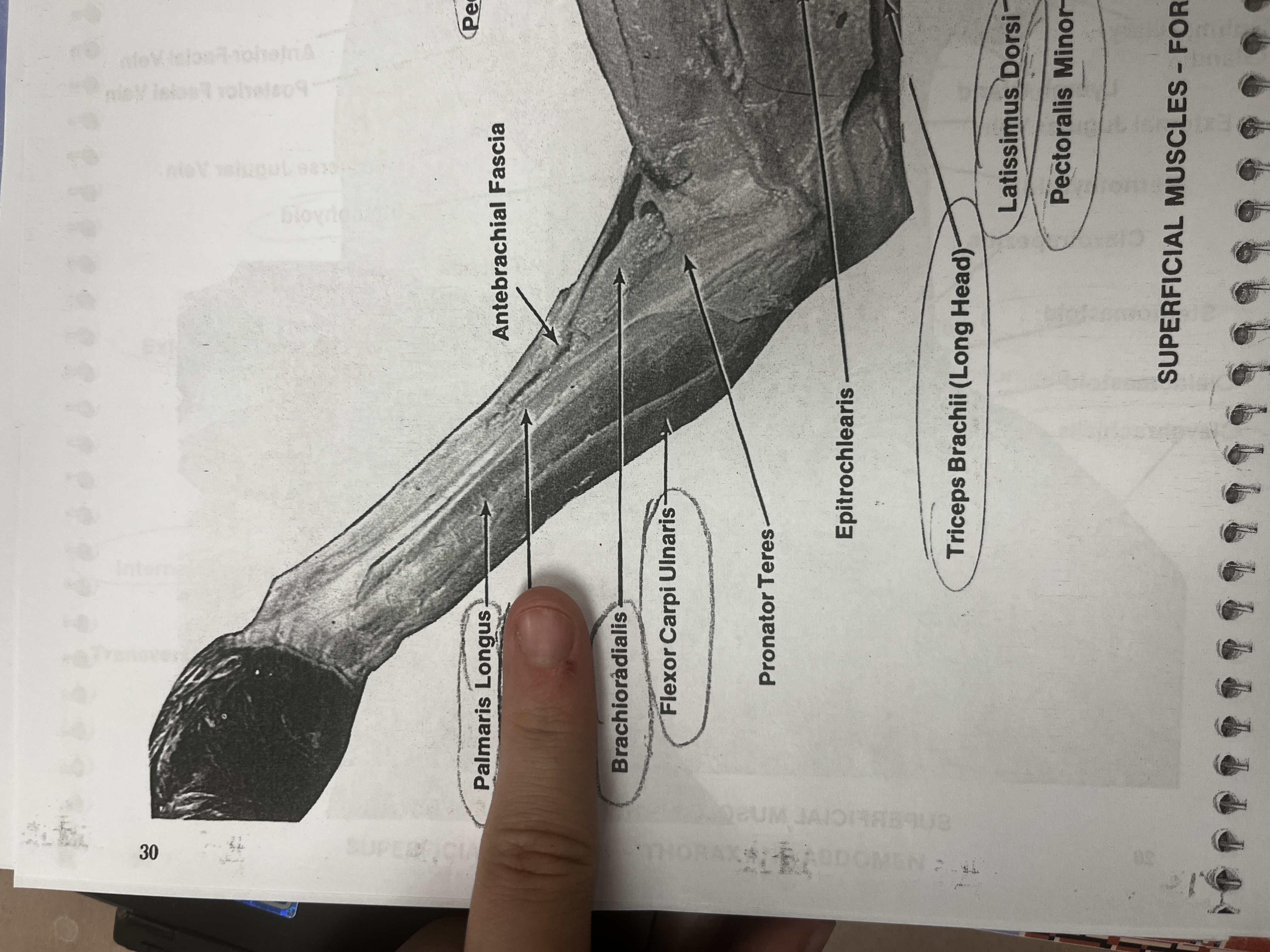
flexor carpi radialis
A muscle in the forearm that flexes the wrist.
palmaris longus
A muscle in the forearm that aids in wrist flexion.
tibialis anterior
A muscle located in the front of the lower leg that dorsiflexes the foot.

flexor carpi ulnaris
A muscle that flexes and adducts the wrist.
triceps brachii
A muscle in the upper arm that extends the elbow.
gallbladder
An organ that stores bile produced by the liver.
pectoralis major
A large muscle in the chest that helps with arm movement.
urinary bladder
An organ that stores urine before it is expelled from the body.
vastus lateralis
A muscle of the quadriceps that helps extend the knee.
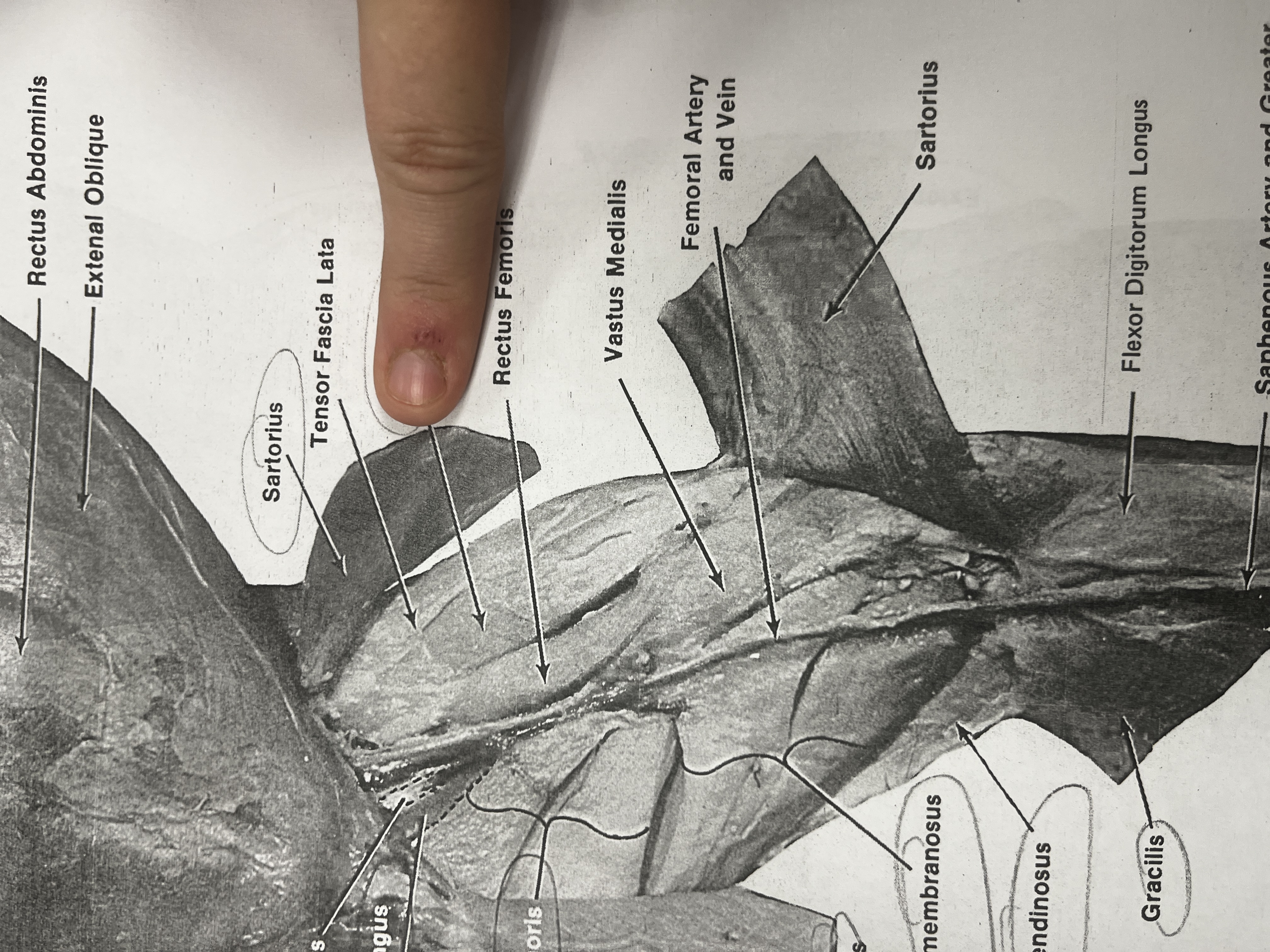
vastus medialis
A muscle of the quadriceps that also extends the knee.
gastrocnemius
A major muscle in the calf that helps flex the knee and plantarflex the foot.
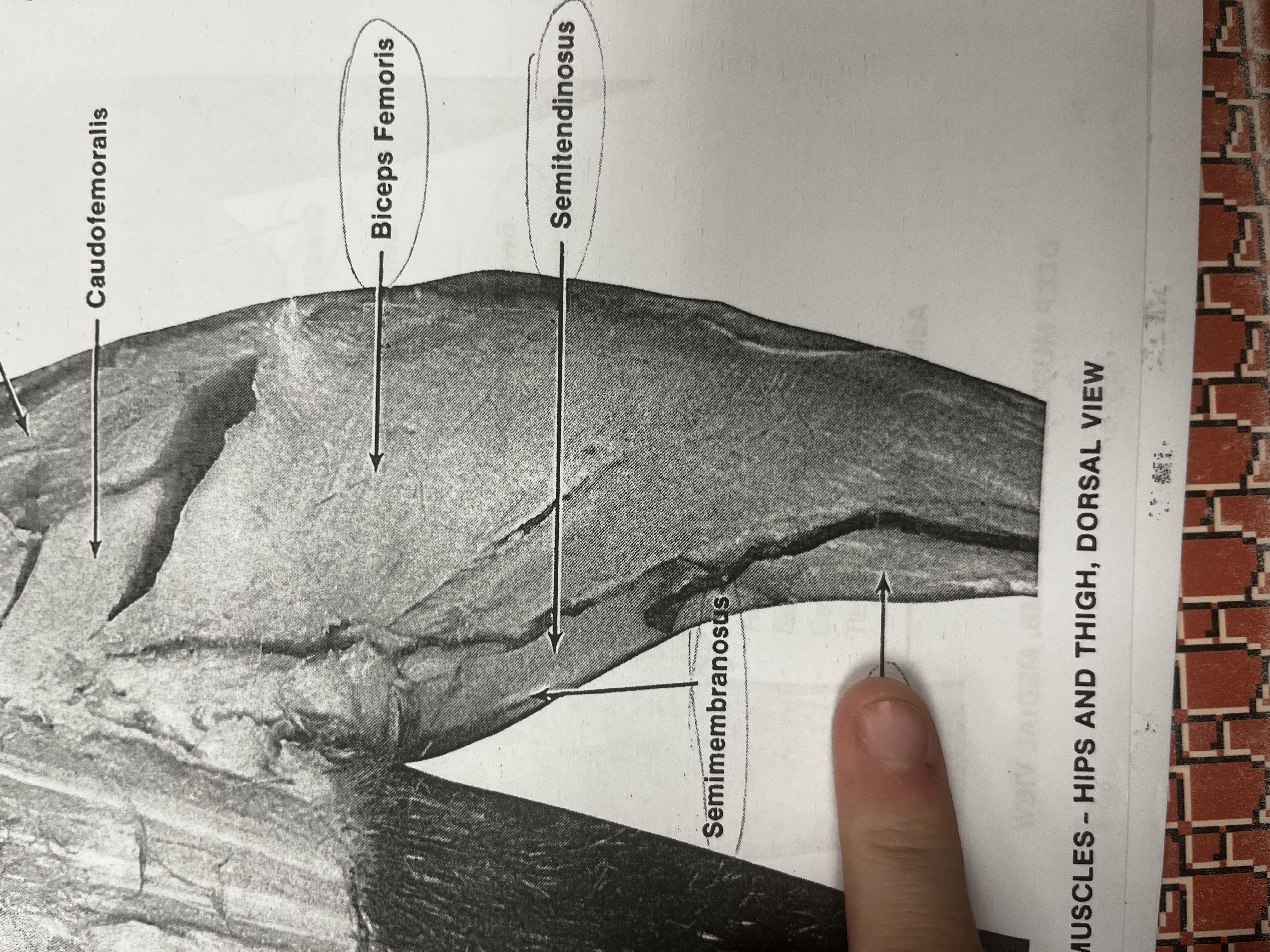
pectoralis minor
A muscle located beneath the pectoralis major that aids in moving the scapula.
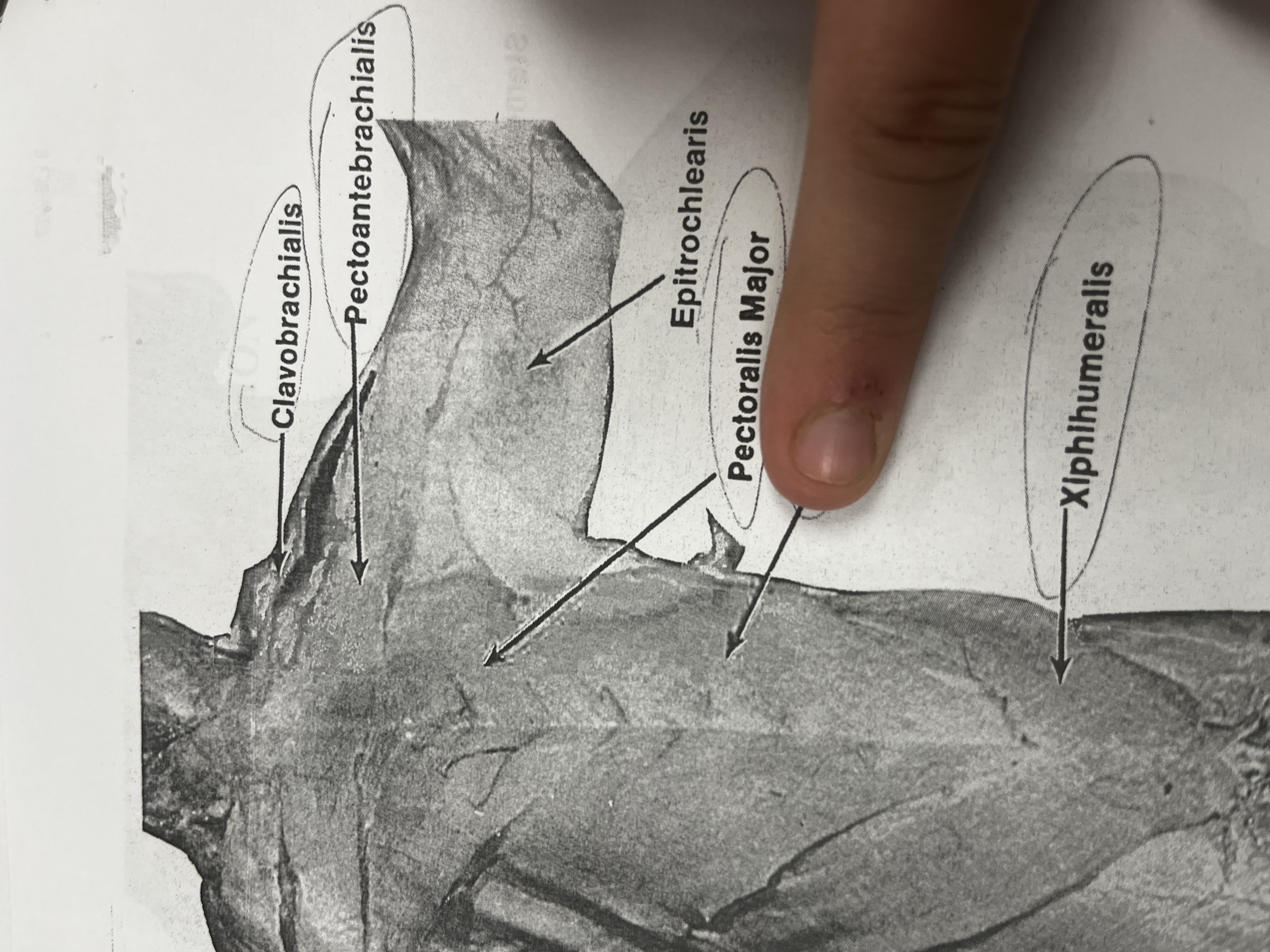
xiphihumeralis
A muscle in cats that assists in the movement of the forelimb.