CSD Chap 1-3 Test Study Guide
 Call Kai
 Learn
Learn Practice Test
 Spaced Repetition
 Match
Match Flashcards
 Knowt Play
1/51

There's no tags or description
Looks like no tags are added yet.
Name | Mastery | Learn | Test | Matching | Spaced | Call with Kai | Chat |
|---|
No analytics yet
Send a link to your students to track their progress
52 Terms
The aspects of language include what?
Form, content, and use
What falls under the form category?
Syntax, Morphology and phonology
What falls under the content category?
semantics
What falls under the Use category?
Pragmatics
What is Phonology?
The sound system of English— The rules of sound
What is Morphology?
The structure of words (ex. -ed, -s, -ing)
What is syntax?
How the words are arranged in a sentence/ how they affect each other
What are semantics?
Language meaning-Context free
What are pragmatics?
The purpose of speaking. (What is the purpose of the word?)
Definition of Anatomy
Study of the structure of the body and the relationship of the structures (Aka how it’s built)
Definition of Physiology
Function of the structure / organism (AKA how it works)
The respiratory system is the
driving force for speech production.
What are the structures of the respiratory system?
Pulmonary apparatus, Lungs, rib cage walls, trachea, alveoli, abdominal cavity and diaphram
The diaphragm is…
The primary muscle of information.
The larynx is what in newborns
high and small
When does the larynx reach full maturity
10-20 years of age.
Puberty does what to the larynx?
It increases in size

What is number one?
Hyroid Bone

What is number 2
Epiglottis
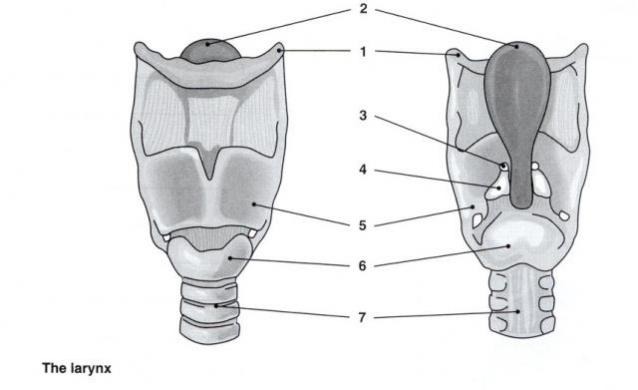
What is number 3
Corniculate Cartilages.
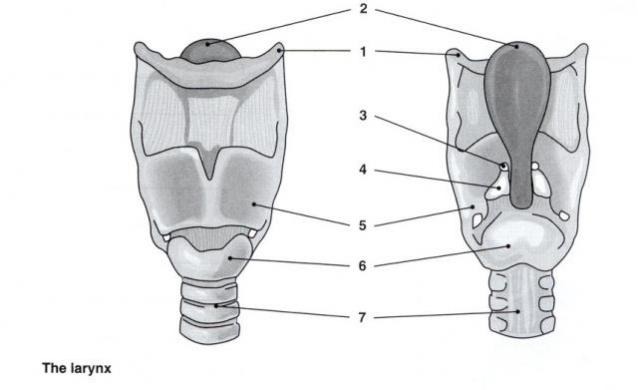
What is number 4
Arytenoid cartilage
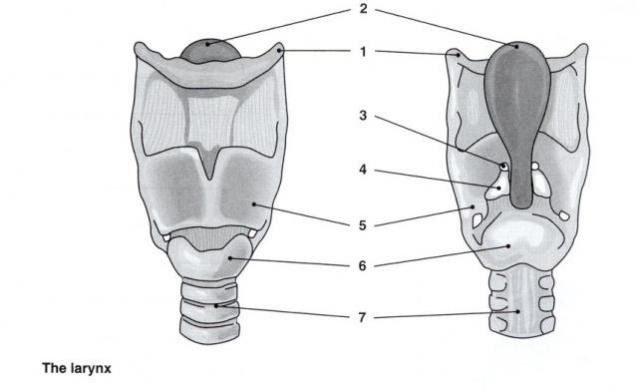
What is number 5
Thyroid cartilage

What is number 6
cricroid cartilage

What is number 7
trachea
What does EBP stand for?
Evidence Based Practice
What is the first side of EBP?
Clients veiws and values
Second side of EBP?
External Scientific Evidence
What is the third side of EBP?
Clinical Exposure
There is an Evidence___?
Hierarchy
What is communication?
the exchange of ideas from sender to receiver
What is the percentage of white non-Hispanic students in public schools?
below 50%
What matters in a communication
Times and Places
Language proficiency is critical to…?
develop high cognitive and social skills
What is the key to becoming a communicator?
Being treated as one.
What matters?
Client family wants/needs, research, and clinical expertise.
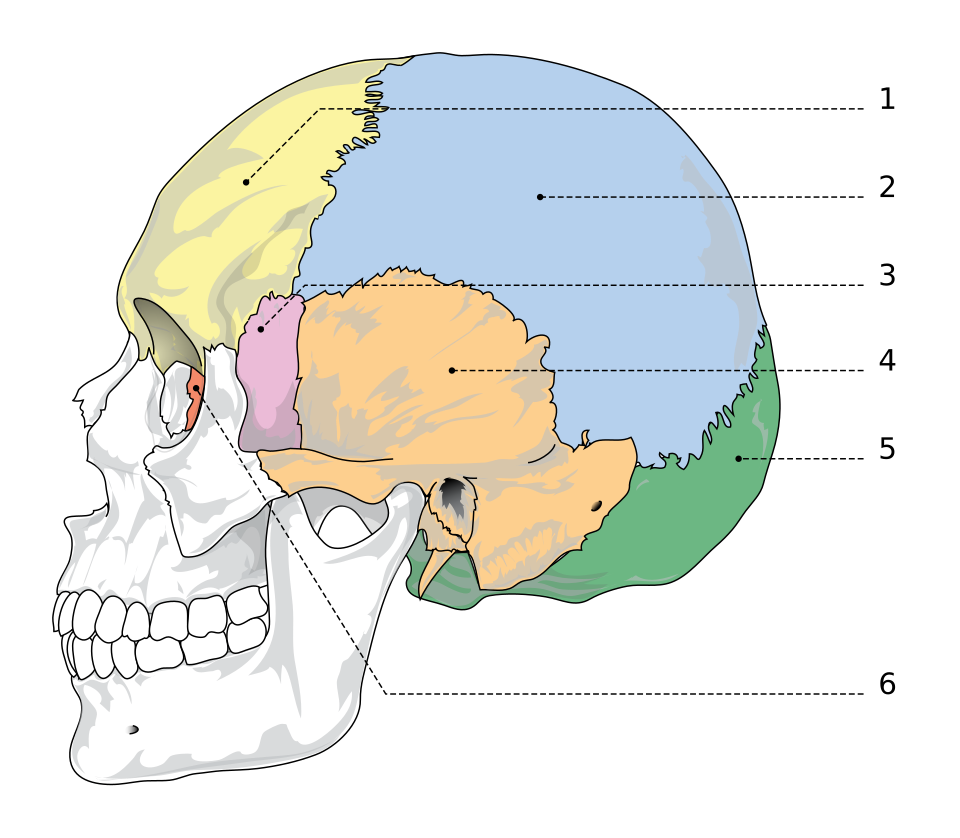
What is 1?
The frontal plate
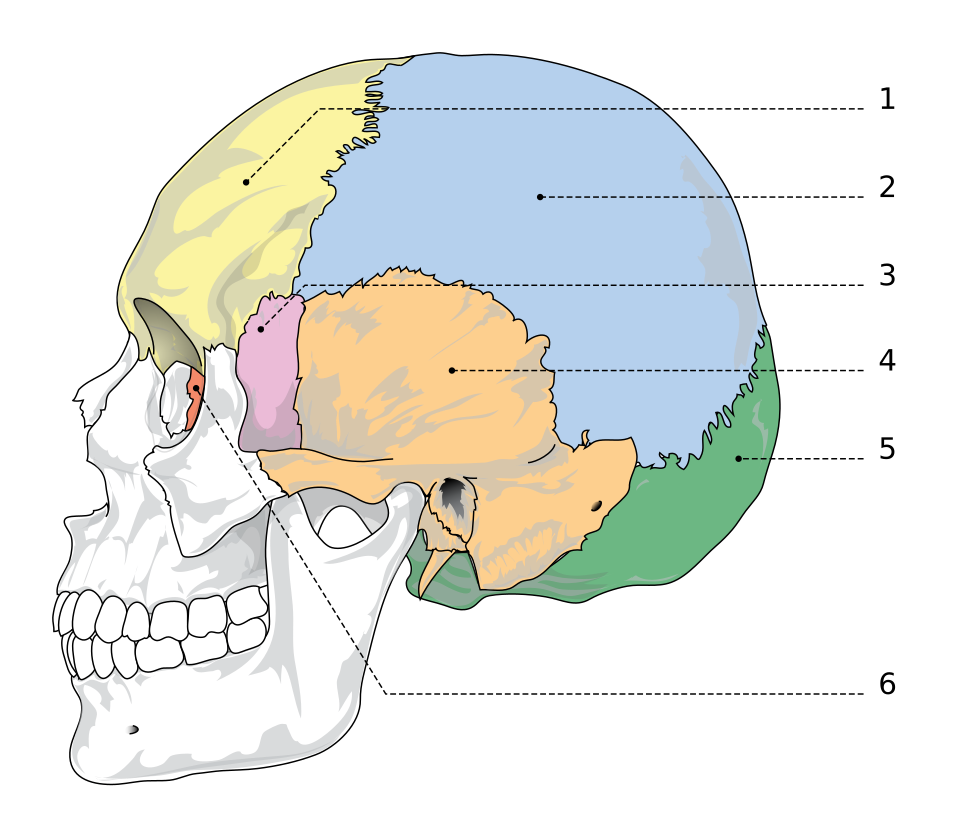
What is two?
Parietal Plate
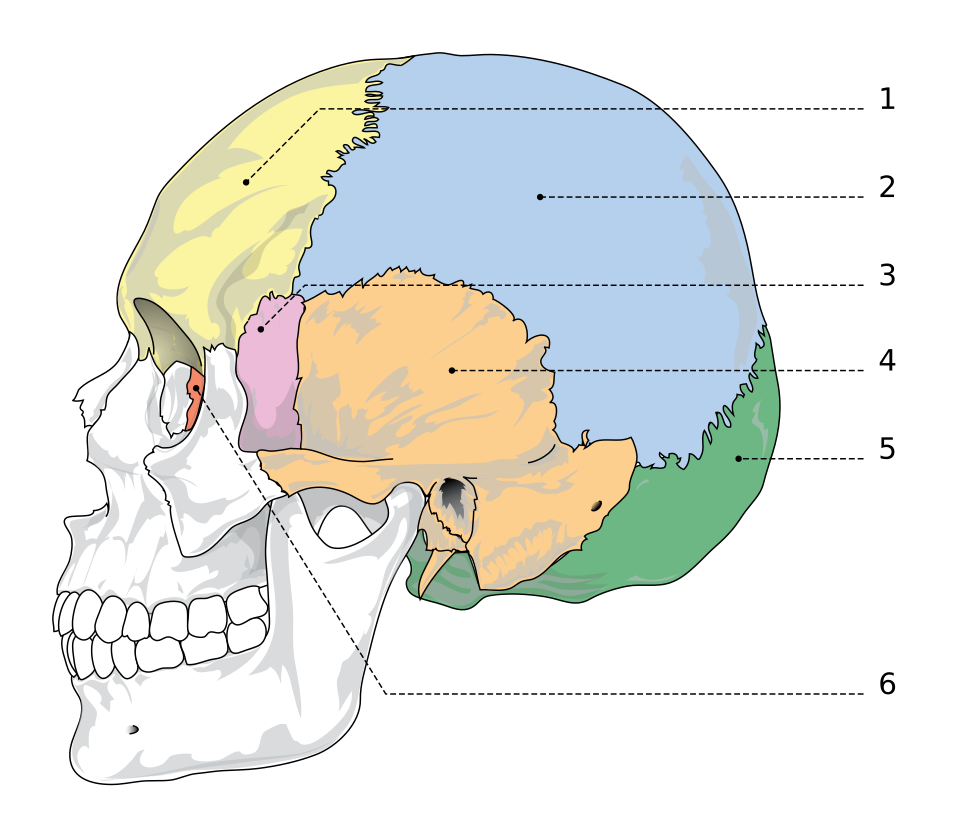
What is three
Sphenoid Plate
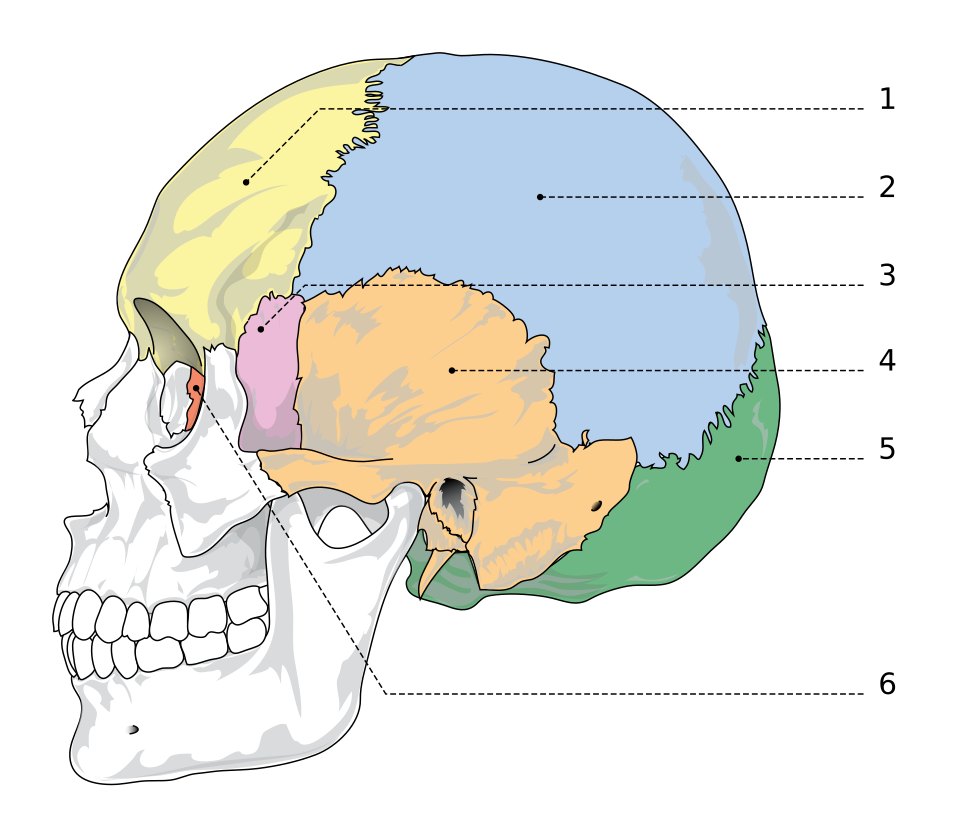
What is 4?
Temporal Plate
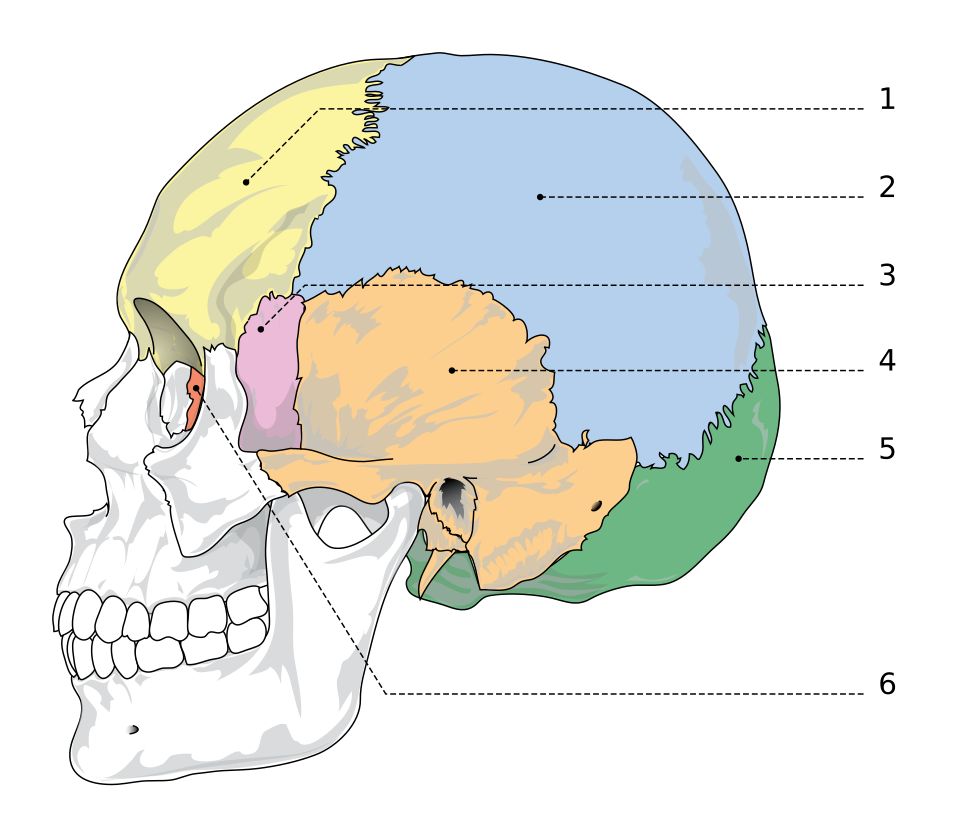
What is 5
Occipital Plate
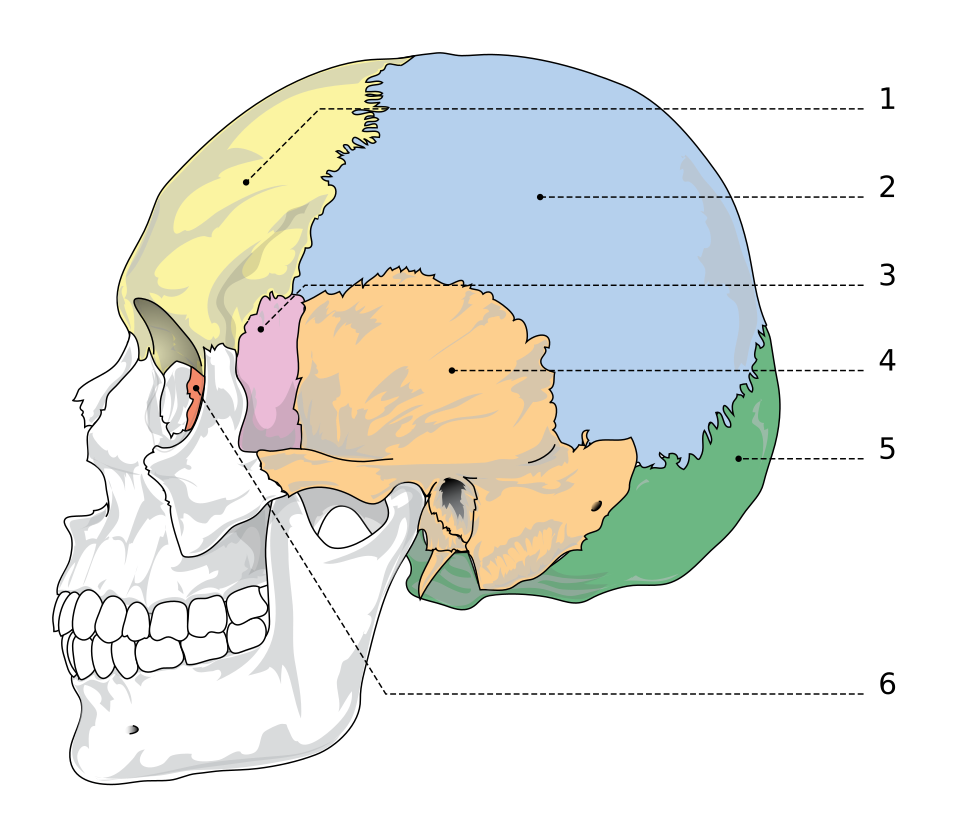
What is six?
Ethmoid Plate

What is 4 in this diagram?
Nasal plate

What is 7?
Lacrimal Plate

What is 12?
Zygomatic Plate
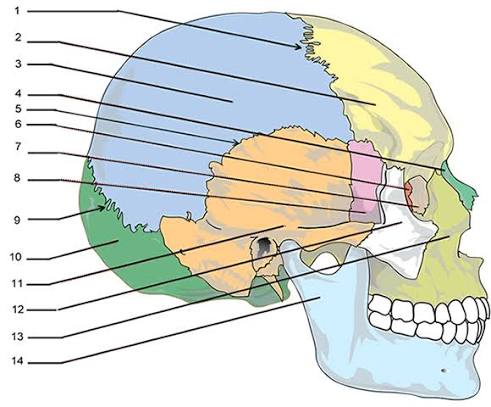
What is 13?
Maxilla plate

What is 14?
Mandible plate
What is the function of the soft pallet?
It allows the ability to make nasal sounds (like M or N) and to ensure that no food or water comes out of your nose when you are eating or drinking.
What is the principal muscle of inspiration?
Diaphram
What is the role of the Extrinsic Laryngeal Muscles?
Support and stabilize the larynx and change positions
What structures form the vocal tract?
all of the above
Primary function of respiratory system?
Supply oxygen to blood and removal of carbon dioxide
Newborns have about ___ skull bones?
45