PCC IV Final Exam
 Call Kai
 Learn
 Practice Test
 Spaced Repetition
 Match
 Flashcards
 Knowt Play
1/123

There's no tags or description
Looks like no tags are added yet.
124 Terms

In the provided acceleration-deceleration mechanism diagram, what distinguishes a coup injury from a contrecoup injury?
A coup injury is the primary injury occurring at the site of the impact/blow, whereas a contrecoup injury is the secondary injury occurring on the opposite side of the brain from the counter-blow.
What two critical substances does the brain require a continuous supply of to maintain viability?
Glucose and oxygen.
What are the normal percentage proportions of the three cranial components inside the skull?
Brain tissue accounts for 78%, intravascular blood accounts for 12%, and cerebrospinal fluid (CSF) accounts for 10%.
Where is an epidural hematoma located anatomically, and how is its bleeding rate characterized compared to a subdural hematoma?
An epidural hematoma is located between the skull and the dura mater and is characterized as a not as fast bleed.
Where is a subdural hematoma located anatomically, and how is its bleeding rate characterized?
A subdural hematoma is located beneath the dura mater and above the arachnoid mater, presenting as a faster bleed.
What mechanical forces cause diffuse axonal injury (DAI), and what is the typical cognitive outcome?
Flexion and rotation forces cause axonal shearing, resulting in poor recovery with loss of cognition and serious brain trauma.
What are the two classic ecchymotic assessment signs of a basilar skull fracture?
Battle's sign (mastoid ecchymosis / bruising behind the ear) and raccoon eyes (periorbital ecchymosis / bruising around the eyes).
What four major clinical risks are associated with a basilar skull fracture?
Infection, cerebrospinal fluid (CSF) leak, cranial nerve dysfunction, and brainstem dysfunction.
Why are nose blowing, nasogastric (NG) tube placement, and nasopharyngeal suctioning contraindicated in a patient with a basilar skull fracture?
They carry a severe risk of precipitating or worsening a CSF leak, inducing bleeding, increasing intracranial pressure (ICP), or entering the cranial cavity.
How should active drainage of cerebrospinal fluid (CSF) from the nose or ear be managed by the nurse?
Do not pack or stop the drainage; collect the fluid loosely with sterile gauze.
What three functional assessment categories comprise the Glasgow Coma Scale (GCS)?
Eye opening response, verbal response, and motor response.
How are Glasgow Coma Scale (GCS) total scores interpreted regarding head injury severity?
A score of 3–8 indicates severe brain injury (<8 is comatose requiring intubation; 3 indicates deep coma or death), 9–12 indicates moderate injury, and 13–15 indicates mild injury.
What is the normal physiologic range for intracranial pressure (ICP)?
0–15mmHg.
What is Cerebral Perfusion Pressure (CPP), and what occurs when CPP is pathologically too low or too high?
CPP is the pressure required to pump blood from the heart to the brain; if it is too low, brain ischemia develops, and if it is too high, vascular congestion occurs.
What three clinical vital sign findings constitute Cushing's triad in late increased ICP/herniation?
A widening pulse pressure, irregular respirations, and bradycardia.
What are early clinical signs of increased intracranial pressure?
Behavioral changes, irritability, restlessness, mental slowness, drowsiness, nausea/vomiting, and headache.
What late pupillary sign is caused by herniation compressing cranial nerve III?
A unilateral fixed and dilated pupil.
What distinguishes decorticate posturing from decerebrate posturing, and which represents worse neurologic deterioration?
Decorticate involves flexion and internal rotation of the limbs toward the core, whereas decerebrate involves extension and pronation of limbs straightened out; decerebrate is the worse of the two.

How should the patient's head and bed be positioned to optimize cerebral venous outflow and lower ICP?
Elevate the head of bed (HOB) above 30∘ and maintain the head and neck in a neutral, midline alignment to prevent compression of the jugular veins.
How does intentional hyperventilation affect arterial blood gases and intracranial pressure in an intubated patient?
Decreasing PaCO2 causes cerebral vasoconstriction, which decreases cerebral blood flow and rapidly decreases ICP.
What three routine stimulating activities should be minimized or clustered to avoid precipitating ICP spikes?
Suctioning, coughing, and turning.
What is the mechanism of action, onset, peak, and administration requirement for mannitol in treating increased ICP?
Mannitol is an osmotic diuretic that draws fluid out of brain tissue into the intravascular space; it must be administered using a filter IV set, starts working within 5–10minutes, and peaks at 60minutes.
What concentrations of hypertonic saline are utilized to treat increased ICP, and what parameters require careful monitoring?
Hypertonic saline is administered at 2%, 3%, or 5%\,; serum osmolality, serum sodium, and level of consciousness must be monitored, and it must be administered very slowly over days.
Why are loop diuretics administered for elevated ICP, and what lab values must be monitored?
They reduce general circulating blood volume to lower ICP; the nurse must monitor renal function and serum potassium, sodium, magnesium, and chloride levels.
What is the hallmark clinical presentation of a ruptured cerebral aneurysm causing a subarachnoid hemorrhage?
A sudden, severe headache.
How does the Hunt and Hess grading scale classify Grade I and Grade II subarachnoid hemorrhages?
Grade I is asymptomatic or presents with a slight headache and neck stiffness; Grade II presents with headache, neck stiffness, and cranial nerve deficit.
How does the Hunt and Hess grading scale classify Grade III, Grade IV, and Grade V subarachnoid hemorrhages?
Grade III presents with headache, neck stiffness, focal motor deficit, and lethargy; Grade IV is stuporous with dense hemiparesis or posturing; Grade V is comatose, posturing, and moribund.
What anatomic injury defines a flail chest, and what is its hallmark physical examination finding?
Three or more adjacent ribs fractured in two or more places; the hallmark finding is paradoxical chest wall movement.

What is the hallmark assessment sign of a tension pneumothorax?
Tracheal deviation toward the unaffected side.
What is the immediate emergency intervention for a tension pneumothorax prior to chest tube placement?
Immediate needle decompression at the second intercostal space along the midclavicular line.

In the provided chest drainage unit diagram, what are the three distinct chambers and their primary functions?
The fluid collection chamber collects blood/fluid from the pleural space; the water-seal chamber allows evacuated air to escape while preventing atmospheric backflow; and the suction-control chamber limits wall suction to a safe level (such as −20cmH2O).
What two safety supplies must always be available at the bedside of a client with a chest tube?
Petroleum jelly gauze and a bottle of sterile water.
What is normal tidaling in a water-seal chamber, and what do its cessation or reversal signify?
Tidaling is the normal fluid rise on inspiration and fall on expiration (reversed during mechanical ventilation); cessation indicates that the lung has fully re-expanded or that the drainage tubing is kinked or occluded.
What is the initial priority intervention in the emergency management of a severe burn victim?
Assessing and securing the airway and breathing, because heat, smoke, or debris inhalation can cause rapid airway swelling and obstruction.
What is the Parkland formula for calculating 24-hour fluid resuscitation in burn trauma?
2–4mL×patient weight in kg×%TBSA burned, with half administered over the first 8hours post-injury and the remaining half administered over the subsequent 16hours.
What bedside clinical measurement serves as the best indicator of organ perfusion and fluid resuscitation adequacy in burns?
Hourly urine output.
What are early versus late signs of compartment syndrome?
Early signs are pain out of proportion to the injury, pain increasing with passive stretch, tight tense swelling, and tingling/burning; late signs are numbness, paralysis, and absent pulses.
What is the procedural difference between an escharotomy and a fasciotomy?
An escharotomy cuts through tight, leathery burned tissue (eschar), whereas a fasciotomy cuts through the deep muscle fascia surrounding a muscle compartment.
How is spinal shock defined, and how is it distinct from neurogenic shock?
Spinal shock is a temporary, non-hemodynamic loss or suppression of all neurologic reflex, motor, sensory, and autonomic function below the injury
Neurogenic shock is a hemodynamic consequence of lost sympathetic vascular tone resulting in vasodilation, hypotension, bradycardia, and hypothermia.
What is the clinical definition and purpose of cervical traction?
A controlled pulling force applied to help align and stabilize the cervical spine.
What is the priority assessment for a client with an acute cervical spinal cord injury?
Respiratory status (monitoring breath sounds, ABGs, tidal volume, skin color, breathing patterns, sputum characteristics, and subjective work of breathing).
What simple bedside assessment test evaluates respiratory endurance and diaphragmatic adequacy in SCI?
Assessing the patient's ability to count to 20 aloud without pausing to take a breath.
Why are headache and marked diaphoresis on the face and arms concerning in a client with an SCI at T2?
T2 is well above T6, and facial sweating accompanied by severe headache indicates autonomic dysreflexia triggered below the lesion.
Why is monitoring for bradycardia with hypoxemia the top priority following an acute SCI at T4?
Bradycardia combined with hypoxemia directly threatens oxygen delivery and circulating volume, representing an immediate threat to the ABC priorities.
What age group is highlighted as the primary demographic risk factor for traumatic spinal cord injury?
Ages 16–18years.
How many vertebrae comprise the cervical, thoracic, lumbar, sacral, and coccygeal sections of the spine?
7 cervical, 12 thoracic, 5 lumbar, 5 fused sacral, and 4 fused coccygeal vertebrae.
How rapidly can neurogenic shock occur following trauma, and how long does it persist?
It can occur within 30minutes of injury and can last up to 3weeks or 6weeks
What is the typical clinical duration of spinal shock?
Days to weeks.
What target mean arterial pressure (MAP) should be maintained during the management of spinal cord injury to prevent ischemia?
At least 85mmHg (or >80–85mmHg).
At or above what spinal cord level does autonomic dysreflexia occur?
T6 or above.

What peak systolic blood pressure and low heart rate can occur during severe autonomic dysreflexia?
Systolic blood pressure can reach up to 300mmHg, and heart rate can drop as low as 30–40beats/min.
How should a patient be positioned during an episode of autonomic dysreflexia?
Elevate the head of bed to 90∘ with legs placed in a dependent position to promote venous pooling and decrease blood pressure.
Which nursing actions were matched with increased ICP/decreased gas exchange and increased brain swelling/damage?
Elevating the head of bed above 30∘ for increased ICP and decreased gas exchange; hourly neurologic checks for brain swelling and damage.
What intervention was matched with preventing venous thromboembolism (VTE)?
Pneumatic stockings.
Which orders were classified on the slide as Emergent?
Chest X-ray to confirm ET tube placement, prepare for central line insertion, and notify radiology of emergent head and neck CT.
Which nursing action was specifically classified as contraindicated in the initial trauma bay?
Raise HOB 30∘ (contraindicated prior to complete spinal clearance).
What interventions were matched for ventilator-acquired pneumonia, impaired tissue integrity, and aspiration?
Prophylactic IV antibiotics for ventilator-acquired pneumonia; reposition every two hours for tissue integrity; insert an oral-gastric tube for aspiration.
What acute findings were identified when the ventilator alarm sounded for the ICU pt?
Low oxygenation, hypertension, tachycardia, and high peak inspiratory pressure (PIP).
What clinical documentation frequency modification was made on the chest tube safety slide?
Documentation of drainage amount, color, and characteristics was changed from daily to every shift.
What emergency action must the nurse take if a chest tube becomes accidentally disconnected from the drainage system?
Immediately submerge the distal open end of the chest tube into a bottle of sterile water to re-establish a water seal.
What does vigorous, continuous bubbling in the water-seal chamber of a chest drainage unit signify?
An air leak within the closed system or patient tubing.
Why is stripping a chest tube explicitly contraindicated in chest trauma care?
Stripping generates excessively high negative intrathoracic pressures that can cause severe mechanical damage to pleural and lung tissue.
What percentage of Americans support organ donation compared to the percentage that are actually registered donors?
About 95% support donation, but only about half (50%) are registered.
How frequently is a new individual added to the organ waiting list, and how many people die each day waiting for an organ?
A person is added every 10minutes, and 20people die each day.
How many lives can potentially be saved by a single deceased organ donor?
Up to eight (8) lives.
What was the significance of the Uniform Anatomical Gift Act (UAGA) enacted in 1968 and revised in 2006?
It standardized anatomical donation procedures and legally recognized donor cards as valid consent across all 50 states.
What entities and legal mandates were enacted under the National Organ Transplant Act (1984/1990)?
It established the Organ Procurement and Transplantation Network (OPTN), the transplant task force, and the Scientific Registry of Transplant Recipients (SRTR), and strictly prohibited the sale of human organs.
What right was promoted by the Patient Self-Determination Act of 1990 in relation to organ donation?
It established patients' rights to participate in healthcare decisions and promoted early discussions and execution of advance directives and living wills.
What legal milestone was established by the Uniform Determination of Death Act in 1980?
It legally recognized irreversible brain death as human death.
What six factors govern the computerized matching and allocation of donor organs through UNOS?
Blood type, body size, medical severity of the recipient, geographic distance between donor and recipient hospitals, time spent on the waiting list, and immediate availability/suitability of the recipient.
What six major solid organs can be recovered from an organ donor for transplantation?
Heart, lungs, kidneys, liver, intestines, and pancreas.
What six tissues can be recovered from a tissue donor?
Corneas, tendons, heart valves, veins, skin, and bones.
Which solid organs or portions of organs can be donated by a living donor?
One kidney, a liver lobe (which regenerates), one lung or a lung lobe, and part of the pancreas or intestines.
What tissues and cells can be recovered from living individuals for donation?
Skin (following procedures like tummy tucks), bone (after hip or knee replacements), bone marrow, healthy umbilical cord blood cells, amnion (after childbirth), and blood components (WBCs, RBCs, platelets).
What clinical conditions define Donation after Circulatory Death (DCD)?
Donation that occurs following irreversible cessation of circulatory and respiratory function, often involving patients with severe, nonsurvivable brain damage who do not fulfill formal brain-death criteria.
What proportion of individuals who die meet the criteria to donate organs after brain death (DBD)?
3in1,000people.
How is brain death formally defined in clinical and legal practice?
The irreversible loss of all brain function, including the brainstem.
What core body temperature and blood pressure thresholds are required prerequisites before performing a brain-death evaluation?
Core body temperature must be above 36∘C, and systolic blood pressure must be at least 100mmHg.
What toxicology prerequisite is required if a barbiturate was administered prior to brain-death testing?
The serum barbiturate level must be documented below 10μg/mL.
What seven cranial nerve brainstem reflexes must be confirmed absent on the brain-death checklist?
Pupillary light reflex, corneal reflex, oculocephalic (doll's eyes) reflex, oculovestibular (cold caloric) reflex, facial grimace to painful stimulus, gag reflex, and cough reflex during deep tracheal suctioning.
Does the presence of deep tendon or spinal reflexes preclude the diagnosis of brain death?
No; spontaneous spinal reflexes may remain intact and do not rule out brain death, provided cerebral motor responses to pain are absent in all four limbs.
How is the patient preoxygenated prior to apnea testing for brain death?
Preoxygenate with 100%FiO2 for more than 10minutes to achieve a PaO2>200mmHg with PEEP maintained at 5cmH2O, while baseline PaCO2 is set between 34–45mmHg.
How is continuous oxygen supplied during ventilator disconnection in an apnea test?
Via an insufflation catheter delivering oxygen at 6L/min or a T-piece supplying CPAP at 10cmH2O.
What ABG findings define a positive, confirmatory apnea test endpoint for brain death?
No spontaneous respiratory effort accompanied by an arterial PaCO2≥60mmHg or an increase of at least 20mmHg above baseline.
Which four ancillary confirmatory tests are listed when clinical brain-death testing or apnea testing cannot be completed?
Cerebral angiogram, HMPAO SPECT, electroencephalogram (EEG), and transcranial Doppler (TCD).
What is the acceptable cold ischemic preservation time for a donor kidney?
24–36hours.
What is the acceptable preservation time for a donor pancreas?
12–18hours.
What is the acceptable cold preservation time for a donor liver?
8–12hours.
What is the acceptable cold preservation time for donor heart and lungs?
4–6hours.
What two clinical situations mandate immediate reporting to the Organ Procurement Organization (OPO)?
All patient deaths within 1hour, and any ventilated patient who exhibits acute loss of brainstem reflexes.
What is the nurse's role regarding conversations about organ donation options with the family?
The nurse must refer all donation conversations and questions to the Organ Procurement Organization (OPO) representative rather than approaching the family independently.
What are the first four legal surrogate priorities for organ donation consent when no direct advance directive exists?
Healthcare agent (DPOA), 2. Spouse, 3. Adult children, 4. Parents.
What are positions five through eight in the legal organ donation consent hierarchy?
Adult siblings, 6. Adult grandchildren, 7. Grandparents, 8. Legal guardian of the person.
What are the final two surrogate tiers on the legal donation consent list?
An adult who exhibited special care or concern at the time of death (excluding healthcare personnel), and 10. Any other person authorized to handle disposition of the body.
What seven distinct pathological types of spinal cord damage are described in SCI?
Concussion, contusion, compression, tearing, laceration, transection, and ischemia.
What are the five primary mechanisms of spinal cord injury?
Flexion (forward bending), hyperextension (excessive backward bending), compression, flexion-rotation (bending combined with twisting), and direct trauma.
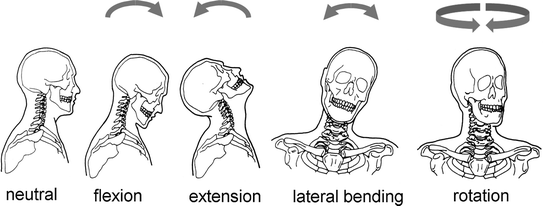
Why are cervical and lumbar spine injuries the most common clinical presentations in SCI?
Because the cervical and lumbar regions possess the greatest anatomical flexibility and range of movement.
What functional motor deficits distinguish a C4 spinal cord injury from a C6 injury?
A C4 injury results in complete tetraplegia below the neck, whereas a C6 injury results in partial paralysis of the hands and arms as well as the lower body.
What functional motor deficits distinguish a T6 spinal cord injury from an L1 injury?
A T6 injury produces paraplegia with paralysis below the chest, whereas an L1 injury produces paraplegia with paralysis below the waist.
What is the functional difference between a complete and an incomplete spinal cord injury?
A complete injury causes total loss of both sensory and motor function below the level of the lesion, whereas an incomplete injury involves mixed loss with preservation of some voluntary motor activity or sensory tracts.