seidels chapter 14 (chest/lungs) skills unit 3
 Call Kai
 Learn
 Practice Test
 Spaced Repetition
 Match
 Flashcards
 Knowt Play
1/281

There's no tags or description
Looks like no tags are added yet.
282 Terms
what does the thorax consist of?
anteriorly: sternum, manubrium, xiphoid process, costal cartilages
laterally: 12 pairs of ribs
posteriorly: 12 thoracic vertebrae
ribs 1-7
attached anteriorly to sternum by costal cartilages
AKA TRUE RIBS
ribs 8, 9, 10
join w/ costal cartilages just above them
ribs 11 & 12
attach posteriorly but not anteriorly
AKA FLOATING RIBS
lateral diameter of the chest is _____ than AP diameter in adults
greater
what are the primary muscles of inspiration
diaphragm
intercostal
diaphragm's role during inspiration
contracts and moves DOWNWARD to lower abdominal contents to INCREASE interthoracic space

external intercostal muscle's role during inspiration
INCREASE AP chest diameter

internal intercostal muscle's role during expiration
DECREASE lateral diameter during forceful expiration

what accessory muscles can be used during exercise/pulmonary compromise to help w/ breathing
sternocleidomastoid
trapezius
3 major spaces of interior chest
right pleural cavity
left pleural cavity
mediastinum
what is the lingula
inferior tongue like protrusion on upper left lobe
oblique fissure
major fissure on each lung that divides upper and lower portions
lesser horizontal fissure
divides upper portion of right lung into upper and middle lobes @ 5th rib in axilla and 4th rib anteriorly
where do the apices of the lungs rise to
posteriorly to T1 level
where do the lower borders of the lung descend to during deep inspiration
T12 level
where do the lower borders of the lung rise to on forced expiration
T9 level
what is the tracheobronchial tree
tubular system which provides pathway along which air is filtered, humidified, and warmed as it moves from upper airway to alveoli
length and width of trachea
10-11 cm long and 2cm in diameter
location of trachea
anterior to esophagus and posterior to isthmus of thyroid

division of trachea
divides into right and left main bronchi at T4/T5 level and just below sternal angle
right bronchus is _________ than left bronchus and therefore more susceptible to aspiration of foreign bodies
right bronchus is wider, shorter, and more vertically placed than left bronchus
divisions of main bronchi
3 branches on right and 2 on left (each branch supplying lobe of lung)
bronchial branches divisions
subdivides into terminal bronchioles then into respiratory bronchioles
what supplies blood to lung tissue
bronchial arteries branch from anterior thoracic aorta and intercostal arteries
what closes in the fetal heart shortly after birth
foramen ovale and patent ductus arteriosus
why does the foramen ovale close after birth
the decrease in pulmonary pressure from the pulm arteries relaxing/expanding
why does patent ductus arteriosus close after birth
increased oxygen tension in arterial blood usually stimulates contraction and closure of PDA
what can a large patent ductus arteriosus sound like on a auscultation
machine like murmur
what can an open patent ductus arteriosis lead to as complications
left ventricular overload and heart failure
sputum characteristics of a bacterial infection
yellow, green, rust (blood mixed w/ yellow sputum), clear/transparent, purulent, blood streaked, sticky
sputum characteristics of a viral infection
blood streaked (not common)
sputum characteristics of chronic infectious diseases
can be any color
abundant in early morning
slight blood streaking w/ occasionally large amounts of blood
sputum characteristics of cancer
slight, persistent, and intermittently blood streaking
sputum characteristics of infarction
blood clotted + large amounts of blood
sputum characteristics of tuberculosis cavity
occasional large amounts of blood
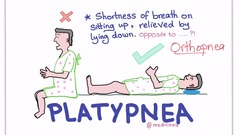
orthopnea
SOB that begins/increases when pt lies down (do they have to sleep on more than 1 pillow?)
paroxysmal nocturnal dyspnea
sudden onset of SOB after period of sleep - sitting upright is helpful

Platypnea
dyspnea increases in the upright position
chest pain does not generally originate in the heart when...
there is a constant achiness that lasts all day
it does not radiate
it is made worse by pressing on chest wall
it is a fleeting, needle-like jab that lasts only a few seconds
it is situated in shoulders or b/w shoulder blades
cocaine use can cause...
tachycardia
hypertension
coronary artery spasm (w/ infarction)
pneumothorax (severe acute chest pain)
barrel chest causes an ____ in AP diameter
increase in AP diameter

the AP diameter is _____ than the lateral diameter
less
expected thoracic AP to lateral ratio
0.70 to 0.75
what can cause barrel chest
progressing age
chronic asthma
emphysema
cystic fibrosis
pigeon chest is also called
pectus carinatum
(prominent steneral protrusion)

funnel chest is also called
pectus excavatum
(indentation of lower sternum above xiphoid process)

sequence of steps in examination of the chest and lungs
inspection, palpation, percussion, auscultation
dullness on percussion can indicate...
pleural effusion
lobar pneumonia
tactile fremitus is absent when...
effusion is present
tactile fremitus is increased with...
lobar pneumonia
what is the ratio of respirations to heartbeats
1:4
risk factors for respiratory disability
advancing age
family history of asthma, cystic fibrosis, Tb
smoking
sedentary lifestyle
occupational exposures to asbestos, dust, toxins
extreme obesity
weakened diaphragm and chest muscles (scoliosis, polymyositis)
tachypnea
persistent RR above 16
hyperventilation is often a symptom of protective splinting from...
broken rib or pleurisy
what can cause bradypnea (12 resp or less)
neurological or electrolyte disturbance
infection
conscious response to protect against pain of pleurisy or irritatives
good cardiorespiratory fitness
kussmaul breathing
rapid, deep, labored
respiratory effort associated w/ metabolic acidosis
Cheyne-stokes respiration
varying periods of increasing depth interspersed w/ apnea (crescendo-descrescendo sequence)
- children/adults can have this during sleep but it indicates illness otherwise (drug induced respiratory compromise or CHF)
the rate and depth of breathing will increase with...
acidosis (metabolic)
central nervous system lesions (pons & medulla)
anxiety
aspirin poisoning
oxygen need (hypoxemia)
pain
rate and depth of breathing will decrease with...
alkalosis (metabolic)
central nervous system lesions (cerebrum)
myasthenia gravis
narcotic overdose
extreme obesity
biot or ataxic respiration
irregular respirations varying in depth and interrupted by intervals of apnea lacking repetitive pattern of periodic respiration

biot respirations is associated with...
increased intracranial pressure
respiratory compromise from drug poisoning
brain damage at level of medulla
chest asymmetry can be associated with...
unequal expansion and respiratory compromise caused by pneumonia, collapsed lung, limited lung expansion from extrapleural air, fluid, mass
prolonged expiration and bulging on expiration are probably caused by...
airway outflow obstruction
valve like action of compression by tumor
aneurysm
enlarged heart
(all will cause costal angle to widen beyond 90 degrees)
primary apnea
self-limited condition not uncommon after blow to the head
noted immediately after birth of newborn who will breath spontaneously when sufficient carbon dioxide accumulates in circulation
secondary apnea
breathing stops and will not begin spontaneously unless resuscitative measures are made
any event that severely limits absorption of O2 into bloodstream will lead to secondary apnea
reflex apnea
when irritating/nausea provoking vapors/gases are inhaled there can be an involuntary and temporary halt to respiration
sleep apnea
periods of absent breathing and oxygenation during sleep
airflow not maintained through nose/mouth due to blockage when soft tissue in back of throat collapses during sleep
Apneustic breathing
long inspiration and expiration apnea
pons and medulla are affected = breathing becomes gasping bc inspirations are prolonged and expiration is constrained
periodic apnea of the newborn
normal condition of irregular pattern of rapid breathing interspersed w/ brief periods of apnea - usually associated w/ REM sleep
what are retractions
when chest wall seems to cave in at the sternum, b/w ribs, at suprasternal notch, above clavicles, and @ lowest costal margins
what do retractions suggest?
obstruction to inspiration at any point in respiratory tract
pathophys of retractions
as intrapleural pressure becomes more negative the muscles pull back in an effort to overcome blockage
when obstruction is high in respiratory tree (trachea/larynx involvement) breathing is characterized by...
stridor
(Stridor = Superior involvement)
paradoxical breathing makes the lower thorax ______ during ______
lower thorax is drawn in during inspiration
signs of upper airway obstruction
inspiratory stridor
hoarse cry/cough
flaring nostrils
retraction @suprasternal notch
signs of severe obstruction of upper airway
stridor on inspiration AND expiration
barking cough
more retractions
cyanosis
signs of obstruction above glottis
quieter stridor
muffled voice
difficulty swallowing
awkward position of head/neck to maintain airway
conditions associated with clubbing
emphysema
lung cancer
cirrhosis
cystic fibrosis
what does pleural rub feel like on palpation
palpable, coarse, grating vibration usually on inspiration
*feel of leather rubbing on leather*
what are the most useful PE findings for pleural effusion
dullness to percussion
decreased tactile fremitus
causes of decreased/absent fremitus
excess air in lungs: emphysema, pleural thickening/effusion, bronchial obstruction
causes of increased fremitus (coarser/rougher feeling)
fluids or solid mass within lungs
volume loss (from fibrosis or atelectasis) pulls the trachea ______
towards the affected lung
causes of trachea deviation away from affected side
thyroid enlargement
pleural effusion
trachea deviation w/ pneumothorax
pressure builds up on side of collapsed lung (tension pneumo) = deviation away from affected side
simple collapsed lung (not tension pneumo) = trachea deviated toward affected side
cause of posterior tracheal deviation
anterior mediastinal tumors
cause of anterior tracheal deviation
mediastinitis (inflammation of mediastinum)
what is the expected lung sound to be heard over all lung areas
resonance
associated causes of hyperresonance
hyperinflation: emphysema, pneumothorax, asthma
associated causes of hyporesonance (dullness)
pneumonia, atelectasis, pleural effusion, asthma
description of resonance sound
loud intensity, low pitch, long duration, and hollow quality
description of flat lung sound
soft intensity, high pitch, short duration, very dull quality
description of dull lung sound
medium intensity, medium-high pitch, medium duration, dull thud quality
description of tympanic lung sound
loud intensity, high pitch, medium duration, drum-like quality
description of hyperresonant lung sound
very loud intensity, very low pitch, longer duration, booming quality
what does sweet/fruity smelling breath indicate
diabetic ketoacidosis, starvation ketosis
what does fishy/stale smelling breath indicate
uremia (trimethylamies) - type of kidney failure
what does ammonia-like smelling breath indicate
uremia (ammonia) - type of kidney failure
what does musty fish/clover smelling breath indicate
fetor hepaticus: hepatic failure, portal vein thrombosis, portacaval shunts