Midterm Monuments List
 Call Kai
 Learn
 Practice Test
 Spaced Repetition
 Match
 Flashcards
 Knowt Play
1/46

Earn XP
Description and Tags
Vocabulary flashcards detailing key monuments, artworks, locations, dates, materials, and historical periods from the Midterm Monuments List.
47 Terms

Lion-Human
mammoth ivory sculpture
c. 30,000-26,000 BCE
southern Germany

Woman from Willendorf (so-called "Venus")
limestone sculpture
c. 24,000 BCE.
Austria

Chauvet Cave — including the Lion Panel, Long-Eared Owl, and Red Dots.
paint on limestone
c. 32,000 to 30,000 BCE
French

Lascaux Cave — including the Bird-Headed Man with Bison.
paint on limestone
c. 15,000 BCE
France

Pech-Merle Cave — featuring Spotted Horses and Human Hands.
paint on limestone
25,000-15,000 BCE
France

The Stele Code of Hammurabi
engraved black basalt stele
1792-1750 BCE
Babylonian/Mesopotamia/Iraq
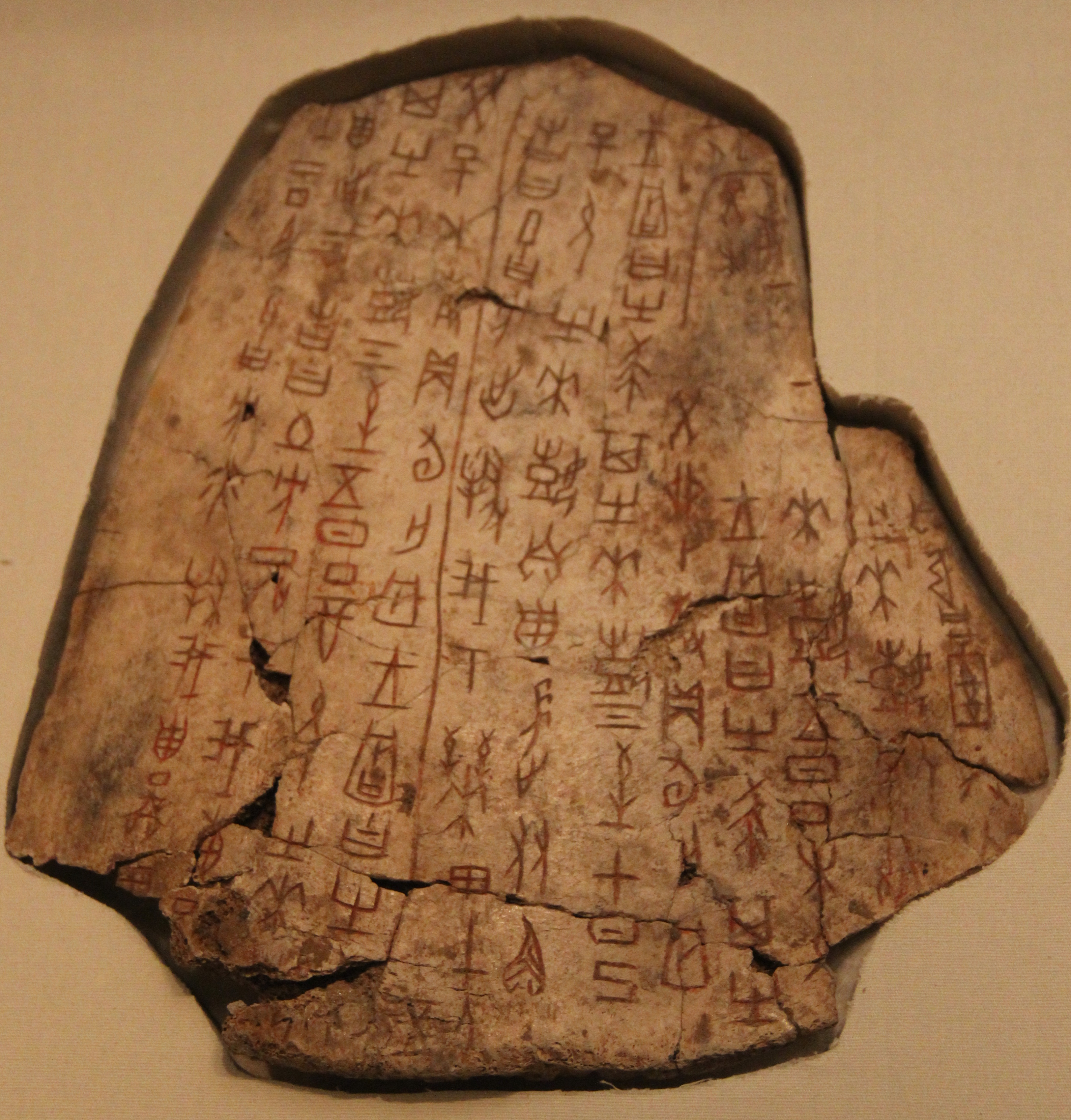
Oracle Bone
carved and branded ox scapula
16th century BCE
China, Late Shang Dynasty.

Victory stele of the King Naram-Sin
monument carved from pink limestone
c. 2220-2184 BCE
Akkadian/Mesopotamia/Iraq

Bronze head of Akkadian Ruler from Nineveh
bronze sculpture
c. 2340-2284 BCE
Akkadian from Nineveh/Iraq

The Palette of Narmer
slate object
3000 BCE
1st dynasty of Egypt
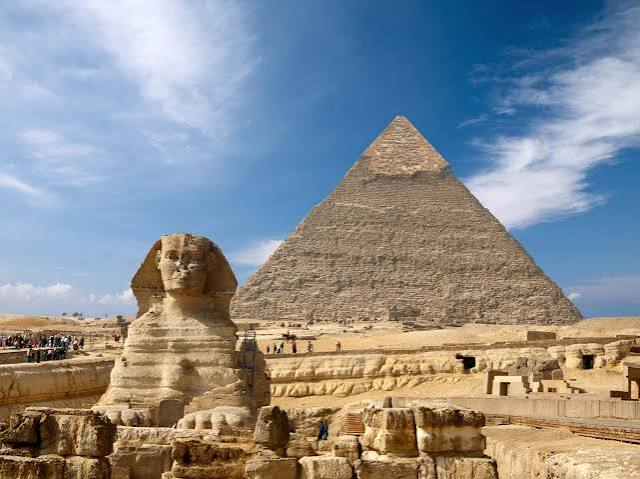
Great Pyramids & Sphinx of Giza
Monuments made of limestone with gilt pyramidion; includes Khafre and Sphinx
(Chefren, ca. 2575-2525 BC)
Egypt

Statue of Khafre (Chephren) from Giza
diorite sculpture
c. 2690-2130 BCE
Giza, Egypt, belonging to the 4th Dynasty of the Old Kingdom.

Mortuary Temple of Queen Hatshepsut
limestone monument — Dynasty XVIII
ca. 1478-1458 B.C.E.
located at Deir el-Bahri (near Thebes), Egypt

Large Kneeling Statue of Hatshepsut
granite statue
1478-1458 B.C.
Deir el-Bahri (near Thebes), Egypt
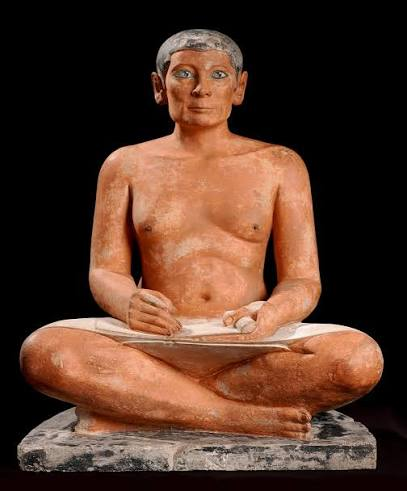
Statue of the Seated Scribe
painted limestone statue with inlaid eyes and wood nipples
c. 2620-2500 BCE.
Saqqara, Ancient Egypt

Votive cow, eye, and ear
Bronze or copper alloy objects
1479-1458 B.C.
Deir el-Bahri, Hatshepsut Hole
Standing male worshiper
A Sumerian sculpture made of alabaster and shell from Eshnunna (modern Tell Asmar), dating to ca. 2900-2600 B.C.
Terra Cotta Army
Qin Dynasty figures originally with paint from Xi'an, China, dating to ca. 221-210 BCE, commissioned by patron Qin Shihuang.
Tomb of the Marquise of Dai
A silk and ink artifact from the Han Dynasty, dating to ca. 180 BCE.
King Menkaure (Mycerinus) and queen
A grey sandstone statue from the Egyptian Old Kingdom, Dynasty 4 (2490–2472 B.C.E.).
Statue fragments of Senwosret III
Sculptural fragments from the Egyptian Middle Kingdom, 12th Dynasty, dating to c. 1850 BCE.
Queen Nefertiti (by Thutmose)
A polychromed limestone sculpture created by the sculptor Thutmose, dating to ca. 1350 B.C. [Dynasty XVIII].
Akhenaten, Nefertiti, and the Royal Princesses
A limestone sunk relief fragment from Tell el-Amarna [Dynasty XVIII], dating to ca. 1350 B.C.E.
Marble Statue of a Kouros (New York Kouros)
An archaic Greek marble statue dating to c. 590–580 B.C.E.
Kritios Boy
A marble sculpture from the Acropolis, Athens, dating to c. 480 B.C.E.
Doryphoros (Spear-Bearer)
A Classical Period Roman marble copy after a Greek bronze original from c. 450-440 B.C.E., sculpted by Polykleitos.
Parthenon
A temple in Athens constructed 447–432 B.C.E. by Iktinos and Kallikrates, with the sculptural program directed by Phidias.
The Great Altar of Zeus at Pergamon
A Hellenistic Greek marble monument dating to c. 200–150 B.C.E. featuring the Gigantomachy, Athena fighting Gaia's sons while Gaia emerges from below, and Zeus in battle with Giants.
Bonampak, Temple of the Murals (rooms 1 and 2)
A wall painting dedicated on November 11, 791 A.D., likely commissioned at the behest of Chan Muwan, ruler of Bonampak.
Dying Gaul and Gaul killing himself and his wife (The Ludovisi Gaul)
Marble Roman copies of 3rd Century B.C.E. Hellenistic bronzes commemorating Pergamon’s victory over the Gauls, likely from the Acropolis of Pergamon.
Barberini Faun
A marble sculpture from the Hellenistic Period, dating to c. 220 B.C.E.
Head of a Roman Patrician from Otricoli
A life-size marble portrait from Otricoli, dating to c. 75-70 BCE during Republican Rome.
Augustus of Primaporta
An Early Imperial Roman marble statue dating to the 1st century C.E.
Ara Pacis Augustae (Altar of Augustan Peace)
An Early Imperial Roman monument in Rome, Italy, dating to 9 B.C.E.
Colosseum (Flavian Amphitheater)
An Early Imperial Roman amphitheater in Rome dating to c. 70-80 C.E.
The Pantheon
A Middle Imperial Roman monument located in Rome, dating to c. 125.
Arch of Constantine
A triumphal arch in Rome dating to 312-315 C.E., constructed with marble, porphyry, and older spolia.
Basilica of Maxentius and Constantine (Basilica Nova)
A structure in the Roman Forum dating to c. 306-312 C.E., which housed the marble head and fragments from a colossal statue of Constantine (ca. 313-315).
Old Saint Peters Church
A church built under Constantine in 318-22, featuring a nave, narthex, side aisles, clerestory, apse, and colonnade.
Santa Costanza
A 354 structure located in Rome.
Hagia Sophia
A church in Istanbul built in 532-37 by Isidore of Miletus & Anthemius of Tralles for Emperor Justinian.
Cave 254 of the Magao Caves in Dunhuang, China
A Northern Wei Dynasty site dating to ca. 500 featuring wall painting and sculpture, including the Jataka Legend of the Tiger.
Tokali Kilise (Church of the Buckle)
A church in Cappadocia, Turkey, dating to the end of the 10th or early 11th century.
Church of St. George
A rock-cut church in Lalibela, Ethiopia, dating to the late 12th or early 13th century (late Zagwe dynasty).
Annunciation Icon
A Byzantine late 12th century panel painting with paint and gold ground from Saint Catherine's Monastery (Mount Sinai).
Theotokos and Child
An 867 mosaic located in Hagia Sophia (Istanbul).
Seated Bronze Buddha
A Gupta Period bronze sculpture from India dating to the late 6th to early 7th century.