BIO221 Zoology - Phylum Echinodermata
 Call Kai
 Learn
 Practice Test
 Spaced Repetition
 Match
 Flashcards
 Knowt Play
1/20

There's no tags or description
Looks like no tags are added yet.
21 Terms
What are the distinguishing features of phylum echinodermata?
-penta-radially symmetric as adults (bilateral larvae)
-endoskeleton composed of calcium carbonate osicles
-dermal branchiae for respiration (projections of epidermis)
-pedicellariae (pincher-like structures on surface)
-water vascular system (hydraulic system for locomotion)
Roles of echinoderms in the maintenance & collapse of kelp forests
-sea otters eat sea urchins. sea urchins eat kelp
-there is OVERPOPULATION of sea urchins & the otters cannot keep up
-abundance of sea urchins means more kelp being eaten >>> kelp forests deteriorating
Evolutionary position of echinoderms relative to other major phyla?
-sister to chordata
-have true tissues
-bilateral ancestrally
-blastopore develops into their anus during development
madreporite
sieve-like opening to water vascular system
pedicellariae
pincher-like structure that keeps surface clean
dermal branchiae
extensions of epidermis for respiration
ambulacral groove
grove which tube feet are enclosed
tube feet
-tube-like feet with sticky ends (not suction cups)
-stick to surfaces thru series of adhesive & de-adhesive chemicals
-retractor muscles can pool
spines
moveable projections, aid in locomotion
sensory tentacles
for chemoreception, located near eyespot
cardiac stomach
eversible stomach (turned inside out). enters prey and begins digestion externally, then absorbs nutrients with extracellular digestion predominant
pyloric stomach
for later digestion
water vascular system
hydraulic system for locomotion, food-gathering, O2 transport, and excretion (also derived from larval coelom)
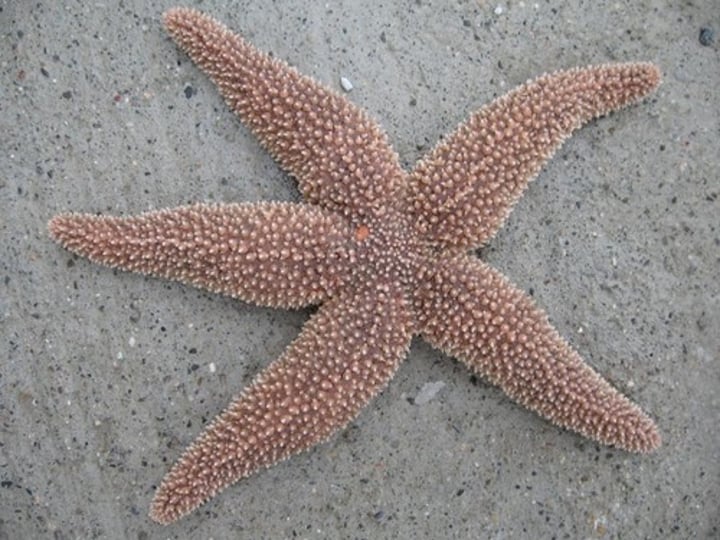
aboral surface (top)
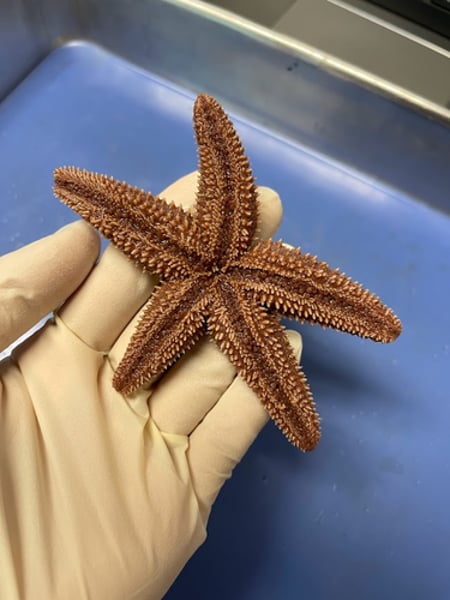
oral surface (bottom)
how do sea stars eat/move their tube feet?
valves in lateral canals close water off in ampullae > ampulla muscles contract, forcing water into tube feed & extending them > retractor muscles pull tube feet back, bringing water into ampullae > tube feet adhere to surfaces thru adhesive & de-adhesive chemicals
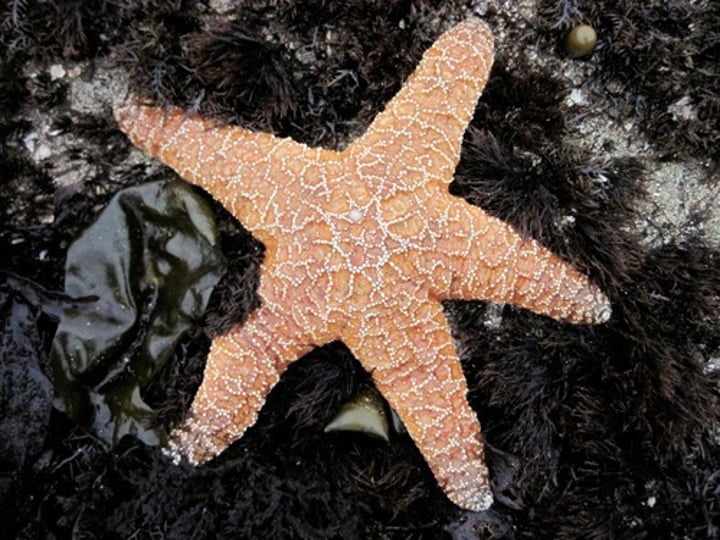
asteroidea
-ambulacral area=oral surface
-madreporite=aboral surface
-oral opening=faces substrate
ophiuroidea
-ambulacral area=covered in ossicles
-madreporite=oral surface
-oral opening=faces substrate
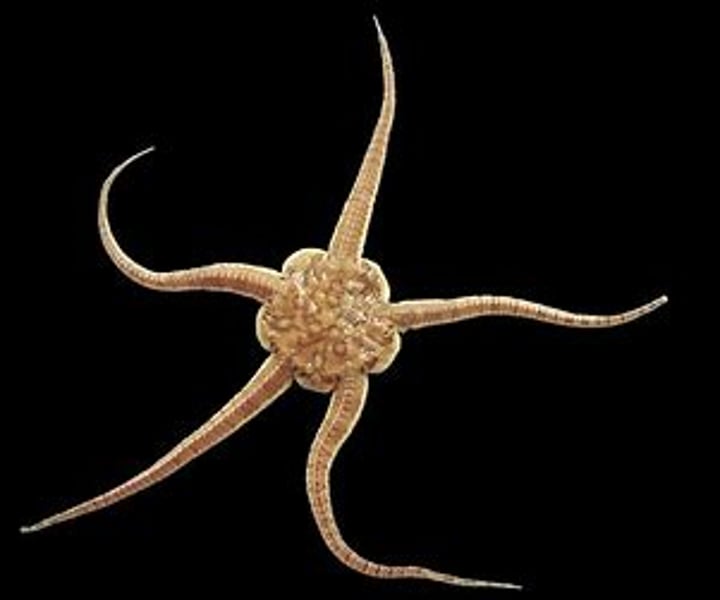
echinoidea
-ambulacral area=extend up towards anus
-madreporite=aboral surface
-oral opening=faces substrate -includes sanddollars
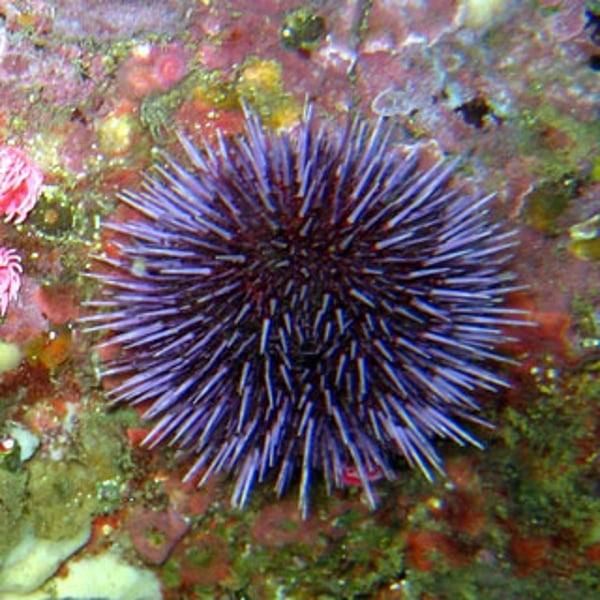
holothuroidea
-ambulacral area="ventral" surface
-madreporite=inside pharynx
-oral opening="anterior" with tentacles
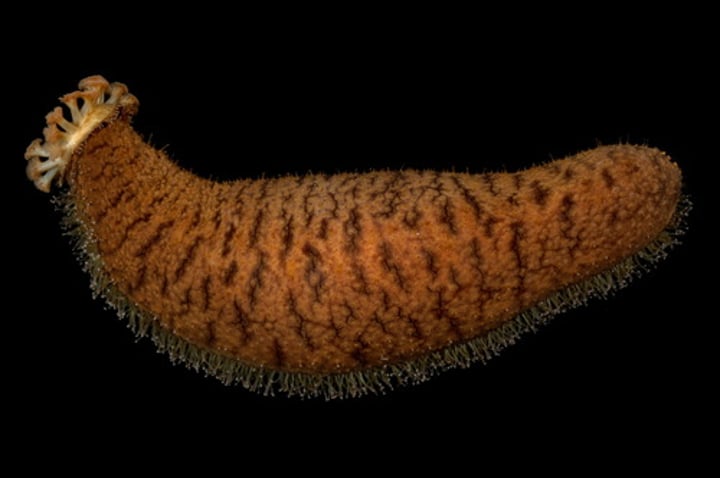
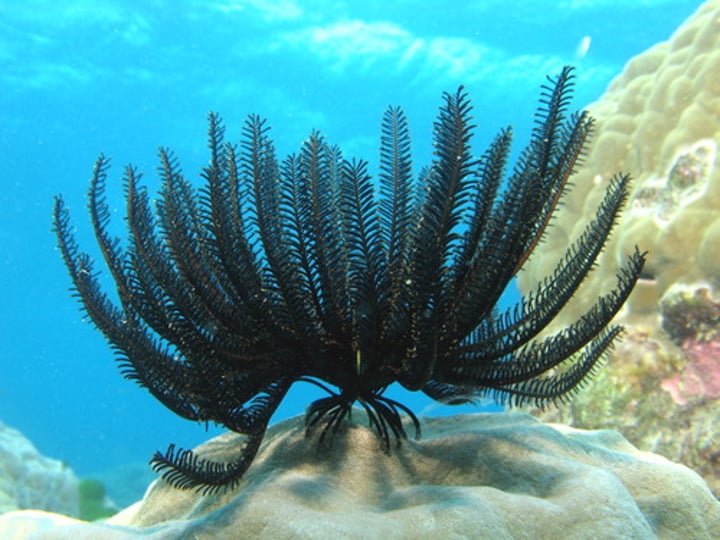
crinoidea
-ambulacral area=oral surface
-madreporite=absent
-oral opening=faces upright