Primates
 Call Kai
 Learn
 Practice Test
 Spaced Repetition
 Match
 Flashcards
 Knowt Play
1/51

Earn XP
Description and Tags
ANTA01, ANTB14, ANTD19
52 Terms
extinct vs extant vs extirpation
extant is not extinct
exterpied is local extinction

wehre are ther fossils and where are they living primates?

7 Characteristics of mammals:
• Hair
• Sweat glands, mammary glands
• Viviparous (live young)
• Long ontogenetic period
• Heterodont
• Endothermic
• Larger brain size - ↑capacity for learning and flexible
behavior
what makes primte hands and feet special? (6)
prehensile, pentadactyly, tactile pads at digit tips, flat nail on at least one digit), Dermatoglyohics with ridges(fingerprints), opposable toe or thumb.
whats special about primate skull eyes
presence of post orbtal bar, or or plate(half half_, or full closure
whats the importace of a Petrosally formed auditory bulla
the auditory bulla is formed entirely by the petrosal bone
this results in wither a tympanic ring or tympanic tube for some reason i dont understand #thatswhatigetforskipping
special vision traits of primates:
stereoscopic vision (3D), Binocular vision (forward facing), reduction in olfacition tradeoff for beter vision.
primate dentition generalized or specific?
very generalized, for omnivory
whats the dental formula tooth type order?
incisors, canines, premolars, molars, per mouth quadrant
are primates r-selected or k-selected?
K-selected (less offspring, more parental care)
describe primate ontogeny
they have a longer ontogeny: longer childhood period.
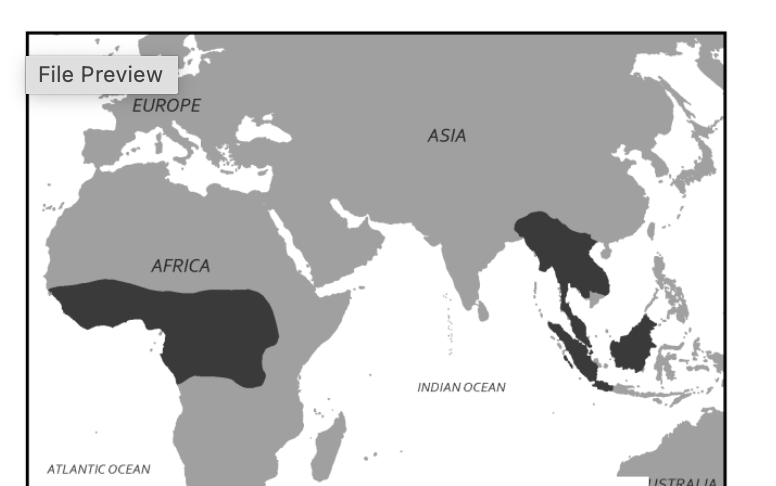
what kind of primate?
haplorhine, catarrhine, hominioids, Africa, Asia, slightly less than cercopithecoids

what kind of primate?
haplorhine, catyrrhine, cercopithecoids, Africa, Asia, but broader than hominoids
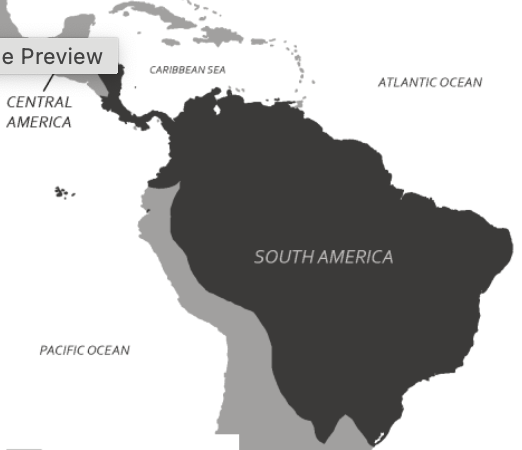
what kind of primate?
haplorhine, platyrrhines, Central and South America, Mexico

what kind of primate?
haplorhine, tarsiers, southease asia

what primate lives here
strepsirrhines
OWM and NWM are also called?
platyrrhines and catarrhines
three infraorders of Haplorrini?
tarsiiformes, platyrrhini and catarrhini
two superfamilies of catarrhini?
cercopithecoids and hominoids
explain hominoids, hominids, hominines, hominins
superfamily including gibbons and siamangs (apes), family including gorillas and orangutans (great apes), subfamily including chimps and bonobos, subtribe only including humans and bipedal relatives.
two suborders of primates, and differs?
happlorrhini dry nose and strepsirrhini wet nose
who has tapetum lucidum?
strepsirrhines
who has fused mandibular and frontal symphases?
haplorrhines
who has Post-orbital bar?
strepsirrhines
who has post orbital closure* and whos the exception?
haplorhines, exception is tarsiers with partial closure (plate)
who has retinal fovea and what does it do?
haplorhines and it improves visual acuity, close up vision good.
if it has a prehensile tail it must be what?
platyrrhine/NWM
who has tympanic tube and who doesnt?
OWM (catarrhini) has a tube, NWM has a ring (platyrrhines)
who has y-5 design on tooth cusps?
hominoids (apes)
if something doesnt have a tail, it must be a:
OWM, hominoid, ape
what diet would have large incisors?
frugivores (fruits)
what diet would have shearing crests between cusps?
foliovores
what diet would have small but sharp cusps on molars?
insectivores
what kind of moveemtn would a primate with equal arm and leg legth do?
terrestrial quadrupedding (mandrill)
what kind of moveemtn would a primate with arm >leg legth do?
brachiation (siamang)
what kind of moveemtn would a primate with arm <leg legth do?
vertical leaping and clinging (ex. galago)
as primates double in size, they become ____. what does this entail?
8x heavier. smaller monkeys have greater heat loss per unit body weight. must eat smaller amount og hight quality food MORE FREQUENLLY.
pxplain primate evolutionary ecology: (3)
bottom up: resource driven
Top-down: predator and prey- often monkeys in large groups with alarm calls. (prey adapts!)
some 4 predators of primates
reticulated python, raptors, leopards, jaguars
why do parimates have alarm calls despite it bringing attention to itself?
combined w living in groups= greater vigilance—> worth it
dilution effect: if theres more, less chance of it being me.
plants and primates describe
plants can develop adaptations to both attract and repel
primates pooping seeds= good (also gut microbes increase germination chance)
primates eat plants, esp. rich top leaves.
ecological niche vs ecosytem,
sum of all interactions betw living and non living, and where it occurs
explain the benefits of these forest microhabitats:
emergent layer, canopy, understorey
emergent layer: top! most fresh nutricious leaves, most fruit, but high predation rate
canopy: still lots of fruit, less predation risk
understorey: sap eating primates prefer
how does nich partitioning affect competition:
decreases
3 group living advs
higher vigilance
higher access to food
higher access to mates
4 group living disadv.s
increased predator encounters
more mouths to feed
higher cost to travel and forage
increased disease transimssion
correlation between brain isz and group living?
bigger brains bigger groups!
two biggest driving factors for primate pop decline
habitat disturance and hunting pressures
ontogeny vs epistomology: Nature of "Species"
onto: biological, what organisms have been found to do
epi: functional, how humans define and identify organisms to make sense of them.
what are chronospecies?
Simpson’s subdivisions of lineahes, like a sideways Y. reporductive possible adjacenlty, but does not mean reprod is possible betw 1-5 cause it may be too long.
Simpson trets taxon as ______________ _______________
reporductively cohesive
Simposon says that species DO exist amd are ______ _________
discrete packages