Bio Unit 1
 Call Kai
 Learn
Learn Practice Test
 Spaced Repetition
 Match
Match Flashcards
 Knowt Play
1/35

There's no tags or description
Looks like no tags are added yet.
Name | Mastery | Learn | Test | Matching | Spaced | Call with Kai | Chat |
|---|
No analytics yet
Send a link to your students to track their progress
36 Terms
Where are ribosomes found
Both prokaryotes and eukaryotes
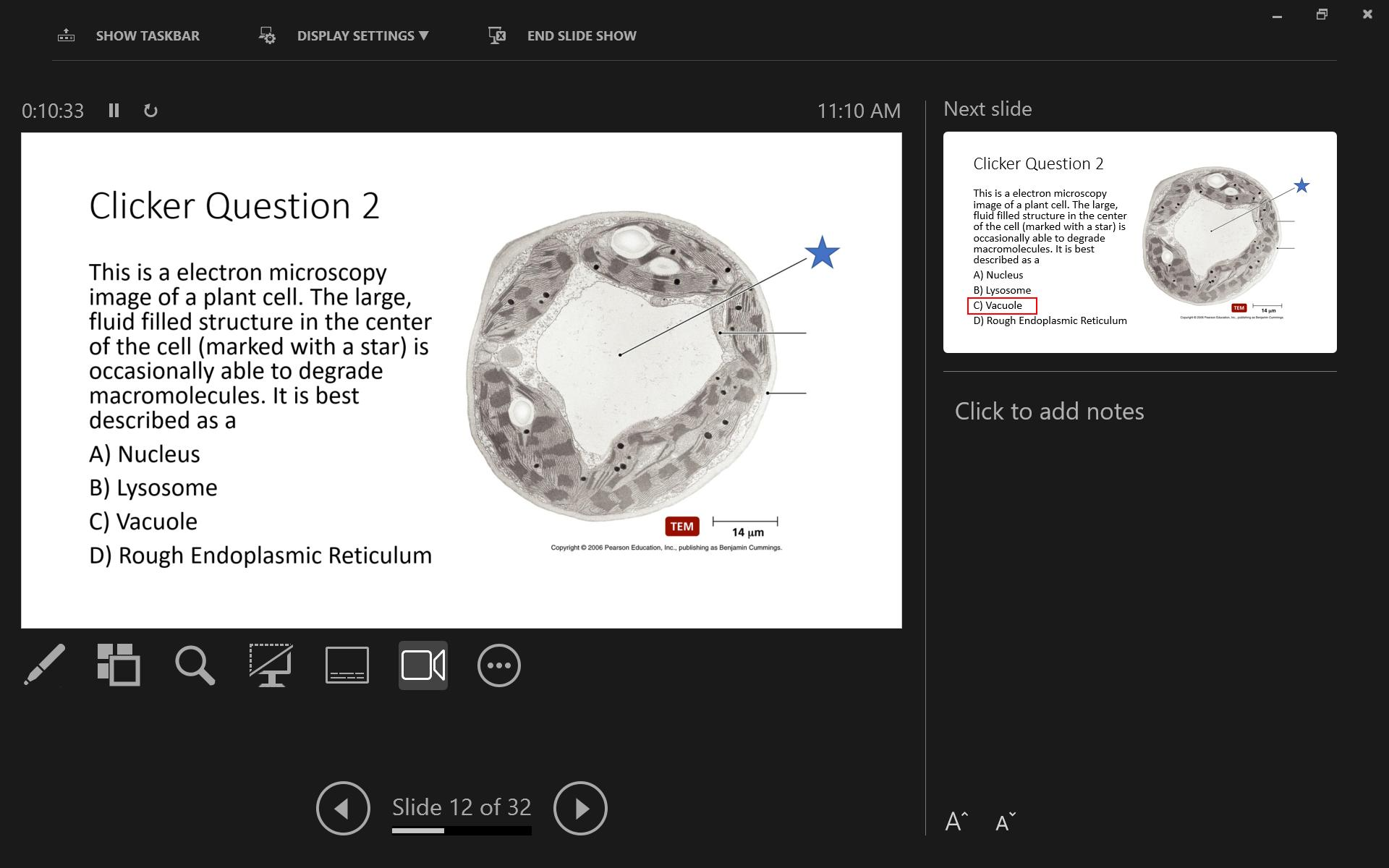
C
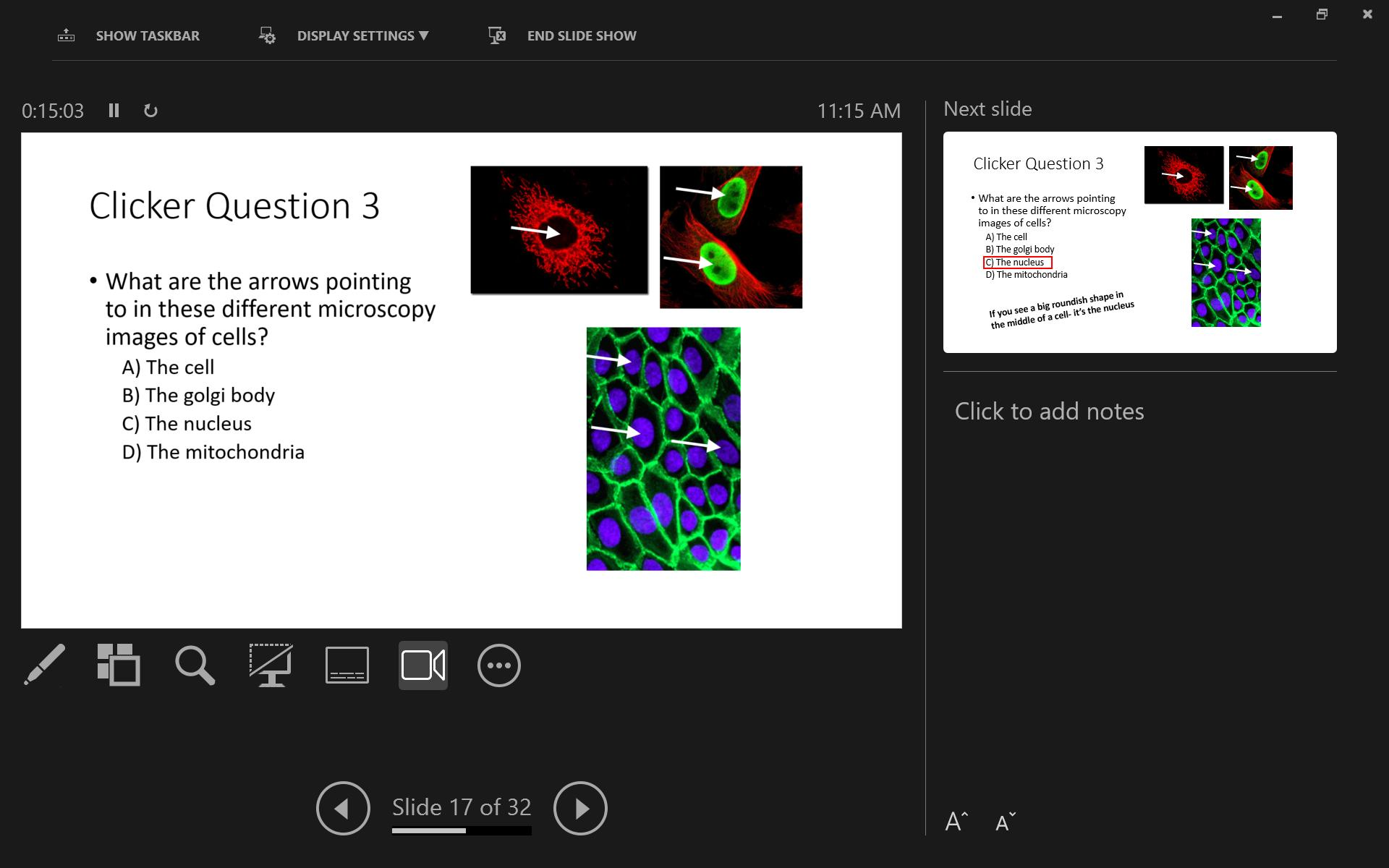
C

D

B

C

B
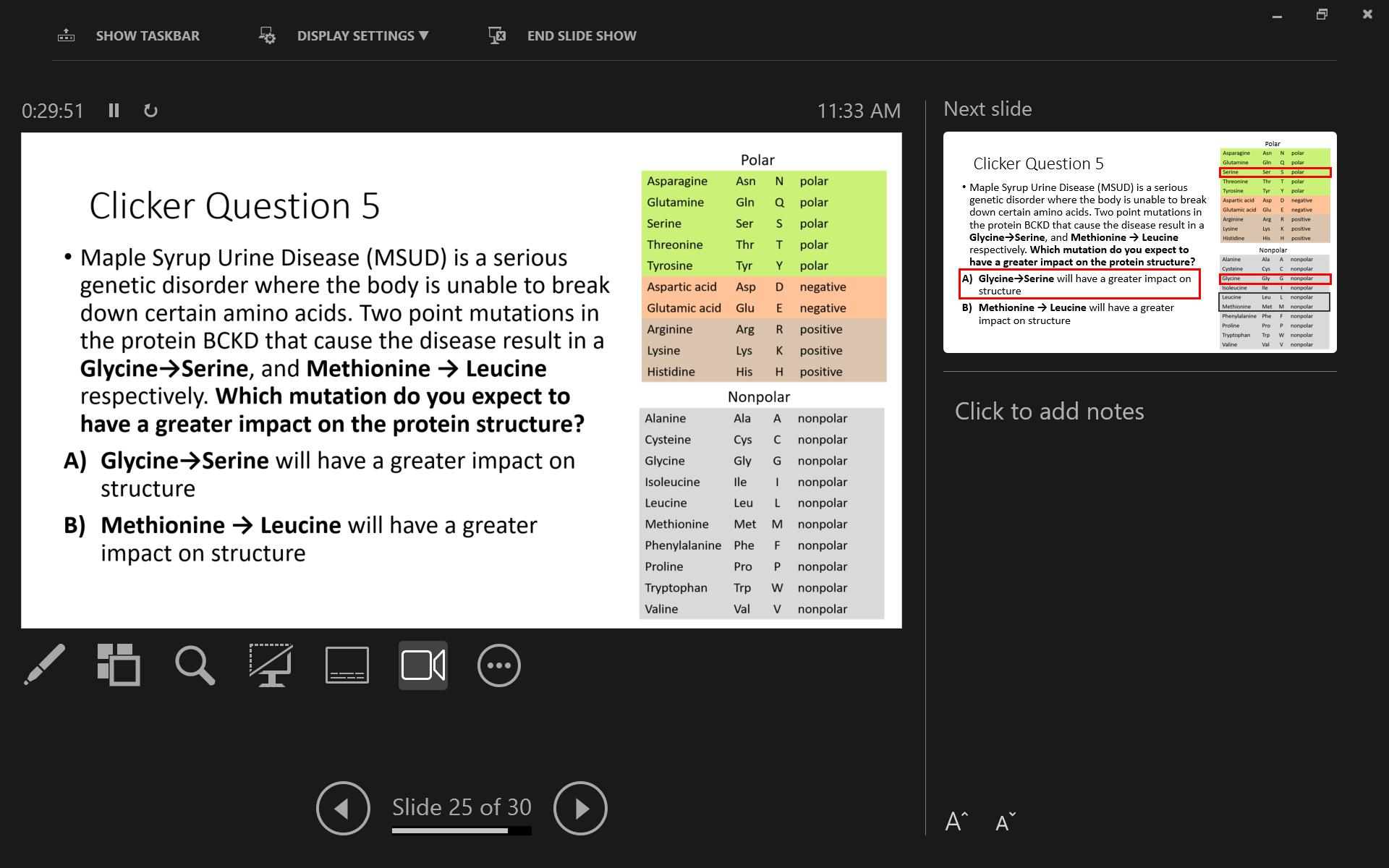
A
Deductive reasoning >
BIG concept applied to specific situation… ex. natural selection applies to virus
Inductive reasoning <
Specific detail used to build BIG concept… ex. Beaks on Darwin’s birds help concept of natural selection
Characteristics of living systems
Consists of cells
Store and process information DNA
Transform
Grow and reproduce
Adapt and evolve
Cell Theory
All organisms are composed of living cells
Cells are the smallest living things
Cells arise from pre-existing cells
Changing electrons
ION
Change neutrons
ISOTOPE
Change protons
Get new element
Hydrophobic
No partial charge (non polar), avoids water
Hydrophilic
Partially charged (polar), plays well with water
Every step on the pH scale is
tenfold
Lower pH means
higher concentration of hydrogen ions (H+)
If seawater has a pH of 8, and water has a pH of 7, which has more parts hydrogen ions?
Water
How many fold more hydrogen ions does hydrochloric acid (1) have compared to pure water (7)?
1,000,000
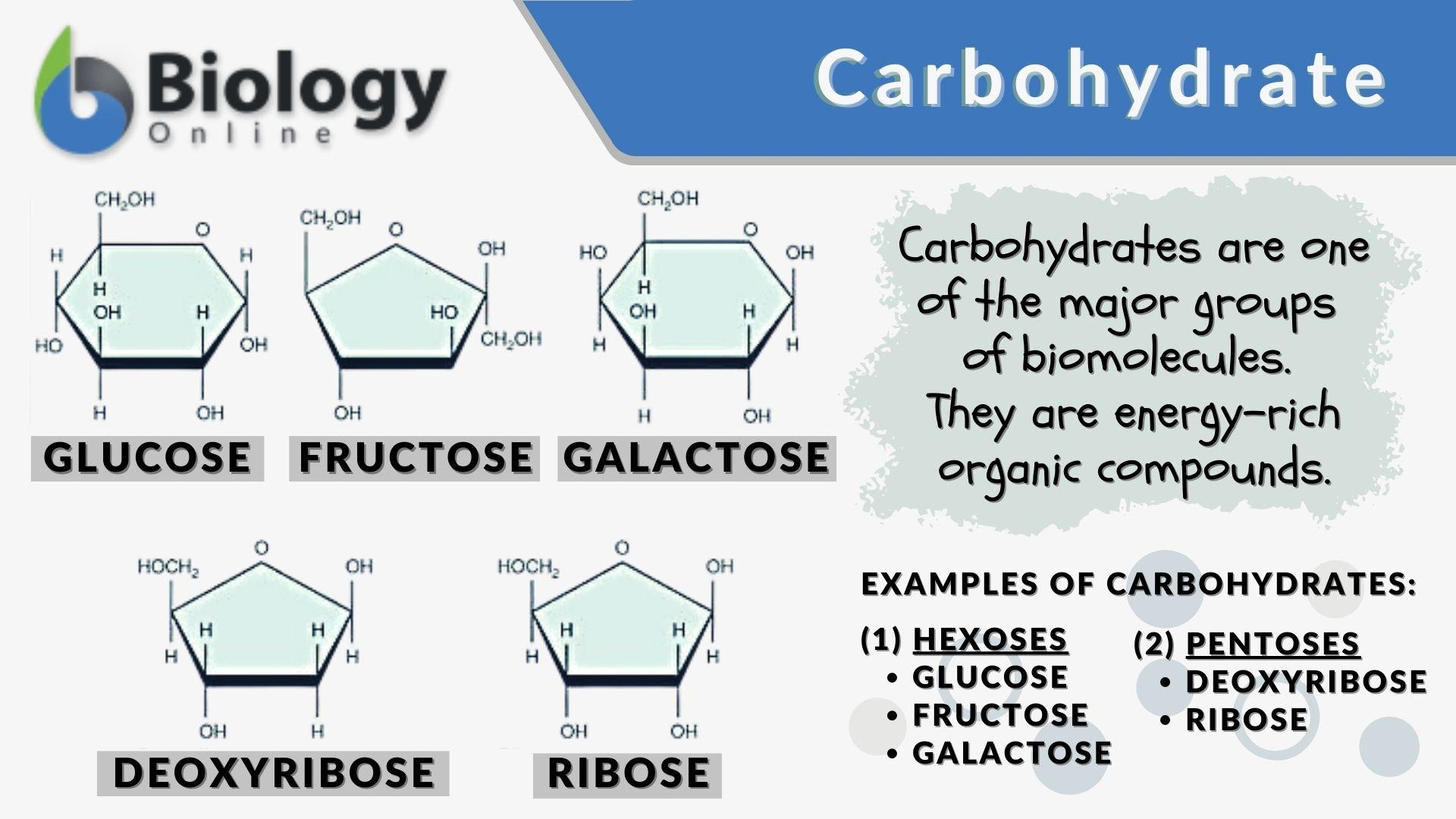
Carbohydrate
Monosaccharide

Lipid
Fatty acid

Nucleic acid (DNA)
Nucleotide

Protein
Amino acid
What bond holds proteins together?
peptide bonds
Do prokayotes have organelles?
NO
Do prokaryotes or eukaryotes have a cytoskeleton?
Eukaryotes
Eukaryotes or prokaryotes? Pili
Prokaryotes
Prokaryotes or eukaryotes? Flagella
BOTH
Nucleoid
Prokaryotic, no membrane, DNA in space
Nucleus
Eukaryotic, surrounded by membrane
Nucleolus “hole”us
Eukaryotic, region inside nucleus making RNA structures for ribosomes (stains as holes in DNA because RNA doesn’t pick up same stain as DNA)
Where are lipids made
Smooth ER
Lysosome
digest and break things down