LAP 4 Anatamical Kinesiology

0.0(0)
Studied by 0 people
call kaiCall Kai
learnLearn
examPractice Test
spaced repetitionSpaced Repetition
heart puzzleMatch
flashcardsFlashcards
GameKnowt Play
Card Sorting

1/77

encourage image

There's no tags or description

Looks like no tags are added yet.

78 Terms
1
New cards
What are the 5 regions of the vertebral column?
Cervical, thoracic, lumbar, sacral, and coccygeal.
2
New cards
What are 4 functions of the vertebral column?
Protects the spinal cord, supports body weight, allows movement, and absorbs shock.
3
New cards
How do C1 and C2 differ from typical vertebrae?
C1 lacks a body and spinous process. C2 has a dens process and bifid spinous process.
4
New cards
How are intervertebral disc joints classified?
Cartilaginous symphyses; functionally amphiarthrotic.
5
New cards
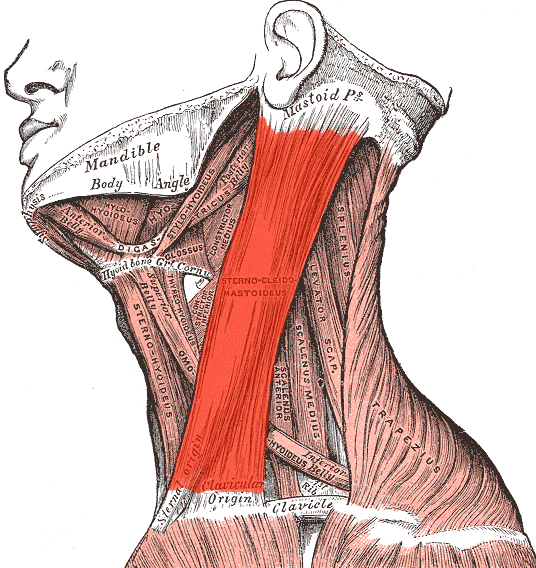
<p>What are the actions of the sternocleidomastoid?</p>

What are the actions of the sternocleidomastoid?

Bilateral: cervical flexion. Ipsilateral: lateral flexion. Contralateral: rotation.

6
New cards
What are the actions of the transversospinalis muscles?

Semispinalis: extension, ipsilateral lateral flexion, contralateral rotation.

Multifidus: trunk extension, ipsilateral lateral flexion, contralateral rotation.

Rotatores: contralateral rotation.

7
New cards

What are the main actions of the abdominal muscles?

Rectus abdominis: trunk flexion.

External oblique: contralateral rotation.

Internal oblique: ipsilateral rotation.

Transverse abdominis: stabilization.

8
New cards
Which 3 bones fuse to form each coxal bone?
Ilium (largest and superior), ischium (posterior), and pubis (smallest and anterior).
9
New cards
How is the hip joint classified?
Synovial ball-and-socket; functionally diarthrotic and triaxial.
10
New cards
What do the 3 major hip ligaments limit?

Iliofemoral: hyperextension.

Pubofemoral: excessive extension and abduction.

Ischiofemoral: medial rotation.

11
New cards
Which structures are listed in the skeletal introduction?
Ribs, sternum, vertebral column, sacrum, and coccyx.
12
New cards
What are the common bony landmarks of vertebrae?
Body, vertebral foramen, spinous and transverse processes, and superior/inferior articular processes and facets.
13
New cards
What distinguishes C1, the atlas?
It has no body or spinous process; it has a facet for the dens.
14
New cards
What distinguishes C2, the axis?
It has a dens process and a bifid spinous process.
15
New cards
What distinguishes C3–C7 vertebrae?
They have transverse foramina and bifid spinous processes.
16
New cards
What distinguishes thoracic vertebrae?
Costal facets or hemifacets; spinous processes mainly point inferiorly.
17
New cards
What distinguishes lumbar vertebrae?
They have the largest vertebral bodies and spinous processes that mainly point posteriorly.
18
New cards
What articulates at an intervertebral disc joint?
Adjacent superior and inferior vertebral bodies.
19
New cards
How are intervertebral disc joints classified structurally and functionally?
Cartilaginous symphyses; amphiarthrotic (slightly movable).
20
New cards
How are intervertebral facet joints classified?
Synovial gliding joints; functionally diarthrotic and uniaxial, according to the notes.
21
New cards
How are costovertebral facet joints classified?
Synovial gliding joints; functionally diarthrotic and uniaxial, according to the notes.
22
New cards
How do the vertebral facet joints articulate?
The superior facets of the vertebra below meet the inferior facets of the vertebra above (C2–L5).
23
New cards
How does the head of a rib articulate with thoracic vertebrae?
With superior and inferior costal facets on vertebral bodies.
24
New cards
Where does a rib tubercle articulate?
With the transverse costal facet of a thoracic vertebra.
25
New cards
Which landmarks are found on C1, the atlas?
Vertebral foramen, transverse process and foramen, superior/inferior articular processes and facets, and facet for dens.
26
New cards
Which landmarks are found on C2, the axis?
Vertebral foramen, transverse process and foramen, spinous process, superior/inferior articular processes and facets, and dens.
27
New cards
What landmarks identify a typical cervical vertebra?
Body, vertebral canal, transverse process, spinous process, transverse foramen, and superior/inferior articular processes and facets.
28
New cards
What does the ligamentum flavum prevent, according to the notes?
Excessive extension.
29
New cards
What does the posterior longitudinal ligament prevent, according to the notes?
Excessive flexion.
30
New cards
What does the anterior longitudinal ligament prevent?
Excessive extension.
31
New cards
What do the supraspinous and interspinous ligaments prevent?
Excessive vertebral flexion.
32
New cards
What movements occur at the cervical spine?
Flexion, extension, right/left lateral flexion, and right/left rotation.
33
New cards
What movements occur at the thoracic spine?
Right/left trunk lateral flexion and slight rotation.
34
New cards
What movements occur at the lumbar spine, according to the notes?
Trunk flexion, extension, and right/left rotation.
35
New cards
How do intervertebral disc and facet joints work together?
Disc joints determine the amount of movement; facet joints guide that movement.
36
New cards
Where is the sternocleidomastoid located?
A long, superficial muscle on the anterior and lateral neck.
37
New cards
What are the actions of the scalene muscles?
Bilateral cervical flexion; ipsilateral lateral flexion; assist ribcage elevation during ventilation.
38
New cards
<p>What are the three scalene muscles?</p>

What are the three scalene muscles?

Anterior scalene

middle scalene

posterior scalene.

39
New cards
<p>Where are the splenius capitis and cervicis located?</p>

Where are the splenius capitis and cervicis located?

Short, deep muscles on the posterior neck.

40
New cards
What are the actions of splenius capitis and cervicis?
Bilateral cervical extension; ipsilateral lateral flexion and rotation.
41
New cards
How do vertebral column muscles create movement?
Each moves the vertebrae it attaches to; together, they can move the vertebral column over a larger region.
42
New cards
How are the three transversospinalis muscles ordered superficially to deeply?
Semispinalis (longest and most superficial), multifidus, rotatores (shortest and deepest).
43
New cards
What are the actions of semispinalis?
Bilateral cervical/trunk extension; ipsilateral cervical lateral flexion; contralateral cervical rotation.
44
New cards
Where is multifidus located relative to semispinalis?
Deep to semispinalis.
45
New cards
<p>What are the actions of multifidus?</p>

What are the actions of multifidus?

Bilateral trunk extension; ipsilateral trunk lateral flexion; contralateral trunk rotation.

46
New cards
What is the main action of rotatores?
Contralateral vertebral column rotation.
47
New cards
Where is quadratus lumborum located?
A deep trunk muscle in the posterolateral region.
48
New cards
What are the actions of quadratus lumborum?
Ipsilateral trunk lateral flexion and pelvic elevation; bilateral trunk flexion.
49
New cards
What are the actions of rectus abdominis listed in the notes?
Bilateral trunk flexion and ipsilateral trunk lateral flexion.
50
New cards
What is the linea alba?
The structure separating the right and left sides of rectus abdominis.
51
New cards
What are the functions of rectus abdominis beyond movement?
Supports the anterior lumbar spine, compresses the abdomen, and assists ventilation when the trunk is stabilized.
52
New cards
Where are the external obliques, and which way do their fibers run?
Superficial on both anterolateral sides of the abdomen; fibers descend medially, forming a V.
53
New cards
What are the actions and other functions of external oblique?
Bilateral trunk flexion; contralateral trunk rotation; abdominal compression and forceful exhalation.
54
New cards
Where are the internal obliques, and which way do their fibers run?
Deep to external oblique; fibers ascend medially, forming an inverted V.
55
New cards
What are the actions and other functions of internal oblique?
Bilateral trunk flexion; ipsilateral trunk rotation; abdominal compression and forceful exhalation.
56
New cards
Where is transverse abdominis located, and how are its fibers oriented?
Deep to internal oblique; flat muscle with horizontal fibers.
57
New cards
What are the functions of transverse abdominis?
Stabilizes the trunk, maintains internal abdominal pressure, supports the anterior lumbar spine, and compresses the abdomen; it does not move the trunk.
58
New cards
When is transverse abdominis compression especially useful?
Coughing, sneezing, laughing, and heavy lifting.
59
New cards
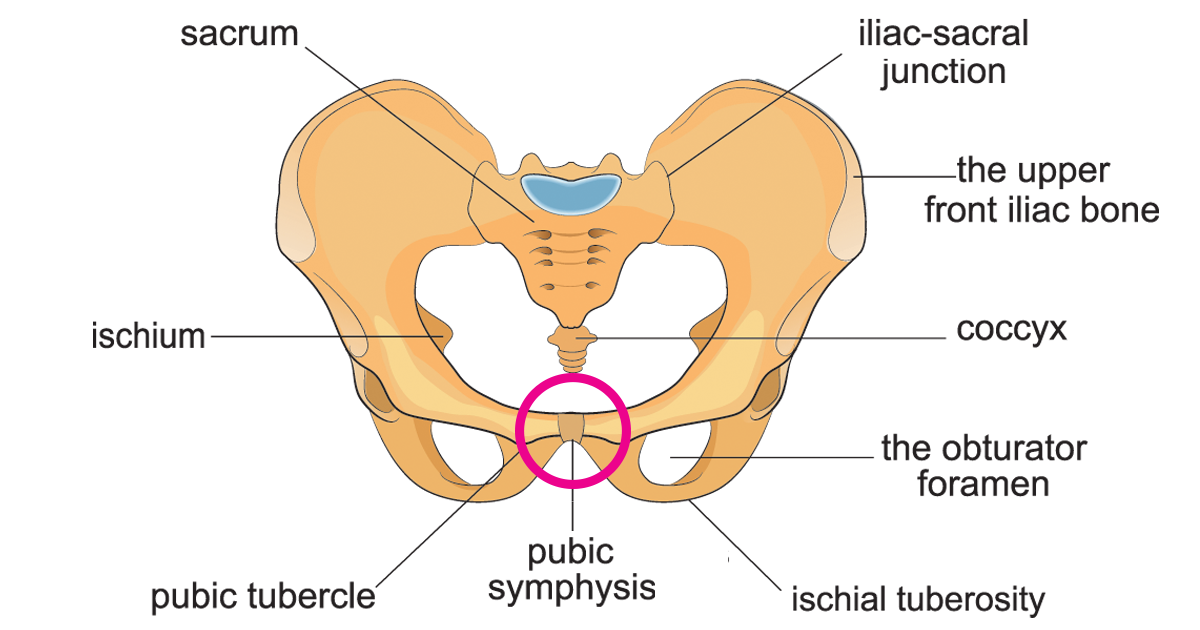
What forms the pelvic girdle's three joints?
The pubic symphysis and two sacroiliac joints.
60
New cards
What bones form the pelvic spine, and what does it do?
The sacrum and coccyx; they transmit head, torso, and upper-limb weight to the pelvic girdle.
61
New cards
What are the three names for the pelvic bones?
Coxal bones, innominate bones, or hip bones.
62
New cards
What are the three fused bones of each coxal bone?
Ilium (largest and most superior), ischium (most posterior), and pubis (smallest and most anterior).
63
New cards

What are four functions of the pelvic girdle?

Resists forces

Provides muscle attachments

Transfers weight between the axial and lower appendicular skeletons

protects/supports pelvic and abdominal organs.
64
New cards
What is intrapelvic motion?
Movement within the pelvis, occurring at the sacroiliac joints or pubic symphysis.
65
New cards
How can the pelvis move relative to another body part?
The entire pelvis can move as one unit; movement often involves the pelvic girdle and hip joints.
66
New cards
How is the pubic symphysis classified?
Cartilaginous symphysis; functionally amphiarthrotic.
67
New cards
<p>What is the pubic symphysis, and what reinforces it?</p>

What is the pubic symphysis, and what reinforces it?

A cartilaginous pad joining the right and left pubic bones; ligaments strengthen it and limit movement.

68
New cards
Which bones form the hip joint?
The acetabulum of the coxal bone and the head of the femur.
69
New cards
What are alternative names for the hip joint?
Femoroacetabular, acetabular femoral, and coxofemoral joint.
70
New cards
How is the hip joint classified?
Synovial ball-and-socket; diarthrotic and triaxial.
71
New cards
What are the main functions and stability features of the hip joint?
It is highly movable, bears weight, supports movement, and is more stable than the glenohumeral joint.
72
New cards
What reinforces the hip joint?
An extremely strong, dense ligamentous capsule.
73
New cards
What is another name for the iliofemoral ligament, and what does it do?
Y ligament; provides anterior/superior support and prevents hip hyperextension.
74
New cards
Where does the pubofemoral ligament provide support, and what does it limit?
Anteromedial and inferior support; limits excessive hip extension and abduction.
75
New cards
<p>What is the shape, location, and action of the ischiofemoral ligament?</p>

What is the shape, location, and action of the ischiofemoral ligament?

Triangular; provides posterior/superior support and limits medial rotation.

76
New cards
What does the transverse acetabular ligament do?
Acts as a tension band across the inferior acetabulum and prevents inferior displacement of the femoral head.
77
New cards
Where does the ligament of the head of the femur attach?
From deep in the acetabulum to the fovea capitis on the femoral head.
78
New cards
What movement does the ligament of the head of the femur minimally limit?
Adduction.



