apes unit 1
 Multiple Choice & FRQ
 Call Kai
1/58

Earn XP
59 Terms
Define environmental science.
The interdisciplinary study of the Earth’s life support systems and human activities that threaten those systems.
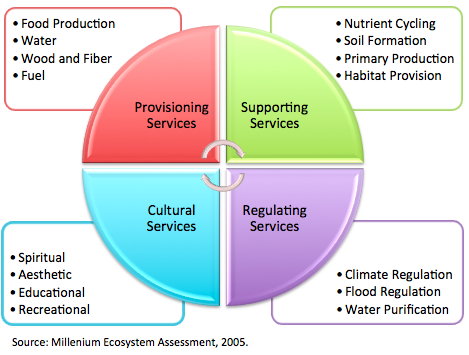
List the Earth’s life support systems (supporting services).
Nutrient cycling, evolution, soil formation, spatial structure, and primary productivity.
List the provisioning services.
Food, water, fuel wood, fiber, and biochemicals.
List the regulating services.
Climate regulation, disease regulation, water regulation, water purification, and pollination.
List the cultural services.
Spiritual and religious, recreation, ecotourism, aesthetic, inspiriational, educational, sense of place, and cultural heritage.
What is spatial structure and why is it considered a supporting service?
Spatial structure in an ecosystem is the physical arrangement and configuration of habitats, species, and landscape across an area It is considered a supporting service as the physical layout of an environment helps determine and support habitat connectivity, resource flow, and system resilience.
What is spatial ecology?
Spatial ecology is the study of spatial structure, it combines ecology and geography to identify spatial patterns in the environment and their relationships to ecological phenomena.
What is spatial statistical analysis?
It enables spatial ecologists to determine what factors in the structure of the landscape lead to to specific ecological events.
Explain how the natural sciences and social sciences interact in environmental science.
Natural sciences and social sciences are deeply interconnected in environmental science, as human behavior directly correlates to the state of ecosystems.
Describe the Millennium Ecosystem Assessment.
The Millennium Ecosystem Assessment categorized everything an ecosystem does in four critical service categories that sustain life: provisioning services, regulating services, cultural services, and supporting services.
What sustainable development goal addresses the issue of food?
Goal #2 : Zero Hunger

What sustainable development goal addresses the issue of water?
Goal #6 : Clean Water and Sanitation

What sustainable development goal addresses the issue of energy?
Goal #7 : Affordable and Clean Energy
What sustainable development goal addresses the issue of consumption?
Goal #12 : Responsible Consumption and Production

What sustainable development goal addresses the issue of climate change?
Goal #13 : Climate Action

What sustainable development goal addresses the issue of marine ecosystems?
Goal #14 : Life Below Water

What sustainable development goal addresses the issue of terrestrial ecosystems?
Goal #15 : Life On Land
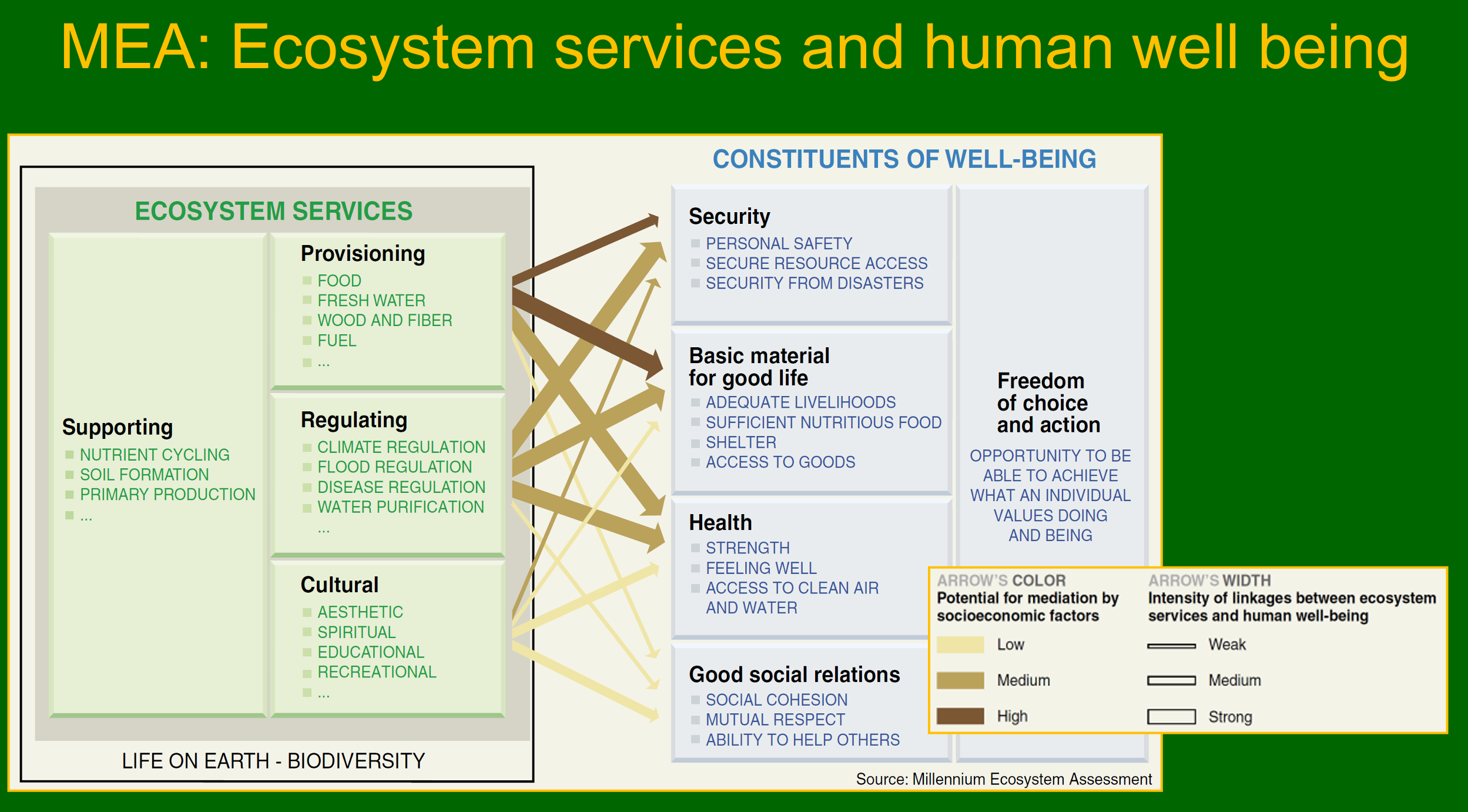
List the Millennium Ecosystem Assessment’s five constituents of human well-being.
Security, basic material for good life, health, good social relations, and freedom of choice and action.
Define ecology.
Ecology is “the study of houses”, AKA our home Planet Earth.
Describe the five levels of organization in the biosphere.
Population, community, ecosystem, biome, and biosphere.
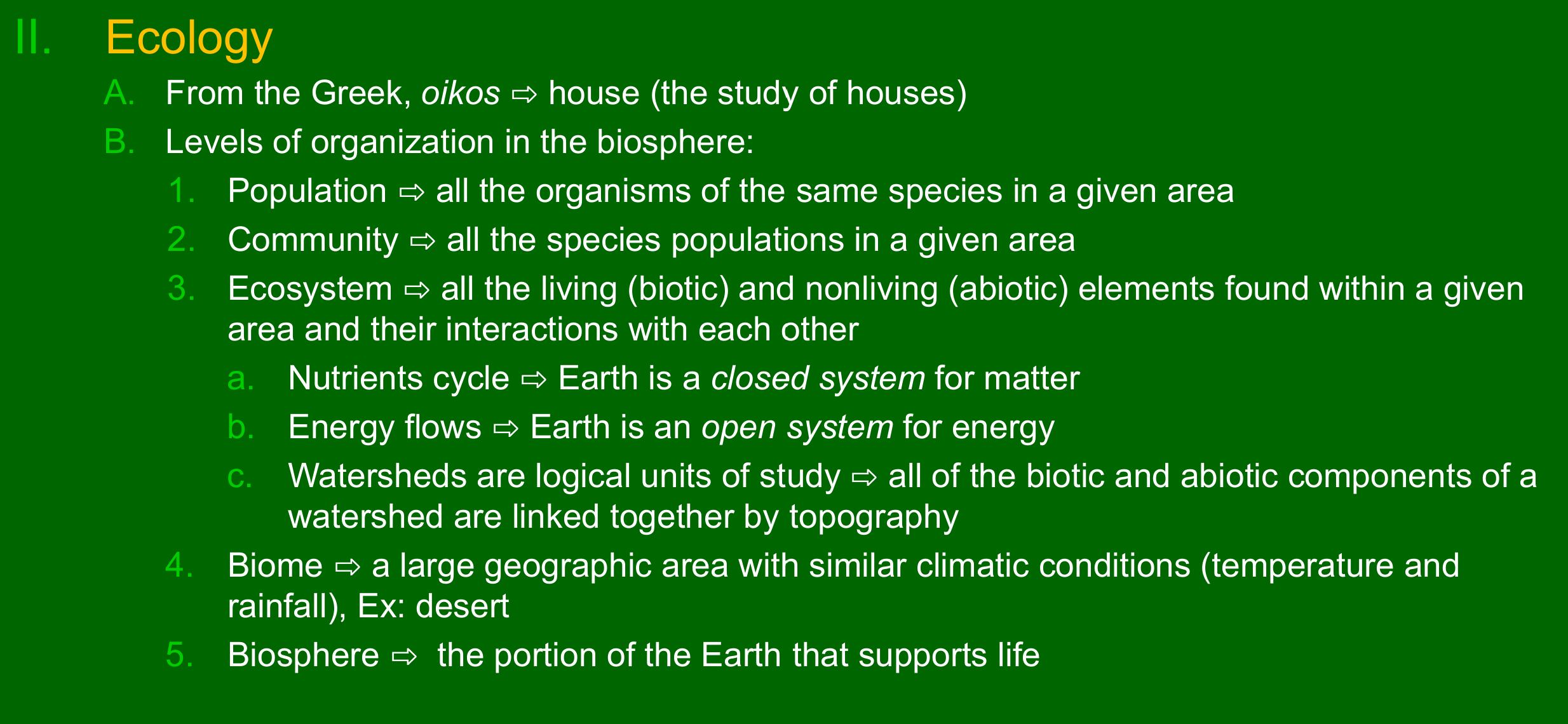
Population
all the organisms of the same species in a given area
Community
all the species populations in a given area
Ecosystem
all the living (biotic) and nonliving (abiotic) elements found within a given area and their interactions with each other
Earth is a ____ for matter and an ____ for energy.
Earth is a closed system for matter and an open system for energy. (nutrients cycle and energy flows)
Biome
a large geographic area with similar climatic conditions (temperature and rainfall), such as a desert

Biosphere
the portion of Earth that supports life
Habitat
an organism’s address. aka the biotic and abiotic conditions necessary for a species to survive.
Range of tolerance
The range of specific physical factors under which an organism can survive (e.g.: water temp, pH)
Niche
an organism’s occupation or way to make a living; an organism’s overall role in an ecosystem
Generalists
have broad niches (have many ways to make a living). an example are raccoons, who will eat just about anything.

Specialists
have narrow niches; can go extinct easily. an example are koalas, who only eat eucalyptus.

Autotrophs
organisms that can make their own food. such as: plants (terrestrial) and algae (aquatic) that use photosynthesis to make their own food, and primitive bacteria that use chemosynthesis.
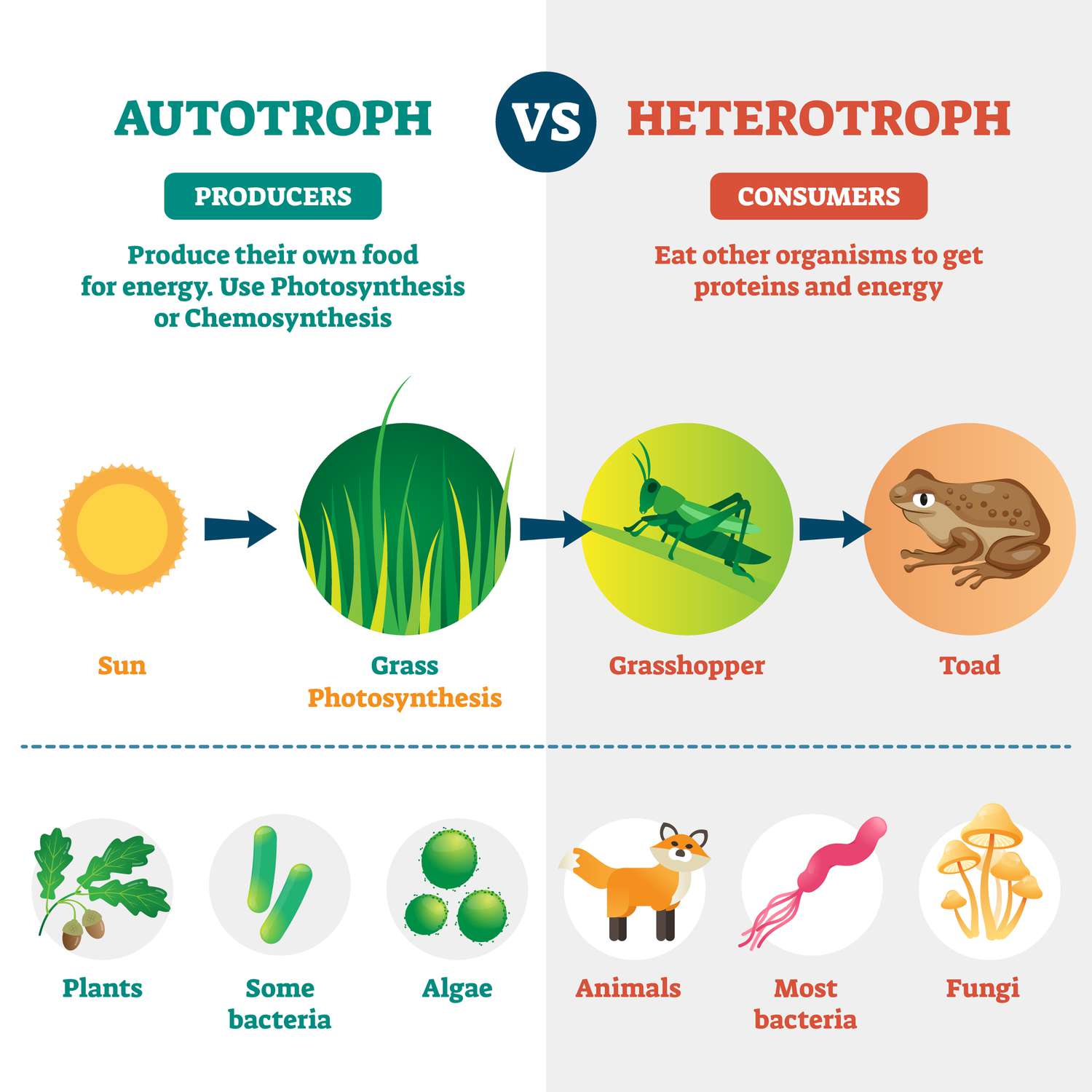
Heterotrophs
organisms that consume other organisms. such as: herbivores (eat plants), carnivores (eat animals), omnivores (eat both), and scavengers (eat dead animals).

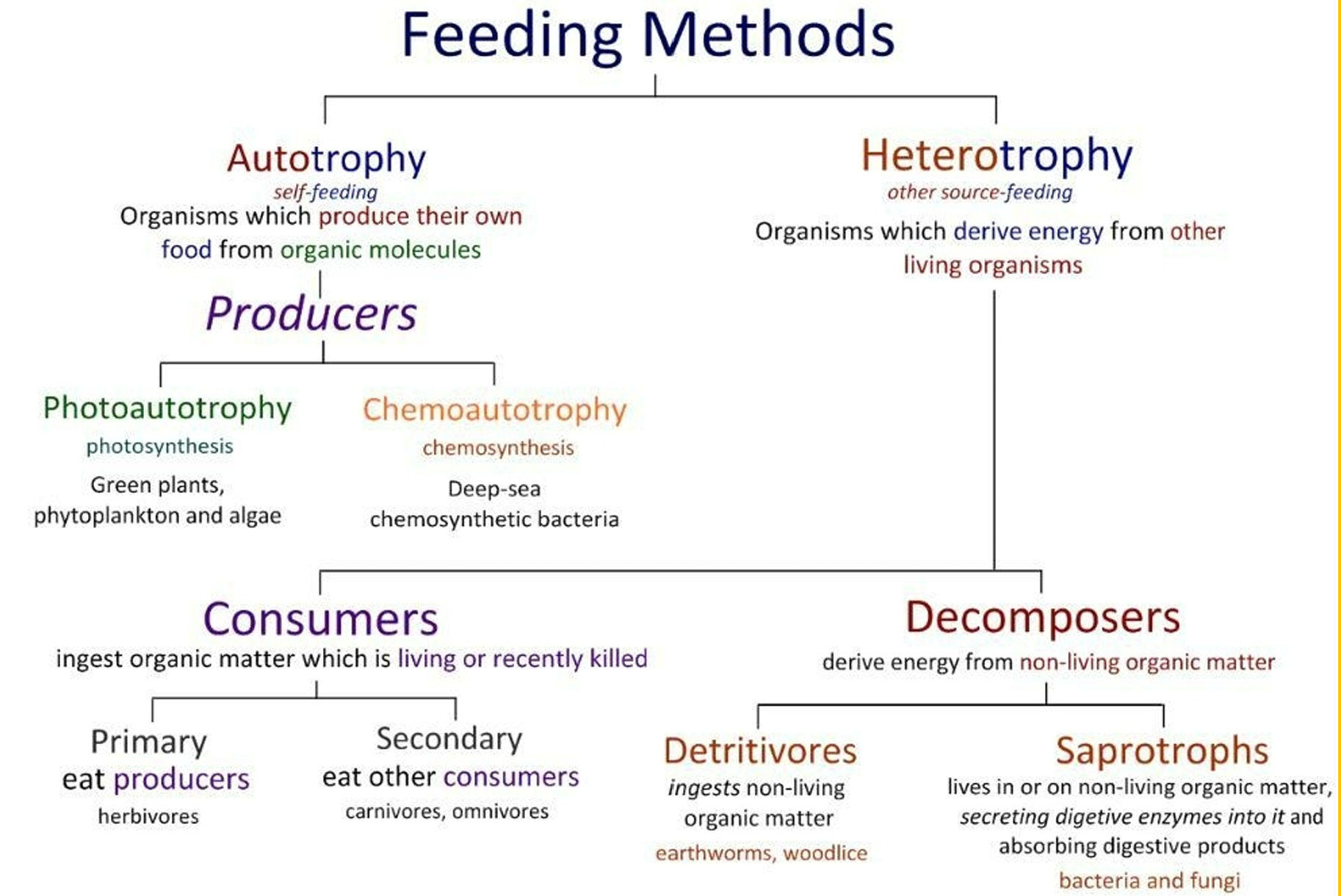
Decomposers
organisms that consume dead material and return nutrients to the soil. (can be detritivores or sapotrophs)
Detritivores v. saprotrophs
Detritivores eat nonliving organic matter (ex: earthworms), while saprotrophs chemically absorb nonliving organic matter (ex: fungus, bacteria)
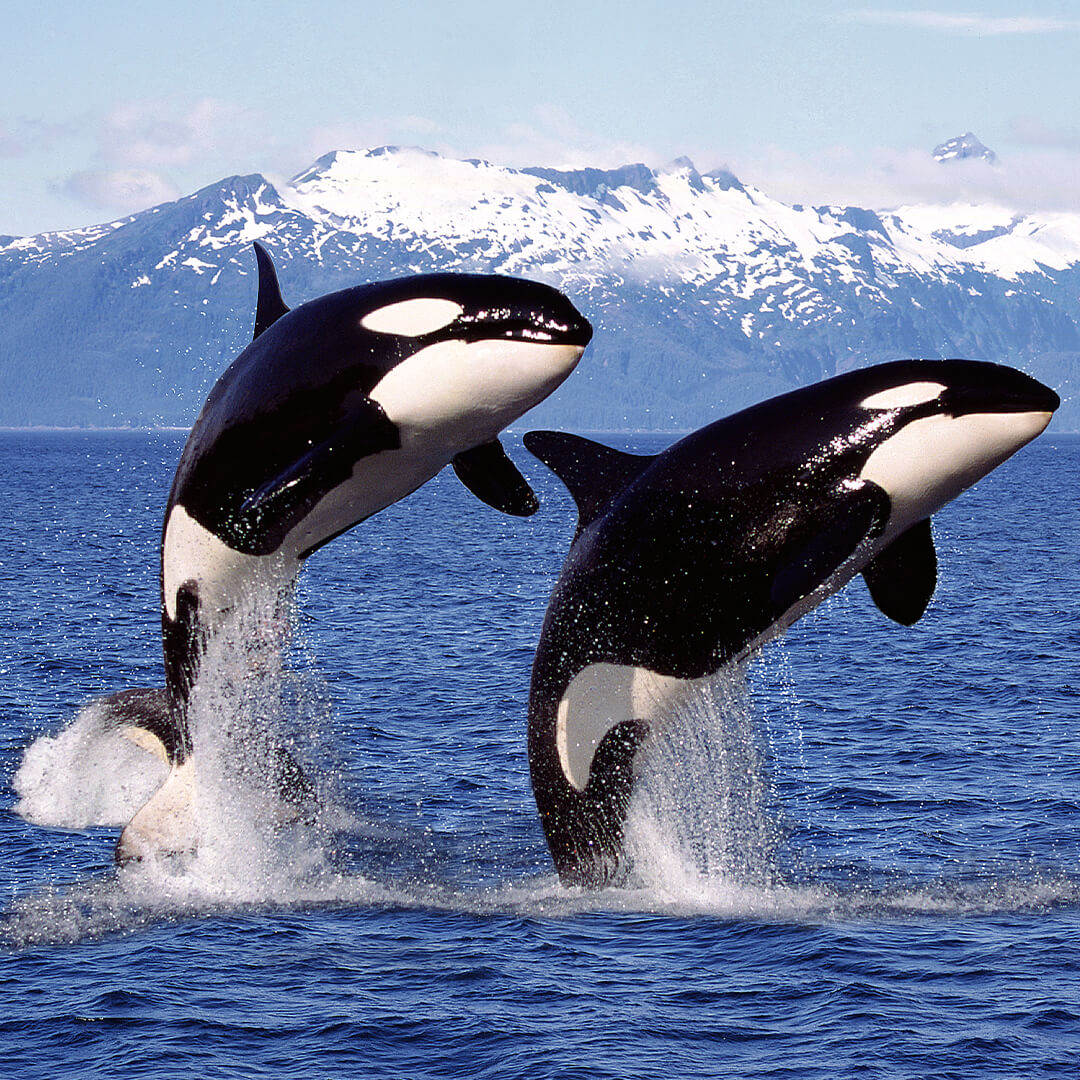
What’s an indicator species, why do we pay special attention to them, and what’s an example?
An indicator species is a species with a narrow range of tolerance for important biotic and abiotic factors within an ecosystem. They’re important because when an indicator species is not healthy, it is an indicator that the entire ecosystem may not be healthy. EXAMPLES: Northern Spotted Owl for NW old growth forests; Orca for Puget Sound
What’s a keystone species, why do we pay special attention to them, and what’s an example?
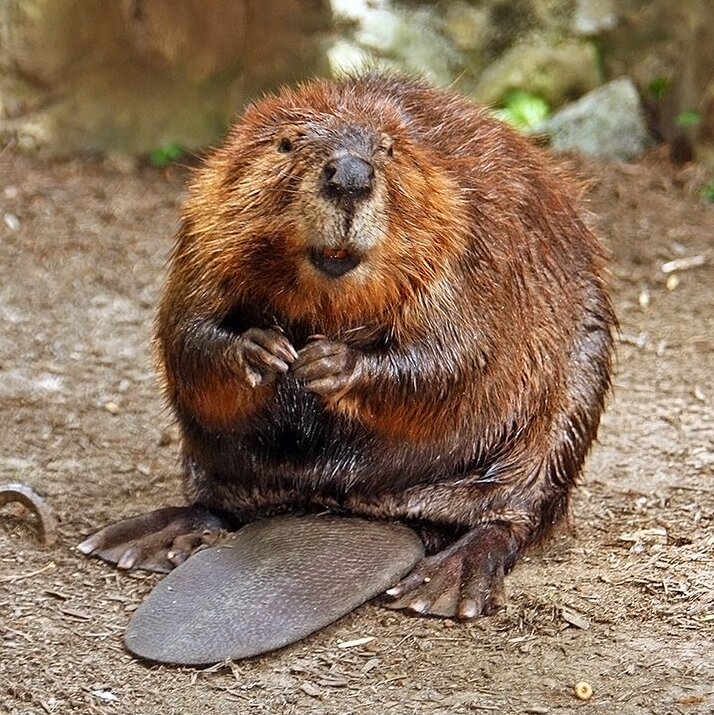
A species that has a niche that contributes to many other species within an ecosystem (aka an “ecosystem engineer). When the population of a keystone species declines, it impacts the entire ecosystem. EXAMPLES: wolf, beaver, salmon
Food chain
a series of organisms in an ecosystem related by their feeding patterns

Food web
a series of multiple, overlapping food chains (a lot more complex/interconnected)

Producers (autotrophs)
organisms that get all their energy from the sun (EX: grass)

Primary consumers (herbivores)
animals that consume plants (EX: insects)

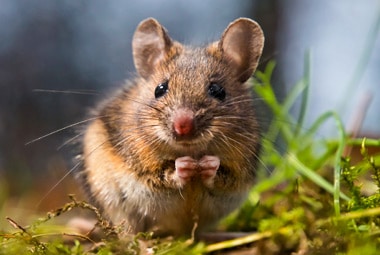
Secondary consumer
animals that consume the primary consumers (EX: mice)
Tertiary consumers (secondary carnivores)
animals that consume the secondary consumers (EX: hawks)

90-10 Rule
As energy moves from one trophic level to the next, 90% of energy is lost as heat or waste, only 10% ends up as biomass in next trophic level!

Explain why all the pyramids - numbers, energy, and biomass - all look the same.
All the pyramids look the same because of the 90-10 rule.
Explain why eating lower on the food chain means more food for all humans.
Eating lower on the food chain, or eating vegetarian, makes 10X as much plant energy available for other humans.

Productivity
a measure of how much photosynthesis is taking place within a given area
gross primary productivity (GPP)
total amount of solar energy captured (CO2 incorporated into C6H12O6)
net primary productivity (NPP)
Net primary productivity ⇨ gross productivity – (waste + heat)

What is predation and how do both predators and prey benefit from their relationship?
Predation is when one animal kills and eats another. Predators benefit by acquiring food, Prey benefit from the “culling of the herd” —> weakest members killed.
What is competition? And what is the diff. between intraspecies and interspecies competition?
Competition is when two organisms strive for the same limited resource. Intraspecies is when it’s between members of same species. Interspecies is when it’s between members of different species.
Competitive exclusion principle
States that no two species can occupy the same niche in the same place at the same time. (Ex: European starling ⇨ introduced in Central Park in 1890 and crowded out native species)
Resource partitioning
an evolutionary process where competing species use different parts of a shared environment or resource to avoid direct competition and coexist. they do this by differentiating niches. this reduces the direct competition predicted by the competitive exclusion principle.
What’s symbiosis?
a close, long-term relationship between two species in which at least one species benefits
Parasitism
one organism (parasite) lives in or on another organism (host), from which it derives nourishment
Commensalism
one organism benefits while the other is not affected, Ex: Remoras and sharks
Difference between endoparasites and ectoparasites and give one example of each.
Endoparasites - live on the host’s surface, EX: fleas, lice. Ectoparasites - live inside the body of the host, EX: tapeworms, bacteria, fungi
Def. of mutualism, and explain why mutuliasm is often obligatory.
Mutualism is a relationship in which both species benefit. The relationship is often obligatory, as neither can exist without the other. Ex: Bats and cacti, ants and the Acacia plant

Explain how returning wolves to Yellowstone in 1995 affected elk, willows, coyotes, rodents, songbirds, foxes, badgers, eagles, beaver, bears, hawks and, ultimately, the shape of the rivers in the park. Be sure to mention each organism listed above and emphasize the interrelationships between the organisms.
When the wolves were relocated into Yellowstone, elk populations decreased due to hunting, willows were able to regenerate due to less elk, coyotes were hunted, rodent populations flourished, foxes and badgers thrived on rodent supply, songbirds and beavers increased to due to increased willows. Bears, eagles, and hawks also benefited. The chain reaction also altered the shape of the rivers by reducing soil erosion, slowing the flow of water, and forming stabilized rivers.