02 - JFF (106-110)
 Call Kai
 Learn
 Practice Test
 Spaced Repetition
 Match
 Flashcards
 Knowt Play
1/125

There's no tags or description
Looks like no tags are added yet.
126 Terms
s'adonner
to immerse oneself in, devote oneself to (106)
donner raison à
to agree with sby (110)
voilà quelqu'un qui donne raison à l'homme d'esprit
Here is someone who agrees with a clever man (110)
tendre mes yeux
to strain my eyes (trying to see sth, 106)
Hippolyte
son of Theseus (king of Athens), adoptive son of Phædre (daughter of Minos)
Oenone
nurse and confidente of Phædre (106)
bafouiller
to stammer or babble, often in confusion (107)
sans se soucier du qu'en-dira-t-on,
and, unconcerned with what people might say (107)
Aricie
princess of the rolal house of Thesius
j'avais beaucoup compté sur
I had really counted on (106)
les Halles
food market of Belle Époche Paris (Châtelet-Les Halles, near Saint Eustache)
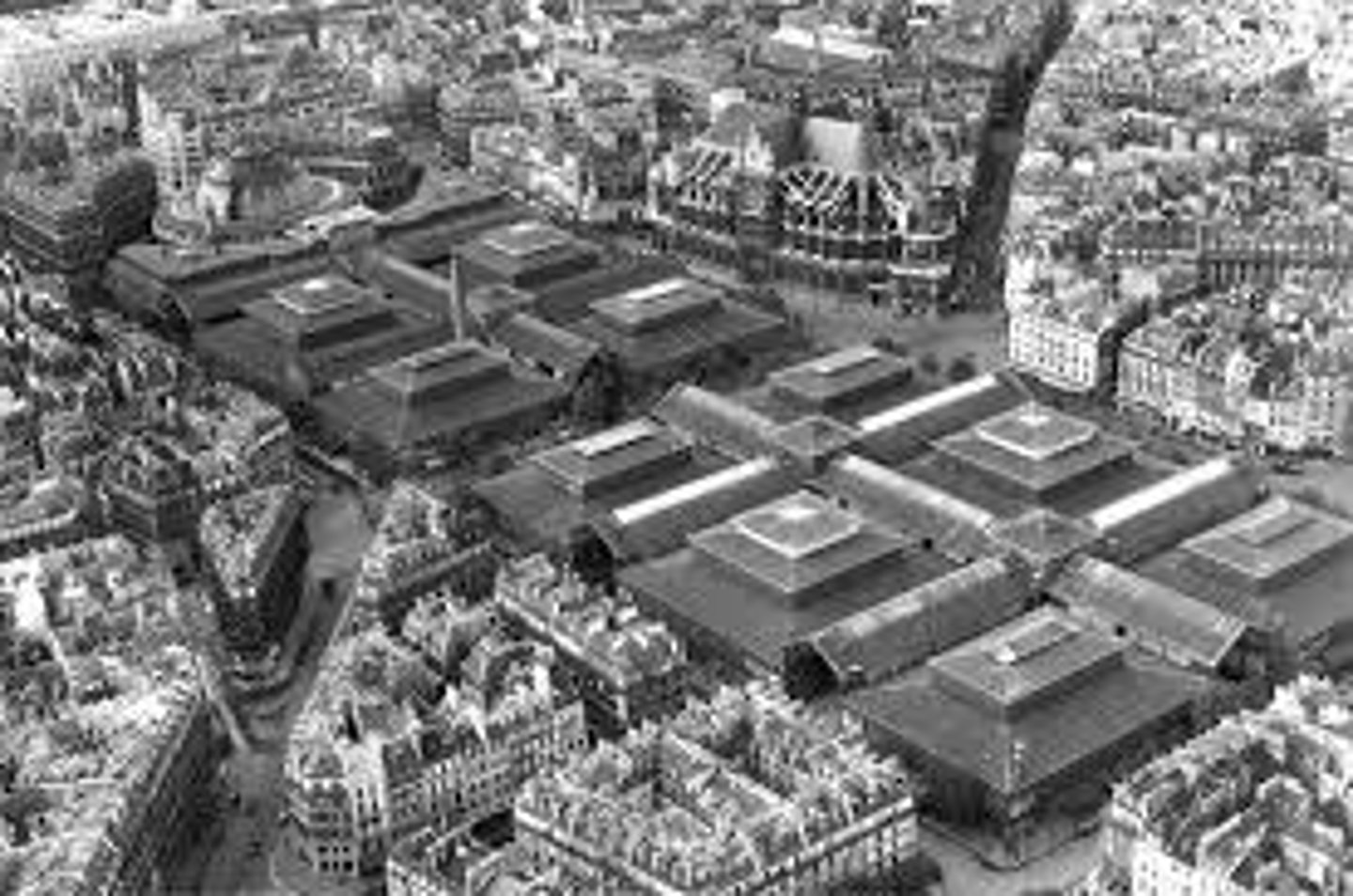
les ramures
branches, tree tops (106)

se conformer aux prescriptions
to follow instructions (106)
la claque
the hired professional applauders (paid to strategically clap and cheer to manipulate audience reactions, 106)
J'en étais effrayé.
I was frightened by this. (106)
le compte rendu d'un procès
the account of a trial (106)
dépité par
disappointed by (106)
entrer par le fond (de la scène)
to enter from the back of the stage (106)
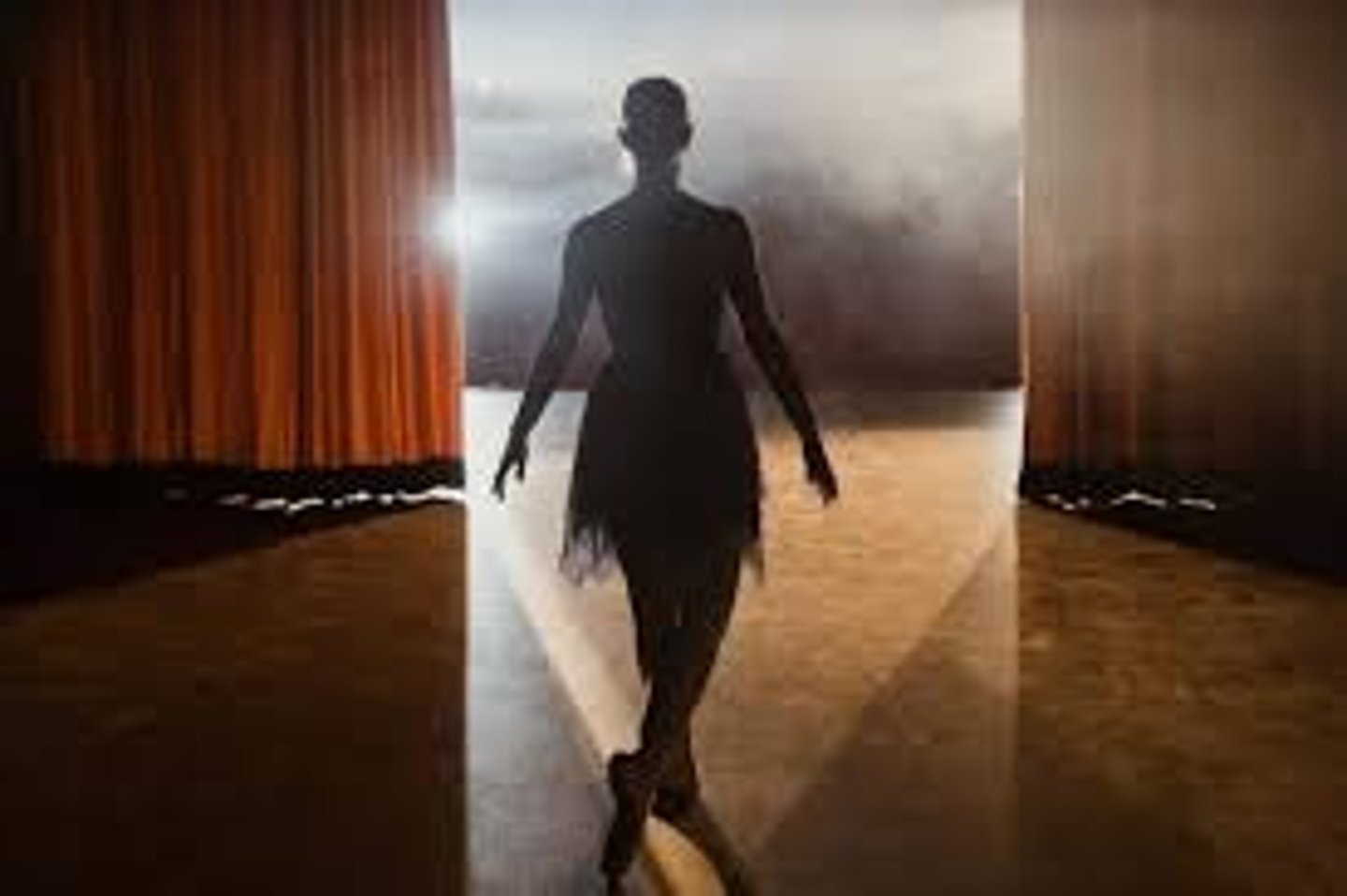
Phèdre, « la femme de Thésée »
the wife of Theseus
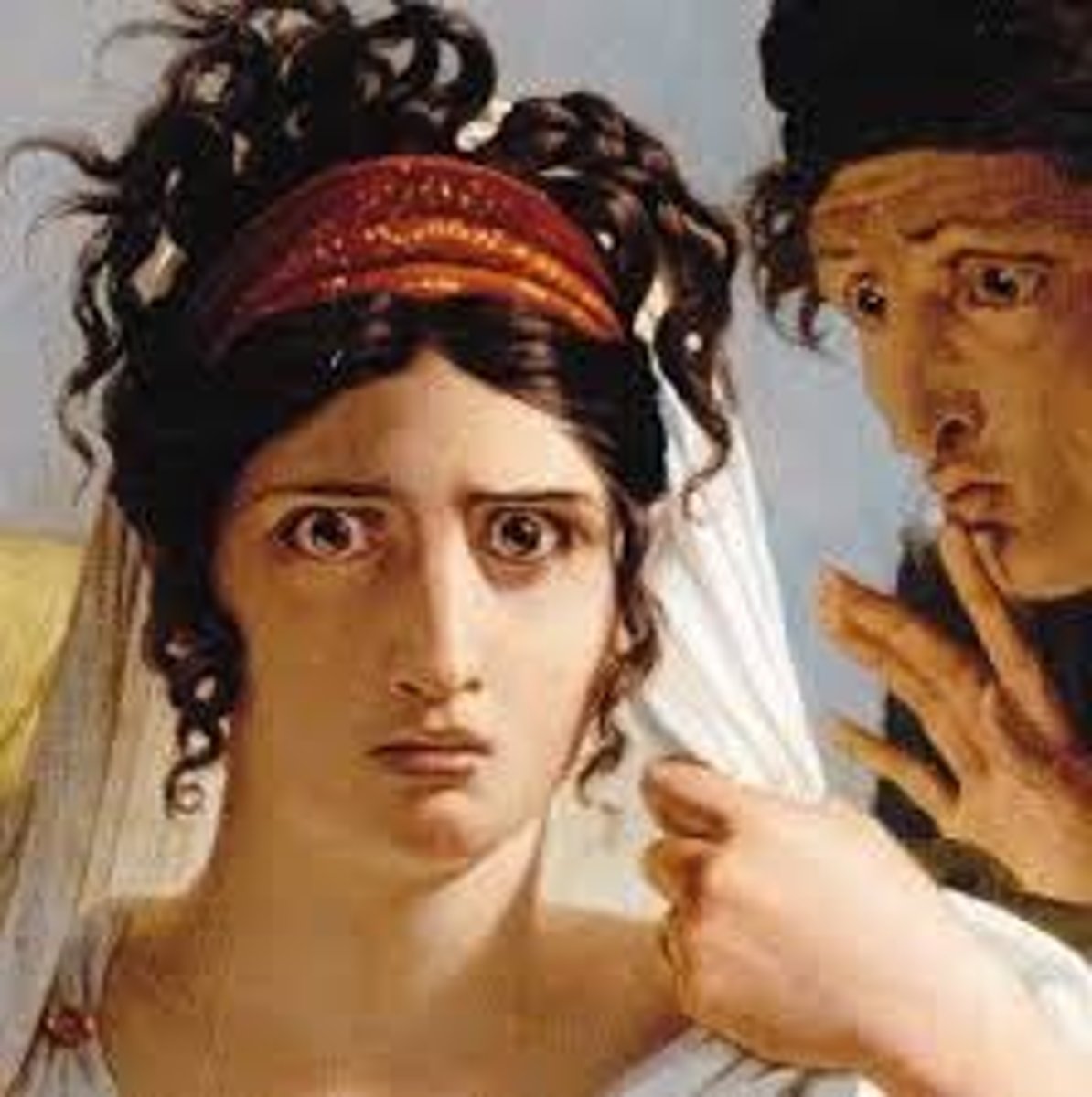
se colletter
to scuffle with one another, struggle together (106)
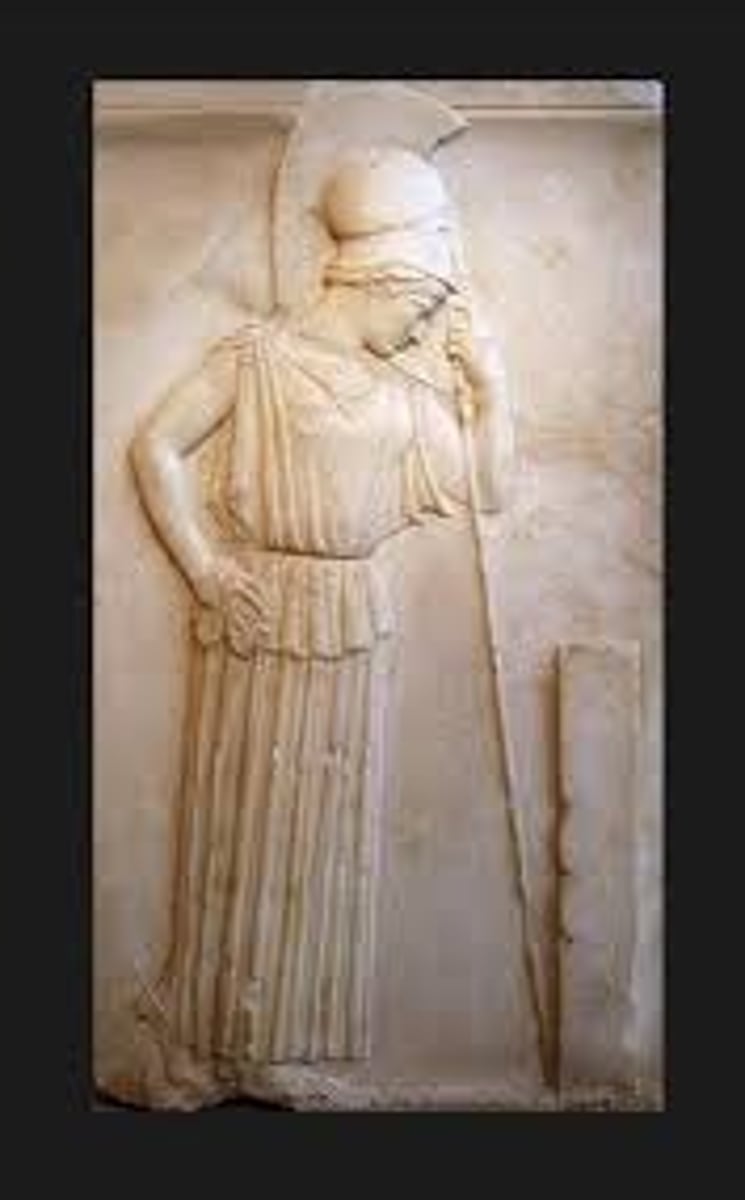
elles soulevaient leurs beaux péplums
they lifted their beautiful peplums (πέπλος) — from the ground (tunic-like robe worn by women, with falling folds, 106); i.e., they gathered and raised the folds with a belt so that they could walk unobstructed with grace.
en froissant un programme
by the rustling a theatre program (106)

« je tâchais, à force d'agilité mentale, en ayant avant un vers mon attention tout installée et mise au point, de ne pas distraire en préparatifs une parcelle de la durée de chaque mot, de chaque geste »
"I tried, through mental agility, by having before the verse (began) my attention fully installed and focused, so as not to divert into preliminaries a single particle of the duration of each word, of each gesture" (106)
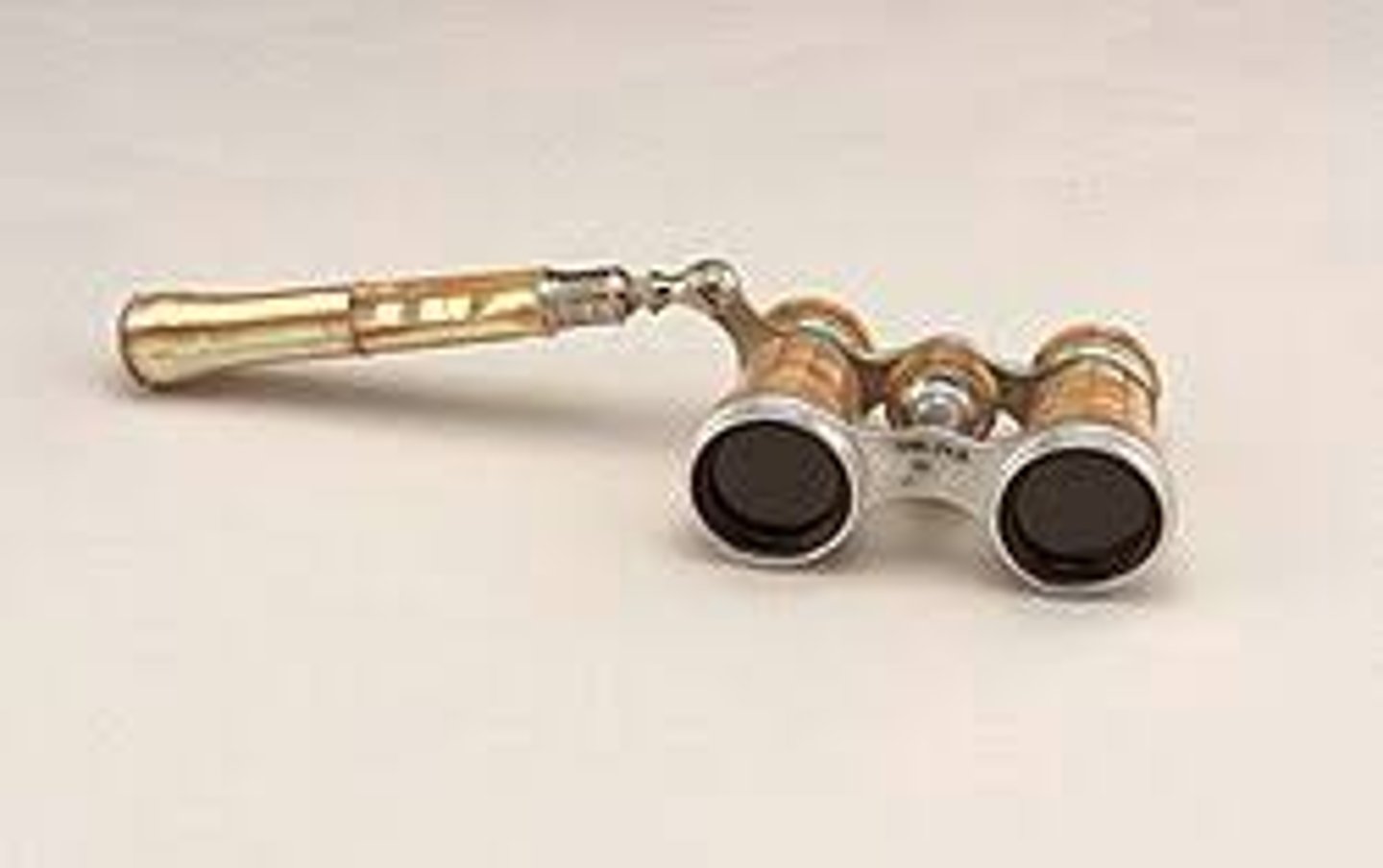
sa lorgnette
her opera glasses (106)
passer au rabot
to smooth out, make uniform differences (w neg. connotation of removing nuances & complexities; un rabot, a carpenter's plane, = canonical criticism! - 106)
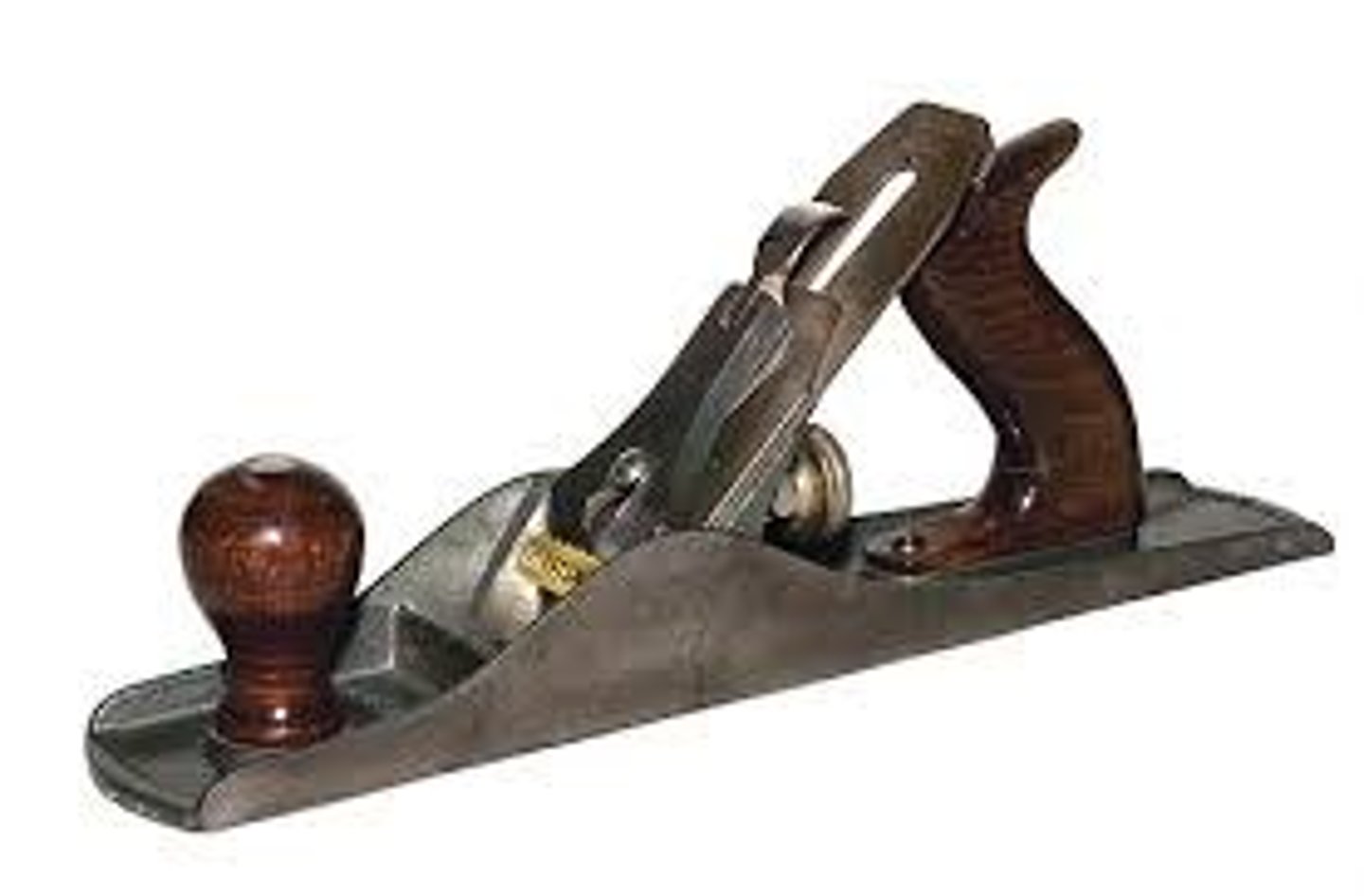
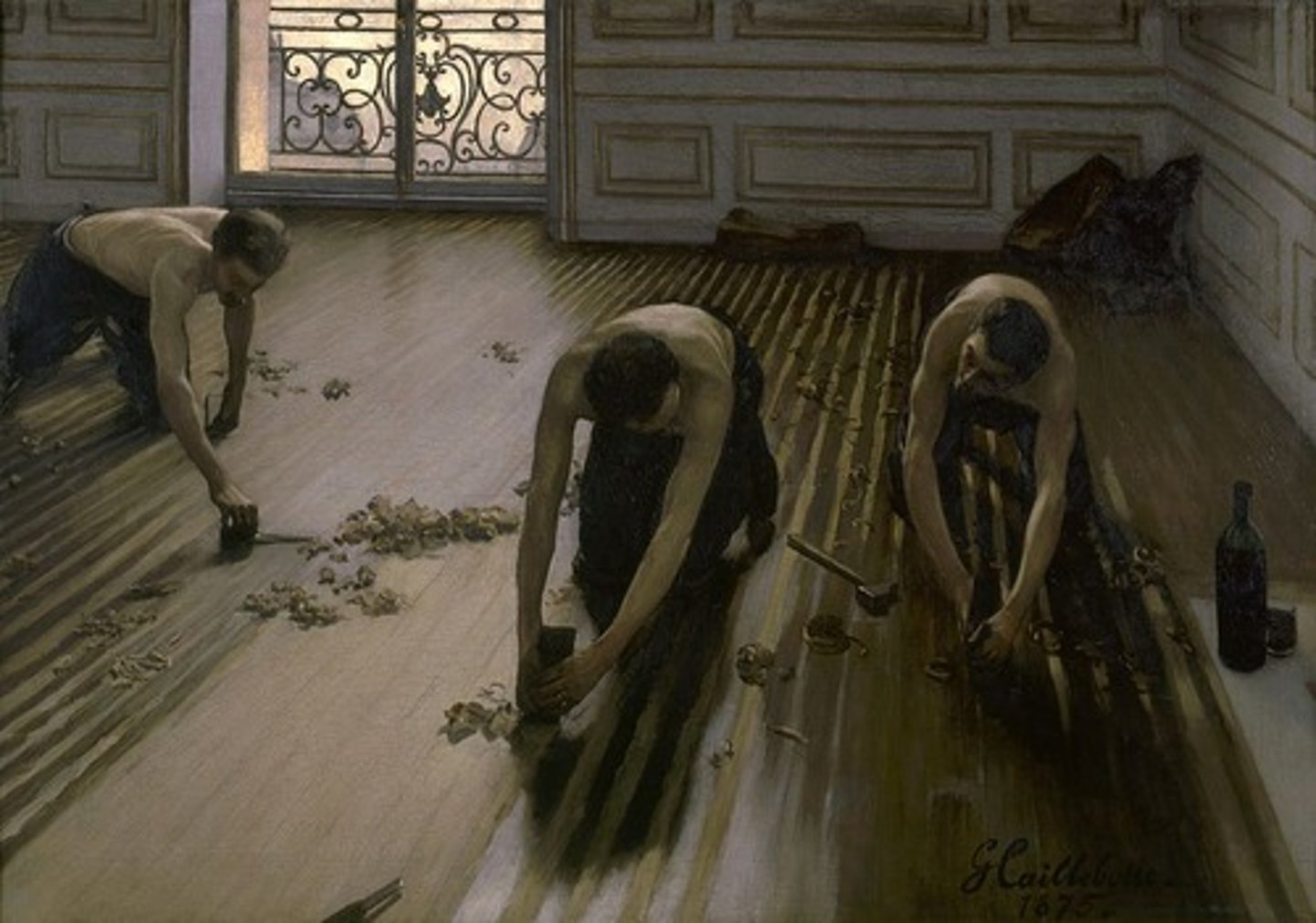
« elle passa au rabot d'une mélopée uniforme toute la tirade »
she flattened out the entire continuous speech of verse through with uniform droning chant (106)
“Les raboteurs de parquet”
Gustave Caillebotte (1875)
« elle la débita tellement vite que ce fut seulement quand elle fut arrivée au dernier vers que mon esprit prit conscience de la monotonie voulue qu'elle avait imposée aux premiers. »
She delivered (the lines of the tirade) so quickly that it was only when she had reached the last line that my mind became aware of the deliberate monotony she had imposed on the first ones. (106)
la parterre
ground-floor seating area of the theater; flower bed (107)
il ne me détourna pas de
he did not dissuade me from (107)
faire valoir
to assert, emphasize
exposer
to expound, explain (faire connaître)
le Quai d'Orsay
short-hand for the diplomatic service headquartered on Quai d'Orsay, on left bank of the Seine in 7e (le ministère des Affaires étrangères)
un mousse
a ship's cabin boy (performs basic duties like cleaning, serving officers, and learning navigation)
des meubles fort embarrassants
rather cumbersome furniture (107)
lire un roman, par tranches, en feuilleton
to read a novel, in installments, serialized (107)
se troubler
become flustered
de bon aloi, de mauvais aloi
in good taste / in bad taste (108)
corrigé par
tempered by; corrected by (108)
Mon père avait
In literary French, the subordinate subjunctive clause follows a "sequence of tenses" rule: when the main verb is in a past tense, the subjunctive shifts to the imperfect subjunctive ("fût") to evoke a sense of ongoing or habitual past reality (contrasts with mod. Fr, where the pres. subj., "soit," is used)
Mon père avait pour mon genre d'intelligence un mépris suffisamment corrigé par la tendresse pour qu'au total, son sentiment sur tout ce que je faisais fût une indulgence aveugle.
"Pour que" (so that - expressing result) mandates the subjunctive (108)
pour peu que
provided that (introducing a condition that's hypothetical (blending concession with potentiality)
cinq utilisations du subjonctif (imparfait et plus-que-parfait)
following past tense verbs: 1) hypothetical causes; 2) temporal layering; 3) with verbs of emotion, doubt and & volition; 4) comparative clauses; 5) purpose & result clauses
1. subjonctif imparfait : hypothetical clauses
following "si" or "comme si": for imagined scenarios in the past, smts tied to the narrator's introspective regrets, doubts & fantasies
2. subjonctif imparfait : Proust's signature temporal layering
Following "avant que" or "sans que": imperfect for simultanteous action, plus-que-parfait for prior action, often in hypothetical scenarios to underscore anteriority ("il eût été," "ils eussent fait," he would have been, they would have done)
3. subjonctif imparfait : verbs of emotion, doubt, volition
e.g., craindre, sembler, vouloir
4. subjonctif imparfait : comparative clauses
Following "comme si" and "pour peu que" (provided that): to create vivid analogies which blur reality and imagination
5. subjonctif imparfait : purpose or result clauses
Following "pour que" or "afin que": highlighting intention in the narrative flow: so that, in order that
Proust s'appuie sur le subjonctif imparfait et plus-que-parfait
Proust relies on the past subjunctives (v rare in mod. Fr); stems from his desire for rhythmic, introspective depth, which softens assertions into possibilities, mirroring the fluidity of time and emotion.
une profondeur rythmique et introspective
long, winding sentences interlace folds of clauses & subclauses, rising and falling in intensity, evoking the ebb & flow of memory, emotion and perception.
nuire à
to harm, injure
surexcité par
thrilled by (108)
un cabaret
tavern; nightclub (108)
avoir une rare mémoire des physionomies
to have a remarkable memory for faces (108)
Il n'était plus respirable.
It was no longer tolerable. (108)
faire un beau tapage
to make of quite a fuss (109)
tels de mes collègues
one of my colleagues (109)
telle de ses amies
one of her friends (109)
un tel mariage
such a marriage
être le cadet de quelqu'un
to be younger than sby (109)
bien qu'il soit mon cadet et de beaucoup
Although he is much younger than me (109)
tailler des croupières à quelqu'un
put difficulties into sb's way (109)
demander l'aman
to surrender
reculer
to hesitate; to back up; postpone (109)
sans aveu
dishonorable (109)
des gens sans aveu
unsavory characters (109)
« Comme dit un beau proverbe arabe : "Les chiens aboient, la caravane passe." »
"The dogs bark, the caravan passes" (criticism and insults -- journalists, rivals, public opinion -- are powerless against sby who is determined and keeps moving forward; the steady progress that cannot be halted, 109)
à bon escient
advisedly (109)
il était employé ce mot à bon escient
He had used this word advisedly (109)
des villas fort coquettes
some very charming villas (109)
faire fi de
to turn up one's nose (109)
Il faudra que je donne ce renseignement à certaine personne qui n'est pas femme à en faire fi.
I shall have to pass this piece of information on to a certain lady who is not the kind to turn her nose up at it."
délaisser
to skip a social event; to abandon (a person / one's spouse) (109)
« un festin de Lucullus »
a sumptuously rich, excessive meal (un repas lucullien; Lucius Licinius Lucullus, ca. 118-57 BC, was a Roman general legendary for the luxury of his banquets, 109)
Le mariage n'a pas plu.
The marriage (Swann and Odette) was not well-received (109)
une grosse bourde
a gross blunder (109)
Il doit pourtant se trouver dépaysé.
He must feel quite out of place. (109)
un homme comme il faut
a respectable man (109)
épouser (active), être épousée par (passive)
a man takes a woman as his wife, takes a woman in marriage, marries (assymetrical)
épousée par un homme
= mariée à un homme (espoused by a man, cf. married to a man; implies social elevation, which is perfect for the demi-mondaine becoming a "respectable" wife, 110)
la conduite de Swann
Swann's conduct (110)
les vieilles liaisons
the former relationships (110)
une de nos tares
one of our flaws (110)
dépérir et s'effacer
to whither and fade away (110)
D'ailleurs ne l'eût-il pas été que
Moreover, even if it had not been so (110)
une douceur
a pleasure; softness, gentleness, sweetness (110)
« S'il en fut »
"if there ever was such a one" (110)
Swann est un garçon d'esprit s'il en fut .
Swann is, moreover a witty fellow if ever there was one. (110)
« Et votre impression à vous »
and your own impression (the second ‘vous ‘is emphatic)
et mon avis à moi
and my own impression (the second ‘moi’ is emphatic)
Et votre impression à vous, quelle a-t-elle été
"And your impression to you, what has it been?" (110)
« un joueur de flûte »
a flute-player (re Bergotte); a stylistic trifler, elegant but incapable of deep emotion (all charm, but no substance, all mannerism and affectation; 110); the faune is the archetypal "joueur de flûte" (an aesthetic that Proust adored; SM pushes "l'Art pour l'Art" to its most extreme & hermetic)
«de ma flûte, Où souffle un vent d'hymen, Je vais parler de toi» (SM's faun addressing his flute)
SM’s faune addressing his flute
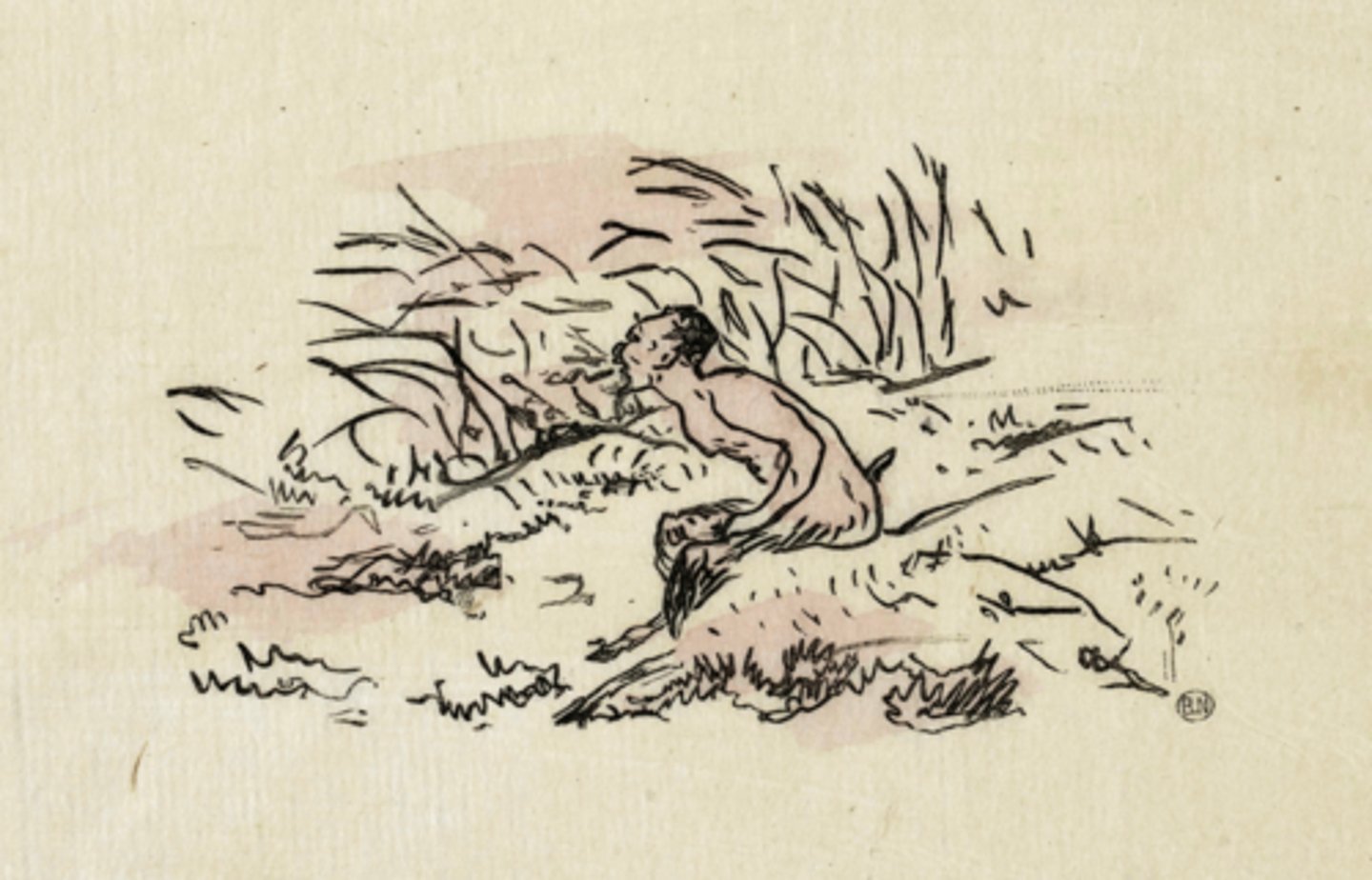
« Bergotte est ce que j'appelle un joueur de flûte »
M. de Norpois: "Bergotte is what I call a flute player." (Mallarmé's faune is one of the purest examples; Proust, refers to a sly triumph of the "flute-player" over the "mandarin," 110)
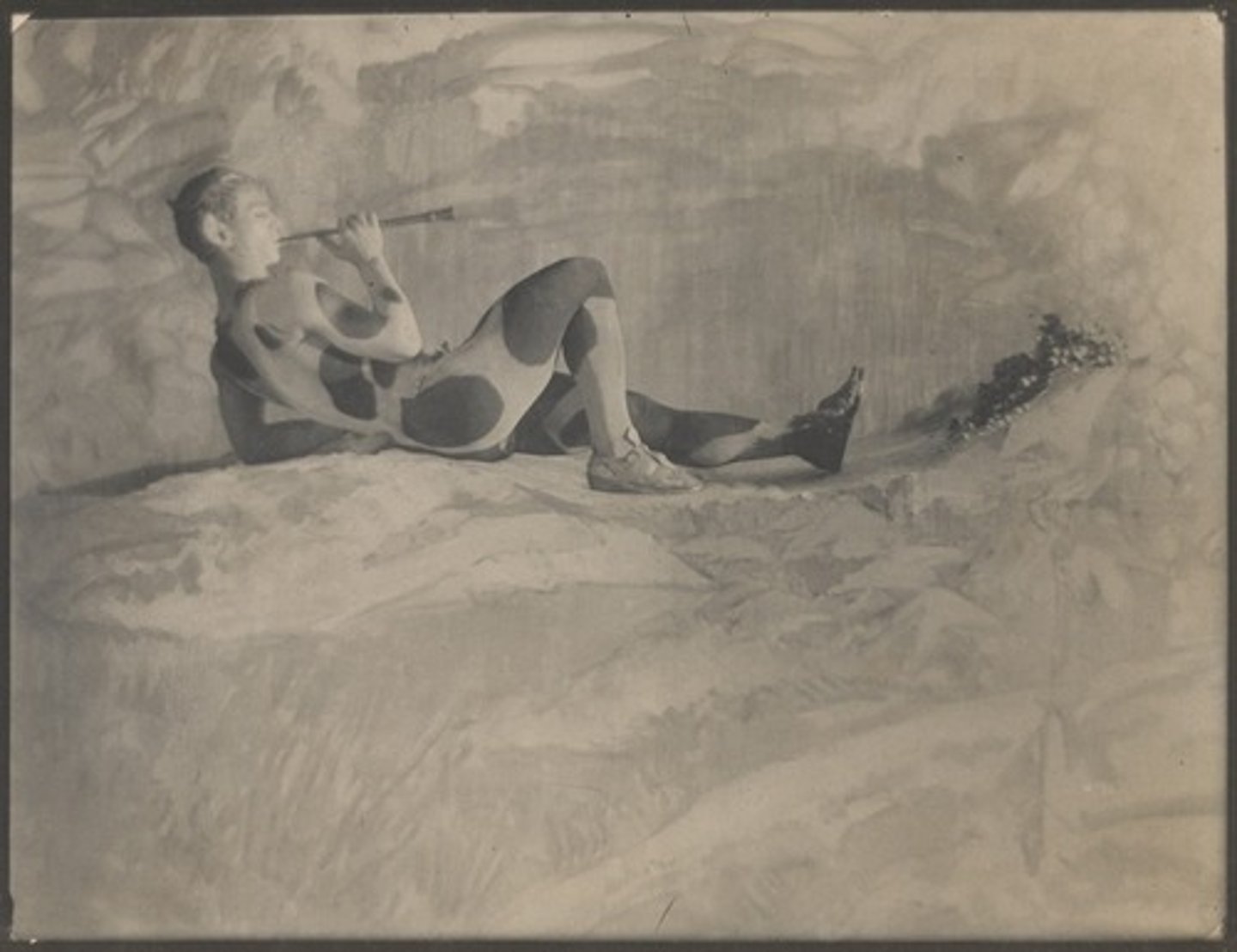
Prélude à l’après-midi d’un faune
Claude Debussy was inspired directly by Mallarmé's poem (1894)
L’Après-midi d’un faune
1912 - Vaslav Nijinsky created the dance, the costumes, the staging in his ballet for Debussy's Prélude; (Proust SM's poem intimately, CD's Prélude, and the Ballets Russes performance of Nijinsky's ballet)
la charpente
structural framework (of a novel); conventional literary vocab; contrasting the delicate, musical, impressionistic style of Bergotte, which is all charm and no visible "timber frame"; cf. P's endless sentences, minimal plot, obsessive focus on memory and sensation. (
la portée
the intellectual/moral significance (110)
pêcher par
to be defective/weak in (common construction in French criticism)
« Ses livres pèchent par la base ou plutôt il n'y a pas de base du tout. »
“His books are flawed at the foundation or rather, there is no foundation at all.” (110)