(B) Canine and Feline Neurological Disorders
 Call Kai
 Learn
 Practice Test
 Spaced Repetition
 Match
 Flashcards
 Knowt Play
1/316

Earn XP
Description and Tags
Brain + Spinal Cord + Peripheral Nervous System + Neurological Emergencies
317 Terms
head trauma is always — onset
acute
what causes head trauma (5)
HBC
falls
gunshot wounds
animal bites
malicious human behaviour
clinical signs of head trauma (12)
History of trauma to the head
Seizures
Blood in the ear
blood in the nose
blood in the oral cavity
Ocular hemorrhage
Loss of consciousness
decreased responsiveness
Signs of shock
arrhythmias
changes in ventilation
coma
anisicoria
what is the ABCD’s of head injuty assessment
Airway
Breathing
Cardiovascular
Disability assessment
hemorrhage may indicate …
skull fracture
hemorrhages are entry for —
bacteria
define anisicoria
pupils are diff sizes
when looking at Disability or Level of Consciousness in head trauma, what mental status signs are we looking for
Alert
Depressed
Delirious
Stuporous
Comatose
define Depressed
subdued attitude
define Delirious
altered perception of reality, may be frantic/hallucinating, unusual responses to stimuli
define Stuporous
state of sleep unless aroused by strong stimuli
define Comatose
deep unconsciousness, can’t be stimulated

the pupil size is considered
normal

the pupil reactivity would be
normal

the prognosis based on these pupils sizes is
good

the pupil size is considered
bilateral miosis

the pupil reactivity would be
poor to none

the prognosis based on these pupils sizes is
guarded

the pupil size is considered
unilateral mydriasis

the pupil reactivity would be
poor to none on mydriatic side

the prognosis based on these pupils sizes is
guarded to poor

the pupil size is considered
unilateral mydriasis with ventrolateral strabismus

the pupil reactivity would be
poor to non on mydriatic side

the prognosis based on these pupils sizes is
guarded to poor

the pupil size is considered
normal

the pupil reactivity would be
non-responsive

the prognosis based on these pupils sizes is
poor to grave

the pupil size is considered
bilateral mydriasis

the pupil reactivity would be
poor to non-responsive

the prognosis based on these pupils sizes is
poor to grave
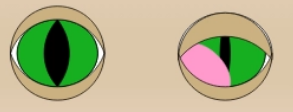
the pupil size is considered
normal

the pupil reactivity would be
miosis, ptosis and third eyelid protrusion
how to diagnose head trauma (5)
Rads
CT scan
MRI
history
Serum chem
how to treat head trauma (10)
Protect brain from ongoing damage
decrease edema
decrease ischemia
decrease pressure
Correct metabolic abnormalities
Provide oxygen
Elevate the head
Administer osmotic agents to decrease cerebral edema
Administer antiseizure medication if required
Administer corticosteroids
brain damage — reversible
isn’t
Animals in a coma for greater than 48 hours often will — survive
likely not
define primary head trauma
injury to the brain directly from trauma that causes injury to the nervous tissues
define secondary head trauma
from events that that worsen the neurological damage and produce systemic derangements
what are the classifications of head trauma (4)
concussion
contusion
coup-contrcoup
coma
what is under concussion (3)
Brief loss of consciousness
short period of confusion
no significant parenchymal damage
what is under contusion (3)
Injury where skin remains intact
usually due to blow to head
physical damage to brain parenchyma
what is under Coup-contrecoup (3)
Impact to head brain floating
brain hits opposite side of brain case
damage occurs to both sides of brain
comas are based on the assessment of (3)
motor activity
brain stem reflexes
level of consciousness
what is the common sequence of events for head trauma (8)
Trauma
brain hemorrhage
edema
increased intracranial pressure
cerebral ischemia
CO2 up
O2 down
oxygen free radical induced brain injury
define seizure
Abnormal electrical activity in brain
define Hydrocephalus (3)
caused by a blockage, or obstruction, of normal CSF drainage from around the brain
decreased CSF absorption
excessive CSF production that builds up faster than it can drain
what are the different types of intracranial seizures (6)
Congenital
Neoplasia
Inflammatory Diseases
Vascular Disease
acquired epilepsy
Metabolic Storage Disease
define Infarct
area of necrosis in tissue or an organ due to a thrombus disrupting blood flow
define Metabolic Storage Disease (2)
A metabolic enzyme deficiency
occurs when a dog's body fails to produce a sufficient amount of an enzyme necessary to metabolize, or break down, a specific substance.
A metabolic enzyme deficiency aka
metabolic storage disorder
what are the different types of extracranial seizures (2)
Toxins
Metabolic Disease
what are metabolic diseases that can cause extracranial seizures (5)
Liver ds
Hypocalcemia
Electrolyte abnormalities
Hypoglycemia
Ketosis
how to diagnose seizures (6)
CBC
Chemistry
UA
Radiographs
MRI
CSF
how to treat seizures (4)
Treat the underlying issue
Phenobarb
KBr
Levetiracetam
what are the different types of seizures (7)
Reactive Seizure
Epileptic seizure
Grand mal seizure
Petite mal seizure
Partial seizure
Idiopathic Epilepsy
Status Epilepticus
define reactive seizures (2)
Occurring as a natural response from the brain to a transient disturbance
Reversible when the cause is rectified
define Epileptic seizure (3)
Excessive synchronous usually self limiting epileptic activity of neurons in the brain
Short episodes with convulsions or focal motor, autonomic, or behavioral features
Having at least two unprovoked greater than 24 hours apart
define Grand mal seizure (3)
Whole brain affected
Unconscious
Generalized motor activity
define Petite mal seizure (2)
Mild generalized seizure
Momentary loss of consciousness
define Partial seizure
Localized to one area of brain
define Pre-ictal
clingy behavior in dogs
define Ictal
actual seizure
define Post-ictal
lethargy while the brain resets itself
define tonic
increase in muscle contraction lasting seconds to minutes, stiffening
define clonic
involves the same muscle groups, contractions every 2-3 secs, twitching/jerking
define Tonic-clonic
sequence of a seizure where the tonic phase is followed by the clonic phase
define Prodromal
change in disposition leading up to the preictal period
when should an epileptic patient be rush to the hospital
status epilepticus
what is some pre-hospital advice (4)
Do not restrain patient
Move if animal is at risk of injury
Book appointment for exam
Keep a journal of seizures
define Idiopathic Epilepsy
Characterized by repeated episodes of seizures without cause
what age does Idiopathic Epilepsy effect (range)
1 - 3 yrs
idiopathic epilepsy is typically seen in what breeds (9)
German shepherds
Miniature poodles
Toy poodles
St. Bernards
Cocker spaniels
Beagles
Irish setters
Golden retrievers
mixed breeds
clinical signs of idopathic epilepsy (2)
Seizures, often occurring at regular intervals
Normal behavior between seizures
how to diagnose idopathic epilepsy (5)
CBC
serum chem
Radiography
CT
MRI
how to treat idiopathic epilepsy (2)
Control seizure activity with phenobarbital
add potassium bromide with food if (1) not enough
define Status Epilepticus
Continual seizures for a prolonged period of time
what is considered a prolonged period of time for seizures (range)
5 - 10 mins
what causes status epilepticus (3)
Severe uncontrolled epilepsy
toxins
metabolic disease
clinical signs of status epilepticus(1)
Prolonged, uninterrupted seizure activity
how to treat status epilepticus (general) (3)
Control seizures
Begin fluid therapy
May need treatment for cerebral edema
how to give immediate treatment status epilepticus (10)
Diazepam
Propofol
sodium pentobarbital IV to effect
Establish an airway
give oxygen
start fluids
Check blood glucose and calcium concentrations
Monitor body temperature.
mannitol IV
prednisolone sodium succinate
how to give Maintenance treatment status epilepticus (2)
Phenobarbital
Levetiracetam
Epilepsy— a curable disease.
isn’t
Idiopathic Vestibular Disease aka
Old Dog Vestibular Disease
what is the Central vestibular system responsible for (4ish)
balance and coordination of … in relation to the movement of the head.
the eyes
body
limbs
what causes central vestibular disease (4)
Trauma
Infection
Neoplasia
Infarct
what causes peripheral vestibular disease (7)
Otitis media/interna
Middle ear tumors
Feline nasopharyngeal polyps
Trauma
Medication
Geriatric canine vestibular ds
Feline idiopathic vestibular ds
clinical signs of vestibular disease (6)
Incapacitating loss of balance
Nystagmus
Disorientation
Ataxia
Vomiting
Anorexia
how to diagnose vestibular disease (4)
History
CT
MRI
BAER - hearing test
how to treat vestibular disease (4)
antiemetic
spontaneous recovery
Supportive therapy and force-feeding should be implemented
Confine the animal to prevent injury from falling
what does MG stand for
Myasthenia Gravis
Myasthenia Gravis is a — receptor problem
Acetylcholine
Myasthenia Gravis is often — mediated
immune
what breed (group) is prone to Myasthenia Gravis
terrier breeds
what causes Flaccid paralysis (4ish)
Diseases affecting the
Peripheral nerves
spinal cord
neuromuscular junctions
Functional Zones of Spinal Cord (5)
Proprioceptive layer
Purposeful movement
Bladder/bowel function
Superficial pain
Deep pain
define Proprioceptive layer
allows animal to know where limbs are in space
define Purposeful movement
controls conscious ability to move limbs
define Bladder/bowel function
conscious and subconscious control of bladder and bowels
define Superficial pain
ability to feel light stimuli to skin and superficial tissues