Molecular Bio (Lectures 1-7) Exam 1 Prep
 Call Kai
 Learn
Learn Practice Test
 Spaced Repetition
 Match
Match Flashcards
 Knowt Play
1/167

There's no tags or description
Looks like no tags are added yet.
Name | Mastery | Learn | Test | Matching | Spaced | Call with Kai | Chat |
|---|
No analytics yet
Send a link to your students to track their progress
168 Terms
what is a gene
stretch of DNA that codes characteristics
what is an allele
variants of gene (changes in code)
what is an ORF
stretch of DNA (start to stop codons)
what is a mutation
process of change
what is variation
result of mutation
what is the defining chemical characteristic of RNA
2’ hydroxyl in addition to 3’ hydroxyl
what is the structural difference between purines and pyrimidines
purines have 2 rings while pyrimidines have only 1 ring
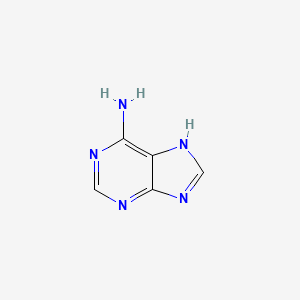
what is this base
adenine

what is this base
guanine
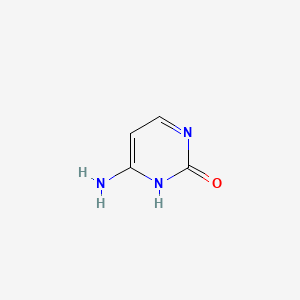
what is this base
cytosine
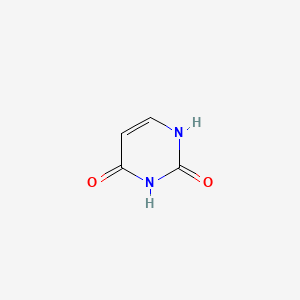
what is this base
uracil

what is this base
thymine
what is the key difference between nucleotides and nucleosides
nucleotides are nucleosides with a phosphate group
what is the bond that attatches phosphate groups to nucleosides
phosphodiester
what is a nucleoside
pentose with base (can be ribose or deoxyribose)
what is a nucleoside + 1 phosphate called
nucleotide monophosphate
what is a nucleoside + 2 phosphates called
nucleotide diphosphate
what is a nucleoside + 3 phosphates called
nucleotide triphosphate
what are the 5 nucleobases
guan, thym, aden, cyt, and ur (5 base pairs)
what is the nomenclature of a nucleoside
base + sugar (-osine for purines, -idine for pyrimidines)
what is the nomenclature of a nucleotide
base + sugar + #phosphates
what end are polynucleotides built upon
3’ free OH
how many base pairs/turn are in DNA
10 base pairs per turn
what groove of DNA has the most contact with other molecules
major
what is the total percentage rang of G + C
22 to 73%
what does a high content of GC pairs indicate
higher heat tolerance
what does a low content of GC pairs indicate
lower heat tolerance
why does absorption increase as temperature increases
as temp increases, h bonds break which allows for more surface area to interact with UV rays
what is melting temperature
the temperature at which DNA strands are ½ denatured
why does human DNA have a more complex heating curve
repetitive DNA allows remaining DNA to find each other faster
besides DNA, what can also denature DNA
organic solvents, high pH, and low salt concentration
why does GC content directly (and linearly) affect DNA density
GC has a larger molar volume than AC base pairs
what is annealing/renaturation
after DNA separation, 2 strands come back together (under proper conditions)
what is the best temperature for annealing
25 degrees Celsius below Tm
should there be higher or lower DNA concentration to best suit annealing
higher concentration (within limits)
is renaturation time important?
yes! as time increases, annealing increases
what is hybridization
process of putting together a combination of two different nucleic acids (1 DNA strand + 1 RNA stand or 2 DNA strands or 2 RNA strands with complementary/nearly complementary sequences)
what is the mw of 1 base pair (average of 2 nucleotides)
660 Da
what is the mw of 1 base of RNA
abt 350 Da
what can electron microscopy estimate about DNA
its size and shape (circular vs linear)
what is the mw of the average protein
40,000 Da
what is the average mass of an amino acid
110 Da
how many amino acids does a protein contain on average
364
how large is an e.coli chromosome
abt 4200 proteins
how large is Phage I
abt 44 proteins
how large is Phage II
5 proteins
what is c-value
DNA content per hapoild cell
what is the c-value paradox
caveat based on repetitive DNA and non-coding regions that states more complex organisms will not always contain proportionate increase in genes
What will differ about multicellular organisms with similar amounts of genes
differing amounts of base pairs
in what is it possible for RNA to exist as complete double strands
viral genomes
what does a bulge in RNA indicate
addition of 1 nucleotide
what does an internal loop in RNA indicate
addition of 2 nucleotides
What does a hairpin in RNA indicate
looped RNA
why do aromatic amino acids absorb UV wavelengths
conjugated pi systems give electron transitions of the right energies
what constitutes a eukaryote
presence of nucleous
how does one isolate biomolecules
1. cell LYSIS
2. protein denaturation/digestion to PURIFY
3. alcohol PRECIPITATION (makes DNA into pellets)
how does one stimulate DNA/RNA binding in silica isolation
make bridge using intermediary Na+ ion and wash (takes place of H2O)
what would be a good wash solution to get rid of salt in silica isolation
solution with high concentration of salt and little organic material
what is the elution going to require in silica isolation
water to take off Na+ and carry DNA with it
what happens to RNA at lower pH
purines get cleaved off
what happens at higher pH
RNA cleaves itself off through oxidation
what are the most common methods of protein purification
precipitation, column chromatography, and gel electrophoresis (for analysis, not purification)
what defines an analytical technique
the use a small amount of protein that gets modified or destroyed in analysis
what defines a preparative technique
a large amount of protein that maintains native protein activity
what are examples of protein precipitation
ammonium sulfate and EtOH
what percentage of protein solution becomes soluble during protein precipitation
40%
at what percentage does a supernatant become insoluble
50%
by what is solubility affected
pH and ionic strength (salts)
what occurs during size exclusion chromatography
small beads stay inside pores to filter protein by size
what elutes first in size exclusion chromatography
larger proteins
in anion exchange, is the pka higher or lower
higher (abt 11 pka)
in cation exchange, is the pka higher or lower
lower
what is inside ion exchange chromatography
polymer beads with negatively charged functional groups
in cation exchange, what elutes faster
proteins with a more negative charge
in anion exchange, what elutes faster
proteins with a more positive charge
what is inside affinity chromatography
polymer-bound ligand specific for POI
in affinity chromatography, of what does the elution consist
imidazole ions from histadine
what method allows for direct visualization of DNA and RNPs
electron microscopy (TEM and cryo-EM)
what methods allows for indirect visualization of nucleic acids
gel matrices, fluorescence
what does the presence of fractions on a band indicate
they have the desired material and appear due to the radioactive label
what procedure detects DNA
Southern blot
what procedure detects RNA
northern blot
what procedure detects proteins
western blot
how do DNA/RNA blot techniques work
radioactive complementary strands
how do protein blot techniques work
naturally occurring protein-protein interactions - antibodies generated by injecting a small animal with the protein you wish to follow - after a few weeks to months, the animal produces antibodies against your protein
what does the radioactively labeled secondary antibody attach to in western blotting
a primary antibody
what shape are all eukaryotic chromosomes
linear - capped by telomeres
how many base pairs of DNA exist in each of our cells
6 billion - abt 6ft long
how small much the DNA compact into to fit inside the nucleus
10 microliters
what charge does a histone core carry
positive
what is a nucleosome
histone core protein + dna
what is the minor “linker” histone called
H1
what are the 4 major histone proteins inside the core
H3, H2B, H2A, H4
how many variants of H4 have ever been reported
2
how many bp of DNA are in a single nucleosome
147bp
how many times does DNA wrap around histone
1.67times
what is a prokaryotic chromosomal DNA replication called
catenane
what is the function of topoisomerase 1
relax positively supercoiled DNA
on what cofactor is top1 dependent
ATP
what is it called when one phosphodiester bonds breaks and one phosphodiester bond is made
isoenergetic