Bricks, Beads and bones/bronze age
 Call Kai
 Learn
Learn Practice Test
 Spaced Repetition
 Match
Match Flashcards
 Knowt Play
1/19

There's no tags or description
Looks like no tags are added yet.
Name | Mastery | Learn | Test | Matching | Spaced | Call with Kai | Chat |
|---|
No analytics yet
Send a link to your students to track their progress
20 Terms
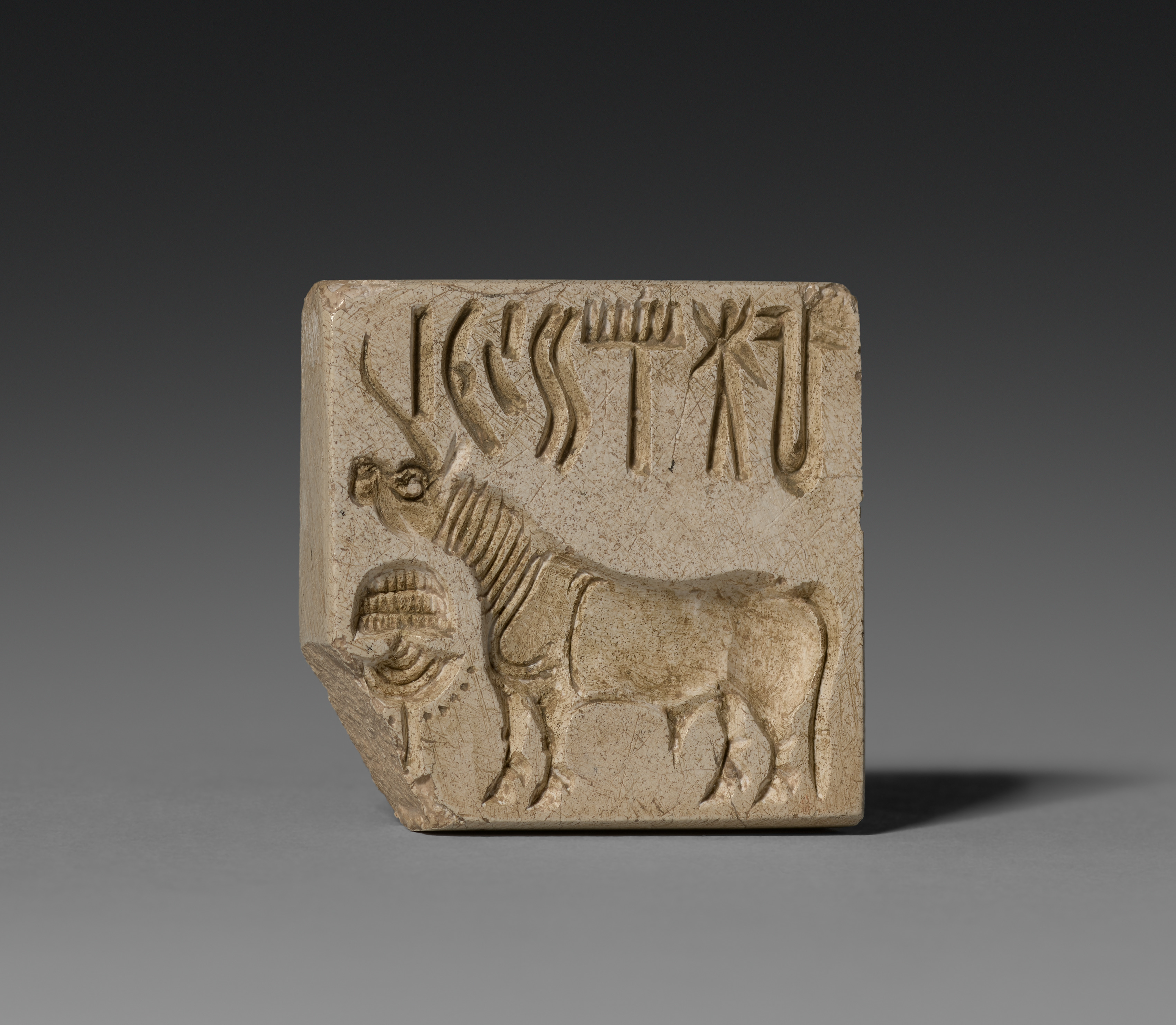
The most distinctive artifact of the Harappan/Indus valley civilisation
The Harappan seal
Made of stone called steatite
Contained animal motifs and signs
The script remains undecipherable
What archaeological evidence was left behind?
Houses
Pots
Ornaments
Tools
Seals
Where was the term derived of?
The place in where it was first identified
Total time-span(6000 BCE - 1300 BCE)
Early Harappan (6000 BCE - 2600 BCE)
Formative phase
Mature Harappan (2600 BCE - 1900 BCE)
Urban phase, most prosperous
Late Harappan (1900 BCE - 1300 BCE)
Decline of the civilisation
Regions where artifacts were found
Afganistan
Balochistan
Sind
Punjab provinces of Pakistan
Indian sites where artifacts were found
Jammu and Kashmir
Punjab
Haryana
Rajasthan
Uttar Pradesh
Maharashtra
What types of artifacts are found?
Pottery
Bricks(Baked or unbaked)
Seal
Weights
Beads
Copper and bronze articles
Why is Harappan civilisation also called as the Harappan culture?
Archaeologists use the term “culture" for:
A group of objects
distinctive in style
Usually found together
Within a specific geographical area and period of time
For the Harappans these were:
Pottery
Bricks(baked and unbaked)
Seals
Weights
Beads
Copper and bronze articles
Theories about the transition from early Harappa to Mature Harappa
ABRUPT BREAK
Large-scale burning at some-sites
Abandonment of some settlements
GRADUAL TRANSFORMATION
Internal development of the civilization during the early Harappan phase
Cultures prior to Mature Harappa
Distinctive pottery
Agriculture and pastoralism
Crafts
Settlements were generally very small
Harappan culture emerged from early farming communities (7000BCE)
Harappan settlements
2000 sites discovered in the Indian sub-continent
Most located between Indus and Saraswati(2/3) river basins
Five Major cities
Rakhigarhi
Mohen-jo-daro
Harappa
Dholavira
Ganweriwal
Remaining sites
Regional centers
Agricultural villages
Ports
Manufacturing centers
Evidence used by archaeologists to reconstruct dietary practices
Some of mature Harappan culture(2600-1900BCE) and early Harappan(6000-2600BCE) culture developed in similar sites, they shared common elements, such as subsistence farming practices.
Finds of charred grains and seeds(archaeo-botanists)
Wheat
Barley
Lentil
Chickpea
Sesame
Millet(Gujarat)
Rice(Rare)
Animal bones, presumably domesticated(archaeo-zoologists)
Cattle
Sheep
Goat
Buffalo
Pig
Bones of wild animals
Boar
Deer
Gharial
Bones of fish and foul were also found
Agricultural technologies
Bulls and Oxen for ploughing, as represented by seals and terracotta sculptures
CHOLISTAN & BANAVALI(Haryana)
Terracotta models of the plough
KALIBANGAN(Rajasthan)
Ploughed fields
Two different crops grown
Two sets of furrows at right angles to each other
Most Harappan sites were located in semi-arid lands
SHORTUGHAI, Afganistan
Traces of canals
DHOLAVIRA, Gujarat
Wells and water reservoirs

Saddle quern & food processing
Food processing equipment made up of
Stone
Metal
Terracotta
Saddle quern, Mohen-jo-daro
1937, Ernest Mackey
Abundant
For grinding cerals
Made of
Hard
Gritty
Igneous rock or sandstone
Signs of hard usage
Convex base
Set in mud to prevent rocking
Of 2 types
For grains
For herbs(mortar-pestle esq)
Town-planning of Harappan civilization: Lower Town
Larger and lower
Walled
Several buildings were built on platforms, which served as foundations.
Carefully planned drainage system
Roads and streets were laid out along an approximate grid pattern, intersecting at right angles
Drains were laid out first and then houses were built along them
Residential buildings were centered on a courtyard
Rooms on all sides
Courtyard was probably the center of activities
Main entrance did not give a direct view of the interior
No windows at ground floor
Every house had its own bathroom
Drains were connected through the walls to the street drains
Remains of staircases to reach the second floor
Many houses has wells(700 total), often accessible to outsiders
Town-planning of Harappan civilization: Upper town/Citadel
Buildings were constructed on mud brick platforms
Walled; physically separated from the lower town
Two most important buildings
WARE HOUSE
A massive structure
Only lower brick portion remains
GREAT BATH
Large rectangular tank in a courtyard
Surrounded on all 4 sides by a corridor
Two flights of steps on the north and south leading into the tank
Made watertight by setting bricks on the edge and mortar of gypsum
Rooms on all 3 side, one has a large well
North lay a smaller building with 8 bathrooms, 4 on each side
May have been for a special ritual bath
It is unique
It is in the Citadel
Drainage system of the Harappan civilization
Streets with drains were laid out first and then the house were built along them
Every house had at least one wall along the street
Main channels were made of bricks set in mortar and covered with loose bricks that could be removed for cleaning
Some used limestone for the covering
PROCESS OF DRAINAGE
House drains emptied into a sump/cesspit
Solid matter settled these, waste water flowed out
Very long drainage channels had sumps at intervals for cleaning
Even found in smaller settlements like LOTHAL
Houses of mud bricks and drains of burnt bricks