Brain, Sleep, and Consiousness Test
 Call Kai
 Learn
 Practice Test
 Spaced Repetition
 Match
 Flashcards
 Knowt Play
1/37

Earn XP
Description and Tags
AP Psychology
38 Terms
brainstem & medulla
controls basic life support functions like breathing and heart rate (if damaged can be on life support or die)
Reticular Activating system
controls alertness, while nearby subcortical areas influence voluntary movement, eye movement, cognition, emotion, and learning
cerebellum
maintaining balance, coordinating muscle movement, and processing procedural memory learning (Located at the rear base of the brain)
limbic system and core structures
essential for emotional regulation, memory, and physiological balance
thalamus
brain's sensory switchboard/relay station that routes sensory signals except smell to the appropriate cortical areas
hypothalamus
maintains homeostasis by regulating hunger, thirst, body temperature, and controlling the endocrine system
pituitary gland
-endocrine system gland (HORMONES) governed directly by the hypothalamus; operates physical processes
hippocampus
critical for processing and forming new explicit/declarative memories
amyglada
primarily responsible for processing emotional responses, particularly fear and aggression
occipital lobe
visual information (rear of the brain)
temporal lobe
auditory processing and linguistic functions (speech) (sides of the brain)
parietal lobes
sensory information
frontal lobe
manage higher-order thinking, linguistic processing, and executive functioning within the prefrontal cortex, while controlling skeletal movement via the motor cortex at the rear of the lobe
left part of the brain
speech production and comprehension
Broca’s area (left frontal lobe)
speech production
Wernickies area (left temporal lobe)
speech comprehension
contralateral organization practice
Sensory input and motor control are cross-wired contralaterally
- If an image is flashed exclusively to a split-brain patient's left visual field, the visual input travels only to the right hemisphere.Because language production centers are located in the left hemisphere, the patient cannot name the object out loud. However, because motor output is also contralateral, the patient can pick up the object with their left hand, which is controlled by the right hemisphere.
brain plasticity
-capacity to rewire itself, modify neural connections, or establish new pathways during development or following injury, enabling alternative brain regions to assume standard functions
EEG
Measures brain wave electrical activity across the scalp, revealing functional wave patterns during wakefulness and sleep
fMRI
Tracks blood flow across brain structures, detailing both structural features and functional operations
lesioning
Intentional removal or destruction of tissue to observe functional deficits relative to structural brain baselines (corpus collosum)
consciousness
varying degrees of awareness regarding internal thoughts and external environmental events, both sleep and wakefulness represent distinct forms of consciousness
circadian rythym
The internal biological sleep/wake cycle operating on a roughly 24-hour period. Real-world disruptions like jet lag or shift work desynchronize this natural cycle
REM sleep
-paradoxical because the brain displays high internal EEG wave activity similar to wakefulness, paired with profound body relaxation and muscle paralysis
REM properties
-dreaming
-The frequency and duration of REM periods increase as the night progresses
-Following sleep deprivation, individuals experience REM rebound, entering REM sleep more quickly and staying in it longer when allowed uninterrupted rest
memory consolidation theory
Proposes that sleep functions to organize and consolidate memories formed throughout the day
restoration therapy
asserts that sleep functions to restore depleted physiological and cellular resources
activation synthesis theory
claims dreams are the brain's attempt to synthesize and make sense of random neural signals originating in the brainstem during sleep
consolidation therapy
Asserts that dreaming helps organize, process, and consolidate memories
insomnia
Persistent difficulty falling or staying asleep
narcolepsy
Uncontrollable sleep attacks occurring during waking hours
REM sleep behavior disorder
A condition where a sleeper physically acts out dreams due to a failure of normal REM muscle paralysis
sleep apnea
Temporary cessations of breathing during sleep that result in repeated awakenings
somnabulism
Sleepwalking that occurs specifically during deep NREM sleep
severing corpus collosum
treat severe epilepsy, preventing the two hemispheres from directly communicating with each other and allowing researchers to study hemispheric specialization
N1
-hypnagotic sensations


N2
-sleep spindles (brief, high-frequency bursts of rapid, rhythmic brainwave activity)
-decrease in heart rate and body temp
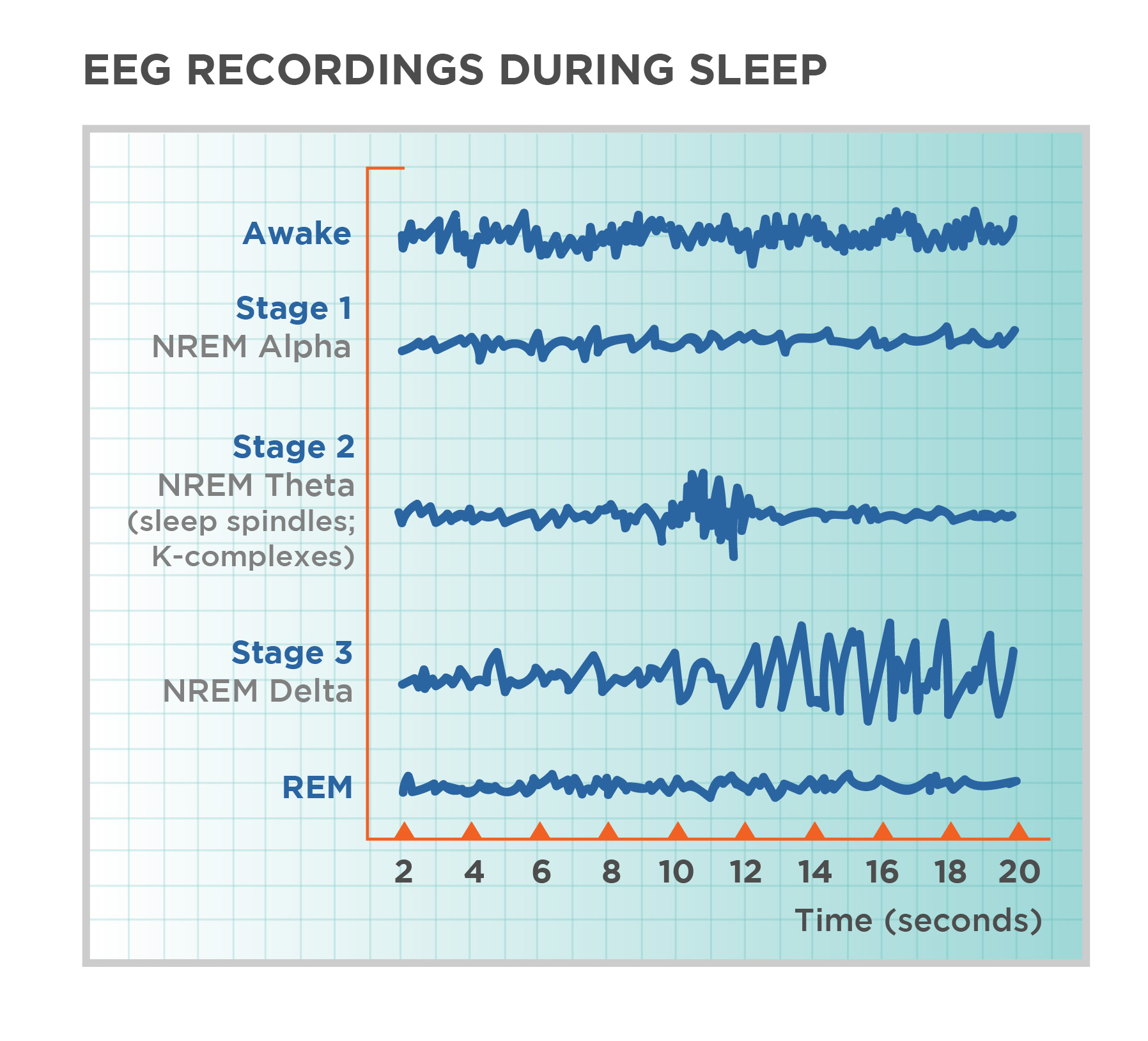
N3
-high-amplitude, slow delta waves and plays a vital role in physical restoration and body tissue repair