5. Dehydration
 Call Kai
 Learn
 Practice Test
 Spaced Repetition
 Match
 Flashcards
 Knowt Play
1/22

There's no tags or description
Looks like no tags are added yet.
23 Terms
why does dehydration occur more readily in infants and young children?
increased extracellular fluid percentage
relatively more body water
increased basal metabolic rate
increased BSA-to-body-mass ratio
immature renal function
increased insensible fluid loss with elevated temperature
what can dehydration progress to?
hypovolemic shock
what’s the nursing priority for dehydration? *
assess hydration status and intervene quickly
restore fluid volume and prevent progression
what degree of dehydration matches these findings? *
alert
soft, flat fontanels
normal eyes
pink, moist oral mucosa
elastic skin turgor
mild dehydration
what degree of dehydration matches these findings?
normal HR and BP
warm, pink extremities
brisk capillary refill
urine output may be slightly decreased
mild dehydration
what degree of dehydration matches these findings? *
alert to listless
sunken fontanels
mildly sunken orbits
pale, slightly dry oral mucosa
decreased skin turgor
moderate dehydration
what degree of dehydration matches these findings? *
HR may be increased
normal BP; delayed capillary refill
urine output <1 mL/kg/hr
moderate dehydration
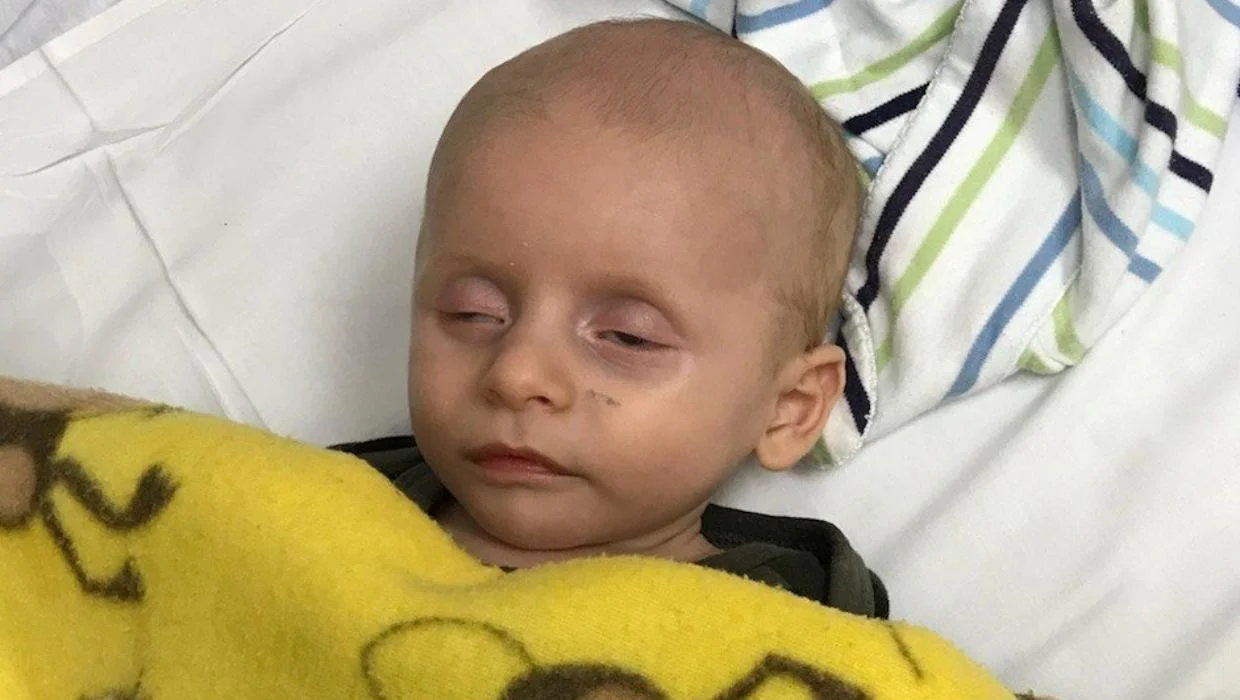
what degree of dehydration matches these findings? *
alert to comatose
sunken fontanels
deeply sunken orbits
dry oral mucosa
skin tenting
severe dehydration
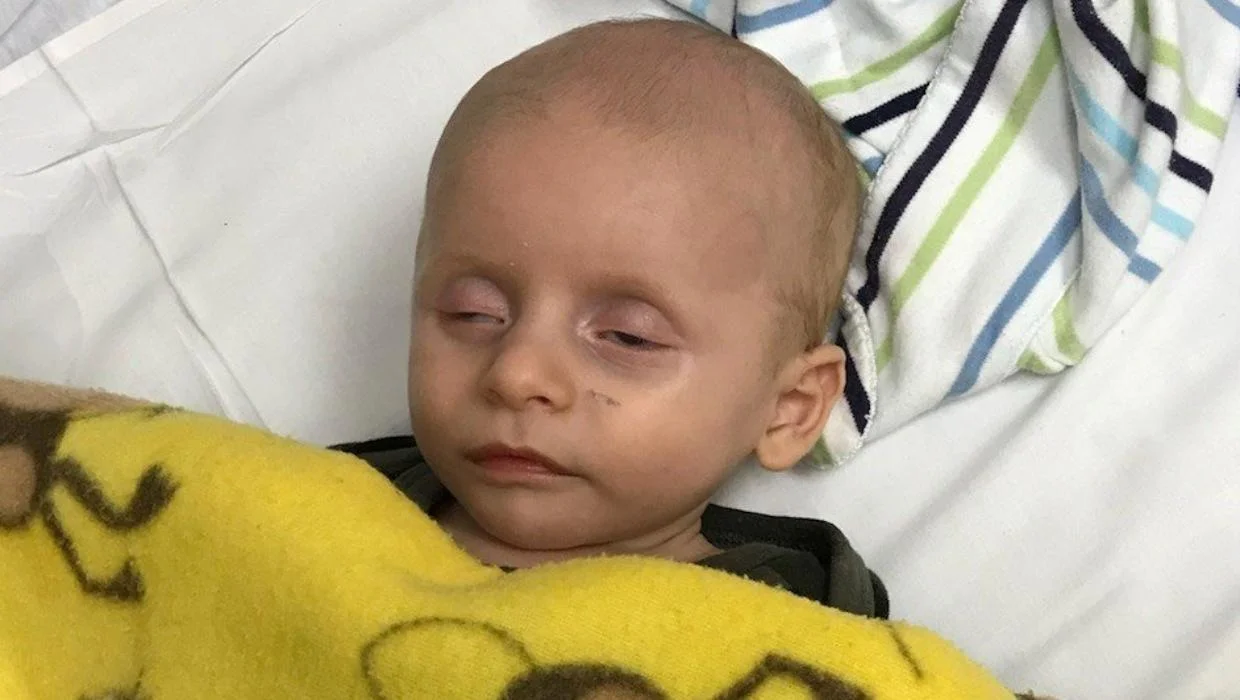
what degree of dehydration matches these findings? *
increased HR progressing to bradycardia
normal BP progressing to hypotension
cool, mottled, or dusky extremities
significantly delayed capillary refill
urine output significantly <1 mL/kg/hr
severe dehydration
how is mild or moderate dehydration treated? *
give 50–100 mL/kg of oral rehydration solution (ORS) over 4 hours
reevaluate and continue if the child is still dehydrated
what fluids are inappropriate for oral rehydration?
tap water
milk
undiluted fruit juice
soup and broth
when can a child resume a regular diet after dehydration?
when rehydrated
how is severe dehydration treated? *
IV fluids, initially 20 mL/kg
when are maintenance IV fluids started after severe dehydration?
once fluid balance is restored
repeated _____ can cause dehydration
vomiting and diarrhea
what must be addressed when treating vomiting?
identify and treat the underlying cause
what findings occur with viral diarrhea?
loose, watery stools
fever
vomiting
how is viral diarrhea treated?
oral rehydration
electrolyte replacement in some cases
early refeeding
antidiarrheals aren’t effective
what stool findings suggest bacterial diarrhea?
bloody or mucousy stools
how is bacterial diarrhea treated?
rehydration
early refeeding
antibiotics in some cases, but not all
which cause of diarrhea is associated with antibiotic use?
C. difficile
what complication is associated with E. coli O157:H7?
hemolytic anemia
what findings occur with parasitic diarrhea?
fever and watery stools
some cases require antiparasitic therapy