FRST 303 - Tree ID
 Call Kai
 Learn
Learn Practice Test
 Spaced Repetition
 Match
Match Flashcards
 Knowt Play
1/30

There's no tags or description
Looks like no tags are added yet.
Name | Mastery | Learn | Test | Matching | Spaced | Call with Kai | Chat |
|---|
No analytics yet
Send a link to your students to track their progress
31 Terms
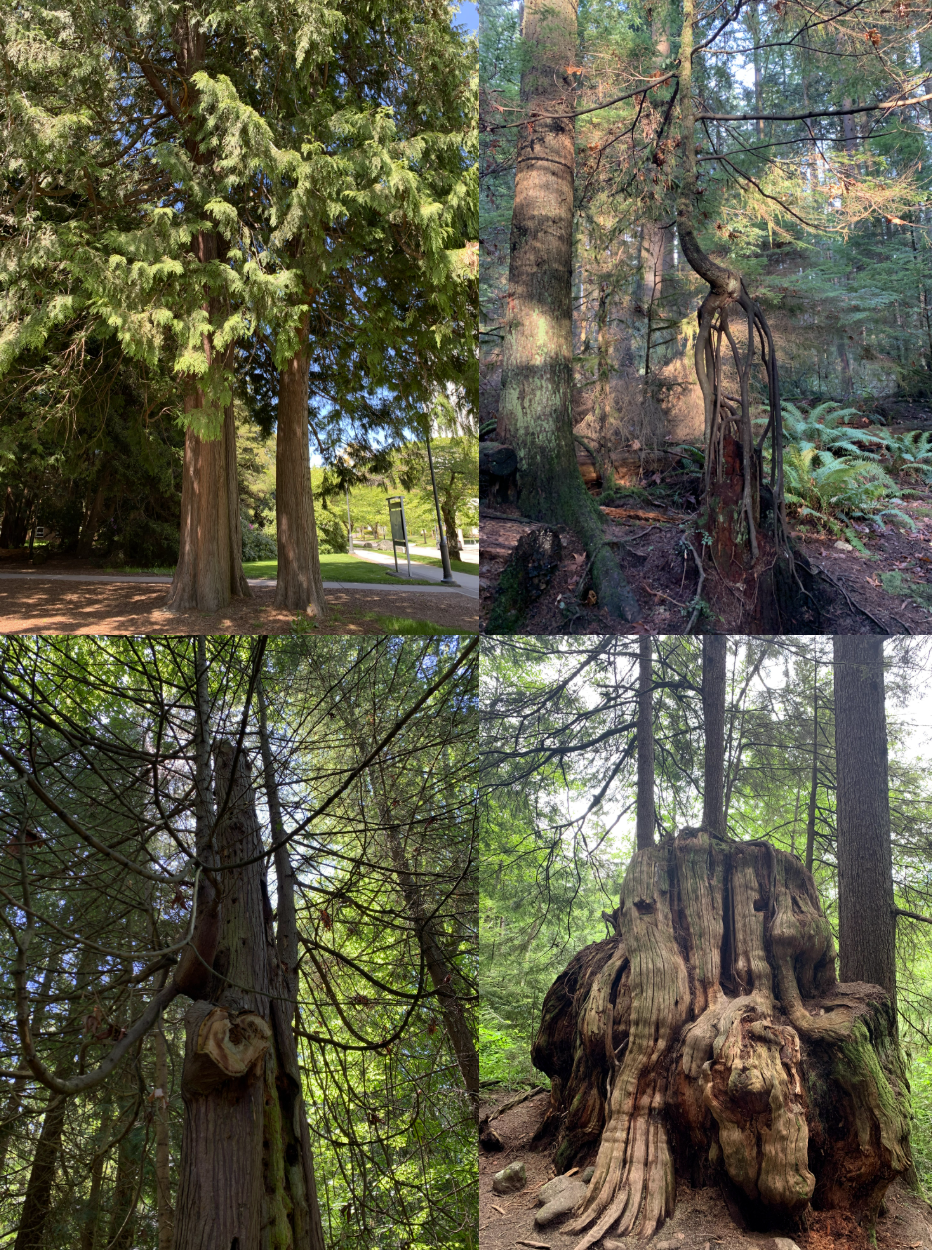
Western Redcedar
Thuja plicata
evergreen conifer w/ flat sprays of scale-like foliage
scales = green w/ white stomatal marks below
indeterminate (doesn’t form bud at end of growing season)
monoecious (indiv tree produces both pollen and seed cones)
can produce via layering
Seed cones = small and have 8-12 overlapping scales

Whitebark pine
Yellow cedar
Xanthocyparis nootkatensis
Foliage: drooping sprays of scale-like leaves, pressed to stem; arranged in alternating pairs of 2; has unpleasant, rank odour when crushed
Reproduction: pollen cones form at end of shoots (2-5mm long); seed cones globular, green, and berry-like when young
mature after 2 years and split open, each featuring a triangular protrusion
Western red cedar vs. this:
first is more flat and symmetrical; and seed cones are ovoid when young, upright, and have woody scales
latter lacks distinct white stomata on underside of foliage


Flowering cherry
Cerasus sp.
Foliage: oval, pointed leaves w/ serrated margins; glands present on the petiole @ base of leaf
Reproduction: flowers vary but wild ones have 5 petals
fruit are drupes

Ancient lineages and giants
Western Redcedar (Thuja plicata)
Ginkgo / Maidenhair Tree (Ginkgo biloba)
Monkey Puzzle Tree (Araucaria araucana)
American Sweetgum (Liquidambar styraciflua)
Coast Redwood (Sequoia sempervirens)
Giant Sequoia (Sequoiadendron giganteum)
Red Alder (Alnus rubra)
Douglas-fir (Pseudotsuga menziesii)
Regional hardwoods and classic conifers
Ponderosa Pine (Pinus ponderosa)
Vine Maple (Acer circinatum)
Bigleaf Maple (Acer macrophyllum)
Western Hemlock (Tsuga heterophylla)
Lodgepole Pine (Pinus contorta)
Black Cottonwood (Populus balsamifera ssp. trichocarpa)
Paper Birch (Betula papyrifera)
Trembling Aspen (Populus tremuloides)
Urban, ornamental, and exotic species
Japanese Cedar / Sugi (Cryptomeria japonica)
Garry Oak (Quercus garryana)
Arbutus / Madrone (Arbutus menziesii)
Sitka Spruce (Picea sitchensis)
Pacific Dogwood (Cornus nuttallii)
Grand Fir (Abies grandis)
Western Larch (Larix occidentalis)
Scots Pine (Pinus sylvestris)
English Oak (Quercus robur)

Ginkgo/Maidenhair tree
Ginkgo biloba
Foliage: fan shape w/ parallel veins splitting in 2 (dichotomous venation)
leaves from spur or short-shoots
tend to be covered in lichens / bryophytes
Deciduous
Reproduction: dioecious (pollen and seeds produced on separate plants)
seed covered w/ fleshy coat that has acid in it (looks like cherries kinda but isn’t)


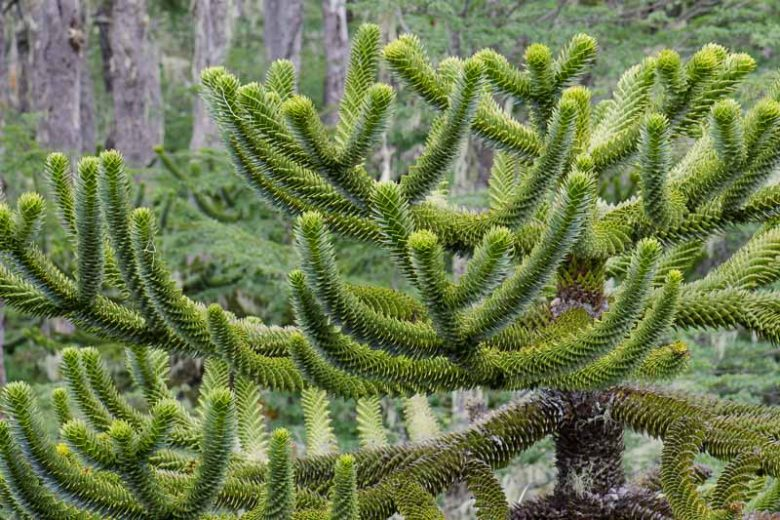
Monkey Puzzle Tree
Araucaria araucana
Foliage: leaves v sharp, rigid, triangular; base of leaves clasp stem and are visible lines of stomata beneath
Reproduction: can be monoecious or diecious
seed cones are 10-18cm long and disintegrate at maturity and pollen cones are fairly large too (7-15cm)

Sweetgum
Liquidambar styraciflua
Leaves: deciduous w/ 5, palmate lobes, slightly serrated margins and paler undersides, bright red in fall
For reproduction they produce fruit called capsules that split open
Maple vs. sweetgum
maples = leaves are opposite
sweetgum = alternate arrangement


Coast Redwood
Sequoia sempervirens
Foliage: depends on shade or sun
shade: flat leaves, 30mm long, visible lines of stomata underneath, found lower in the canopy
sun leaves: more scale-like and appressed to the stem;
All leaves spiral around stem but shade leaves lie flat and horizontal to capture most sunlight
Reproduction: monoecious (pollen and seed cones growing on seed plant), seed cones small, reddish-brown, spirally arranged scales that look like wrinkled lips
60-100m in height, straight trunks w/ burls and slight buttressing @ base, bark is red-brown


Giant Sequoia
Sequoiadendron giganteum
Foliage: sharp, pointed, scale-like leaves pressed spirally around stem, grows in sprays
Reproduction: cones are 4-9 cm long w/ many spirally arranged scales that look like wrinkled lips
can remain closed and green for many years (unique to this species)
cones are much larger than coast redwood w/ more scales and more seeds
Can reach 90m in height and are biggest orgs on planet by volume
Bark is fibrous, red, and furrowed


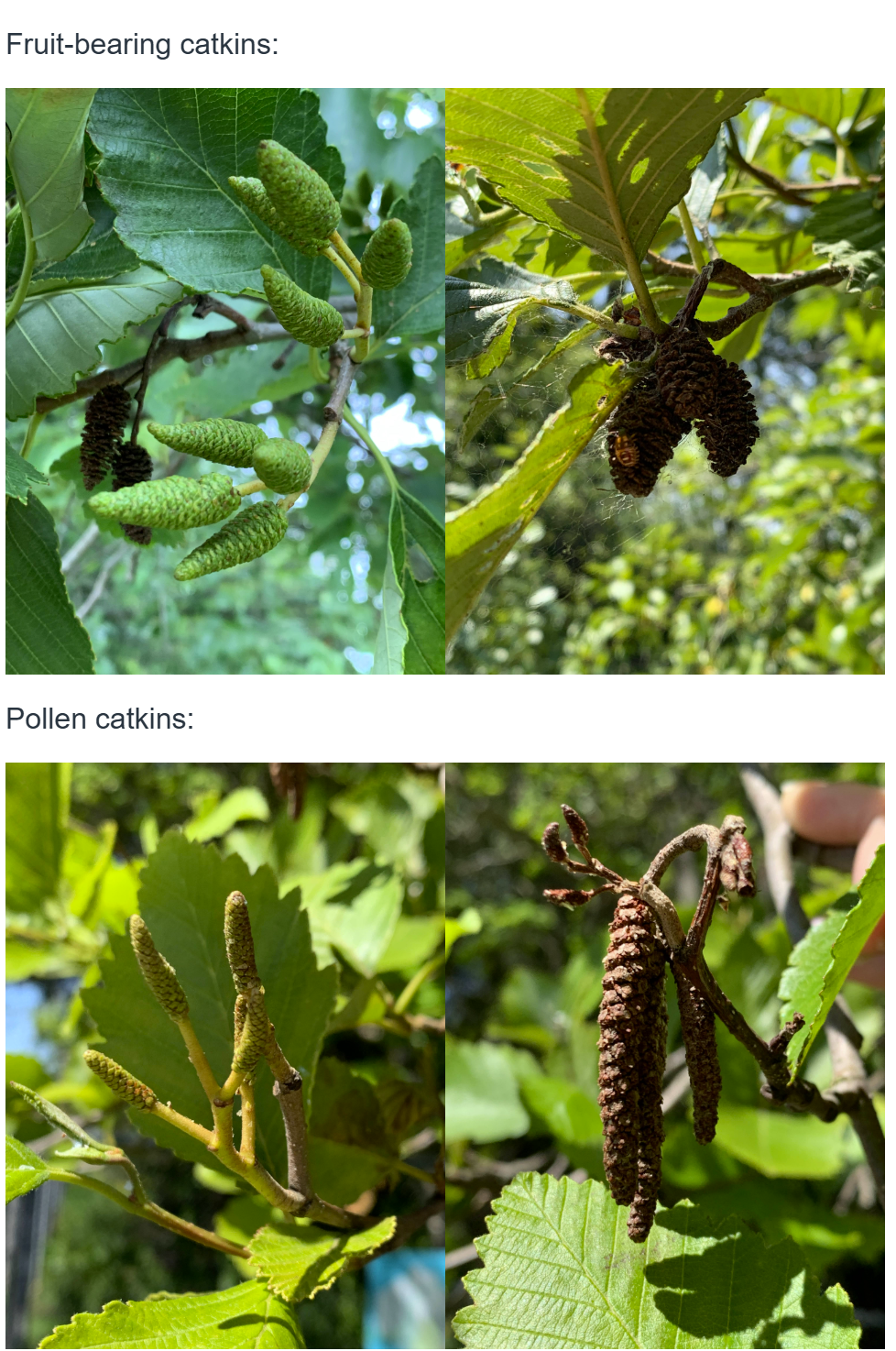
Red Alder
Alnus rubra
it’s an early-successional species; v shade intolerant
Leaves = oval-shaped, and have double serrated margins (larger toothed edge has smaller teeth on it
revolute (roll over slightly on the underside)
alternate arrangement
Flowers grow on catkins
Bark is green when young and turns white grey with age; if damaged turns rusty red colour

Douglas Fir
Pseudotsuga menziesii
Foliage: needles long, flat, encircling twig; 2 lines of stomata visible underneath
needles pointed, not sharp
yellow green when fresh, turning darker green
Buds: red and pointed
Reproduction: pollen cones start out pink and then turn yellow; seed cones start out upright and pinkish and then turn green before maturing
length and shape of the bracts (3 pointed and extend beyond cone sales)


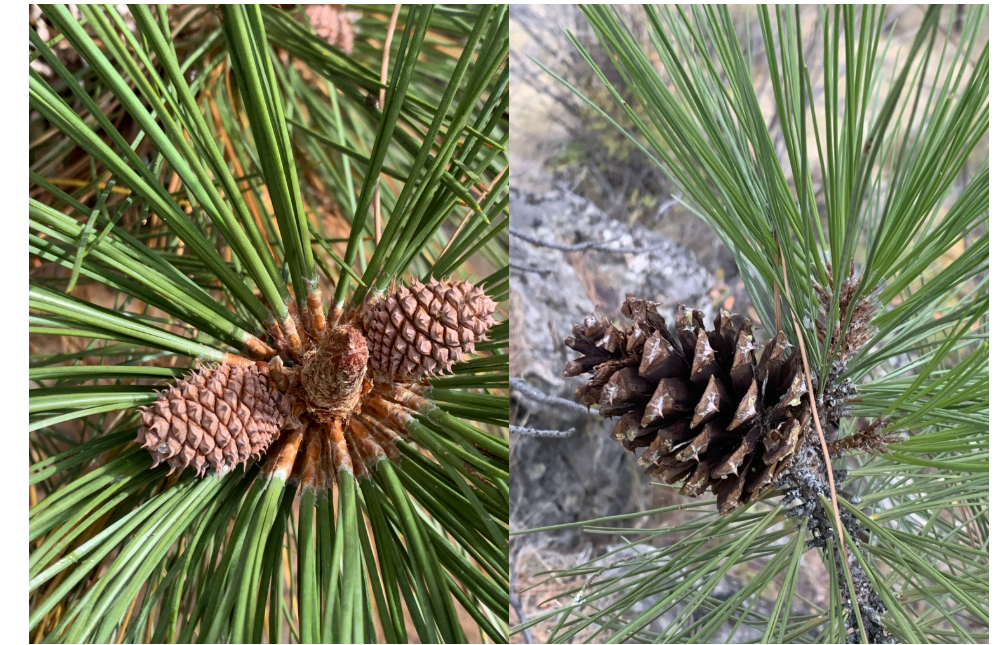
Ponderosa Pine
Pinus ponderosa
mature trees have thick, plated reddish bark with black crevices
Foliage: needles comes in fascicle bundles; needles come in fascicles of 3
Reproduction: seed cones take 2 years to fully develop and each scale has sharp prickle

Vine Maple
Acer circinatum
Foliage: leaves = alternate, palmately lobed w/ overall circular shape
leaves turn yellow or red
Reproduction: flowers small, with 5 red-purple sepals and 5 white-yellow petals, and long white stamens

Baobabs

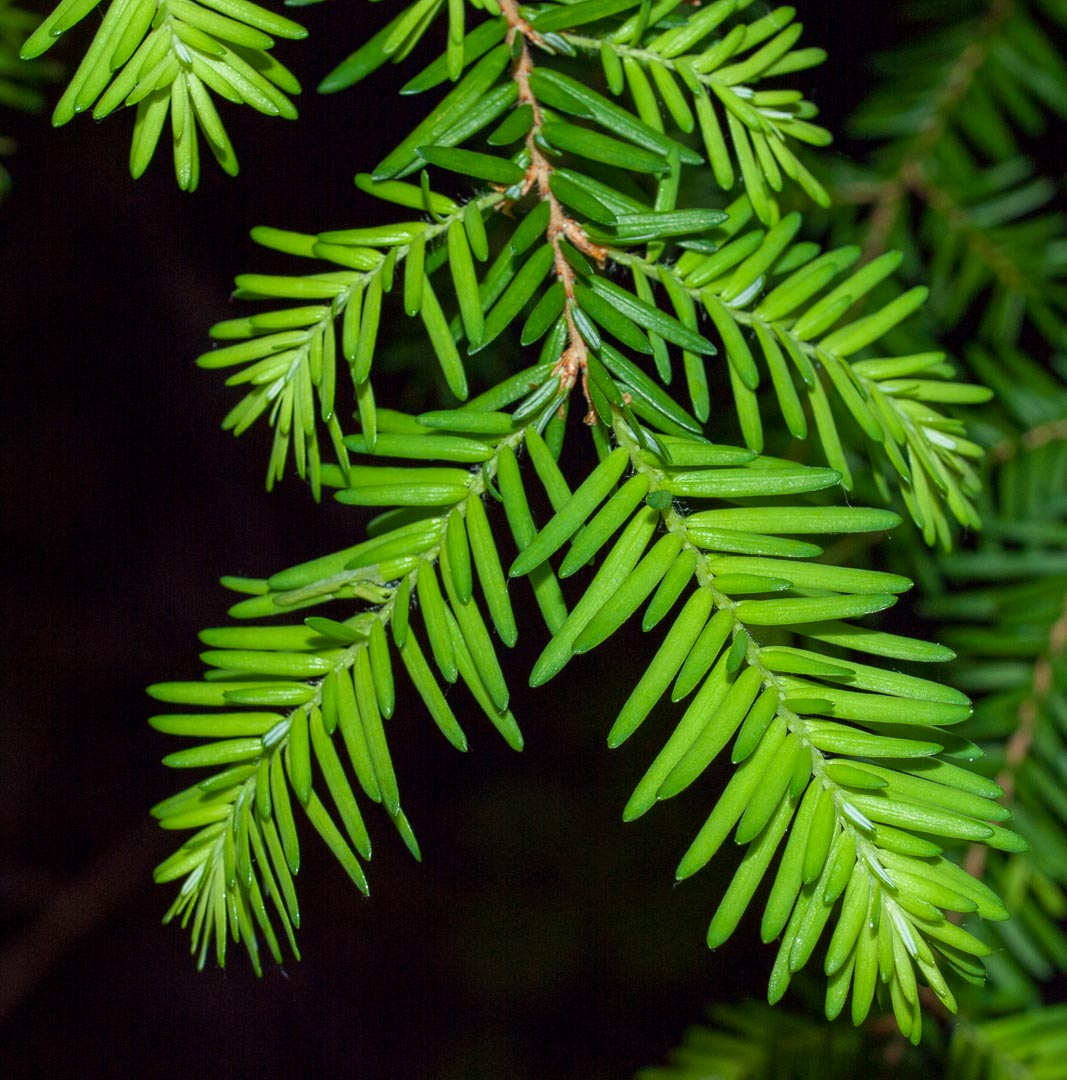
Western hemlock
Tsuga heterophylla

Bristlecone pine
Pinus longaeva
longest living, non-clonal organisms on the planet
even after death, trees can persist for many thousands of years
Foliage: needles in 5s; needle persistence longest of any known species and cuticle is thick and waxy against desiccation
Reproduction: seeds cones are 6-9.5 cm long at maturity, starting a deep purple and turning brown; scales pricked


Black cottonwood
Populus trichocarpa
Foliage: leaves pointed w/ lightly serrated margins
upper side of leaves = deeper green and underside pale
Reproduction: dioecious, w/ pollen and fruit being produced on separate trees; fruits = capsules and split at 3 seams, releasing many seeds attached to cotton


Tulip Tree
Liriodendron tulipifera
Foliage: leaves w/ 4 main lobes occasionally with 2 smaller lobes at base on mature trees
tip of leaves may be notched or straight across
Reproduction: flowers look superficially like tulips; fruits are an aggregate of samaras which are winged dry fruits

Palms
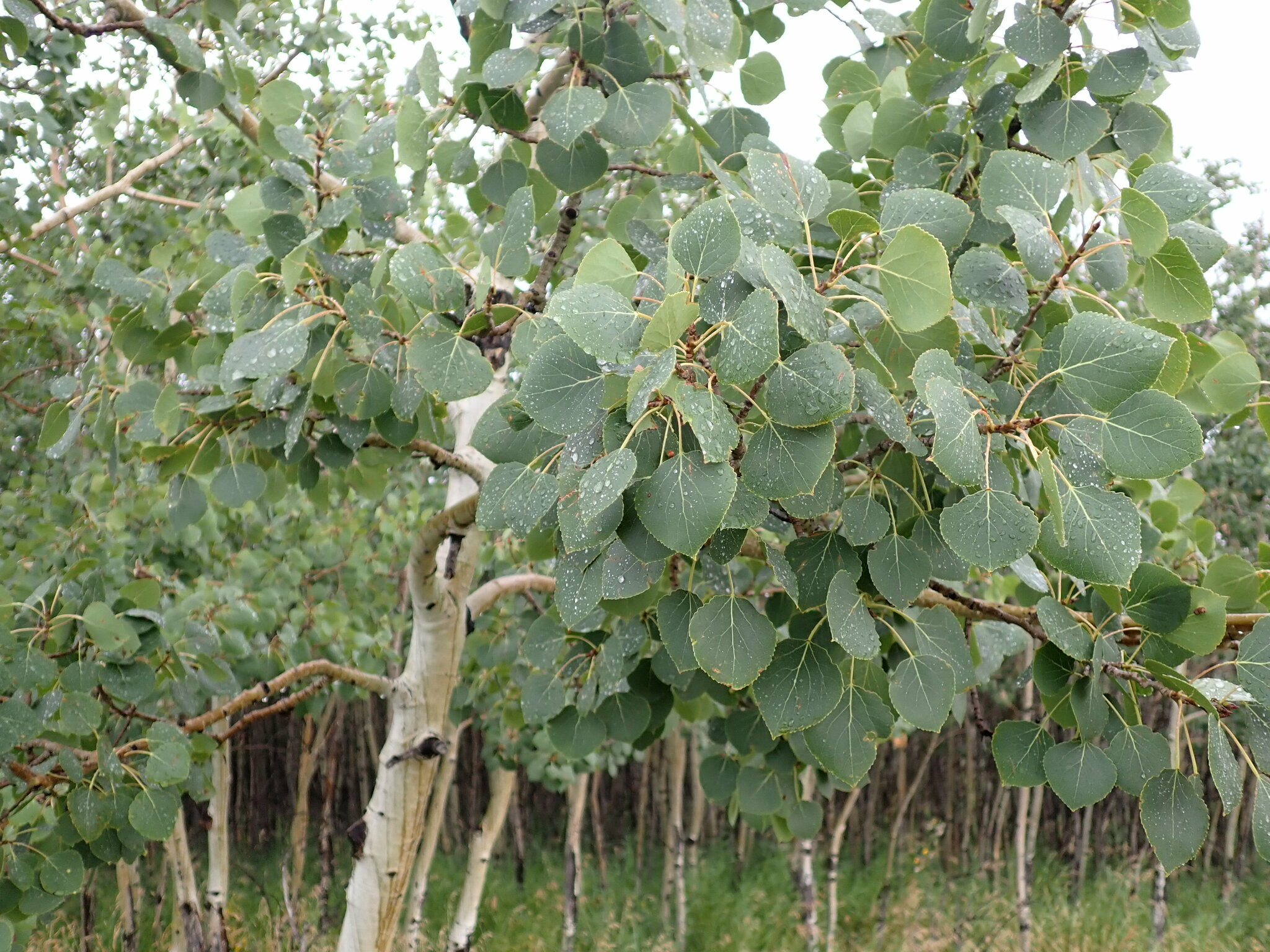
Trembling aspen
Populus tremuloides


Japanese Cedar / Sugi
Cryptomeria japonica
Foliage: awl-shaped needles, spirally arranged, slightly curving towards stem
Reproduction: seed cones 1-2cm wide, flower bud shaped with frilly, toothed scales


Red oak
Quercus rubra
Foliage: leaves alternate with 7-9 lobes and 3 points at the end of each lobe; buds sharp and pointed
Reproduction: pollen (catkins) and fruit bearing flowers (leaf axils produce acorn fruits) on separate structures
pollen produced on long, drooping catkins


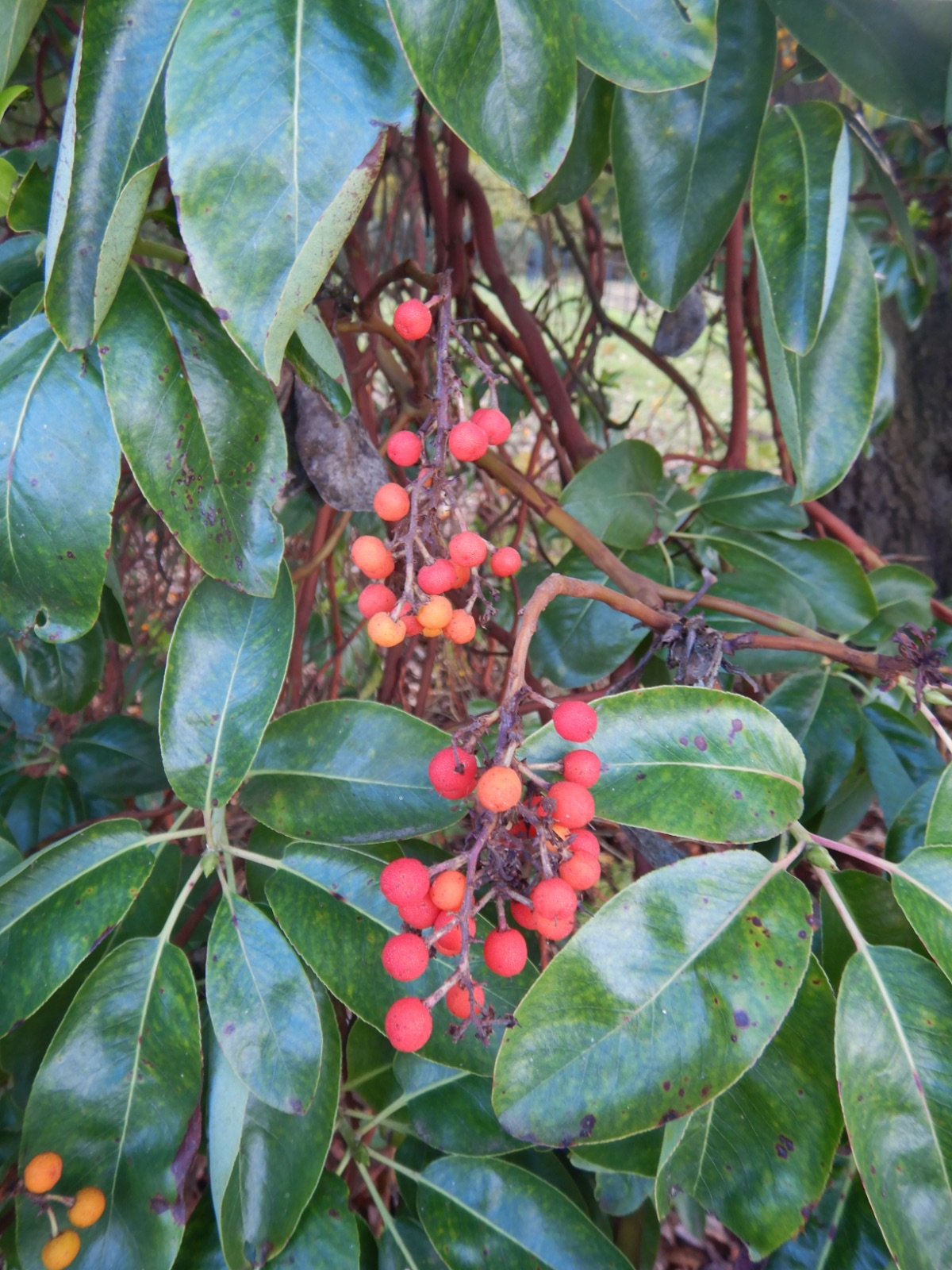
Arbutus / Madrone
Arbutus menziesii
peeling red-brown bark, shiny evergreen leaves, twisted trunk
leaves are thick, leathery, oval-shaped, with pale underside
hard, bright red-orange berries after white, urn-shaped flowers

Sitka spruce
Picea sitchensis
heights between 40-230 ft
open crown structure
needles are stiff, sharp, and 4 sided; 1 inch in length with blue-green hue on upper side and bluish-white tint under

Dawn redwood

Western Larch
Larix occidentalis
