Unit 2: Chapter 4 -7 (Demand, Supply, (Demand, Supply, and Prices), Market Structures)
 Call Kai
 Learn
Learn Practice Test
 Spaced Repetition
 Match
Match Flashcards
 Knowt Play
1/57

Earn XP
Name | Mastery | Learn | Test | Matching | Spaced | Call with Kai | Chat |
|---|
No analytics yet
Send a link to your students to track their progress
58 Terms
Demand
The willingness to buy a good or service and the ability to pay for it.
Law of Demand
When prices go down, quantity demanded increases. When prices go up, quantity demand decreases.

Demand Schedule
Listing of how much of an item an individual is willing to purchase at each price.

Market Demand Schedule
Listing of how much of an item all consumers are willing to purchase at each price.

Demand Curve
Graphically shows data from Demand Schedule.

Market Demand Curve
Graphically shows data from Market Demand Schedule.

Law of Diminishing Marginal Utility
The marginal benefit of using each additional unit of a product during a given period will decline.

Income Effect
The change in the amount that consumers will buy because the purchasing power of their income changes.

Substitute Effect
A change in the amount that consumers will buy because they buy substitute goods instead.

Change in Quantity Demand
An increase or decrease in the amount demanded because of a change in price.

Change in Demand
Occurs when something prompts consumers to buy different amounts at every price.

Normal Goods
Goods that consumers demand more of when their incomes rise

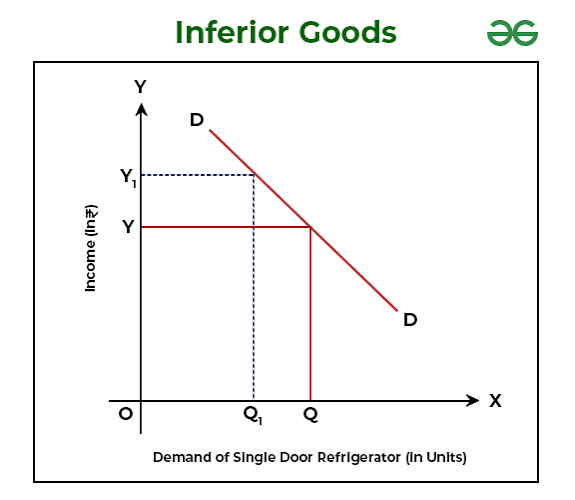
Inferior Goods
Goods that consumers demand less of when their incomes rise.
Substitutes
Goods and services that can be used in place of each other

Complements
Goods that are used together, so a rise in demand for one increases the demand for the other.

Elasticity of Demand
A measure of how responsive consumers are to price changes.
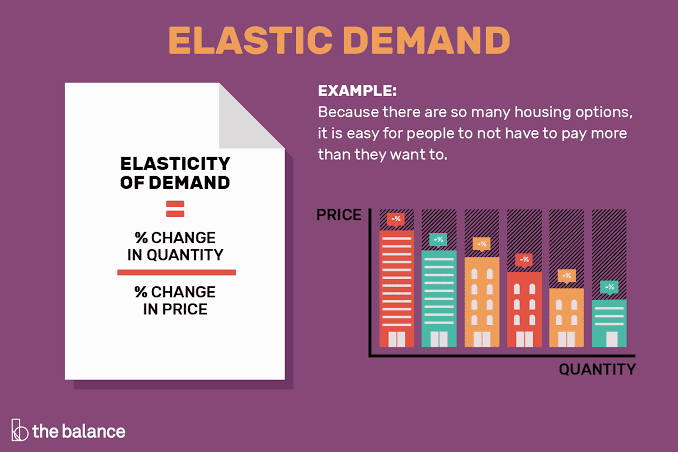
Elastic
Demand is elastic if quantity demanded changes significantly as the price changes.

Inelastic
Demand is inelastic if quantity demanded changes little as price changes.
Unit Elastic
Demand is unit elastic when the percentage change in price and quantity demanded are the same.

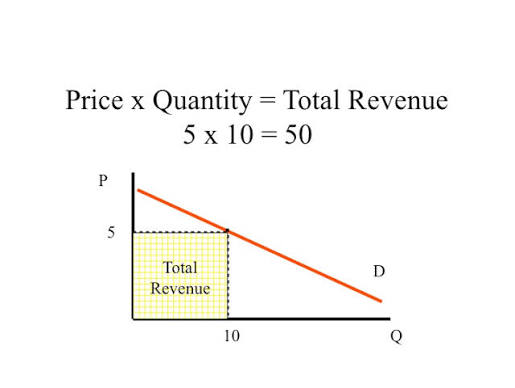
Total Revenue
A company’s income from selling its products.
Total Revenue Test
A method of measuring elasticity by comparing total revenues.

Supply
The desire and ability to produce and sell a product.

Law of Supply
When prices decrease, quantity sup- plied decreases, and when prices increase, quantity supplied increases.

Supply Schedule
Lists how much of a good or service an individual producer is willing and able to offer for sale at each price.
Market Supply Schedule
Lists how much of a good or service all producers in a market are willing and able to offer for sale at each price.
Supply Curve
Shows the data from a supply schedule in graph form.

Market Supply Curve
Shows the data from a market supply schedule in graph form.

Marginal Product
The change in total output brought about by adding one more worker.

Specialization
Having a worker focus on a particular aspect of production.
Increasing Returns
Occur when hiring new workers causes marginal product to increase.

Diminishing Returns
Occur when hiring new workers causes marginal product to decrease.

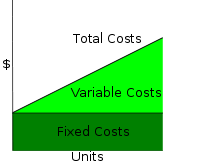
Fixed Cost
Those that business owners incur no matter how much they produce.

Variable Cost
Depends on the level of production output.

Total Cost
The sum of fixed and variable costs.
Marginal Cost
The extra cost of producing one more unit.
Marginal Revenue
The money made from the sale of each additional unit of output.

Total Revenue
Company’s income from selling its products.
Profit-Maximizing Output
The level of production at which a business realizes the greatest amount of profit.

Change in Quantity Supplied
A rise or fall in the amount producers offer for sale because of a change in price.

Change in Supply
Occurs when a change in the marketplace prompts producers to sell different amounts of every price.

Input Costs
The price of the resources used to make products.

Labor Productivity
The amount of goods & services that a person can produce in a given time.

Technology
Entails applying scientific methods and innovations to production.

Excise Tax
A tax on the making or selling of certain goods or services.

Regulation
A set of rules or laws designed to control business behavior.

Elasticity of Supply
A measure of how responsive producers are to price changes in the marketplace.
Market Equilibrium
Occurs when the quantity demanded and the quantity supplied at a particular price are equal.
Equilibrium Price
The price at which the quantity demanded and the quantity supplied are equal.
Surplus
The result of quantity supplied being greater than quantity demanded.
Shortage
The result of quantity demanded being greater than quantity supplied.
Disequilibrium
Occurs when quantity demanded and quantity supplied are inbalanced.
Competitive pricing
Occurs when producers sell producers sell products a lower price o lure customers away from rival producers, while still making a profit
Incentives
Encourages people to act in certain ways.
Price Ceiling
The legal maximum price that sellers may charge for a product.
Price Floor
A legal minimum price that buyers must pay for a product.
Minimum wage
A legal minimum amount that an employer must pay for one hour of work.
Rationing
A government system for allocating goods and services using criteria other than price.
Black Market
Involves illegal buying or selling in violation of price controls or rationing.