bones and joints
 Call Kai
 Learn
 Practice Test
 Spaced Repetition
 Match
 Flashcards
 Knowt Play
1/90

There's no tags or description
Looks like no tags are added yet.
91 Terms
How many bones are in the human skeleton
206
What three structures make up the skeletal system?
Bones, cartilage, and ligaments
What are the four major functions of bones?
Movement, protection, mineral homeostasis, and hematopoiesis
Why are bones considered organs?
They contain multiple tissue types
What are bone's main matrix components?
35% organic components
65% inorganic components (hydroxyapatites)
What are the two divisions of the skeleton?
Axial
Appendicular
What structures form the axial skeleton?
Skull
Vertebral column
Bony thorax
What structures form the appendicular skeleton?
Upper limbs and shoulder girdle
Lower limbs and pelvic girdle
What are the three types of skeletal cartilage?
Hyaline
Elastic
Fibrocartilage
What are the five bone shape classifications?
Flat
Irregular
Short
Long
Sesamoid
What is the primary function of long bones?
Leverage
What determines the surface features of bones?
Function
Location
Ligament/tendon attachment
Blood vessels
Nerves
What is the primary function of the cranium?
Surrounds and protects the brain
What are the major anatomical parts of a long bone?
Epiphyses
Diaphysis
Metaphysis
Articular cartilage
Compact/spongy bone
Marrow
Periosteum
Epiphyseal lines
Where do blood vessels and nerves enter bone?
Nutrient foramen
What structures are in the anatomy of a long bone?
Spongy/compact bone
Cartilage
Connective-tissue covering
Marrow
Vessels
What is the difference between periosteum and endosteum?
Periosteum: covers outer bone surface
Endosteum: lines medullary cavity
How is flat bone structurally arranged?
Spongy bone is between layers of compact bone
What structures compose spongy bone?
Trabeculae
Osteocytes
Red marrow (some bones)
What are the four primary bone cell types?
Osteogenic cells
Osteoblasts
Osteocytes
Osteoclasts
What do osteogenic cells develop into?
Osteoblasts
How does an osteoblast become an osteocyte?
Trapped within the calcified bone matrix
What bone tissue is organized into osteons?
Compact bone
What is the basic structural unit of compact bone?
Osteon
What does compact-bone histology examine?
Microscopic structure and organization of compact bone
What does the central or haversian canal contain?
Artery
Vein
Nerve
How do lamellae strengthen bone?
Arrangement inhibits the propagation of cracks
What is the basic microscopic organization of compact bone?
Osteons
How are the layers of an osteon arranged?
Concentric lamellae around a central canal
What structural arrangement helps compact bone withstand stress?
Layered lamellae
What gives an osteon its layered appearance?
Concentric lamellae
What material within lamellae contributes flexibility and tensile strength?
Collagen fiber
How do collagen fibers in lamellae resist torsion?
Orientation alternates between concentric lamellae
What are the two types of ossification?
Intramembranous
Endochondral
What type of bones are produced by intramembranous ossification?
Flat bones
What are the major events of intramembranous ossification?
Embryonic tissue differentiates
Ossification center forms
Osteoid mineralizes
Trabeculae/periosteum form
What type of bones are produced by endochondral ossification?
Long bones
What tissue serves as the template for endochondral ossification?
Hyaline cartilage
What structure is responsible for longitudinal bone growth?
Epiphyseal plate
What are the five zones of the growth plate?
Reserve cartilage
Cell proliferation
Hypertrophy
Calcification
Bone deposition
What structure allows a growing bone to increase in length?
Epiphyseal or growth plate
What remain after the epiphyseal plate closes?
Epiphyseal line
Why is bone both strong and flexible?
Collagen fibers provide strength and flexibility
Mineral crystals provide hardness and stiffness
Which cells perform mineral deposition during bone remodeling?
Osteoblasts
How do osteoclasts dissolve calcium crytals?
Secrete HCl, producing an acidic environment
How do osteoclasts resorb collagen from bone matrix?
Secrete enzymes such as acid phosphatase
What are the major functions of bone remodeling?
Reshaping/repair bone
Maintaining blood calcium levels
How does mechanical stress stimulate bone remodeling?
Microcracks trigger osteoblast and osteoclast activity
Which two hormones regulate bone deposition and resorption?
Calcitonin and parathyroid hormone
What vitamin is required for bone homeostasis?
Vitamin D
How are vitamin D, calcium, and bone health related?
Vitamin D supports calcium availability needed for bone homeostasis
What is osteoporosis?
Loss of bone mass
Why does bone become porous and fragile in osteoporosis?
Bone resorption occurs faster than bone deposition
At what age does bone density peak?
30 years old
What are the four major stages of bone-fracture repair?
Fracture hematoma
Callus formation
Replacement by trabecular bone
Remodeling
Name the types of fractures.
Closed
Open
Transverse
Spiral
Comminuted
Impacted
Greenstick
Oblique
How can a joint brace help after a bone fracture?
Reinforces the underlying bone structure while it heals
what are the minerals in bone reserve
calcium, phosphorus, and magnesium
what is hematopoiesis
blood cell formation
what does yellow bone marrow contain and do and where is it found
contains fat
provides storage
found in medullary cavity
what does red bone marrow do and where is it found
allows for hematopoiesis
found in spongy bone
what is the diaphysis
shaft of a long bone
what is the epiphysis
rounded ends of long bone
what is spongy bone composed of
composed of trabecular that contains osteocytes
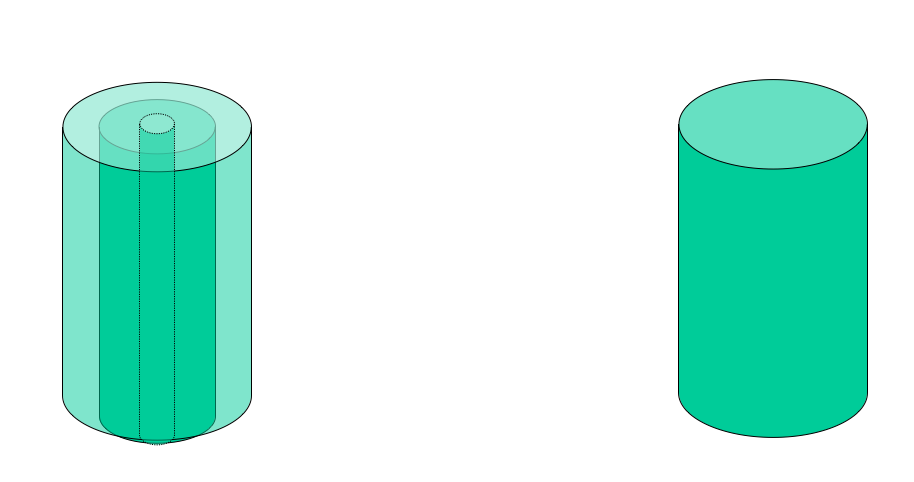
which arrangement helps prevent the propagation of cracks the best
picture on the left
what makes bone hard and stiff but also strong and flexible
hard and stiff: mineral crystals
strong and flexible: collagen fibers
what do calcitonin do and where does it come from
controls bone deposition
comes from C cells in the thyroid gland
what does PTH do and where does it come from
controls bone resorption
comes from parathyroid gland
what vitamin d does the liver produce
25 dihydroxyvitamin D3
what vitamin d does the kidney produce
1,25-dihydroxyvitamin D3
which fracture is the most dangerous
open fracture
which fracture is found in children under the age of 13
greenstick fracture
what are the three joints based on degree of mobility
diarthrosis = freely movable
amphiarthorsis = slightly movable
synarthrosis = little to no movement
what are the 4 joint types by classification by anatomy
fibrous
cartilaginous
bony
synovial
examples of a synarthrosis joint
sutures
teeth in sockets
what is the movement and anatomy classification of intervertebral discs
amphiarthrosis (mobility)
made from fibrocartilage so they form a symphysis type of cartilaginous joint
what is a multiaxial joint
diarthrosis by mobility
allows for three types of movement
easily injured
what do fibrous joints do and what are some examples
form strong connections between bones
ex: sutures, syndesmosis between radius and ulna, gomphosis
what are examples of cartilaginous joints
hyaline cartilage forms synchondrosis
fibrocartilage forms a symphysis
what are synovial joints
two bones separated by a space filled with synovial fluid
most structurally complex
what is a tendon
attaches muscle to bone
what is a ligament
attaches bone to bone
what is a bursa
sac filled with synovial fluid
what are the types of synovial joints
pivot joints - rotation around axis - first and second vertebrae
hinge joint - like a door - elbow
saddle joint - between carpal and first metacarpal
plane joint - allows for gliding - between tarsal bones of the feet
condyloid joint - radio carpal joint of the wrist
ball and socket - hip and shoulder
what are the most common joint injuries
sprains - ligaments stretched or torn
dislocations - bones forces out of normal position
cartilage damage - tearing menisci
what is bursitis
inflammation of bursa due to direct injury or friction
what is tendonitis
inflammation of the tendon sheaths due to overuse
what is arthritis
pain and stiffness and swelling of joints
what is osteoarthritis
most common
one sided
over use injury
non systemic inflammation
what is rheumatoid arthritis
autoimmune disease
may effect all joints (symmertical)
chronic inflammation
what is gout
abnormal nucleic acid metabolism
crystals of uric acid ppt in joints
commonly starts with the big toe
avoid foods high in purines