AP Psychology: Topic 2.3 - Introduction to Memory
 Call Kai
 Learn
 Practice Test
 Spaced Repetition
 Match
 Flashcards
 Knowt Play
1/23

There's no tags or description
Looks like no tags are added yet.
24 Terms
Storage
the process of retaining encoded information over time

Explicit memory
facts and experiences that one can consciously know and "declare" (i.e., describe or explained) to others

Episodic memory
the recollection of personal experiences that occurred at a particular time and place

Semantic memory
the recollection of general knowledge and facts about the world

Implicit memory
automatic memories and processes that operate outside of conscious awareness or control; implicit, not direct

Procedural memory
a type of implicit memory used in everyday tasks
Prospective memory
remembering to do something at some future time

Long-term potentiation (LTP)
an increase in a cell's firing potential after brief, rapid stimulation; related to learning activities that turn short-term memories into long-term memories

Working memory model
the theory that short-term memory is not a single store but consists of sub-categories

Primary memory system
the part of memory that retains a few items for only several seconds

Central executive
the "boss" of the working memory model that directs the two slave systems (the phonological loop and the visuo-spatial sketchpad)

Phonological loop
the part of working memory that holds and processes verbal and auditory information

Visuospatial sketchpad
the part of working memory that creates mental images to remember visual information

Multi-store model
an explanation of memory based on three separate memory stores, and how information is transferred between these stores

Sensory memory
the immediate, very brief recording of sensory information in the memory system

Iconic memory
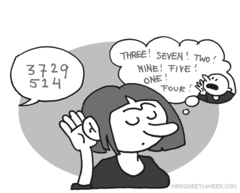
a type of short-term sensory memory in which one can recall visual images for just a few milliseconds after the physical image has disappeared

Echoic memory
a type of short-term sensory memory in which one can recall auditory stimuli for about 3 or 4 seconds
Automatic processing
any information processing that occurs involuntarily and without conscious intention or control

Effortful processing
encoding information through conscious attention and effort

Storage
the process of retaining encoded information over time

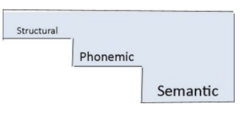
Levels of processing model
a theory that deeper processing of information increases the likelihood that the information will be recalled

Structural, phonemic, semantic
the three levels of the levels of processing model
Shallow encoding
encoding based on sensory characteristics, such as how something looks or sounds

Deep encoding
encoding based on an event's meaning as well as connections between the new event and past experience
