Lecture 5: LMA and Other Supraglottic Devices
 Call Kai
 Learn
 Practice Test
 Spaced Repetition
 Match
 Flashcards
 Knowt Play
1/88

There's no tags or description
Looks like no tags are added yet.
89 Terms
LMA
-minimally invasive device in the management of the airway in unconscious patients

LMA designed for use in
spontaneous ventilation
controlled ventilation no more than 20cmH2O
indications for supraglottic device
-known or unexpected difficult airway situation
-use in elective surgeries
-alternative to face mask for controlling airway
-clear airway during resucitation
LMA invented in
1981 by Dr Brain
commercial in 1988
Dr Brain wanted to
form a seal around the laryngeal not the pharyngeal perimeter
today LMAs are used in
more than 200 million patients
structure of LMA
airway tube
mask
inflation line
standard connector on LMA
15 mm
LMA made of
medical grade silicone (reusable) or PVC (single use)
LMA curve is
30 degrees
flexible vertical bars at entry of LMA are for
preventing obstruction by the epiglottis
black line on LMA
orients the tube to midline
should face you when placing
where does the tip of LMA
upper esophageal sphincter
where does the sides of LMA
face into pyriform fossae
where does the upper borders of LMA
face base of tongue
classic LMA
reusable device
max 40 times
LMA unique
single use
shaped similar to classic

LMA supreme
seperate conduit to allow passage of a gastric tube

LMA supreme provides
improved seal around glottis
built in bite block
LMA supreme specifically designed for
positive pressure ventilation
up to 30cmH2O
LMA ProSeal
easier to plae and fits better in oropharynx

LMA ProSeal has
built in bite block and salem sump/NG/OG tube can pass into stomach
LMA ProSeal allows for
ventilation at higher pressures due to the better seal
it protects the lungs from aspiration risk and stomach from gastric inflation
what LMA allow for higher pressure ventilation
LMA ProSeal
LMA Supreme
LMA Protector
which LMA can you suction through
proseal
supreme
protector
what LMA have built in bite block
protector
proseal
supreme igel
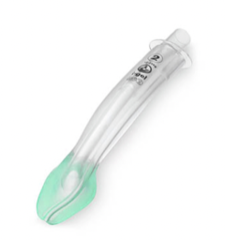
LMA Protector
similar to LMA supreme
higher PPV threshold, gastric tube, bite block

LMA Protector tends to have
less of sore throat
can use LMA Protector for
intubating conduit since there is no epiglottic bars
what indicates cuff presure on LMA Protector
pilot cuff color code
Flexible LMA
wire reinforced flexible airway tube
allows tibe to be bent without dislodgment of LMA

Flexible LMA offers
better protection from blood and secretions that happen above the trachea
Flexible LMA does not offer
resistance to occulusion by biting
LMA Fastrach (“iLMA”)
designed for one hand use to facilitate blind intubation of the trachea
special insertion technique

LMA Fastrach is not designed for
routine cases
causes increased pressure to pharynx if used long term
contraindications of LMA/SGD device
patients who are high risk of aspiration
patient swho have low pulmonary compliance
patients unable to answer medical history
high risk of aspiration
not NPO
>14 weeks preganant
sustained multiple or massive injury
acute abdominal or thracic injury
delayed gastric emptying
opiate use before fasting
aspiration and LMAs
does NOT prevent aspiration
prevelance of aspiration under GA
1-6 in 10,000 cases
prevelance of aspiration in LMAs
2 in 10,000 cases
why not use LMA in patients who have low pulmonary compliance
the peak airway pressures needed would exceed the allotted pressure for LMA
size 1 LMA
<5kg
cuff volume 4ml
size 1.5 LMA
5-10 kg
cuff volume 7ml
size 2 LMA
10-20 kg
cuff volume 10ml
size 2.5 LMA
20-30 kg
cuff volume 14ml
size 3 LMA
30-50kg
cuff volume 20ml
size 4 LMA
50-70kg
cuff volume 30ml
Size 5 LMA
70-100 kg
cuff volume 40ml
Size 6 LMA
>100kg
cuff volume 50ml
preparing for LMA insertion
cuff should be deflated so it forms a smooth wedge shape without wrinkles and lubricate posterior
Inserting an LMA steps
1. hold at junction of cuff and tube like a pen
2. flatten LMA airway tip against hard palate
3. press mask against hard palate and push it down to soft palate until resistance
4. inflate cuff to obtain seal
thumb technique of inserting
use thumb to push instead of index finger
taping LMA
use similar technique as ETT
confirm placement with LMA
LMA should sit up when inflated
capnography
ability to ventilate patient manually
removal of LMA vs ETT
LMA less stimulating than endotracheal tube
removal of LMA DO NOT
suction below LMA-cufff forms seal with upper pharynx
manipulate the LMA with patient in light phase of anesthesia
Removing LMA
leave cuff inflated
patient will begin to swallow and follow commands
remove LMA and bite block
if LMA does not seal, leaks, or seat
do not keep adding air
withdraw and attempt again
LMA controversies
muscle relaxation
positioning
positive pressure ventilation
prolonged procedures
LMA and muscle relaxants
used in limited situations
aspiration risk high
when to use muscle relaxants with LMA
facilitate LMA placement
facilitate surgical access
prevent dislodgment of LMA
LMA positioning: yes!
supine
LMA positioning: no!
lateral
prone
beach chair
LMA and positive pressure ventilation
may be as effective as ETT
limit tidal volumes to 8ml/kg
limit pressure to 20cm H2O
LMA and tidal volumes
if cant reach good tidal volumes put ETT in
LMA and prolonged procedures
usually less than 3 hours
can be used in 4-8 hours
if using N2O check
cuff pressure frequently and adjust volume to prevent mucosal damage
can make the seals MASSIVE
LMA in cases longer than 3 hours
use Supreme and suction gastric contents
LMA advantages
less invasive than ETT
doesnt need muscle relaxants
less sore throat
useful in difficult airway
combitude
double lumen tube that achieves ventilation in any location
easy for inexperienced personnel

when do you use a combitude
when you can intubate and cant ventilate
blind combitube ends up
95% esophageal
sizes of combitube
37 french (4-6ft) and 41 french (>6ft)
NO PEDS
combitube proximal cuff
seals oro and nasopharynx
blue pilot balloon
85 (37) ml to 100 (41) ml air
combitube distal cuff
seals upper esophagus
white pilot balloon
10 ml air
blue tube combitube
pharyngeal lumen
white tube combitube
tracheoesophageal lumen
combitube insertion
left hand elevates right hand inserts
insert so teeth are between black guidelines
combitube ventilation
ventilate through blue lumen if BBS tip in esophagus, if not tube may be in trachea
no BBS in combitube
could be too deep and the oropharyngeal balloon is obstructing the trachea
combitube effectiveness
97-99% in hospital
lower success in C collar
how long can combitube be left in
8 hours
what pressure on combitube
up to 50cmH2O
king laryngeal tube
one pilot balloon for two cuffs

sizes of king laryngeal tube
60 ml adult
35ml for peds
based on weight and height
placement of king laryngeal tube
proximal cuff should lie in hypopharynx and distal in esophagus
will never go into trachea
protex soft seal
minimizes trauma and reduces N2O permeation
no bars so fiberoptic or ETT easier
ambu aura40 and auraonce
L shaped bend
reinforced for easy positioning
iGEL
easy to place
integrated bite block
no cuff to inflate