GI System
 Call Kai
 Learn
 Practice Test
 Spaced Repetition
 Match
 Flashcards
 Knowt Play
1/98

There's no tags or description
Looks like no tags are added yet.
99 Terms
Monogastric
simple stomach
pig, poultry
Ruminant
4 compartments
anaerobic fermentation of forages prior to absorption
cattle, sheep, goats
hindgut fermenter
simple stomach (very complex large intestine)
anaerobic fermentation of forages AFTER absorption
horses, rabbits
functions of the digestive tract
Prehension: obtain a food source
Digestion: breakdown a food source
Absorption: absorb the food source into the body
Elimination: eliminate solid wastes that could not be absorbed
prehension
grasping feed and bring it into the mouth
involves coordinated use of lips, tongue, teeth, or beak
precedes mastication
prehension (cattle)
tongue, lower incisors, dental pad

prehension (sheep & goats)
mobile lips, lower incisors, dental pad

horses (prehension)
mobile lips, upper & lower incisors

pigs (prehension)
snout, lips, & teeth

poultry (prehension)
beak

mastication
the act or process of chewing to break down food particles
digestion
the physiological process of breaking feedstuff into their smallest pieces that can be absorbed by the body
occurs starting in the mouth and ending in the anus
nutrients must be absorbed to have effects on the body
mechanical digestion
physically breaking down food into smaller particles
chemical digestion
use of chemicals to break down molecules (pH)
enzymatic digestion
enzymes break down large molecules into their smaller parts
microbial digestion
microorganisms digest nutrients consumed by animal
mouth
holding, grinding, and mixing food with saliva
mastication
physical digestion with some enzymatic
dentation
teeth
incisors
cutting teeth
grab and hold food

molars
flat
grind fibrous material
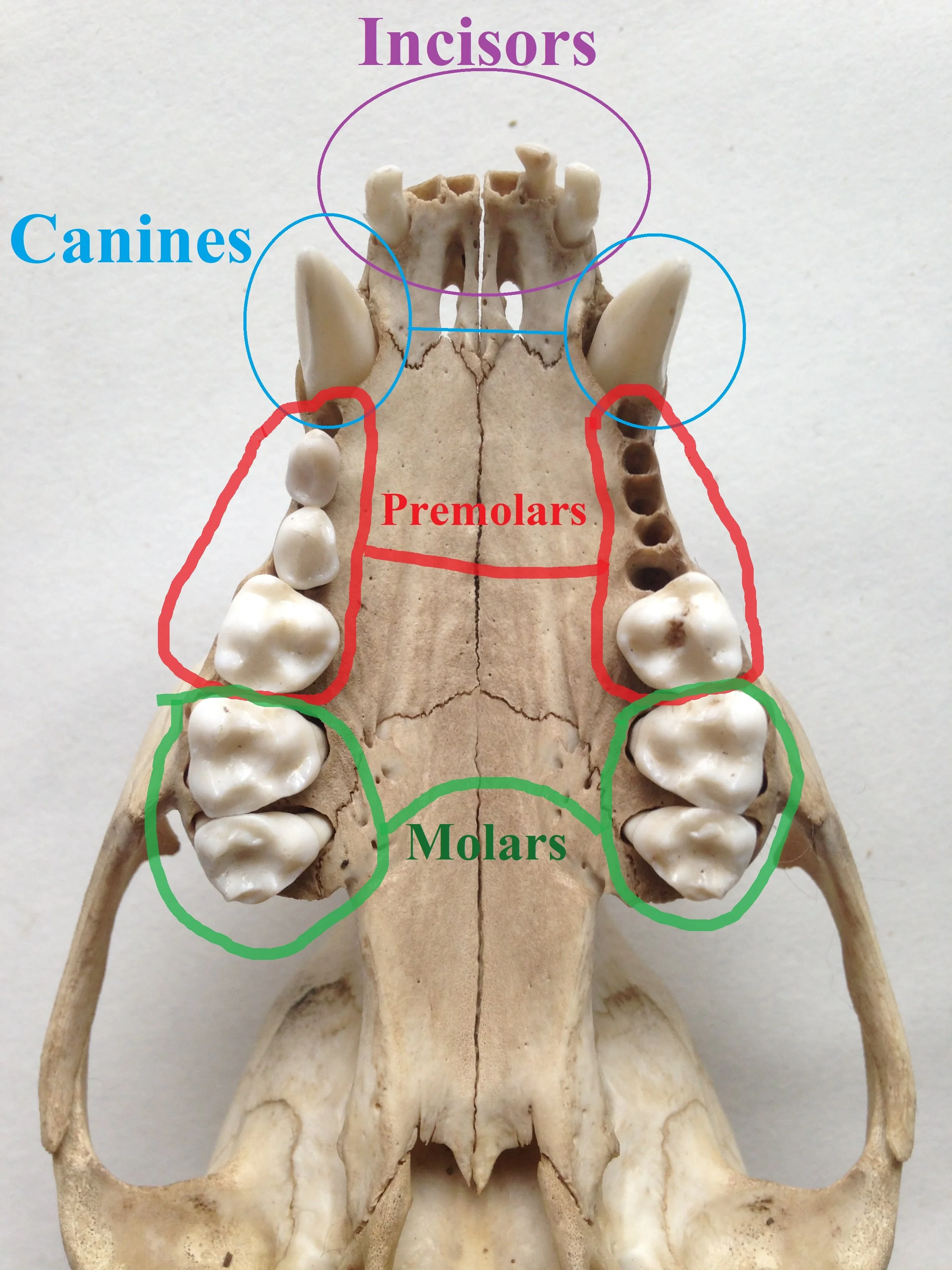
diastema
gap between incisors and premolars

carnivores
canines
sharp for tearing, seizing, and piercing

salivary glands
serous acinar cells
mucous acinar cells
pigs: 4 gallons
horses: 10 gallons; produced during chewing
ruminants (cows): 25-38 gallons per day; serve as buffer and lubrication

serous acinar cells
watery, protein rich secretion
mucous acinar cells
secrete mucins
esophagus
transports bolus of food from mouth to stomach
epiglottis covers trachea during swallowing
smooth muscle
contracts via peristalsis
wave-like movements

peristalsis
involuntary, wave-like muscle contractions that moves food, liquid, and waste products through the bodies digetive tract
esophageal groove
young ruminant animals
redirects milk from the reticulorumen into the abomasum
avoids microbial fermentation of milk

reticulorumen
work together as the fermentation chamber

reticulum
smaller cranial compartment
honeycomb

rumen
stores and mixes feed while microbes ferment it
papillae increases SA for absorption of VFAs
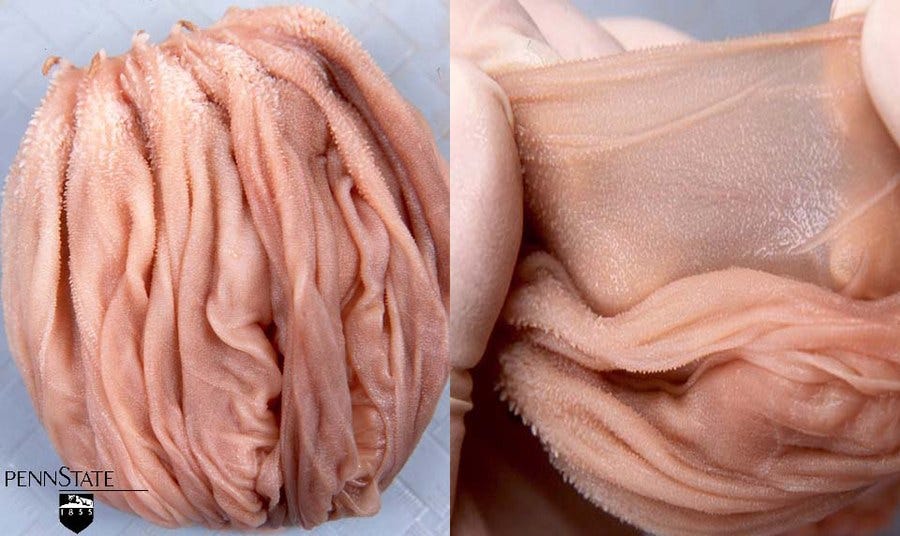
omasum
smaller, denser particles pass through to the omasum
contains leaf-like folds called laminae
absorbs water, electrolytes, and remaining VFAs

found in all stomachs
chief cells
parietal cells
g-cells
goblet cells
chief cells
produce pepsinogen to break down proteins
gastric lipase to breakdown fats

parietal cells
produce gastric acid (hydrochloric acid) to break down organic matter

G-cells
produce gastrin to stimulate acid secretion

goblet cells
produce mucus

stomach sphincter
muscular gates that regulate movement between regions of the GI tract
cardiac sphincter
pyloric sphincter
cardiac sphincter
lower esophageal sphincter
functional zone of increased muscle tone

pyloric sphincter
thickened smooth muscle
regulates chyme entering small intestine

small intestine
long winding tube structure that connects the stomach to the large intestine
duodenum
jejunum
ilium
duodenum
Latin for “12 fingers”
pancreatic bile duct
chemical digestion
plicae circulares: folds within the lumen to increase SA
duodenal papilla: enzymes flow into duodenum
Brunner’s glands: secrete bicarbonate-rich mucus to neutralize acidic chyme

jejunum
major site of nutrient absorption

ileum
bile salts absorption
immune tissue- Peyer’s patches

liver
produces bile

gall bladder
stores bile

pancreas
releases enzymes into common bile duct
exocrine function
acinar cells: secrete digestive enzymes
endocrine function
alpha cells: glucagon
beta cells: insulin
delta cells: somatostatin
F cells: pancreatic polypeptide
regulates pancreatic secretion

pancreatic enzymes
carbohydrates: amylase
protein: trypsinogen, chymotrypsinogen, and carboxypeptidase
fats: lipase
travel to duodenum via pancreatic duct into the common bile duct via sphincter of Oddi
protein breakdown
Food enters the duodenum, and enteropeptidase is activated
Trypsinogen and chymotrypsinogen are secreted from the pancreas into the duodenum
Enteropeptidase activates trypsinogen into trypsin
Trypsin activates chymotrypsinogen into chymotrypsin
Trypsin & Chymotrypsin break down proteins in the lumen but not in the body
jejunum & ileum
main sites of absorption
enterocytes
goblet cells
Villi contain
artery
vein
lacteal
enterocytes
absorption of nutrients
cecum
blind pouch immediately after SI
digestion of cellulose
absorption of VFAs
hindgut fermenters
primary fermentation vat
nutrients remaining after absorption
ruminants
secondary microbial fermentation vat


large intestine
water reabsorption
fecal formation
coiling fits large mass into smaller area
mesentary
keeps the intestines anchored to prevent them from being tangled or displaced
contains blood vessels that supply nutrients and oxygen to the intestines
plays a role in lymphatic drainage (immune system)
contains some fat that protects the abdominal organs

crop (avian anatomy)
stores feed temporarily
moistens & softens

proventriculus (avian anatomy)
true stomach (HCl/pepsinogen)

gizzard (avian anatomy)
muscular stomach
mechanical breakdown
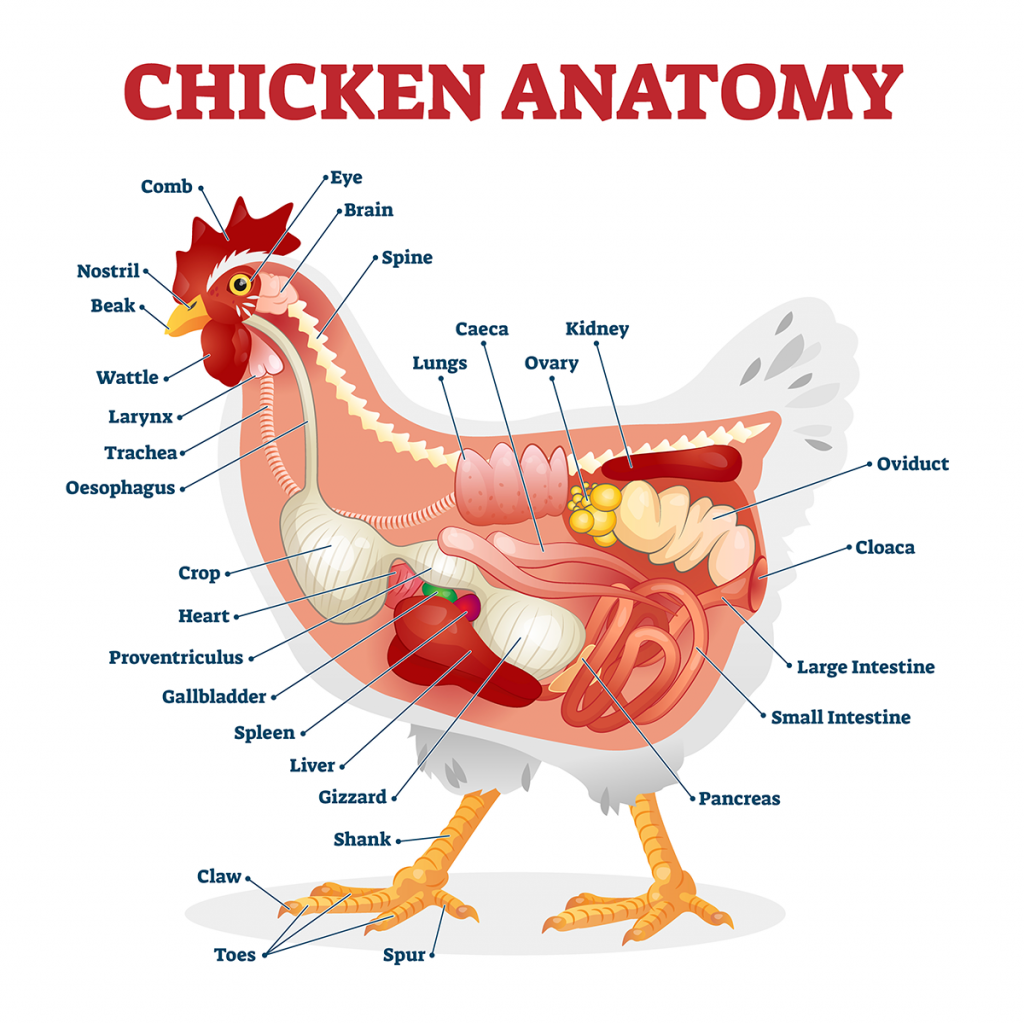
caeca
microbial fermentation of undigested material

cloaca
common chamber for digestive, urinary, and repro tracts

liver anatomy
largest discrete organ
large reddish-brown, multi-lobed organ
cranial in the abdominal cavity
multi-functional:
nutrient processing
neutralizing waste
bile production


hepatocytes
large polygonal cells arranged in interconnected plates
positioned along hepatic sinusoids to facilitate nutrient exchange
Space of Disse
narrow space between the sinusoidal endothelium and hepatocytes
contains hepatic stellate cells that store vitamin A
Kupffer cells
specialized macrophages located in sinusoidal lining
remove bacteria, cellular debris, and damaged blood cells from circulation
“liver layover”
hepatic portal veins empty nutrient rich blood into the liver
liver manages nutrient availability with body’s metabolic demands
major metabolic functions:
processing nutrients
storing energy
redistributing nutrients to other tissues
maintains blood glucose
manages metabolic waste
carbohydrates in the liver
absorbed by enterocytes within the small intestine
Enter enterocyte via…
glucose = SGLT1
galactose = SGLT1
fructose = GLUT5
Exit enterocyte via GLUT2
venous circulation
hepatic portal system to liver

glycogenesis
store glucose as glycogen
glycogenolysis
mobilize stored glucose
gluconeogenesis
produce glucose from non-carbohydrates precursors
glycolysis
metabolize glucose for energy
lipogenesis
convert excess carbohydrate-derived carbon into fatty acids
fed animal glucose use
glycolysis-
hepatocytes use nutrients for cellular metabolism
ATP production
glycogenesis-
store as glycogen for later glucose release
released to body-
returns in venous circulation
picks up oxygen, travels to tissues
inc blood glucose = pancreatic insulin
lipogenesis-
energy high, store excess as fat
energy storage options
glycogen
short term energy
primarily stored in the liver and skeletal muscle
cytoplasm of hepatocytes
increase release during low blood glucose (glycogenolysis)
fat
long term energy storage
acetyl Co-A from Krebs
accumulation in hepatocytes leads to hepatic lipidosis (fatty liver)
mobilizing energy reserves (fasted animals)
glycogenolysis
breakdown of hepatic glycogen to release glucose into circulation
helps maintain blood glucose during fasting
lipolysis
breakdown of stored triglycerides in adipose tissue
fatty acids provide energy; glycerol travels to the liver
gluconeogenesis
liver produces new glucose from glycerol, lactate, and glucogenic amino acids
requires energy, often supplied by fatty acid oxidation
glucose after the liver
used for cellular metabolism-ATP production
excess stored as fat in adipose tissue
ruminant glucose differences
microbes ferment dietary carbohydrates into volatile fatty acods
limited glucose absorbed directly
hepatic gluconeogenesis
conversion of propionate to glucose
ruminants rely heavily on gluconeogenesis, even in fed state, to provide glucose for cellular metabolism
released in blood stream
proteins
digested to amino acids and small peptides
enter enterocytes via
amino acids = AA transporters (often Na dependent)
Di- and tri peptides = PEPT1
in the enterocyte
small peptides broken down to amino acids
exit enterocyte via AA transporters
venous circulation
hepatic portal system to liver

liver protein metabolism
build proteins- albumin, clotting factors, transport proteins
remove nitrogen- amino groups → ammonia → urea
make glucose- glucogenic amino acids carbon skeletons
produce energy- carbon skeletons → ATP production
nitrogen breakdown
AA that are not used for protein synthesis are broken down
carbon skeleton ia an energy source
amino nitrogen group must be transferred or removed
ammonia (NH_3)
liver converts ammonia into urea
kidneys for excretion
urea cycle - monogastric
detoxify ammonia and eliminate excess nitrogen
primarily excreted through kidneys
urea cycle - ruminants
detoxify ammonia and regulate nitrogen availability
excreted through kidneys
recycled to saliva or rumen
extensive nitrogen recycling
proteins after the liver
amino acids enter systemic circulation
cells use AA to synthesize proteins for growth, repair, or maintenance
skeletal muscle uses AA to build contractile proteins
some ATP production
cannot be stored- nitrogen must be removed
lipids
dietary triglycerides are emulsified by bile salts
pancreatic lipase breaks triglycerides into fatty acids and monoglycerides
lipids enter enterocytes
reassembled intro triglycerides and packaged into chylomicrons