AP US History Chapter 17
 Call Kai
 Learn
Learn Practice Test
 Spaced Repetition
 Match
Match Flashcards
 Knowt Play
1/21

There's no tags or description
Looks like no tags are added yet.
Name | Mastery | Learn | Test | Matching | Spaced | Call with Kai | Chat |
|---|
No analytics yet
Send a link to your students to track their progress
22 Terms
Homestead lockout
1892 lockout of workers at a steel mill after Andrew Carnegie refused to renew the union contract and the workers prepared to strike. Union supporters attacked the Pinkerton National Detective Agency guards hired to protect the mill, but the National Guard broke the strike.

management revolution
An internal management structure adopted by many large, complex corporations that distinguished top executives from those responsible for day-to-day operations and departmentalized operations by function.
vertical integration
A business model in which a corporation controls all aspects of production from raw materials to packaged products.
trust
A small group of associates that hold stock from a group of combined firms, managing them as a single entity. They evolved into other centralized business forms.
deskilling
The elimination of skilled labor under a new system of mechanized manufacturing, in which workers completed discrete, small-scale tasks rather than crafting an entire product. With deskilling, employers found they could pay workers less and replace them more easily.
mass production
A phrase coined by Henry Ford who helped invent a system of of mass production of
scientific management
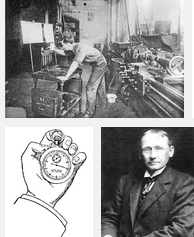
A system of organizing work developed by Frederick Taylor. It was designed to get the maximum output from the individual worker, increase efficiency, and reduce the cost of production.
Chinese Exclusion Act
1882 law that barred Chinese laborers from entering the United States.
Great Railroad Strike of 1877
Nationwide strike of railroad workers and labor allies who were protesting the steep wage cuts amid the depression that had begun in 1873.
Greenback-Labor Party
National political movement that advocated laws to regulate corporations and enforce an 8 hour workday, called for government to print more greenback dollars and increase the amount of money in circulation to stimulate the economy, create jobs, and help borrowers by allowing them to pay off debts.

producerism
The argument that real economic wealth is created by workers who make their living by physical labor, such as farmers and craftsmen, and that merchants, lawyers, bankers, and other middlemen unfairly gain their wealth from such "producers."
Granger laws
Economic regulatory laws passed in some Midwestern states, triggered by pressure from farmers and the Greenback-Labor Party.
Knights of Labor
The first mass labor organization, attempted to bridge the boundaries of ethnicity, gender, ideology and race, and occupation to build a "universal brotherhood of all workers.
anarchism
A political ideology that stresses the elimination of the state and private property as a way to achieve both freedom and equality for all.
Haymarket Square
May 4, 1886 conflict in which both workers and policemen were killed and wounded during a labor demonstration in Chicago.
Farmer's Alliance
A rural movement founded in Texas during the Depression of the 1870's that spread across the Plains States and the South. It advocated cooperative stores and exchanges that would circumvent middle men, called for greater government aid to farmers and strict regulation of railroads.
Interstate Commerce Act
An 1887 act that created a federal regulatory agency designed to oversee the railroad industry and prevent collusion and unfair rates.
closed shop
A company with a labor agreement under which union membership can be a condition of employment.
American Federation of Labor
Organization created by Samuel Gompers that coordinated the craft unions and called for direct negotiation with employers in order to achieve benefits for skilled labor.
horizontal integration
A business concept invented in the late 19th century to pressure competitors and force rivals to merge their companies into a conglomerate.
National Grange of the Patrons of Husbandry
Organized a kind of fraternity of farmers and their families; sought to break hold of railroad owners and middlemen who kept raising the cost of farming by pocketing their profits.
Hatch Act
Provided federal funding for agricultural research and education.