Primitive fishes and teleosts
 Call Kai
 Learn
 Practice Test
 Spaced Repetition
 Match
 Flashcards
 Knowt Play
1/29

There's no tags or description
Looks like no tags are added yet.
30 Terms
primitive fishes
primitive bony, jawed fishes (NOT chondrichthyes)
elongated bodies
broader pectoral+pelvic fins
heavier scales (ganoid/scutes)
many can gulp air
Sarcopterygii
lobe-finned fishes
fleshy, lobed, paired fins
most are extinct
extant species → lungfishes, coelacanth
precursor to all tetrapods

Actinopterygii
ray-finned fishes
live in freshwater
contains order polypteriformes: birchir species
contains order amiiformes: bowfin species

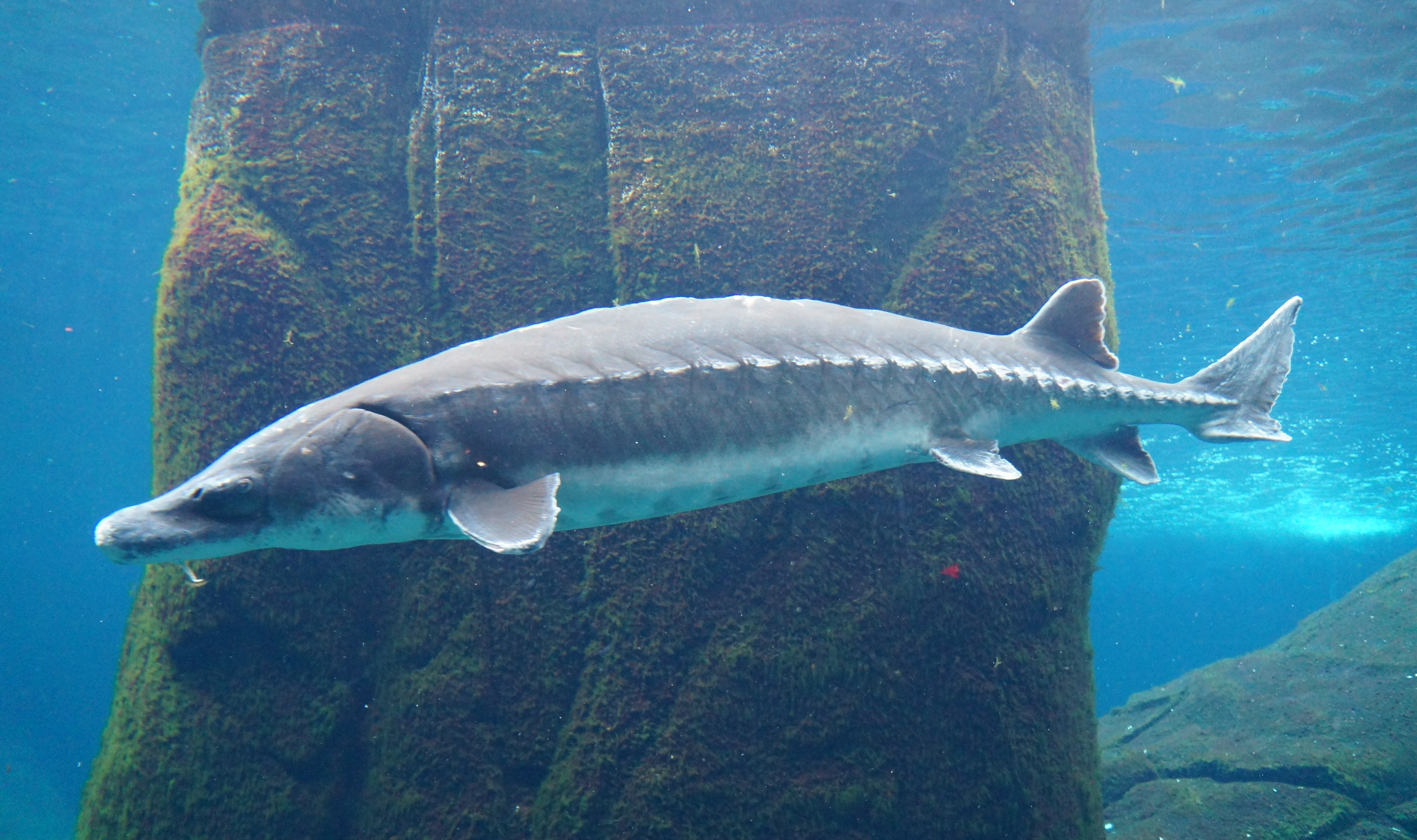
Acipenseriformes
sturgeons and paddlefish
all have scutes (specialized type of scale)
diadromous species
examples→ shortnose and atlantic sturgeon
Lepisosteiformes
gars
live in freshwater
long, elongated bodies
ganoid scales
can gulp air

Teleosts
diversity in fin size, shape, thickness, etc
diversity in scape shape, size, thickness, etc
air breathers/some not
mobile jaw bones
general homocercal tails (equal upper and lower lobes)
premaxilla and maxilla
mobile jaw bones in teleosts
protrusible mouth
ascending process on premaxilla that slides along front of skull; increases suction feeding
4 divisions of teleosts
osteoglossomorpha
elopomorpha
otocephala
euteleostei
osteoglossomorpha
“bony tongues” (teeth on tongue)
most primitive (simplier skeleton)
all freshwater
obligate air breathers
use electroreception
live in tropical waters
example→ elephant fish, knifefish, arapaima

Elopomorpha
>800 species
distinct larval stage
pointed head
pelagic
ribbon-shaped
can stay in this form for years
example→ bonefishes, tarpons

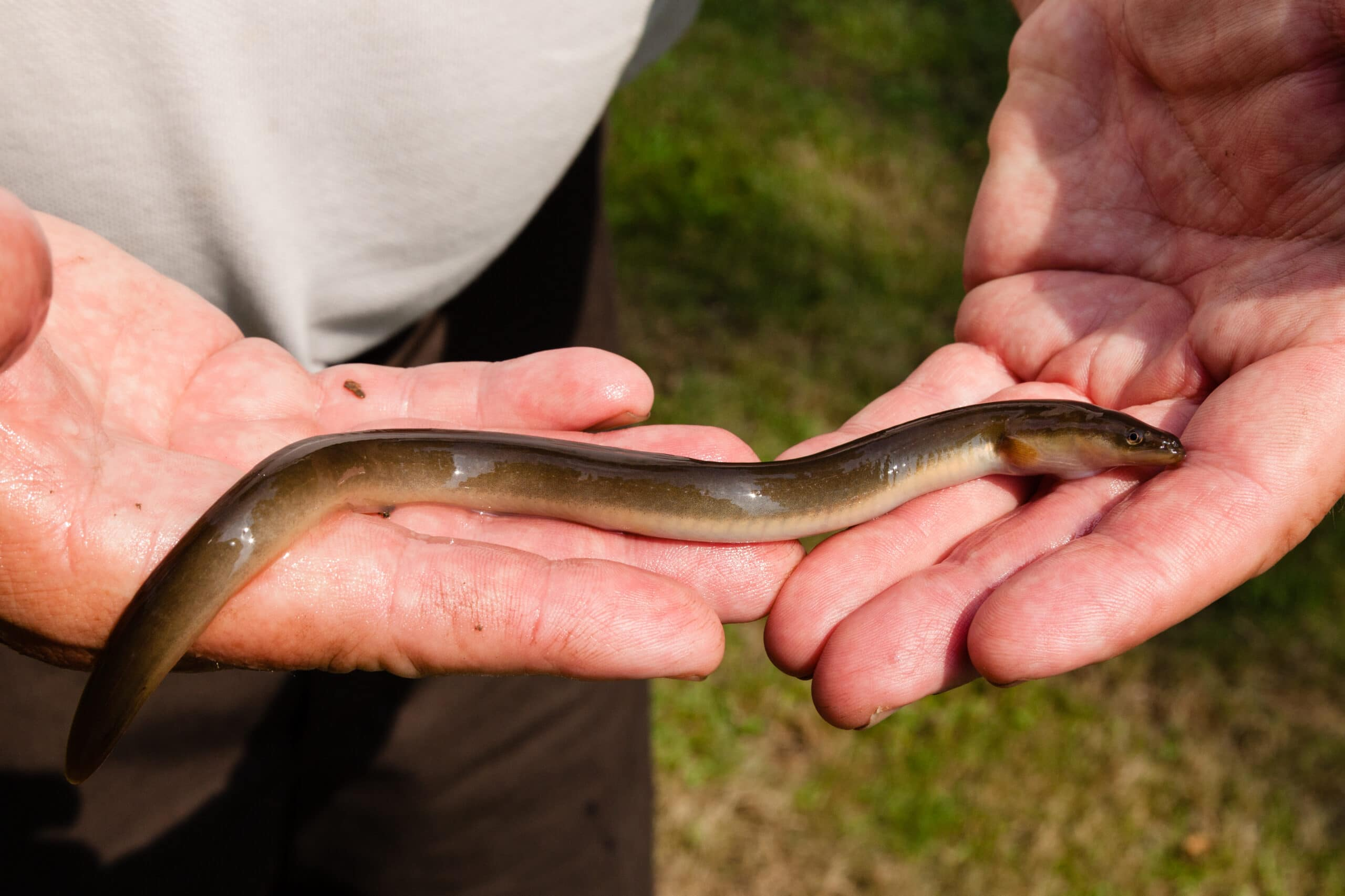
Anguilliformes
>700 species
“true eels”
freshwater/catadromous
example→ moral and american eels
Otocephala
>5,000 species (3 orders)
linkage between swim bladder and inner ear that might assist in hearing
Clupeiformes
>350 species
use pelagic and schooling
built for swimming constantly in open waters
supports fisheries
examples→ herrings; Atlantic and blueback herring

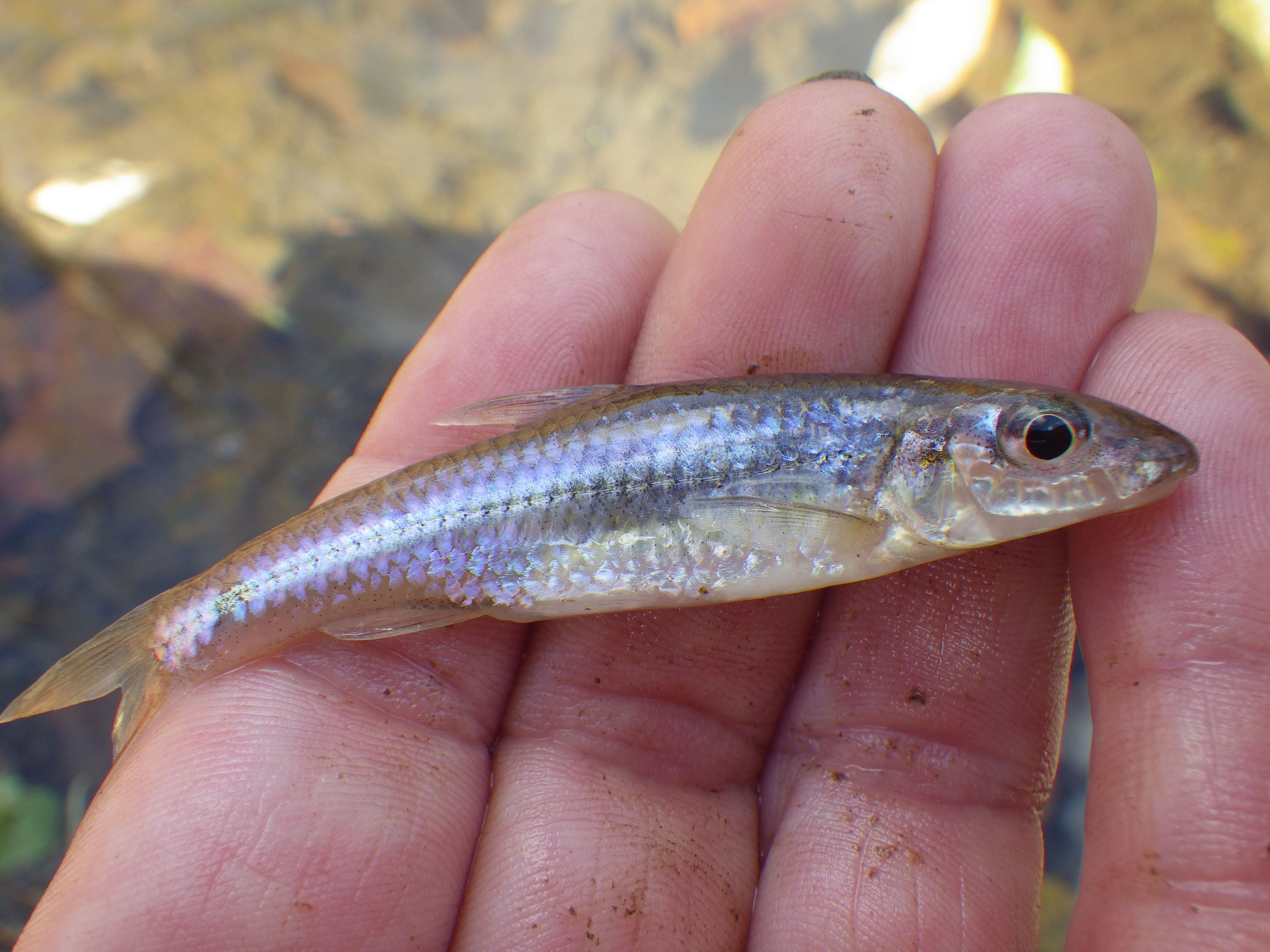
Cypriniformes
>3,200 species
largest family of freshwater fishes
first evolution of “throat teeth”
example→ minnows, carps, shiners, dace, danios
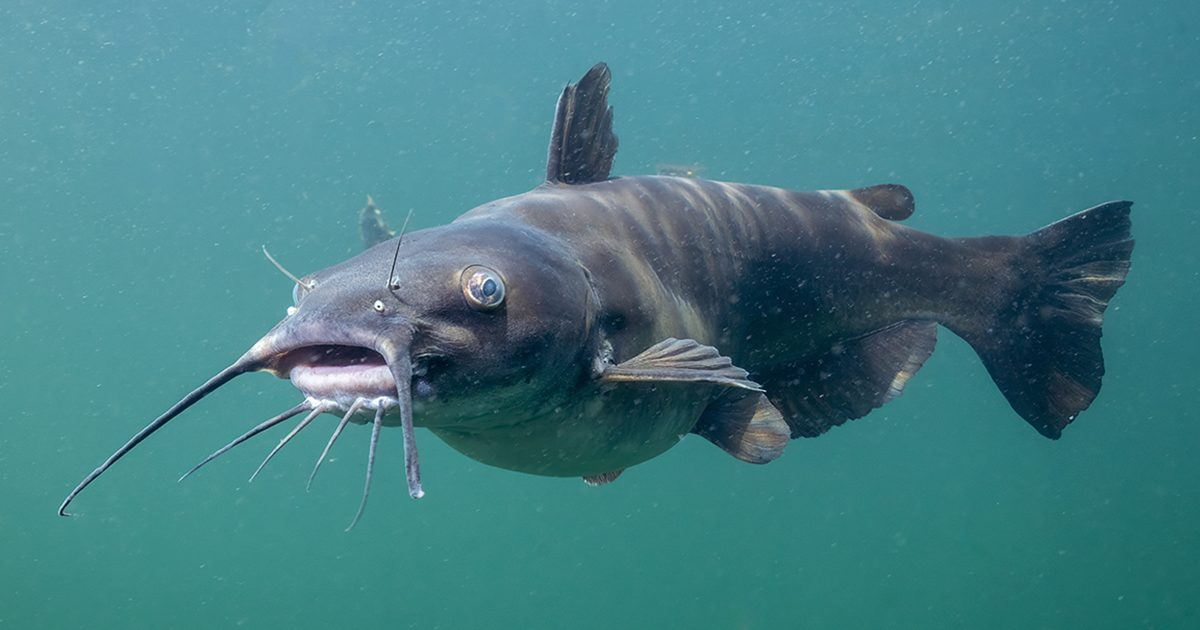
Siluriformes
>2800 species
some of the largest freshwater species
turbid habitats
mostly freshwater and benthic
example→ catfishes; mekong giant catfish
subdivison euteleostei
“true teleosts” represent the most rapid advancements in fishes
most have spiny fin rays (euteleostei means paired rays on fins)
>400 families and >20,000 species
fin rays
defines actinoptergii
each fin ray is paired→ two halves or “radials”, each has its own muscle/tendons at the base
Acanthopterygii
spiny-finned fishes (spiny dorsal fins)
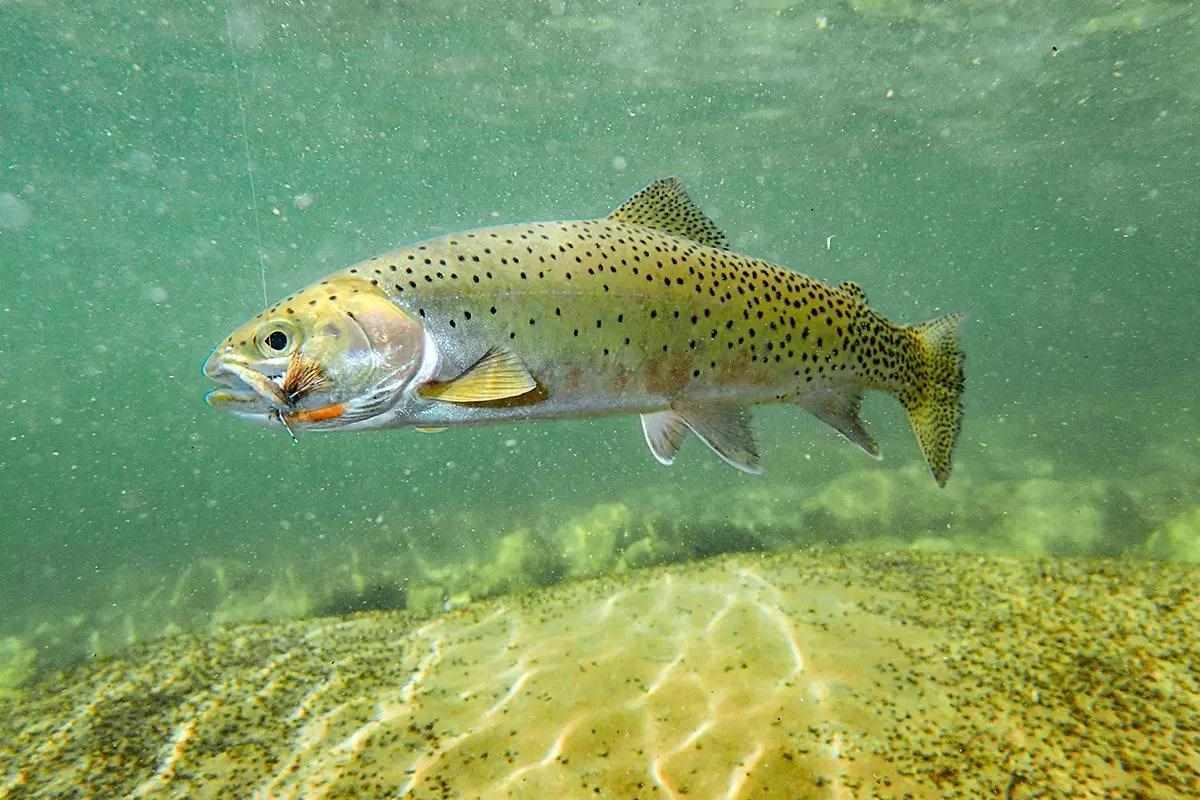
Salmoniformes
cold water, some species diadromous and some semelparous (pacific salmon)
example→ trout, charr, salmon
osmeriformes
have adipose fin: fleshy “fin” on the dorsal surface, posterior to primary dorsal fin, anterior to caudal fin
diadromous
supports ice fisheries in Great bay and Maine
in a decline of population
example→ smelts; rainbow smelt

escoiformes
long narrow body shape with broad (tall) fins
largemouth, popular gamefish
example→ muskellunge, pikes and pickerels

gadiformes
many have 3 dorsal fins
most important food fishes (alaska pollock $$)
example→ cod and cod-like fishes; hake sp, haddock, atlantic cod

Cyprinidontiformes
>1,000 species
example→ killfishes, guppies, livebearers

gastereosteiformes
no scales! many have bony armored plates
example→ sticklebacks, pipefish and seahorses

scorpaeniformes
1500 species
benthic-adapted fishes
freshwater/marine
example→ sculpins, lumpfishes, searobins, greenlings and rockfishes

atheriniformes
important forage fish in bays, estuaries and coastal waters
example→ silversides

pleuronectiformes
right-eyes vs left-eyes
example→ flatfishes; flounders/soles

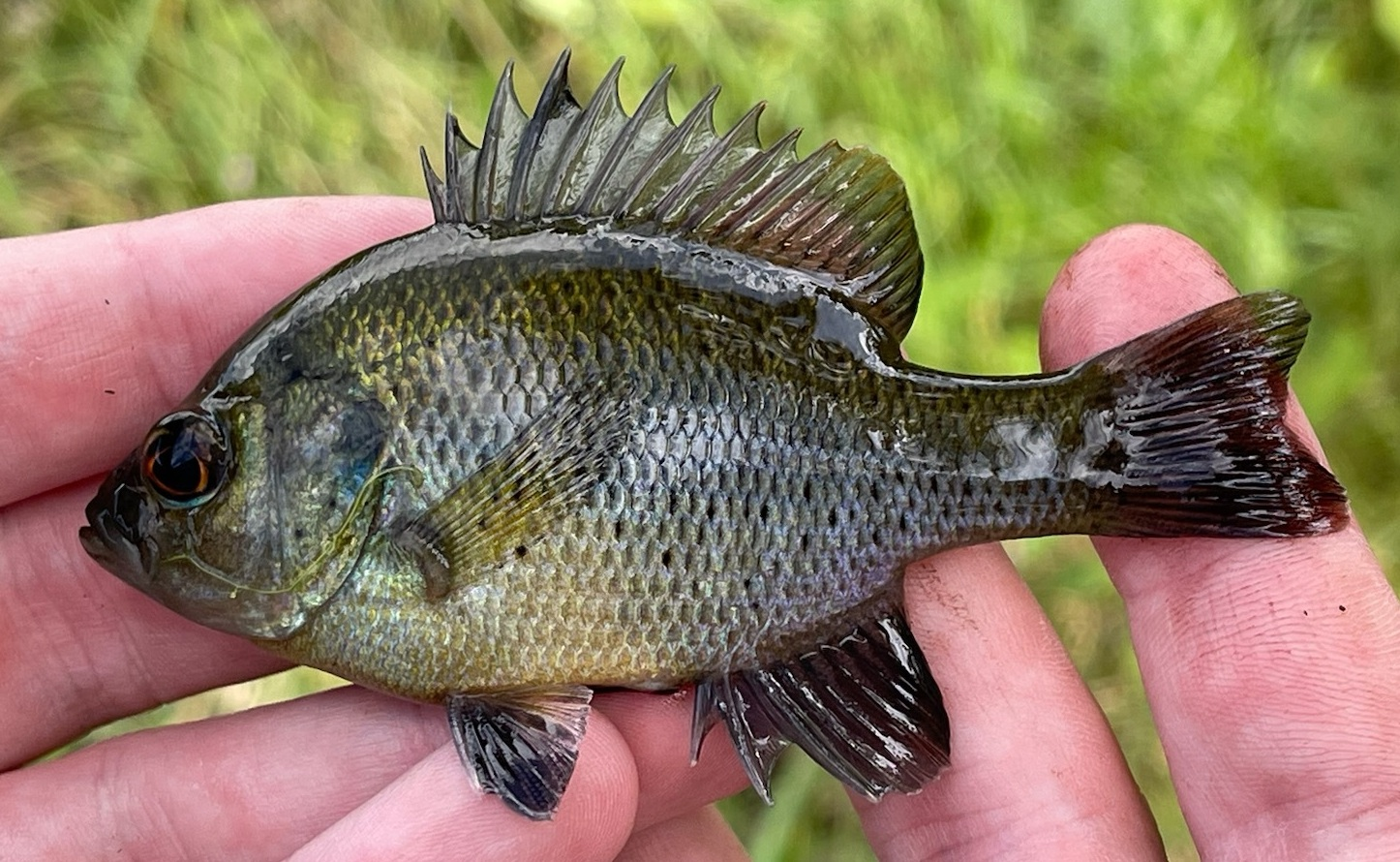
perciformes
>10,000 species, largest order of vertebrates!
“perch like” fishes
very diverse body shapes, size, habitats, etc
example→ sunfish, bass, perches, darters, swordfish, billfishes, mackerels, tunas
which species has the most fusiform body shape?
tunas