3c japan
 Call Kai
 Learn
 Practice Test
 Spaced Repetition
 Match
 Flashcards
 Knowt Play
1/4

There's no tags or description
Looks like no tags are added yet.
5 Terms

Ise shrine
Date: 680 CE (rebuilt every 20 years)
Function: houses kami amaterasu, an imperial kami
Location: Ise
Kami are nature spirits found everywhere
Shinto is Japans earliest religion, worship kami
Built using special Cyprus would from special grove that’s ritualistically cut down
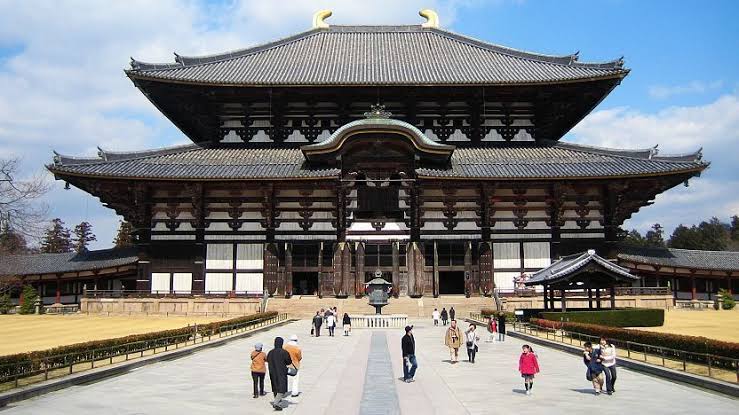
Todaiji temple
Date: 743 ce (rebuilt 1700)
Material: bronze, wood, ceramic
Period: Nara
Function: temple site for imperial power
Shomu, emperor, demonstrates his elitist and scholarly Buddhism and splendor
Daibutauden (great buddha hall) largest fully wooden building ever
Nandaimon at the great southern gate is burned by Minimoto clan
Shuniobo chogen (monk) put in charge of rebuilding it
Took inspo from china song dynasty
Guardian spirits ungyo (right, mmm, stops evil) Agyo (left, ahh, welcomes good spirits)
Vairochana Buddha is birushana butsu in Japanese

Ryoanji temple
Date: 1480 CE
Function: zen Buddhist temple
Rock garden
Enlightenment through intense meditation not studying
Wabi sabi= imperfect nature
Related to travelers among mountains and streams
Hi
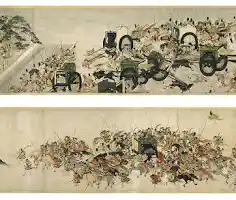
night attack on the sanjo palace
Date: 13th c
Material: ink, color on paper
Period: kamakure (after minimoto)
Function: handscroll depicting event
Handscroll: otoko-e
Taira v minimoto
22ft long
Hella violent
Gods eye view
Palace depicted isometrically

Red and white plum blossoms
Artist : ogata Korin
Date: 1710 ce
Material: ink, watercolor, gold leaf
Period: edo
Function: folding screen (byobu) for room division (elitist)
Artist went to rinpa school, poetic (samurai used to be against it, but learned to love it)