Art History: A Language of Art Develops in Prehistory and the Bronze Age
 Call Kai
 Learn
Learn Practice Test
 Spaced Repetition
 Match
Match Flashcards
 Knowt Play
1/20

There's no tags or description
Looks like no tags are added yet.
Name | Mastery | Learn | Test | Matching | Spaced | Call with Kai | Chat |
|---|
No analytics yet
Send a link to your students to track their progress
21 Terms
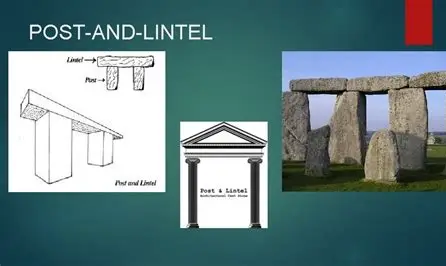
Lintel (Post & Lintel)
2 vertical (posts) support horizontal beam (lintel), one of earliest construction method
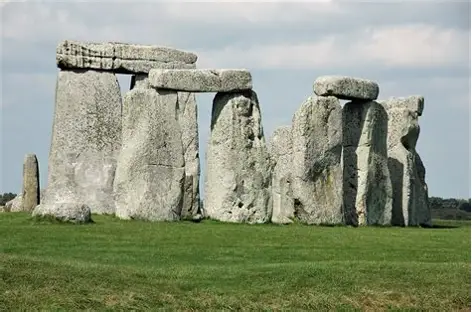
Megalithic architecture
Pre-historic structure using large stones arranged for events such as a ritual
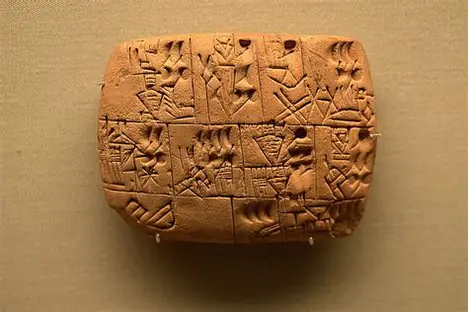
Cuneiform
Ancient Mesopotamina writing system where wedge-shaped marks used in clay tablets-earliest form of writing
Register
A horizontal level that separates scenes to convey a narrative/symbolic order
Hierarchic scale
visual technique where figures that are more important usch as gods or kings are visually larger than those with less importance.
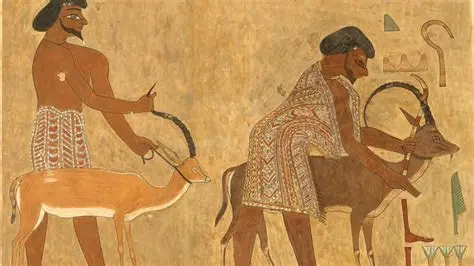
Composite pose or view
multiple viewpoints are shown in single image, both profile and frontal views
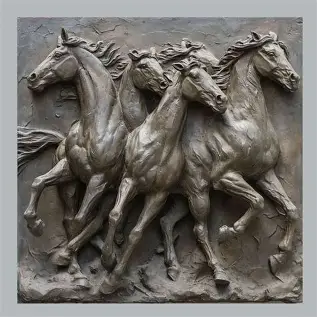
Relief Sculpture
Figures emerge from solid background plain, combines both two-dimensional and three-dimensional compositions
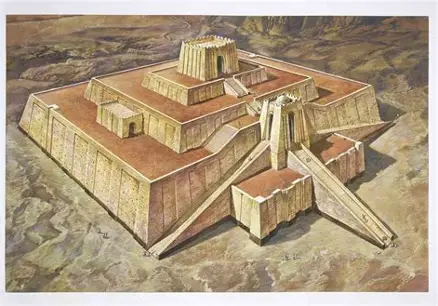
Ziggurat
A rectangular stepped tower, sometimes surmounted by a temple
Hieroglyphics
Ancient Egyptian pictographic writing system that uses recognizable symbols

Necropolis
A cemetery, often larg belonging to an ancient city
Pyramids
Monumental tombs in Ancient Egypt, symbolize divine power and Pharaoh's journey to afterlife
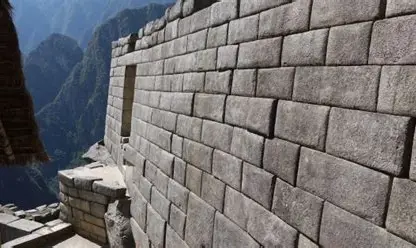
Ashlar masonry
technique where stone is carefully cut and formed to be placed into precise, tight fitting wall surface
Iconography
Studying the meaning, subject matter, and cultural significance in art.
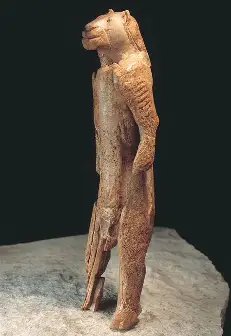
1). Lion-Human figure-paleolithic,
2). Hybrid Composite figures-combines a human body w/ head of cavy lion
3). Proves that paleolithic humans had complex thoughts about mythmaking. They imagined spiritual, shamanistic, or supernatural concepts.
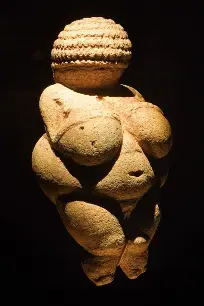
1). Nude woman
(“Venus” of Willendorf)
Paleolithic (Prehistoric) made with limestone
2). Sculpture-in-the-round. Small portable size for nomadic life. exaggerated breasts, belly, groin. Face covered by hair
3). Centers on fertility, health, and survival. Shows shared cultural focus on reproduction than of a specific person
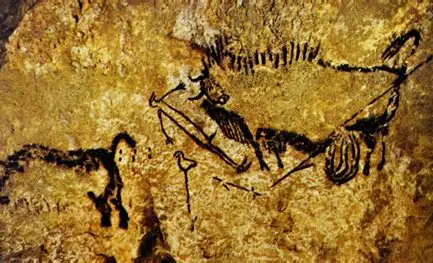
1). Rhinoceros, wounded man, and bison-Paleolithic
2). Narrative art-uses a simplified composite view for animal. human has stick-figure depiction of human
3). Earliest examples of human storytelling. depicts a dangerous hunt, a disemboweled bison attacking a man-possible a real event or ritual myth.

1). Standard of Ur, Mesopotamian
2). Organized into 3 horizontal bands called registers and also uses hierarchal scale (king bigger than everyone)
3). Divided into war side (solders, trampling enemies) and peace side (banquets, musicians, tribute).=used to celebrate a military victory and solidify strict social hierarchy and economic power of king

1). Stonehenge, England, Neolithic to Bronze Age
2). Megalithic architecture using the post-and-lintel systems
3). Built over generations by organized societies. Served as sacred burial site, ritual monument, and observatory aligned with summer soltice sunrise.
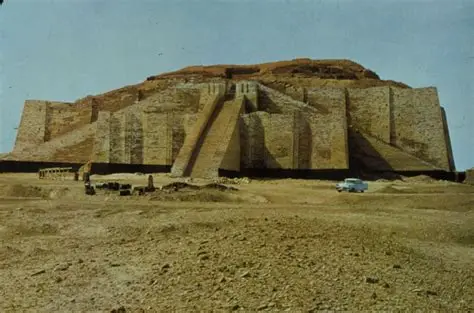
1). Ziggurat of Ur, Mesopotamian, Iraq
2). Ziggurat platform-multi-tiered stepped mountain w/ grand monumental staircases leading to top temples
3). Designed to elevate the city’s main sanctuary closer to heavens. symbolic “cosmic mountain”-connects human rulers w/ gods.
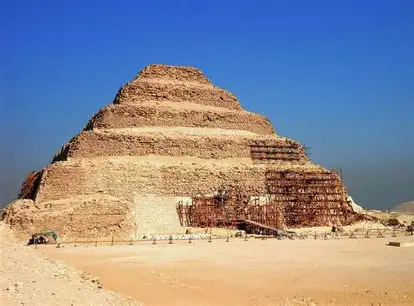
1). Stepped Pyramid of Djoser, Ancient Egyptian, Saqqara Necropolis
2). Early pyramid structure=multiple tombs stacked together. Uses ashlar masonry to protect the pharaoh’s body and house his sprit.
3). Located in city of the dead-vast necropolis-represents the transition from low burial mounds to smooth-sided pyramids, built to protect pharaoh’s body and house his spirit.

Great Pyramids at Giza, Ancient Egypt, Giza Necropolis
2). 3 monumental pyramids constructed w/ precise ashlar masonry
3). Shaped to mimic angles rays of sun god. Also functions as monumental architectural allowing Pharoah’s sprits to ascend directly into heavens to join gods.