Bio Med 2 Lab | Exp 6 - Digestive System
 Call Kai
 Learn
Learn Practice Test
 Spaced Repetition
 Match
Match Flashcards
 Knowt Play
1/161

There's no tags or description
Looks like no tags are added yet.
Name | Mastery | Learn | Test | Matching | Spaced | Call with Kai | Chat |
|---|
No analytics yet
Send a link to your students to track their progress
162 Terms
The digestive system can be divided into two major parts, the ____ and the ____.
Alimentary canal & Accessory organs
The ___ is a long tube that runs from the mouth to the anu.Themainorgansofthealimentarycanalaretheesophagus,stomach,intestines,rectumandanu; The ____ is the system that comes directly in contact with food or the breakdown products of digestion.
Alimentary canal
The esophagus enters the abdominal cavity through the ____, an opening in the diaphragm (see respiratory system).
Esophageal Hiatus
The ____ are important because they secrete many important substances necessary for digestion, and yet these organs do not come into direct contact with food. Examples of accessory organs are the salivary glands, liver, gallbladder, and pancreas.
Accessory Organs
Digestive Enzymes (3 Main types):
_____: enzymes that break down carbohydrates.
Salivary ____: released after food is being chewed to break down carbohydrates
Pancreatic ____: released by the pancreas to produce glucose for absorption in the small intestines.
Amylases
Digestive Enzymes (3 Main types):
____: enzymes that break down proteins into the various amino acids
Pepsin: found in the stomach and does the initial break down
Chymotrypsin and Trypsin: found in the small intestines breaks down protein chains into peptide chains. This causes the formation of amino acid that is later by the small intestines.
Proteases
Digestive Enzymes (3 Main types):
_____: enzymes that break down fats into packaged lipoproteins and prepare them for absorption through the lymph system and the blood stream.
Lipases
The major role of ____ is to supply the body with oxygen and dispose of carbon dioxide. (Can be divided into two parts)
Respiratory System
The ____ include nose and nasal passages, paranasal sinuses, the pharynx, and the portion of the larynx above the vocal folds (cords).
Upper Respiratory System (URS)
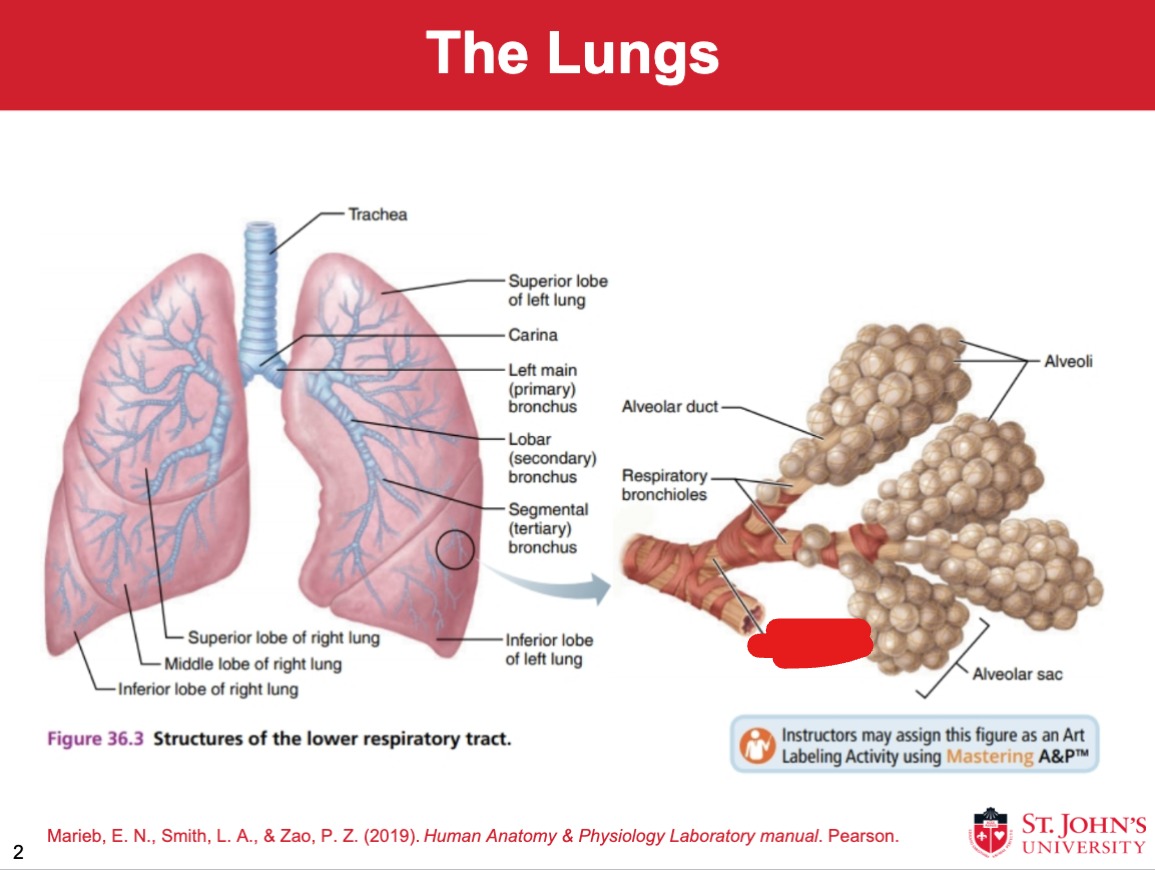
The ____ structures include the larynx, trachea, bronchi, and lungs. Once the air enters the trachea, and travels down the trachea to primary bronchi. The primary bronchi further divided into secondary and tertiary bronchi.
Lower Respiratory System (LRS)
The ____ and muscles of the rib cage affect the movement of air into and out of the lungs. Respiration occurs due to pressure changes within the rib cage. During inhalation, the ____ contracts downward, creating vacuum that pushes air into the lungs. Exhalation is when the diaphragm moves upwards and causes the lungs to deflate.
Diaphragm
Tidal Volume (TV)
Amount of air inhaled or exhaled with each breath under resting conditions (average human lung intake for normal quiet breathing).
Inspiratory Reserve Volume (IRV)
Amount of air that can be forcefully inhaled after a normal tidal volume inhalation
Inspiratory Capacity (IC)
IC = TV + IRV
Expiratory Reserve Volume (ERV)
Amount of air that can be forcefully exhaled after a normal tidal volume exhalation (The amount remaining in the lungs of a healthy adult).
Vital Capacity (VC)
Maximum amount of air that can be exhaled after a normal maximal inspiration. TV + IRV + ERV
Residual Volume (RV)
Amount of air remaining in the lungs after complete exhalation.
Total Lung Capacity (TLC)
VC + RV

Lungs
Trachea

Lungs
Superior Lobe of Left Lung

Lungs
Carina

Lungs
Left Main (primary) Bronchus

Lungs
Lobar (secondary) Bronchus

Lungs
Segmental (tertiary) Bronchus

Lungs
Inferior Lobe of Left Lung

Lungs
Superior Lobe of Right Lung

Lungs
Middle Lobe of Right Lung

Lungs
Inferior Lobe of Right Lung

Lungs
Alveolar Duct

Lungs
Respiratory Bronchioles
Lungs
Terminal Bronchiole

Lungs
Alveolar Sac

Lungs
Alveoli

Lungs
Trachea

Lungs
Primary Bronchus

Lungs
Superior Lobe (Right)

Lungs
Middle Lobe (Right)

Lungs
Inferior Lobe (Right)

Lungs
Esophagus

Lungs
Secondary Bronchus

Lungs
Superior Lobe (Left)

Lungs
Inferior Lobe (Left)

Lungs
Cardiac Notch

Lungs
Tertiary Bronchus

Lungs
Diaphragm

Lungs
Esophageal Hiatus

Digestive System
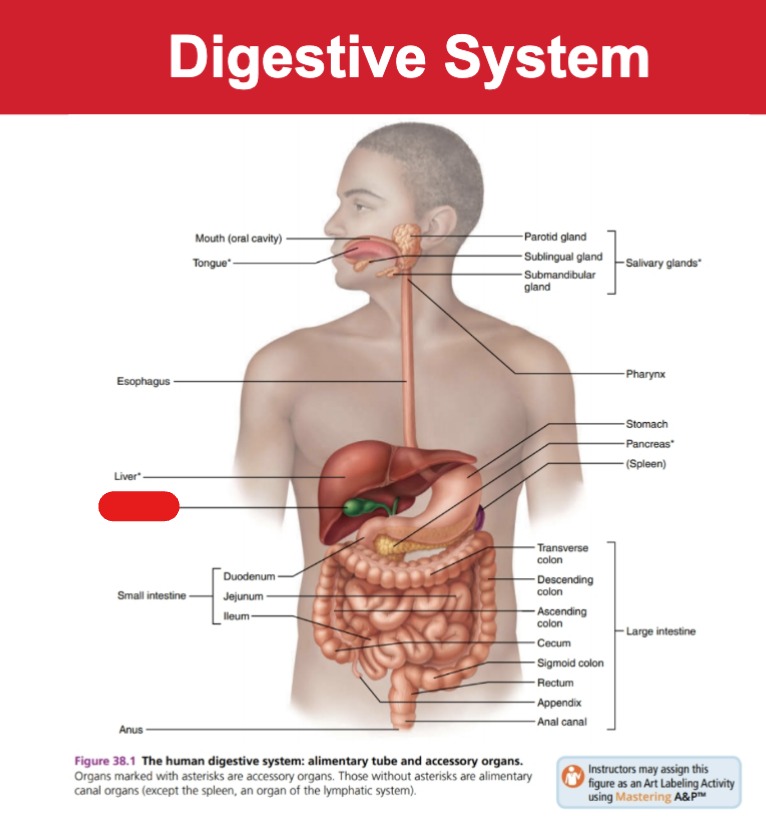
Mouth (Oral Cavity)

Digestive System
Tongue

Digestive System
Parotid Gland (Salivary Glands)

Digestive System
Sublingual Gland (Salivary Glands)

Digestive System
Submandibular Gland (Salivary Glands)

Digestive System
Pharynx

Digestive System
Esophagus

Digestive System
Stomach

Digestive System
Pancreas

Digestive System
Spleen

Digestive System
Liver
Digestive System
Gallbladder

Digestive System
Duodenum (Small Intestine)

Digestive System
Jejunum (Small Intestine)

Digestive System
ileum (Small Intestine)

Digestive System
Transverse Colon (Large Intestine)

Digestive System
Descending Colon (Large Intestine)

Digestive System
Ascending Colon (Large Intestine)

Digestive System
Cecum (Large Intestine)

Digestive System
Sigmoid Colon (Large Intestine)

Digestive System
Rectum (Large Intestine)

Digestive System
Appendix (Large Intestine)

Digestive System
Anal Canal (Large Intestine)

Digestive System
Anus

Digestive System
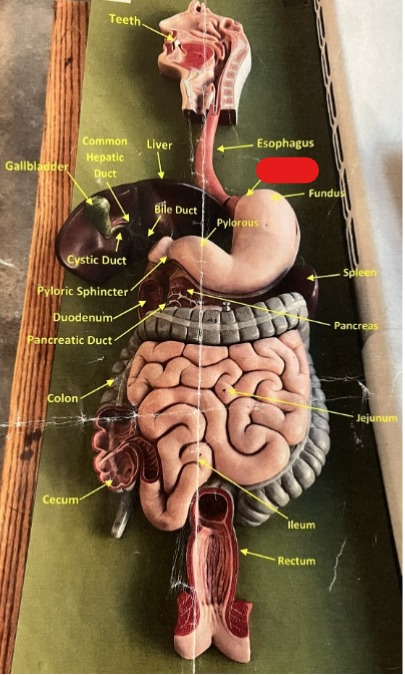
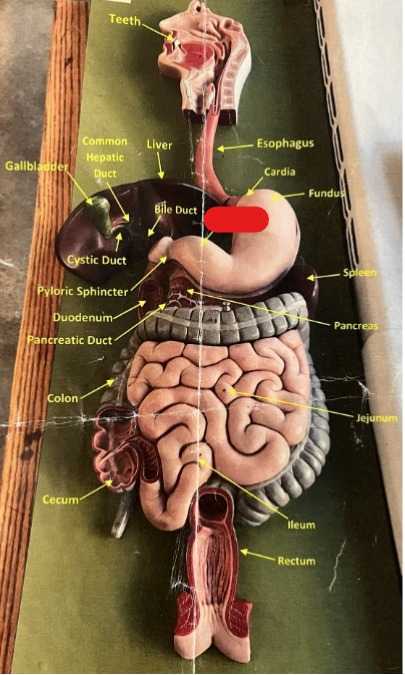
Teeth

Digestive System
Liver

Digestive System
Common Hepatic Duct

Digestive System
Gallbladder

Digestive System
Bile Duct

Digestive System
Cystic Duct

Digestive System
Pyloric Sphincter

Digestive System
Duodenum (Small Intestine)

Digestive System
Pancreatic Duct

Digestive System
Colon

Digestive System
Cecum (Large Intestine)

Digestive System
Esophagus
Digestive System
Cardia

Digestive System
Fundus
Digestive System
Pylorous

Digestive System
Spleen

Digestive System
Pancreas

Digestive System
Jejunum (Small Intestine)

Digestive System
ileum (Small Intestine)

Digestive System
Rectum (Large Intestine)

Stomach
Cardia

Stomach
Esophagus

Stomach
Longitudinal Layer (Muscularis Externa)
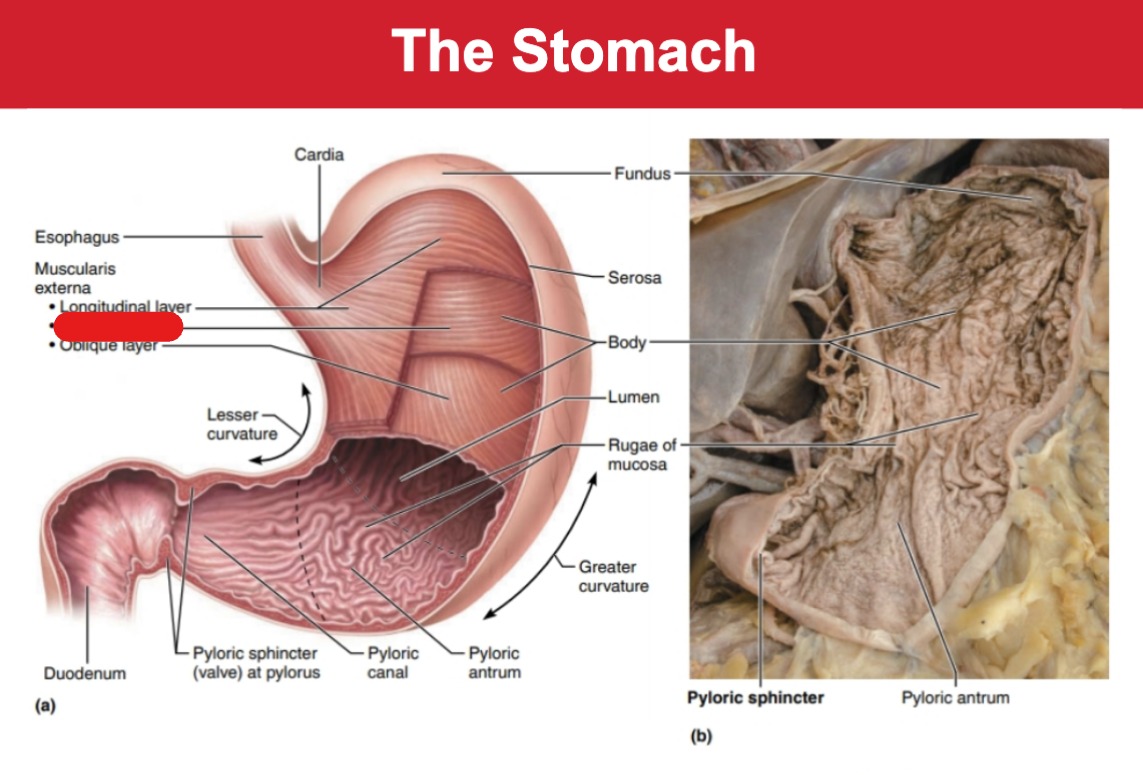
Stomach
Circular Layer (Muscularis Externa)

Stomach
Oblique Layer (Muscularis Externa)

Stomach
Lesser Curvature

Stomach
Duodenum (Small Intestine)

Stomach
Pyloric Canal

Stomach
Greater Curvature