CCMA PRACTICE QUESTIONS
 Call Kai
 Learn
Learn Practice Test
 Spaced Repetition
 Match
Match Flashcards
 Knowt Play
1/249

There's no tags or description
Looks like no tags are added yet.
Name | Mastery | Learn | Test | Matching | Spaced | Call with Kai | Chat |
|---|
No analytics yet
Send a link to your students to track their progress
250 Terms
Which of the following is the correct sequence for obtaining vital signs?
Temp, pulse, respiration, BP
When performing venipuncture, which of the following needle sizes is most appropriate for routine blood collection in adults?
A 21-gauge needle is the standard size for routine venipuncture in adults.
According to HIPAA regulations, which of the following scenarios requires written patient authorization before releasing medical information?
Providing information to a patient's employer for workers' compensation
When preparing a sterile field, which of the following actions would compromise sterility?
Reaching across the sterile field to retrieve an instrument
term "bradycardia" means
HR (heart rate) < 60 BPM
Term “Tachycardia” means
HR (Heart rate) > 100 BPM
Which of the following blood tests requires the patient to fast for 8-12 hours hours prior to collection?
A lipid panel measures cholesterol and triglyceride levels, which are significantly affected by recent food intake. Patients must fast for 9-12 hours before collection to obtain accurate baseline values.
A medical assistant is instructed to collect a clean-catch urine specimen from a female patient. Which of the following instructions should be provided?
Clean from front to back, discard the first portion, then collect midstream
The normal range for adult blood pressure is:
Systolic 120-129 mmHg, diastolic less than 80 mmHg
term "dyspnea" means:
Difficulty breathing
When taking an oral temperature with a digital thermometer, the medical assistant should:
Wait at least 15 minutes after the patient has consumed hot or cold beverages
abbreviation "NPO" means:
Nothing by mouth
Which of the following lab values is most concerning and requires immediate provider notification?
Hemoglobin: 8.5 g/dL
When performing CPR on an adult, the correct compression depth is:
At least 2 motes but mo more than 2.4 inches

Which of the following intramuscular injection sites is commonly used for adult vaccinations?
Deltoid muscle
When collecting a blood sample for glucose testing, which of the following tubes should be used?
Gray top (sodium fluoride)
When preparing a patient for an EKG, which of the following is most important?
Ensuring proper skin preparation and electrode placement
A patient presents with a blood pressure reading of 180/110 mmg. This reading indicates:
Stage 2 hypertension
The chain of custody is most important when collecting specimens for:
Drug screening tests
When scheduling a colonoscopy, the medical assistant should inform the patient that:
Bowel preparation instructions will be provided
term "hypertension" refers to:
High blood pressure
When collecting a throat culture, the medical assistant should:
Avoid touching the teeth, tongue, and inside of cheeks
The normal range for adult respiratory rate is:
12-20 breaths per minute
A patient needs to collect a 24-hour urine specimen. The medical assistant should instruct the patient to:
Discard the first morning void, then collect all urine for the next 24 hours
Which of the following medications requires special storage considerations?
Insulin
term "dysphagia" means:
Difficulty swallowing
A patient presents with a complaint of "ringing in the ears." The medical term for this condition is:
Tinnitus
When collecting blood for multiple laboratory tests, which tube should be drawn first?
Blue top (sodium citrate)
A medical assistant is asked to obtain prior authorization for a patient's MRI. This process typically involves:
Contacting the patient's insurance company
For most routine subcutaneous injections, which angle of insertion is commonly used?
45 degrees
A patient's laboratory results show elevated liver enzymes. Which of the following medications should the medical assistant flag for provider review?
Acetaminophen
term "bradypnea" refers to:
Slow breathing
The normal range for adult body temperature taken orally is:
97.0-99.0°F
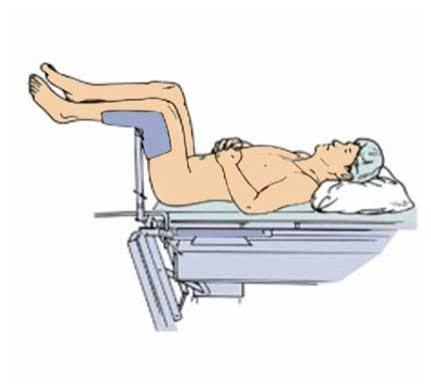
When preparing for a Pap smear, the medical assistant should position the patient in:
Lithotomy position
A patient reports taking warfarin (Coumadin). Which laboratory test should be monitored regularly?
Prothrombin time/INR (PT/INR)
When collecting a sputum specimen, the patient should be instructed to:
Cough deeply and expectorate into the container
A medical assistant notices a fire in the medical office. The correct response following the RACE protocol is:
Rescue, Alarm, Confine, Evacuate
When performing spirometry testing, the medical assistant should instruct the patient to:
Take the deepest breath possible, then blow out as hard and fast as possible
term "hematuria" means:
Blood in urine
A patient presents with a blood glucose level of 350 mg/dL. This finding suggests:
Severe hyperglycemia requiring immediate attention

When performing an EKG, which lead placement is correct for V1?
Fourth intercostal space, right sternal border

A medical assistant is preparing to assist with a flexible sigmoidoscopy. The patient should be positioned in:
Left lateral (Sims) position
A patient complains of severe headache, stiff neck, and sensitivity to light. These symptoms suggest:
Possible meningitis
The correct technique for measuring blood pressure includes:
Using a cuff that covers two-thirds of the upper arm
term "polyuria" means:
Excessive urination
When performing a venipuncture, if blood stops flowing during collection, the medical assistant should:
Slightly adjust needle position or rotate the tube
The normal hemoglobin range for an adult female is approximately:
12-16 g/dL
When scheduling an appointment for a patient with diabetes, the medical assistant should consider:
Scheduling appointments around meal times and medication schedules
term "epistaxis" refers to:
Nosebleed

When performing a TB skin test (Mantoux test), the injection should be given:
Intradermally in the forearm
The normal range for platelet count is approximately:
150,000 - 400,000/uL
When preparing a patient for an upper endoscopy, the medical assistant should inform the patient:
They should fast for 8-12 hours before the procedure
abbreviation "HS" means:
At bedtime
When collecting a stool specimen for occult blood testing, the patient should avoid:
Red meat for hours before collection
term "anuria" means:
Absence of urine production
A patient's blood pressure is 88/52 mmHg. This reading indicates:
Hypotension
abbreviation "AC" means:
Before meals

When assisting with a lumbar puncture, the patient should be positioned:
Lateral decubitus with knees drawn to chest
The normal range for white blood cell count is approximately:
4,000-11,000/UL
When performing a hemoglobin A1C test, the patient:
Does not need any special preparation
term "tachypnea" refers to:
Fast breathing
term "rhinitis" refers to:
Nasal inflammation
When collecting a midstream urine specimen from a male patient, the medical assistant should instruct the patient to
Clean the urethral opening, begin urinating, then collect midstream
A patient's ECG shows a heart rate of 45 beats per minute with a regular rhythm. This finding indicates:
Sinus bradycardia
term "mydriasis" refers to:
Dilated pupils
The abbreviation "PRN" is most commonly used in relation to:
Medication administration
When preparing a sterile surgical tray, which action would maintain sterility?
Using sterile forceps to arrange instruments on the tray
When collecting blood for a complete blood count (CBC), which tube should be used?
Lavender top tube (EDT)
term "orthopnea" means:
Difficulty breathing when lying down
A medical assistant notices that a patient's medication list includes warfarin and aspirin.
This combination:
May increase bleeding risk and should be reviewed by the provider
abbreviation "OD" means:
Right eye
When assisting with a Pap smear, the medical assistant should have which supplies ready?
Speculum, slides, fixative, and appropriate brushes or spatula
When performing a venipuncture on an elderly patient, the medical assistant should:
Use gentle technique and consider smaller gauge needles
term "hematemesis" means:
Vomiting blood
The normal range for adult diastolic blood pressure is:
Less than 80 mmHg
The medical abbreviation "NGT" refers to:
Nasogastric tube
A patient presents with a chief complaint of "burning during urination." This symptom is medically termed:
Dysuria
When performing CPR, chest compressions should be performed at a rate of:
100-120 compressions per minute
term "vertigo" refers to:
Dizziness or spinning sensation
A patient's pulse oximetry reading is 88%. This indicates:
Severe hypoxemia requiring immediate intervention
The medical abbreviation "ROM" stands for:
Range of motion
When assisting with a flexible sigmoidoscopy, the medical assistant should ensure the patient:
Has completed bowel preparation as instructed
patient reports taking ginkgo biloba along with warfarin. The medical assistant should:
Document the supplements and notify the provider
The normal range for adult white blood cell count is:
4,000- 11,000 Cells/L
When performing an intradermal injection for allergy testing, the needle should be inserted at a:
15-degree angle
term "tinnitus" refers to:
Ringing in the ears
When collecting a stool specimen for ova and parasites, the specimen should be:
Collected in a sterile container with preservative
patient's blood glucose level is 54 mg/dL. This finding indicates:
Hypoglycemia requiring immediate intervention
When assisting with a bone marrow biopsy, the medical assistant should prepare:
Local anesthetic, biopsy needles, and specimen containers
term "syncope" means:
Fainting
When preparing a patient for a stress test, the medical assistant should instruct the patient to:
Avoid caffeine and certain medications as directed
A patient's hemoglobin level is 7.2 g/dL. This finding indicates:
Severe anemia requiring immediate attention
abbreviation "NO" means:
Nothing by mouth
A patient presents with severe abdominal pain that started around the umbilicus and has now moved to the right lower quadrant. This presentation suggests:
Appendicitis
medical term "cyanosis" refers to:
Blue discoloration of the skin
When scheduling a patient for a barium enema, the medical assistant should inform the patient that:
Bowel preparation with laxatives and enemas will be necessary
Autonomy
Patients right to make decisions about their health and care and it must be respected
Beneficence
Always aim to do good for patients
non-maleficence
Do no harm
Justice
Are our actions align with the law and the rights of the individual and to be fair