Research Methods Midterm
 Call Kai
 Learn
 Practice Test
 Spaced Repetition
 Match
 Flashcards
 Knowt Play
1/166

There's no tags or description
Looks like no tags are added yet.
167 Terms
Scientific Method
A systematic approach to inquiry that involves formulating hypotheses, conducting experiments, and analyzing data to draw conclusions. The scientific method ensures that research is objective, replicable, and based on empirical evidence.
Theory
Formulation based on observations and insights, consisting of tentative premises
Steps of Testing a Theory
theory/idea → conceptual hypothesis → research hypothesis → operations
Research Question
non-directional statement about specific relationships in a study that ends with a question mark
Conceptual Hypothesis
a prediction about relationships involving the theoretical constructs, and therefore guides the purpose of a research study. It may be viewed as a prediction about what should happen in a research study
Research Hypothesis
a testable directional prediction about specific relationships in a study
Operationalization
Specify the variables that are critical in empirically assessing the phenomenon of interest
Multiple Operationalization
No single operation or measurement provides enough information to adequately define a concept, a theoretical concept, so the construct is measured through several techniques or operations
Triangulation
practice of using multiple methods, data sources, investigators, or theoretical frameworks to examine the same phenomenon
3 types of research
experimental
quasi-experimental
nonexperimental
Experimental Design
Static, controlled, not generalizable, good for looking for causality
Quasi-Experimental Design
Why? Not enough people/things to assign randomly, for more external validity
Nonexperimental Design
observational, exploratory, coming up with hypotheses
What is the key difference between experimental and quasi-experimental?
Randomization
What is the difference between nonexperimental and experimental?
Manipulation
3 Types of Causation
undirectional, bidirectional, non-causal covariation
Unidirectional Causation
causation goes in one direction
Bidirectional Causation
causation goes back and forth/Both variables change with each other
e.g. parent-child relationships
Non-causal Covariation
when two variables change together in a predictable pattern, but neither variable causes the other to happen
e.g. marriage rate decline followed by an increase in suicides, both are effects of economic depression
Spurious Relationships
when an observed relationship is found to have been mistakenly interpreted as a causal relationship of variable 1 or variable 2 when it is actually a case of an extraneous/unmeasured 3rd variable
Independent Variable
the cause or the factor that you change or control in an experiment
Dependent Variable
is the effect or the outcome that you measure to see if it changes
Internal Validity
how confident are we that A causes B?
External Validity
is it generalizable to other groups?
Can you have internal validity without external validity?
Yes
Can you have external validity without internal validity?
No
Confounds
anything that can serve as a rival hypothesis
Reliability
How consistent is that measure?
Validity
Is it measuring what it is supposed to measure?
Moderators
tells us when effects will happen
Influences strength of relationship
It should not be associated or related
Cannot have multiple
Mediators
tell us how or why something happens
Is necessary to complete the causal relationship
You can have multiple
Inferential Stats
assesses the likelihood that an obtained effect could have occurred by chance, given the null is true
Statistical Significance
possibility you get differences randomly
Achieved if the probability of obtaining the observed effect by chance is so low as to render the chance explanation implausible
Statistical Power
the probability of obtaining a statistically significant effect, if indeed that effect truly exists.
Use GPower: you put in effect size and analysis and it tells you how many people you need or vice versa
Type I Error
You reject a null hypothesis that is actually true. You mistakenly conclude that an effect or difference exists when it does not.You reject a null hypothesis that is actually true. You mistakenly conclude that an effect or difference exists when it does not.
Type II Error
You fail to reject a null hypothesis that is actually false. You miss a real effect or difference that does exist.

Nominal/Categorical Scale
categorical variables
E.g. types of wood
Ordinal Scale
rank order, not mathematically meaningful
E.g. first place, second place, third place

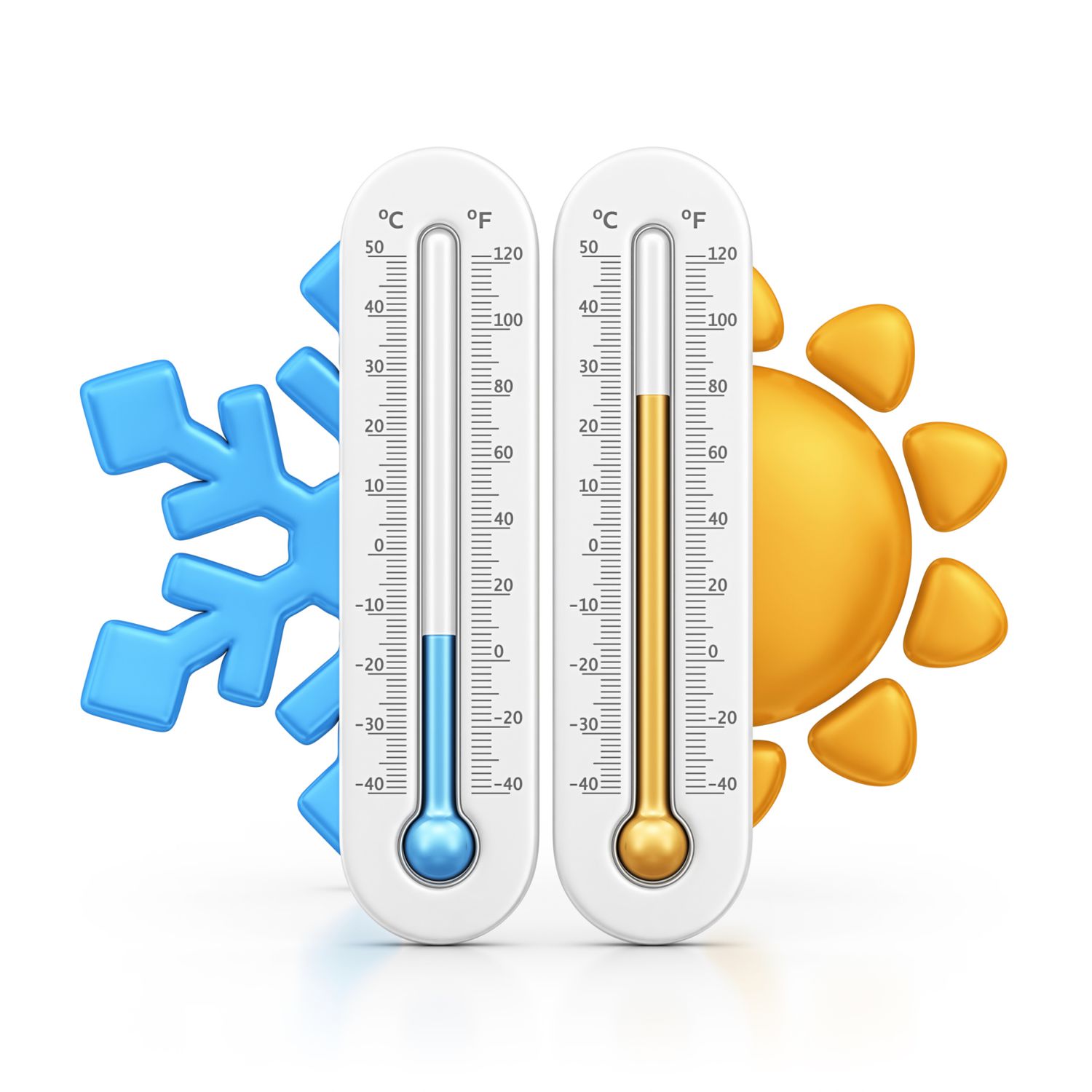
Interval Scale
a numerical measurement where the data are ordered and have equal distances between values, but no true zero point
E.g. temperature (Celsius)
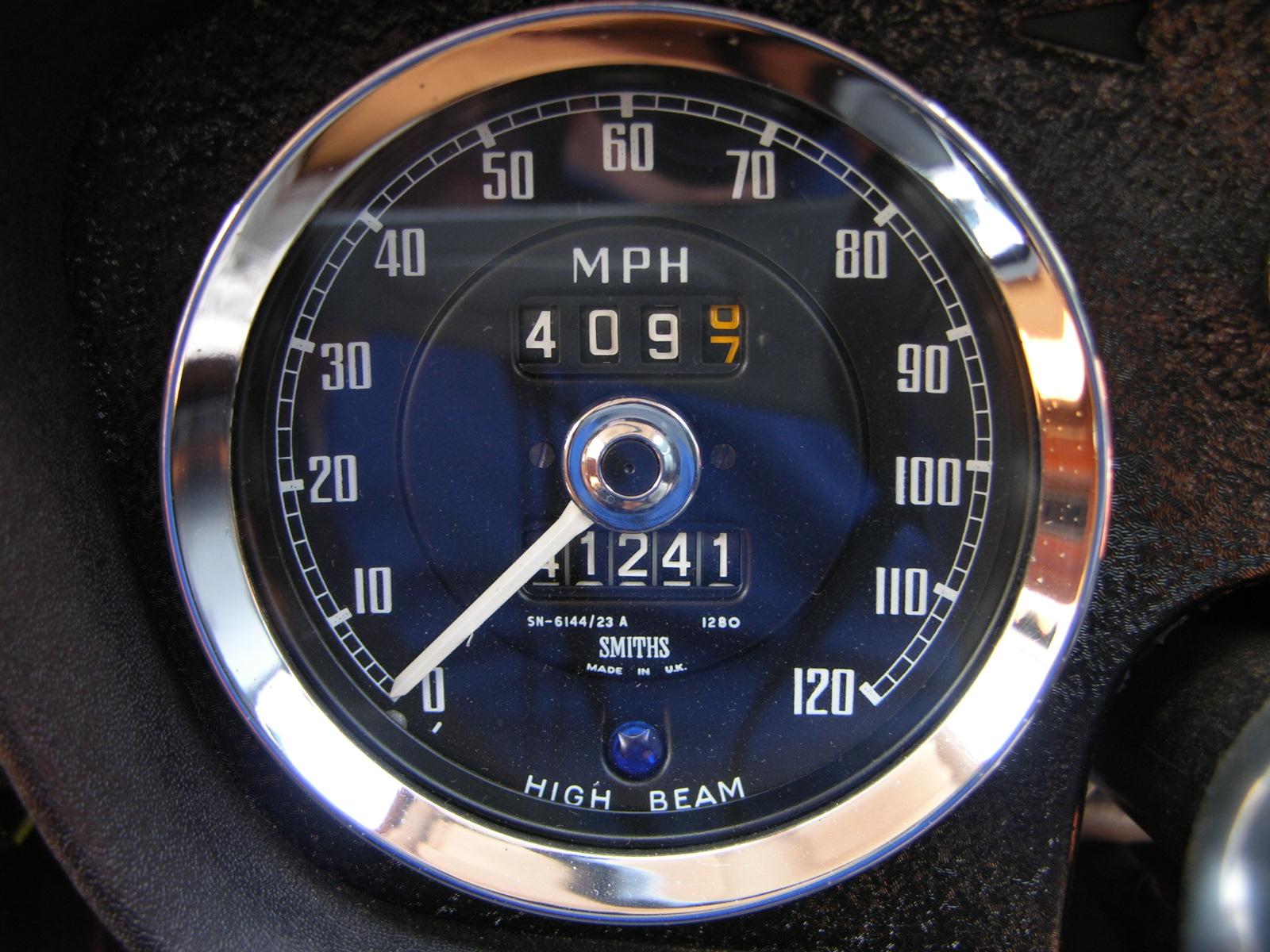
Ratio
a quantitative measurement with equal intervals between values and a true, absolute zero point
E.g. speed (mph)
QRP
Questionable Research Practices: ways of producing, maintaining, sharing, analyzing, or interpreting data that are likely to produce misleading conclusions, typically in the interest of the researcher
HARKing
hypothesis after results are known
PARKing
preregistering after the data is known
Why is Open Science Framework good?
forces you to really think everything through and catch mistakes
true/false: unethical research is wasteful
true (rosenthal)
Ethical considerations need to be considered in all parts of the research process, specifically in 5 things:
Study Design
Data Collection
Data Analysis (p-hacking)
Reporting Results
The harm of not conducting a study: you know a study that could help people but choose not to do it or have it done
Study Designs
The design must adequately match the research question
Constructs must be operationalized (operational definitions)
Study should use scales that are appropriate for the constructs of interest
Hypothesis must be testable
People’s souls influence behavior → can we define souls?
We can test whether people who believe in souls behave differently from people who do not
Data Collection (4 things are included)
Informed Consent
Deception
Debriefing
Protecting Privacy
Informed Consent
a process in which potential participants are informed about what participation in the study will involve so that they can make an informed decision about whether or not to engage in the research
Deception
research procedures might be presented and justified in the guise of an elaborate “cover story” designed to manage the participant’s perception of the research setting and conceal the true purpose of the study
These are less common nowadays
Debriefing
a session following participation in a study in which the participants are informed of the true purpose of the research
Data Analysis No-Nos (6 things)
Fabrication
Deleting data/Omitting
Outlier Rejection
Subject Selection
Data Mining
Misrepresentation of Findings
Fabrication
making up data
Omitting Data
getting rid of data or deleting it WITHOUT disclosing it
Outlier Rejection
removing outliers WITHOUT disclosing it
Subject Selection
purposely choosing who will be in the study
Data Mining
finding patterns in data to predict outcomes
People go through their data without a hypothesis
Reporting Results (5 things)
Censorship
Authorship
Plagiarism
Hyperclaiming
Causism
Censorship
protect your ideas
Authorship
be clear about what you’re asking for; communicate to avoid authorship battles
Plagiarism
copying work without credit
Hyperclaiming
don't claim causality just to do it. Dont cry wolf, think about your career
Causism
the methodological error of overstating causal relationships from non-experimental or correlational data
Measurement
a form of operationalization in which abstract concepts are translated into observable and quantifiable information or data
Essential characteristics of experiments
Extreme control
Restricted focus
Restricted sample
3 Problems with experiments (ACE)
Artificial
Constricted (restricted)
Experimental Demand
Participants can change behavior because they are in an experiment
Experimenter Expectancy and Bias
when a researcher's unconscious or conscious expectations subtly influence study participants, data collection, or result interpretation, turning hypotheses into a self-fulfilling prophecy
Demand Characteristic
The totality of all social cues communicated in the lab not attributable to the manipulation
Placebo Effect
when participants’ belief in the efficacy of the treatment, rather than the actual effects of treatment, is responsible for the results found in an experiment
Solutions to experimenter expectancy and bias
Monitoring
Blind procedures
Single blind
Double blind
Triple blind
Mechanized procedure
Intention-to-treat Analysis
all participants are evaluated regardless of whether they received/completed the full manipulation
Threats to Internal Validity
MR. SMITHI
Maturation
Regression to the mean
Selection
Mortality
Instrumentation
Testing
History
Interaction (selection-based)
Maturation
things that happen naturally (growth/experience)
Regression to the Mean
random error all lands one way → re-test, they go back up a little to the mean
Selection
how did they get into the study in the first place?
any one group gets exposed to threats of internal validity
Mortality
participants dropping throughout the study
Instrumentation
not measuring correctly, tool = broken
Testing
pretest sensitization, interventions become more salient
History
anything that happens between pretest and posttest outside of design
Interaction
If more than one of these things happens, this makes unequal effects across groups
O = T + E
Observed = True + Error
What types of error can be found in O = T + E
Systematic and Random
Systematic Error
can be conceived as systematic measurement bias, does not cancel out.
Random Error
due to chance events which tend to increase the variability of scores in nonsystematic ways. Theoretically, random errors cancel each other out.
How does systematic and random errors relate to Type I and II errors?
Systematic can affect both
Random is more likely to affect Type II
How does systematic and random errors relate to reliability and validity?
Random error affects reliability (and therefore validity)
Systematic error affects validity
What is the difference between measurement validity and internal validity?
what you are measuring versus how well you can prove cause and effect
What are the 3 types of reliability?
Temporal Stability
Internal Consistency
Inter-rate Reliability
Temporal Stability
consistent over time - will the second test give you the same scores? Will I get the same patterns?
How is temporal stability measured?
Test-retest - but many people may remember responses (wait 2 months and you're good)
parallel forms
Parallel Forms
devising two separate item sets intended to assess the same underlying construct, administered to the same participants at the same time, with degree of relatedness calculated.
Internal Consistency
are all the items measuring the same construct
How is internal consistency measured?
split half or cronbach’s alpha
Split Half
assessed by randomly dividing a scale into two sets containing an equal number of items, both administered to the same respondents, with a test of relatedness calculated between these two summed scores
Cronbach’s Alpha
Range of alpha?
.5-1
Ideal alpha?
.7/.75 (.7 in txtbook)
Is it possible to have “too high” an alpha?
Yes
When items increase, the alpha should also go up with every item.
Inter-rater Reliability
researchers compare codes, are they understood the same? Need .70
Contemporary Test Theory
the search for a latent factor (a characteristic or construct that is not directly measured or observed but that underlies responses on a measurement scale)
Item Response Theory
adjust questions as they’re being taken?
Factor Analysis
do items of a scale go after a single construct?
Exploratory Factor Analysis
a technique used to determine the underlying factor structure if the researcher does not have hypotheses regarding the number of underlying factors and the items that might constitute each factor