Vocabulario (1. Colores)
 Call Kai
 Learn
 Practice Test
 Spaced Repetition
 Match
 Flashcards
 Knowt Play
1/79

There's no tags or description
Looks like no tags are added yet.
80 Terms
Red (red)
Rojo

Blue (blu)
Azul

Yellow (iélou)
Amarillo

Green (grín)
Verde

Black (blak)
Negro

White (uáit)
Blanco

Orange (órench)
Naranja

Pink (pink)
Rosa

Brown (bráun)
Marron
Grey (gréi)
Gris

Purple (pérpol)
Morado

Light blue (láit blu)
Azul claro

Dark green (dark grín)
Verde oscuro

Light pink (láit pink)
Rosa claro

Dark red (dark red)
Rojo oscuro
Beige (béish)
Beige

Navy blue (néivi blu)
Azul marino

Turquoise (térkois)
Turquesa

Gold (góuld)
Dorado

Silver (sílver)
Plateado
Ivory (áivori)
Marfil

The red apple (de red ápol)
la manzana roja

Can you pass me the red apple? (kan iu pas mi de red ápol?)
¿Puedes pasarme la manzana roja?

The blue sky (de blu skái)
el cielo azul

Look at the blue sky today. (luk at de blu skái tudéi)
Mira el cielo azul hoy.

The green grass (de grín gras)
la hierba verde

Children are playing on the green grass. (chíldren ar pléiin on de grín gras)
Los niños están jugando sobre la hierba verde.

The white shirt (de uáit shert)
la camisa blanca

He is ironing his white shirt. (ji is áionin jis uáit shert)
Está planchando su camisa blanca.

The black bag (de blak bag)
la bolsa negra
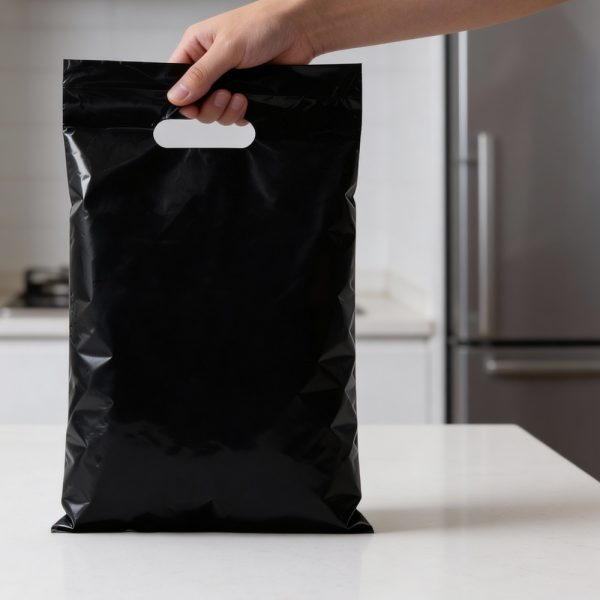
Whose black bag is this? (jus blak bag is dis?)
¿De quién es esta bolsa negra?

The yellow flower (de iélou fláuer)
la flor amarilla

I picked a yellow flower for you. (ai pikt a iélou fláuer for iu)
Cogí una flor amarilla para ti.

The brown table (de bráun téibol)
la mesa marrón

The brown table is made of wood. (de bráun téibol is meid ov uud)
La mesa marrón es de madera.

The grey car (de gréi kar)
el coche gris

They bought a grey car last month. (dei bot a gréi kar last manz)
Compraron un coche gris el mes pasado.

The pink dress (de pink dres)
el vestido rosa

She wore a pink dress to the party. (shi uor a pink dres tu de párti)
Llevaba un vestido rosa a la fiesta.

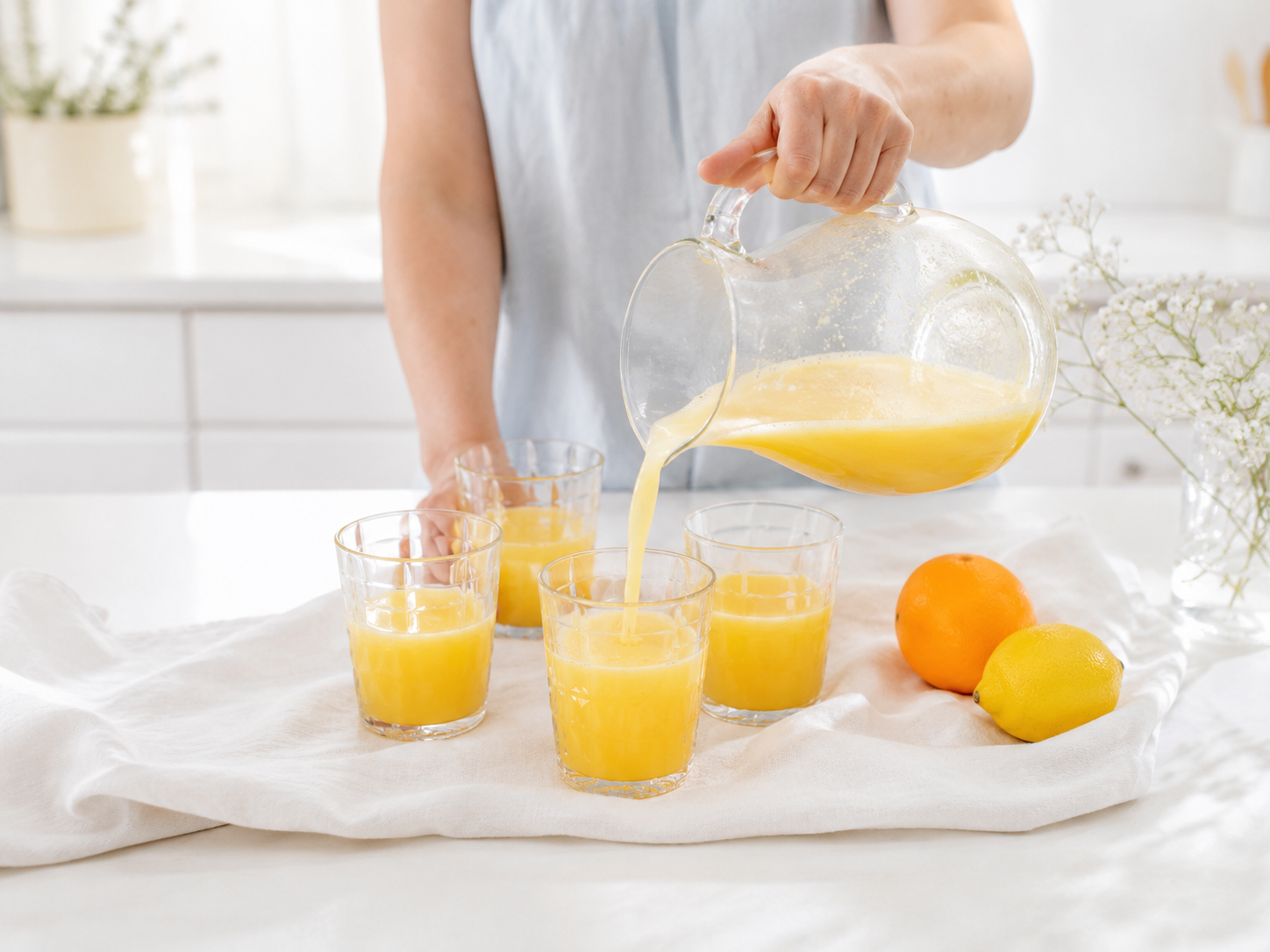
The orange juice (di órinch yus)
el zumo de naranja
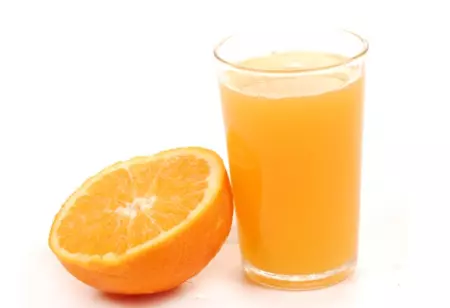
Would you like some orange juice? (wud iu laik sam órinch yus?)
¿Te gustaría un poco de zumo de naranja?
The purple blanket (de pérpol blánkit)
la manta morada

I slept with the purple blanket. (ai slept uiz de pérpol blánkit)
Dormí con la manta morada.

To feel blue (tu fil blu)
sentirse triste

She’s been feeling blue lately. (shis bin fílin blu léitli)
Últimamente se ha sentido triste.

To be in the red (tu bi in de red)
estar en números rojos

After the trip, we were in the red. (áfter de trip, ui wer in de red)
Después del viaje, estábamos en números rojos.

To see red (tu si red)
enfadarse mucho

He saw red when he heard the news. (ji so red uen ji herd de nius)
Se enfadó muchísimo al oír la noticia.

Once in a blue moon (uans in a blu mun)
de vez en cuando
We go out to dinner once in a blue moon. (ui gou aut tu díner uans in a blu mun)
Salimos a cenar de vez en cuando.

A white lie (a uáit lai)
una mentira piadosa
I told a white lie to avoid hurting her feelings. (ai tould a uáit lai tu avóid hértin jer fíilings)
Dije una mentira piadosa para no herir sus sentimientos.
To be green ( tu bi grín)
Ser inexperto
He’s still green in this job. (jis stil grín in dis yob)
Todavía es inexperto en este trabajo.

To be black and white (tu bi blak and uáit)
ser claro y evidente
For her, everything is black and white. (for jer, évriting is blak and uáit)
Para ella, todo es blanco o negro.
A golden opportunity (a góulden oportuniti)
una oportunidad de oro
This is a golden opportunity to improve your English. (dis is a góulden oportuniti tu imprúv ior ínglish)
Esta es una oportunidad de oro para mejorar tu inglés.
To catch someone red-handed (tu kach sámuan red jándid)
pillar a alguien con las manos en la masa

They caught him red-handed stealing the phone. (dei kot jim red jándid stílin de foun)
Lo pillaron con las manos en la masa robando el móvil.

The silver lining (de sílver láinin)
el lado positivo de algo malo
Every cloud has a silver lining. (évri klaud jas a sílver láinin)
No hay mal que por bien no venga.
What’s your favorite color? (uots ior féivorit káler?)
¿Cuál es tu color favorito?
I like blue. (ai laik blu)
Me gusta el azul
I like blue. It’s calm and clean. (ai laik blu. its kam and klin)
Me gusta el azul. Es tranquilo y limpio.
Can you pass me the red pen, please? (kan iu pas mi de red pen, plis?)
¿Puedes pasarme el bolígrafo rojo, por favor?

The walls are painted white. (de uols ar péintid uáit)
Las paredes están pintadas de blanco

The walls are painted white to make the room look bigger. (de uols ar péintid uáit tu meik de rum luk bíguer)
Las paredes están pintadas de blanco para que la habitación parezca más grande.
She looks good in green. (shi luks gud in grín)
Le queda bien el verde

She always wears green. It suits her. (shi ólueis uers grín. it suts jer)
Siempre lleva verde. Le queda bien.
Do you prefer light or dark colors? (du iu prifér láit or dark kálers?)
¿Prefieres colores claros u oscuros?
That shirt is too bright. (dat shert is tu bráit)
Esa camisa es demasiado llamativa

That yellow shirt is too bright for me. (dat iélou shert is tu bráit for mi)
Esa camisa amarilla es demasiado llamativa para mí.
I want something in black. (ai uont sámzing in blak)
Quiero algo en negro

I’m looking for a dress. I want something in black. (aim lúkin for a dres. ai uont sámzing in blak)
Estoy buscando un vestido. Quiero algo en negro.
Everything she owns is pink. (évriting shi ouns is pink)
Todo lo que tiene es rosa

Everything she owns is pink, even her car. (évriting shi ouns is pink, íven jer kar)
Todo lo que tiene es rosa, incluso su coche.

This color doesn’t match. (dis káler dásent mach)
Este color no combina
This color doesn’t match the rest of the outfit. (dis káler dásent mach de rest ov di áutfit)
Este color no combina con el resto del conjunto.