DB Exam 2
 Call Kai
 Learn
Learn Practice Test
 Spaced Repetition
 Match
Match Flashcards
 Knowt Play
1/115

There's no tags or description
Looks like no tags are added yet.
Name | Mastery | Learn | Test | Matching | Spaced | Call with Kai | Chat |
|---|
No analytics yet
Send a link to your students to track their progress
116 Terms
cocaine history
derived from coca leaves in high-altitude rainforests
originally was chewed (still is in some cultures)
first isolated in 1859 by German chemist Albert Niemann
mixed into beverages and topical creams (prescribed for toothaches and given to children)
Vin Mariani
1883- mix of cocaine and wine said to restore energy and health
has a half-life 5x longer than cocaine alone
endorsed by “celebrities” (i.e. The Pope)
coca-cola
originally created in 1885- like vin mariani but without the wine/alcohol
by 1903, cocaine was removed
stimulant
drug that increases physiological and mental functioning by speeding up messages traveling between brain and body
coca leaves
type of cocaine
administration: oral (chewed)
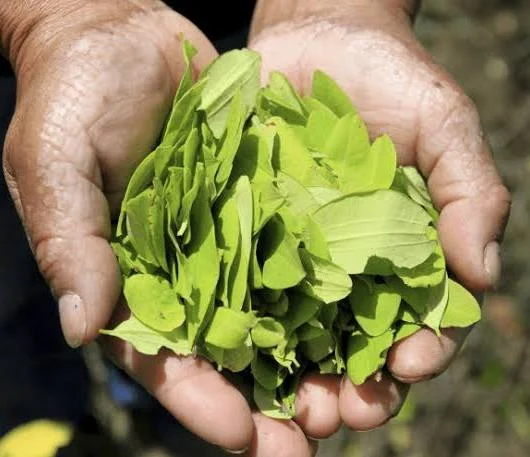
cocaine hydrochloride
type of cocaine
administration: inhalation (snorted), IV injection

free base
type of cocaine
subunit of cocaine hydrochloride
administration: inhalation(smoked)
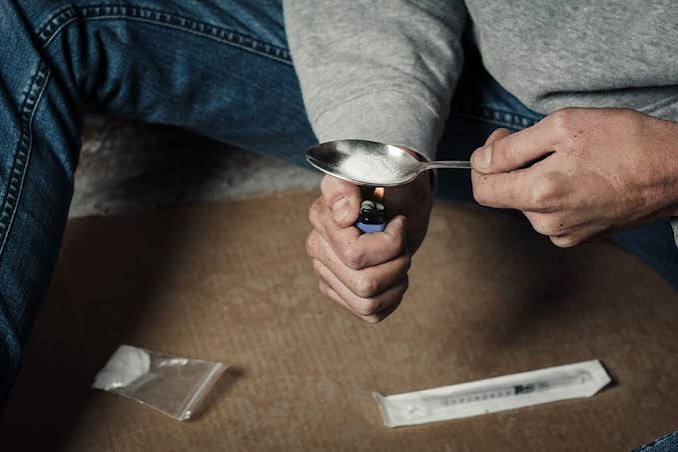
crack
type of cocaine
subunit of cocaine hydrochloride
administration: inhalation(smoked)

cocaine immediate effects
burst of energy (rush/high), improved sense of self, sexual arousal, increased sympathetic nervous system activity (high HR, BP, respiration, etc.) and inhibited parasympathetic NS activity
Followed by a crash, feelings of depression, and cravings
cocaine long-term effects
irritation, depression, paranoia, hallucinations
“cocaine bugs” under skin
scratched or even cut out
cocaine psychosis
cocaine psychosis
chronic cocaine use disorder characterized by hallucinations, anxiety, and paranoia
dopamine agonist
Cocaine is an example
blocks reuptake of dopamine, more available dopamine in synapse
nucleus accumbens
incentive sensitization theory
the more a person uses cocaine, the less it becomes about liking the drug and the more it becomes about wanting the drug
less enjoyment and more craving
kindling effect
over time, users develop a tolerance to the euphoria, but become sensitized to motor activation and brain excitation
can lead to seizures
reinforcer
a stimulus that increases the likelihood of a behavior occurring again in the future
reinforcement potential
can be measured by answering:
how often will a subject use the reinforcer with unrestricted access to it?
what are they willing to give up in order to receive the reinforcement (e.g. time, money, effort)
pickens and thompson
set of experiments conducted to examine the reinforcement potential of cocaine on different reinforcement schedules
methods: cocaine admin. dependent on lever press
results:
free access: consistent, high response levels
faster response rate for lower doses
response rates increased as number of lever presses required increased
tells us that cocaine has a high addiction potential because it is extremely reinforcing
cocaine treatment approaches
first phase- detox and abstinence
first 24-48 hours: depression, headaches, agitation, irritability, insomnia
inpatient detox
support groups: cocaine anonymous
CBT
Contingency management programs
No FDA approved drugs yet
cocaine medical uses
mostly a recreational drug
topical treatment that blocks nerve impulses
nasal and throat surgeries
nosebleeds
amphetamine history
ephedrine isolated in 1887 by german chemists
by 1932, synthetic form of ephedrine is marketed as a CNS stimulant, appetite suppressant, and bronchial dilator
WW2- given to German and US troops to keep them awake and alert (Kamikaze pilots and Nazi Germany)
After war, drugs kept people awake (college students, truck drivers)
Abuse peaked in 1967, declined over 70s as cocaine use rose
By 1970, 10% of the US population had used meth
90’s- meth labs spread across rural areas
ephedrine
active ingredient in the Ma Huang plant; stimulates the nervous system
speedball
a stimulant mixed with a depressant
Hitler did this
comprehensive methamphetamine control act
1996
increased legal penalties for manufacturing and trafficking meth
combat methamphetamine control act
2005
established restrictions and penalties for the sale of meth’s precursor chemicals
ex: HCl, ephedrine, red phosphorus, liquid ammonia
looked like it was working, however meth trafficking switched from domestic labs to being smuggled in from Mexico
recreational amphetamines
methamphetamine crystal meth, bath salts
instrumental amphetamines
adderall, ritalin
amphetamine acute effects
increased sympathetic nervous system activity, euphoria, and invincibility, decreased appetite, boost in energy and alertness
acts similarly to cocaine, but lasts longer
amphetamine chronic effects
hallucinations, delusions of parasites in skin, obsession compulsions, paranoia, violent tendencies, mood swings
amphetamine psychosis
acts similarly to cocaine, but lasts longer
amphetamine psychosis
chronic amphetamine use disorder characterized by paranoia, hallucinations, and disordered thinking
amphetamine on the brain
dopamine and norepinephrine agonist
nucleus accumbens and frontal lobe
amphetmaine treatment approaches
total abstinence first
then support groups or CBT
abusers are less likely to receive treatment because they believe they are in control of their use
denial and invincibility
high relapse rates
amphetamine medical use
prescribed for ADHD (ritalin, adderall, vyvanse)
medication more effective than behavioral treatment
prescribed for narcolepsy (Modafinil) and nasal decongestants
stimulant decreasing hyperactivity
amplifies the effects of important environmental stimulation and decreases noise from unimportant stimuli
increases motivation
tobacco history
1492- Christopher Columbus arrives in San Salvador and receives a welcome gift of tobacco leaves
Crew member tried to share the hobby back home and was imprisoned for witchcraft
1559- Official introduction to Europe
1604- King James 1 of England condemns use
1700s- snuff and chewing tobacco
1800’s- civil war
1900’s cigarette use rapidly increased in first half
1971- TV advertising banned
1993- research cam out that secondhand smoke inhaled by nonsmokers also caused lung cancer
public places started becoming smoke-free
snuff
finely shredded tobacco placed or sniffed into the nose
dominant form of tobacco in Europe
1700’s tobacco use
chewing tobacco
shredded tobacco leaves placed between gum and cheek (absorbed through membrane)
dominant form of tobacco in America
Cheap, but health hazard with spitting
1700’s tobacco use
civil war
tobacco use during 1800’s
cigars and cigarettes became dominant tobacco forms
cigars seen as “manly,” cigarettes seen as “sissy” or “dainty”
1900 tobacco use
rapidly increased in the first half of the century
cheapest form of tobacco
easiest for soliders to carry
women challenged the idea that only men could smoke tobacco
1964
year that the First US Surgeon General report on smoking and health
causally linked smoking to lung cancer, throat cancer, bronchitis, heart disease, and birth defects
25% drop in cigarette consumption in the next month
bounced back shortly after due to relapse
1993
year that research came out that secondhand smoke inhaled by nonsmokers also caused lung cancer
public places started becoming smoke-free
Tobacco Settlement of 1998
settlement where the tobacco industry agreed to pay the states compensation for the costs of treating people with smoking-related illnesses
paid states ~ 246 billion over a 24 year period
refrained from marketing tobacco products to people under 18 year old
donated 24 million annually for 10 years to foundations researching how to reduce smoking habits in youth
most states used their settlement money to pay off state debt
less than 3% of funds actually went to prevention programs
cigarette prices increased so tobacco companies could finance the settlement (kind of worked)
tobacco control act of 2009
gave the FDA full authority of regulating tobacco products sold in the US; led to creation of new FDA center for Tobacco Products
oversaw science-based tobacco regulation, full disclosure of ingredients in tobacco products, mandated warning labels highlighting health risks, banned candy-flavored cigarettes, etc.
impact of surgeon general report
smoking prevalence decreased from 42%-14%
~ 8 million premature deaths from tobacco use were avoided
tobacco control contributed extra 2.3 years to male life expectancy and 1.6 years to female life expectancy
tobacco use today
regular smokers (all ages):
1940: over 50%
1960: ~40%
2020: ~15%
regular smokers (college students)
1999: ~30%
2007: ~20%
2020: ~4%
tobacco components
gas phase
particulate phase
gas phase
gas compounds within tobacco smoke
carbon monoxide, carbon dioxide, ammonia, acetone, etc.
particulate phase
small particles suspended in tobacco smoke
tar, nicotine, and water droplets
dangerous compounds in tobacco
carbon monoxide- cardiovascular risk
tar- lung cancer risk
nicotine- dependence/addiction
carbon monoxide
odorless, colorless, tasteless gas that prevents blood cells from carrying oxygen throughout the body
primary factor elevating the risk of cardiovascular disease in smokers
tar
sticky material filled with pollutants and carcinogens
primary factor that elevates the risk of lung disease (cancer, COPD, emphysema)
nicotine
primary psychoactive ingredient in tobacco that acts as a stimulant and is responsible for the addictive properties of tobacco
~60mg of pure nicotine is lethal for an adult
around 2-8mg of nicotine is ingested by someone who smokes one pack per day
goldberg’s nicotine study
1981
Training
Monkeys press lever for nicotine admin
administration paired with light
testing conditions
free response
nicotine swapped with saline
light stimulus removed
results
free response- pretty high and consistent rates
saline swap- response rates dropped significantly
response was due to nicotine, not just random responding or conditioning to light
light removed- response rate decreased
drug paired cues contributed significantly to drug-seeking behavior
conclusion
nicotine is an effective reinforcer
drug related cues significantly affect drug craving
implications for treatment approaches (identifying cues)
treatment should focus on biological and environmental components
nicotine on the brain
cholinergic agonist
receptors: nicotinic acetylcholine receptors (nAChRs)
Increases acetylcholine, dopamine, norepinephrine
fast acting: inhalation, lipid soluble
physical effects of nicotine
nausea, dizziness (usually only for new users)
increased HR, BP, adrenaline
promotes concentration
feels “relaxing”
nicotine tolerance
mixed effects
tolerance to nausea/dizziness, not as much to sympathetic effects (HR, BP, adrenaline)
withdrawal from nicotine
symptoms start ~6 hours after last administration
decreased HR and BP, headaches, lack of concentration irritability, drowsiness
strong cravings (dopamine deficits)
tobacco adverse heath effects
cardiovascular disease
coronary heart disease (CHD), arteriosclerorsis, atherosclerosis
respiratory disease
COPD, asthma, stroke
80-90% of COPD cases result from smoking
cancer
responsible for 80% of lung cancer deaths and 30% of all cancer deaths in the US
tobacco use in the leading cause of preventable death in the US
smokers live around 10 years less than nonsmokers
life expectancy shortened by ~14 minutes every cigarette
secondhand smoke
presents a major health risk to nonsmokers and is known to cause cancer in humans and animals
causes the premature death of 41,000 adults and more than 400 infants each year
67.2% of youth who live with a smoker have been exposure to this
secondhand aerosol
from e-cigarettes is a known source of secondhand exposure to nicotine and can also contain aldehydes and heavy metals, which are also found in cigarette smoke
in 2019, less than half of working adults reported that their employer had a formal policy addressing vaping in the workplace
tobacco regulation
taxation of tobacco products
cigarette smuggling
restricting access of young people
federal minimum age moved from 18-21
education approaches
graphic, dramatic displays
warnings on cigarette packs
vape
device that heats up a liquid mixture of nicotine and other liquid chemicals for the user to inhale
In 2020, 25% of high school seniors and 19% of college students did this regularly
vape health risks
nicotine is responsible for dependence
vapors inhaled contain chemical carcinogen
accidental poisoning associated with refillable cartridges
development of e-cigarette or vaping product use associated lung injury (EVALI)
increased risk of diseases associated with lung function
vaping regulations
restricting locations where vaping is allowed
restricted age requirements for retail sales access
first FDS approved e-cigarette
potential benefit of smokers fully switching to vaping outweighed potential risk to youth
nicotine recovery timeline
8 hours; carbon monoxide levels drop to normal
24 hours; heart attack risk decreases
2wks-3months- lung function increases up to 30%
1 year: excess risk of heart disease cut in half
5-10 years- stroke risk back to nonsmoker level
10 years- excess risk of death from lung cancer cut in half
15 years: heart disease risk back to nonsmoker level
nicotine quitting
high relapse risk
1/3 of all smokers in the US try to quit each year
<1/10 successfully quit
on average, it takes a person 8 attempts to quit nicotine
longer you use, harder it is to quit
majority of adult smokers started as teenagers
nicotine replacement therapies: nicotine gum (nicorette), nicotine pathces, nasal spray or inhaler (Nicortol)
other approach: hypnosis, acupuncture, craving reduction prescription drugs, medical education (smokers told their “lung age” are twice as likely to quit)
xanthines
compounds that act as CNS stimulants
include:
caffeine
theobromine
theophylline
caffeine
fastest acting xanthine, but shortest lasting
first isolated from the coffee bean in 1819
theobromine
xanthine that is found in chocolate; only 1/10th as strong of a stimulant as caffeine
slowest acting, longest lasting
theophylline
xanthine that is found in tea; used in prescriptions as a bronchodilator
in between caffeine and theobromine
coffee arabica
type of coffee bean
first type of harvested coffee bean; native to the Middle East, now primarily grown in South America
coffee robusta
type of coffee bean originally grown on the Indonesian island of Java, now grown mainly in Indonesia, Brazil, and Africa
coffee houses
started popping up in England in mid 1600’s
places where intellectuals could meet and argue
America followed suit in the 1700s
coffee
after the revolutionary war, this was considered America’s national drink
by 1860, Americans were consuming ¾ of the worlds production
xanthines: caffeine only
average: 100mg in 5oz cup (ranges form 57-145)
tea
world’s oldest caffeine containing beverage
brought from Asia to Western Europe in the early 1600’s
Mixed reviews
Ultimately led to the Opium War
1773- British gov. allowed British agents to sell tea directly into the American colonies, bypassing American tea merchants → Boston tea party
Xanthines: caffeines and theophylline
average: 60g in 5oz cup (based on type)
in America, most of this is consumed iced
chocolate
comes from cocoa bean on cacao trees native to Mexico and Central America
Brought from the Aztecs to Spain in 1528
added sugar to the recipe, typically consumed as a drink until the invention of the chocolate bar in 1847
1700’s- chocolate houses were operating similarly to coffee houses
Xanthines: caffeine and theobromine
Average: 10mg in 1oz
caffeine administration
levels peak in bloodstream around 1hr after administration
average half life: 5-6 hours
highly variable (liver functioning, age, medications, smoking, etc.)
caffeine physical effects
a “buzz” or energy boost, increased HR, BP, body temperature, adrenaline
trouble falling asleep or staying asleep
increased feelings of anxiety, tingling sensations, or shakiness
lots feel the effects of the drug immediately
caffeine on the brain
“Double-negative” effect
inhibits an inhibitory neurotransmitter (adenosine)
blocks adenosine so users experience the opposite effects of adenosine
adenosine
inhibitory neurotransmitter that binds to receptors to produce feelings of sleepiness, blood vessel dilation, and constriction of bronchial pathways
caffeine blocks, so induces opposite effect
caffeine not working
the more you believe caffeine works, the more it will
caffeine works better when you’re already tired or bored
genetics
tolerance
interactions with other drugs
psychiatric conditions (ADHD)
age
biological sex
time of day
caffeine health benefits
could lower the risk of developing Parkinson’s for men
reproduced in handful of studies
correlational evidence shows that people who drink coffee live longer
could act similarly to Ritalin or amphetamine and reduce hyperactivity (not confirmed)
caffeine health risks
cardiovascular effects
mostly seen in people who drink 5-6 cups per day, have preexisting heart conditions, or who smoke
effects on bones
elderly people who drink more than 3.5 cups per day had ~80% greater risk of developing osteoporosis
pregnancy risks
high consumption early in pregnancy increases the risk of low birth weight, extremely high consumption could increase miscarriage risk
panic attacks
sometimes seen with high consumption (4-5 cups), more likely in individuals with panic disorder
caffeinism
condition that occurs when ~1000mg of caffeine is consumed over a short period of time (~10 cups of coffee)
results in extreme agitation and anxiety, muscle hyperactivity and twitching, insomnia, heart palpitations, and nausea
lethal dose of caffeine: ~5,000-10,000mg
caffeine dependence
> 85% of adults in the US consume caffeine every day
Average daily intake = ~280 mg (around 3 cups of coffee
caffeine tolerance
strongest for cardiovascular effects
unless large amount of caffeine is consumed, you probably wont feel heart racing
caffeine withdrawal symptoms
headaches, impaired concentration, drowsiness, irritability, muscle aches, other flu-like symptoms
caffeine craving
physical dependence is obvious based on withdrawal symptoms, psychological dependence is less clear
opioid
drug with analgesic (pain-reducing) properties that act like opium in the brain
schedule II (except heroin-1)
opium
analgesic and euphoriant drug acquired from the dried juice of the opium poppy
pipes from Bronze Age
Ancietn egyptian writings
opium extracts
morphine
codeine
thebaine
types of opioids
opium extracts
morphine derivatives
codeine/thebaine derivatives
synthetic opioids
morphine derivatives
heroin, hydromorphone, oxymorphone
codeine/thebaine derviatives
oxycodone (percocet, oxycontin), hydrocodone (vicodin, hycodan), buprenorphine (suboxone)
synthetic opioids
methadone, tramadol (ultram/ultracet), propoxyphene (darvon/darvocet)
fentanyl and fenanyl-analog compounds (carfentanil)
opium history
1500-1800’s Laudanum was prescribed for everything
late 1800’s- was cheaper than beer or gin in the US
Principal recreational drug along with alcohol and tobacco
given to babies
1773- First Opium War
laudanum
drink from opium dissolved in alcohol
first opium war
how did it start?
Chinese government confiscated and destroyed an opium delivery from British traders
what was the result?
Britain got control of Hong Kong, trading rights in Chinese harbors, and $300 million
second opium war
how did it start?
Chinese government seized a British ship and imprisoned its crew
what was the result?
opium was legalized in China
morphine and heroin history
1803- morphine is isolated from raw opium by a German drug clerk
derived from Morpheus, the Greek god of dreams
1856- Hypodermic syringe is invented (faster absorption than drinking)
1860’s- Civil War
“Soldier’s Disease” —morphine dependence
1898- The Bayer company introduced heroin to the market (prescribed as a cough suppressant and chest pain reliever)
abuse potential not realized (3x > morphine)
1980’s- price of heroin increased due to shortage, crime rates increased; drug taking was “cool”
20% of soldiers in Vietnam were doing it
black tar heroin + fentanyl became available
1990’s- shift away from injected heroin and toward cocaine and inhaled heroin
2000’s- rise in synthetic opioids (fentanyl and fentanyl analogs accounted for 82% of opioid overdose deaths)
Harrison act
1914
required anyone importing, manufacturing, selling , or dispensing opium-related drugs or cocaine to register with the treasury department, pay a special tax, and keep records of all transactions
by early 1920’s, it was illegal to prescribe opioids for nonmedical use