Chapter 5: aortic pulse pressure
 Call Kai
 Learn
 Practice Test
 Spaced Repetition
 Match
 Flashcards
 Knowt Play
1/13

There's no tags or description
Looks like no tags are added yet.
Name | Mastery | Learn | Test | Matching | Spaced | Call with Kai | Chat |
|---|
No analytics yet
Send a link to your students to track their progress
14 Terms
pulse pressure (PP)
different all over body due to changes in vasculature
as blood flows into distributing arteries, characteristic changes in pressure wave contour occur
when pulse pressure moves away from the heart
systolic pressure increases and diastolic pressure decreases
changes in shape of the pressure pulse
related to
decreased compliance of distal arteries (ie; more stiff)
reflective waves → particularly from arterial branch points, which summate with the pulse wave traveling down the aorta and arteries
vascular compliance
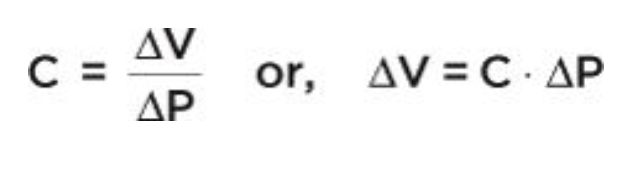
elastic nature of blood vessels; relationship between volume and pressure (slope of this relationship)
compliance of aorta and ventricular SV
determine aortic pulse pressure
compliance equation
highly compliant vessels
display small increase in pressure to a fiven volume increase
aorta
dampens pulse pressure because of its high compliance
pathologies that cause location-effect consequence
arterioscleorsis
atherosclerosis
arteriosclerosis
reduction in elasticity of arteries with age
increases pulse pressure, decreases aortic compliance
thickening of inner wall and central wall of artery
tunica media → dilation of vessels
atherosclerosis
deposition of plaques due to western diet
tunica INTIMA → narrowing of vessels
ischemia
increase stroke volume
increased preload and inotropy
decreased afterload and HR
decrease aortic compliance
age, arterioscleorsis, hypertension
increase aortic pulse pressure
increased stroke volume
decreased aortic compliance