Colour and chemistry reactions
 Call Kai
 Learn
 Practice Test
 Spaced Repetition
 Match
 Flashcards
 Knowt Play
1/60

Earn XP
Description and Tags
Name | Mastery | Learn | Test | Matching | Spaced | Call with Kai | Chat |
|---|
No analytics yet
Send a link to your students to track their progress
61 Terms
ZnO solid colour
Yellow when heated, turns white when cooled
FeO solid
Black solid with yellow sparks given during heating
PbO
Orange when heated, yellow when cooled
Fe2O3 solid
Look reddish brown when heated
CuO solid
Black
K2Cr2O7 solid
Orange
NO2 gas
Brown
Br2 in room temperature
reddish brown liquid

Br2 dissolved in organic solvents
Orange
Br2 aq
Yellowish-brown
Br2 at high temperature
Reddish brown gas
I2 at room temperature
Black solid
I2 dissolved in organic solvents
Purple
I2 aq
Brown
I2 at high temperature
Purple gas
With these three cations, everything is soluble
Na+, K+, NH4+
With these two anions, everything is soluble
NO3-, HCO3-
Halide ions EG Cl-, I-, Br- are MOSTLY SOLUBLE except for….
Halides paired with Ag+ or Pb2+ (EG AgCl2 PbI2) are insoluble
Cmpds paired with SO4 2- sulphate are MOSTLY SOLUBLE except for….
BaSO4, PbSO4, CaSO4 => white precipitate
Cmpds with CO3 2- carbonate are MOSTLY INSOLUBLE except for
K2CO3, Na2CO3, (NH4)2CO3
Cmpds with O2- oxide are MOSTLY INSOLUBLE except
Na2O, K2O, CaO (quicklime), MgO

When Iodine is heated
Black solid sublimes (s → g) and purple vapour evolves
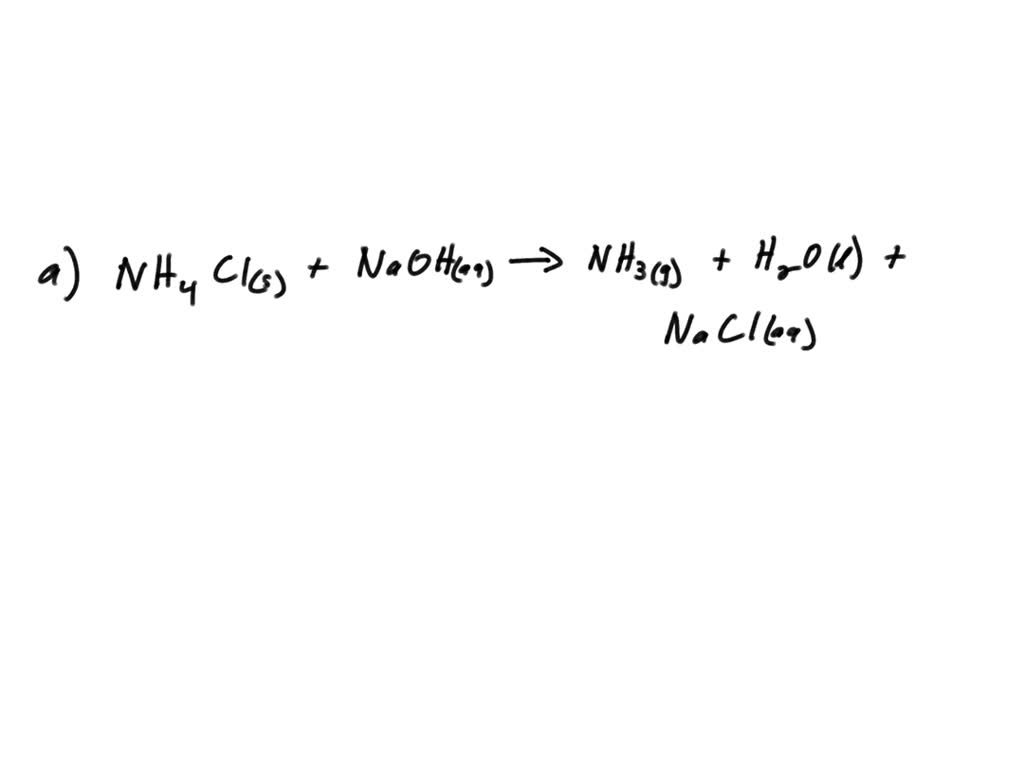
When NH4Cl (s) Ammonium chloride is heated
White solid sublimes (Heated NH4Cl turns into NH3 and HCl, but the two gases when cooled decompose back into NH4Cl)

NH4+ identification method
Add NaOH (aq). Upon warming, it gives off a gas with a pungent smell which turns moist red litmus paper blue
K+ identification method
Conduct flame test. Lilac flame observed
Na+ identification method
Conduct flame test. Golden yellow flame observed
Ca2+ identification method (not chemical methods only physical)
Conduct flame test. Brick-red flame
Ca2+ CHEMICAL identification method
Add NaOH (aq). white precipitates form (Ca(OH)2 slacked lime)
Chemical test applicable for both Ca2+ or Ba2+
Add dilute sulphuric acid, white precipitates are formed (Ca(OH)2, Ba(OH)2)
When NH3 (aq) is added to Ca2+, no observable change. WHY?
NH3 is a weak alkali which only partially ionizes in water to produce a low concentration of OH- → Only small amount of Ca(OH)2 (s) formed → Ca(OH)2 slightly soluble in water → dissolve in water → no precipitates
Zn2+ 2 identification methods
Add NaOH (aq). white precipitates are formed, will dissolve in excess NaOH to give a colourless solution [Zn(OH)4]2-(圓裏星)
Add NH3(aq). white precipitates are formed, precipitates will dissolve in excess NH3 aq to give a colourless solution [Zn(NH3)4]2+ aq (星級銀)

Al3+ identification method
Add NaOH(aq). White precipitates are formed (Al(OH)3), precipitates will dissolve in excess NaOH to give a colourless solution [Al(OH)4]- aq 圓裏星

All cations except for Zn2+, Cu2+, Ag+ when reacting with NH3 aq
White precipitates are formed

Pb2+ identification method
Add NaOH(aq). White precipitates are formed, the precipitates dissolve in excess NaOH to give a colourless solution (圓裏星)
Add dilute hydrochloric acid. White precipitates are formed. (PbCl2)
Add dilute sulphuric acid. White precipitates are formed (PbSO4)

Ag+ identification method
Add NaOH (aq). Brown precipitates are formed (Ag2O + H2O) (BUT DOESNT DISSOLVE IN EXCESS NAOH TO FORM COLOURLESS SOL)
Add NH3(aq). Brown precipitates are formed, the precipitates will then dissolve in excess NH3 to give a colourless solution (2[Ag(NH3)2]+ aq) (星級銀)
Cl-, Br-, I- ion identification method for all 3 ions
Add acidified silver nitrate solution/ excess dilute nitric acid → silver nitrate solution
Cl- forms white precipitates (AgCl)
Br- forms pale yellow precipitates (AgBr)
I- forms yellow precipitates (AgI)
Why do we use excess dilute nitric acid?
To dissolve and remove any unwanted precipitates (which are carbonates, sulphites, oxides and turn them into solutions)

Br-, I- identification method (the answer isn’t acidified silver nitrate sol)
Add aqueous chlorine, followed by the addition of an organic solvent (eg heptane) with shaking
Br-: First, the bromide solution changes from colourless to yellow-brown. Then, the organic layer becomes orange.
I-: First, the iodide solution changes from colourless to brown. Then, the organic layer becomes purple.
CO3 2- Carbonate ion Identifying method
Add dilute acids (EG HCl). Colourless gas will be given out, which turns limewater milky.
Strong heating the solid (Decomposition method). Colourless gas will be given out, which turns limewater milky. (Exceptions: Na+ and K+)
HCO3- hydrogencarbonate ion identifying method
Add dilute acids (EG HCl). Colourless gas will be given out, which turns limewater milky.
Strong heating. Colourless gas will be given out, which turns limewater milky
Identifying Na2CO3 (aq) and NaHCO3 (aq)
Add CaCl2 (aq). Na2CO3: White precipitates are observed (CaCO3). NaHCO3: no observable change
Sulphate SO4 2- identification
Add acidified BaCl2/CaCl2 solution. White precipitates form (CaSO4)
OCl- identification
Add dilute HCl(aq). A greenish gas will evolve, which turns moist blue litmus paper red, then white (OCl is a bleaching agent, which turns coloured litmus paper white)
Sulphite SO3 2- identification
Add acidified dichromate solution. Solution turns from orange to green
NH3 (g) Ammonia obs + characteristics + tests
obs: pungenet smell
characteristics: soluble, toxic (→ fumehood)
test: Add onto a piece of moist red litmus paper. Turns the paper blue.
Place NH3 (g) near conc HCl (aq) → Dense white fumes (NH4Cl)

CO2 test
Bubble the gas into limewater. Limewater turns from colourless to milky.

Excess CO2 in limewater
the solution changes from milky to colourless again

Cl2 Chlorine obs + characteristics + test (rmb because Cl2 colour is very light, hard to see)
obs: greenish yellow gas, pungent and choking smell
characteristics: toxic (→ fumehood)
test: Add onto a piece of moist blue litmus paper. Paper turns red then white (OCl- bleaching action).
I2 Iodine obs + test
obs: purple gas, pungent smell
test: moist starch paper. paper turnsdark blue
O2 characteristics + test
char: slightly soluble
test: glowing splint test. oxygen relights the glowing splint
H2 characteristics + test
char: flammable, insoluble
test: burning splint test. The burning splint burns with a ‘pop’ sound
HCl (g) characteristics + test
char: pungent, corrosive, soluble
Test: Place near NH3(g). Dense white fumes form (NH4Cl)
SO2 (g) characteristics + test (photo needed)
char: choking smell of burning sulphur, toxic
test:
Add onto filter paper soaked with acidified potassium dichromate solution. The paper changes from orange (Cr2O7 2-) to green (Cr3+).
Add onto filter paper soaked with Br2 (aq). The paper turns from yellow-brown to colourless
Add onto filter paper soaked with acidified potassium permanganate solution. The paper changes from purple to colourless.
Bubble the gas into limewater. It turns limewater milky. (CaSO3(s), this eq used in scrubbers)
H2O(g)/(l) test
Test with anhydrous blue cobalt(II) chloride paper. The paper turns from blue to pink.
Test with anhydrous copper(II) sulphate powder. The powder turns from white to blue.
C=C alkenes identification method
Add bromine dissolved in organic solvents in the dark. Orange to colourless.
Use cold and dilute acidified potassium permanganate solution. Purple to colourless.
Use cold and dilute alkaline potassium permanganate solution. Purple to colourless with brown precipitates (MnO2).

-OH Alcohol identification method
For primary and secondary: Heating with acidified potassium dichromate solution. Solution changes from orange to green
Tertiary alcohols: no observable change
Heating with carboxylic acid under reflux in the presence of concentrated sulphuric acid. Gives a sweet fruity smell (ester) (tertiary alcohols form ester too)
Both ketone C=O and aldehyde’s CHO identification method
Add 2,4-dinitrophenylhydrazine. Yellow/red/orange precipitates formed (write either one)
identification method between ketone and aldehyde
Heating with acidified potassium dichromate solution under reflux. ketone: no observable change. aldehyde: orange to green
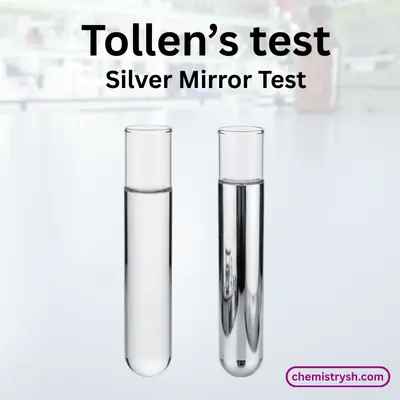
Warming with Tollens’ reagent (some silver nitrate + ammonia sol). Aldehyde: A silver mirror forms on the inner wall of the test tube. Ketone: no observable change
Aldehyde CHO
Warming with Tollens’ reagent (some silver nitrate + ammonia sol). A silver mirror forms on the inner wall of the test tube
COOH carboxylic acid identification method
Add sodium carbonate sol/ metal. Colourless gases given out (CO2)
Heating with alochols under reflux in the presence of concentrated sulphuric acid. Gives a sweet fruity smell (ester)
2 methods for Cu2+ chemical identification
Add dilute NaOH (aq). Pale blue precipitates formed
Add NH3(aq). Pale blue precipitates are formed. The precipitate will redissolve in excess NH3(aq) to give a dark blue solution. (Cu(NH3)4)2+) (aq)