Lab Practical 2
 Call Kai
 Learn
 Practice Test
 Spaced Repetition
 Match
 Flashcards
 Knowt Play
1/117

There's no tags or description
Looks like no tags are added yet.
118 Terms
Domain fungi
eukaryotes
Kingdom
fungi
Phyla
Zygomycota, Ascomycota. Basidiomycota
Spore asexual production
involves mitosis to produce spores
spore sexual production
involves meiosis to produce spores
Phylum Zygomycota
ex: Rhizopus (black bread mold)

zygosporangia: sexual reproduction/meiosis, diploid

sporangia: asexual reproduction/mitosis, haploid

hyphae (line parts) haploid
Phylum Basidiomycota
(club fungi) ex: button mushrooms, shelf fungus, coprinus

Basidiomycota: Button Mushroom

Basidiomycota: Shelf fungus

Basidiomycota: Coprinus

Basidia
Eukaryotic - spore production- Blue area - Diploid

Basidiospores
Produced through meiosis (sexual reproduction), haploid
Phylum Ascomycota
Sac fungi: Morels, Peziza, Yeast, Penicillium
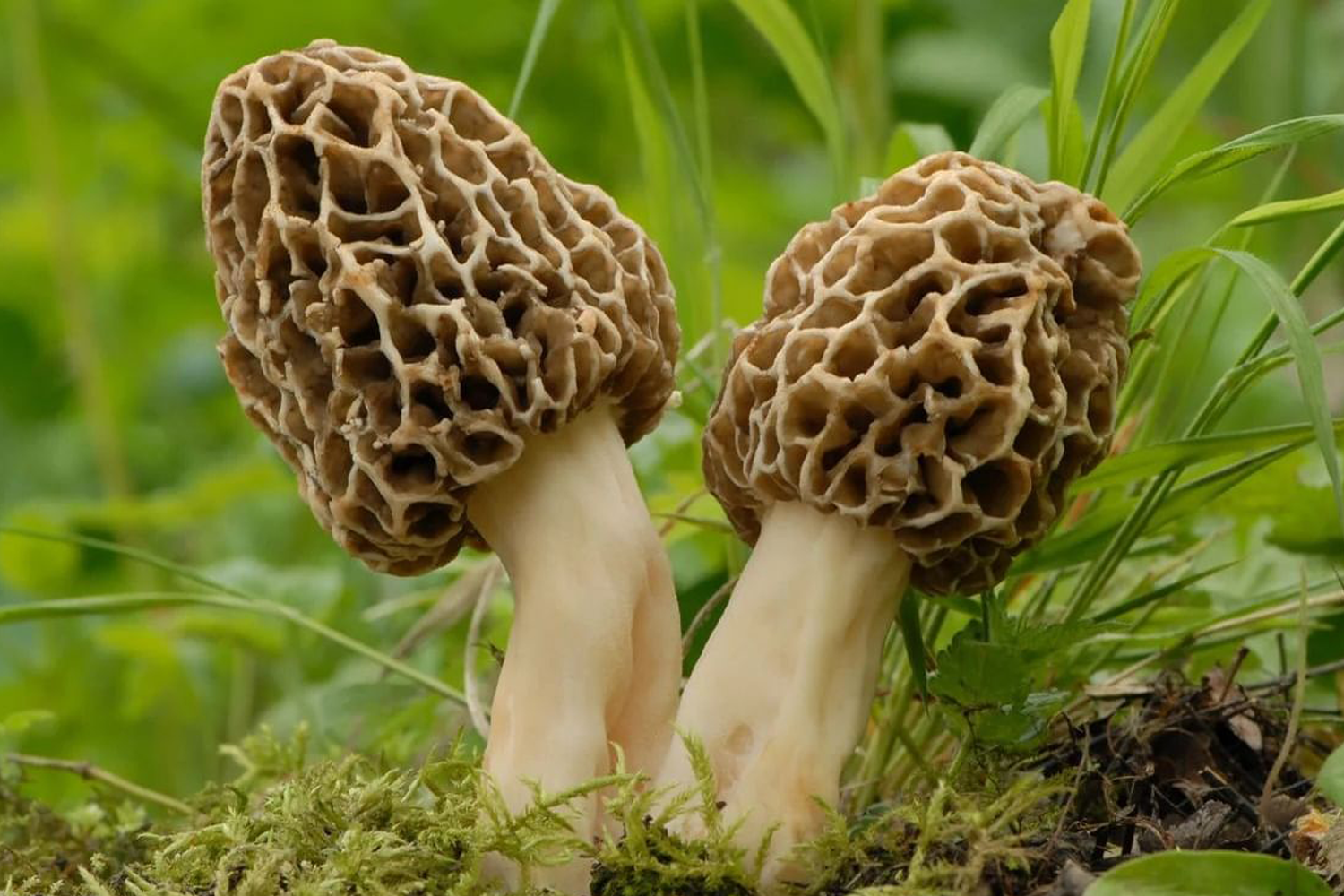
Morels

Peziza

Asci(blue)
where ascosproes (purple) are produced (meiosis (sexual reproduction)) inside of Peziza, (haploid)

Yeast: Saccharomyces
Unicellular, Budding (asexual reproduction)
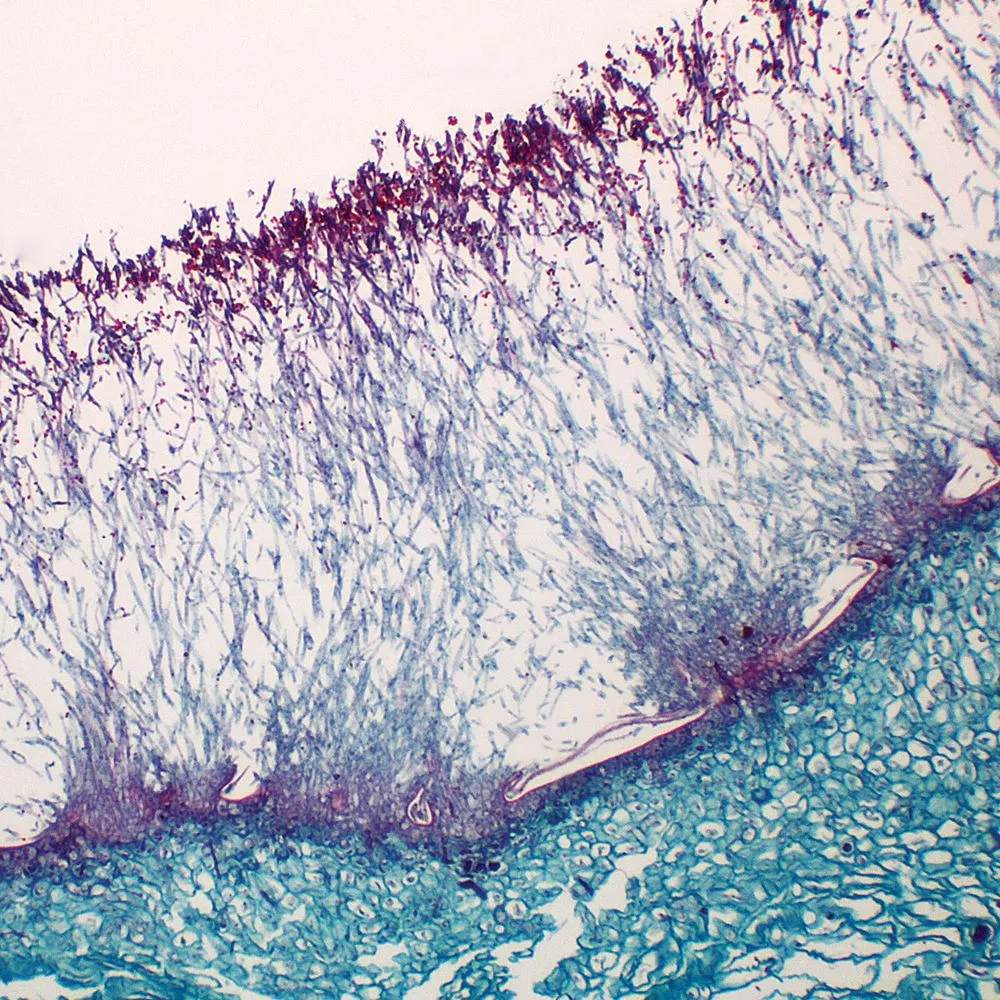
Penicillium
Conida (sexual spores) and hyphae

Lichen is
fungus + algae (or cyanobacteria) symbiotic relationship

Crustose

Foliose
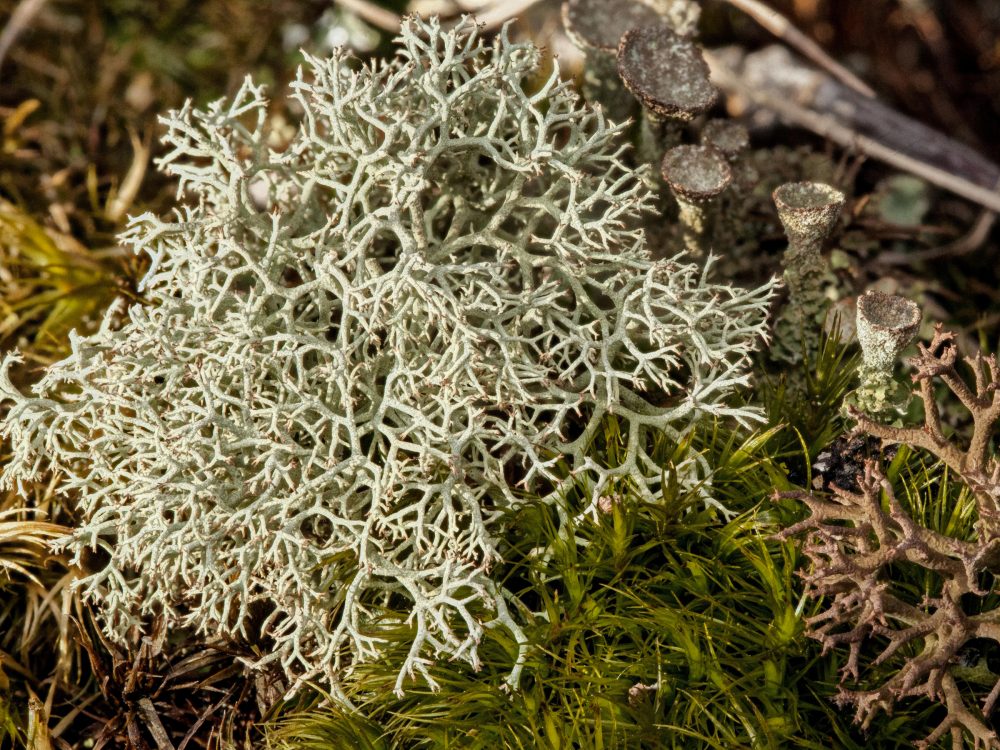
Fruticose
Asymmetry
no plane of symmetry
Radial symmetry
Many planes of symmetry

Bilateral Symmetry
One plane of symmetry

Coelem
Body cavity: Acoelomate, Pseudocoelomate, Coelomate

Acoelomate
Lacks a body cavity

Pseudocoelomate
body cavity forms between mesoderm and endoderm

Coelomate
have a true coelom, body cavity surrounded by mesoderm
Germ layer
cell layers formed in the earliest stages of embryonic development, endoderm, ectoderm, mesoderm
Endoderm
Inner Layer
Ectoderm
Outer layer
Mesoderm
Middle Layer
Diploblastic
2 germ layers: Ectoderm, Endoderm
Triploblastic
3 germ layers: Ecto, Meso, Endo
Have coelom types, classified as proto/deuterostome
Protostome
Cleavage: Spiral/ determinate
Blastopore becomes the mouth during gastrulation
Coelom Dev.:Splitting of the mesoderm
Deuterostome
Cleavage: Radial, indeterminate
Blastopore becomes anus during gastrulation
Coelom Dev.: Pinching of Mesoderm

Sponge, Porifera, Asymmetric, 0 Germ Layers,

Sea Anemone

Jellyfish
Phylum Anthropoda
Bilateral, Triploblast, Coelomate, Protostome
Types of Anthropoda
Scorpion, Crab, Centipede, Grasshopper, Beetle, Lobster, Spider
Phylum Cnidaria
Radial, Diploblast
Types of Cnidaria
Sea Anemone, Jellyfish, Hydra

Hydra
Phylum Mollusca
Bilateral, Triploblast, Coelomate, Protostome
Types of Mollusca
Squid, Snail, Chiton, Clam
Phylum Annelida
Bilateral, Triploblast, Coelomate, Protostome
Types of Annelida
Earthworm, Sandworm, Blackworms
Phylum Platyhelminthes
Bilateral, Triploblast, Acoelomate, Protostome
Types of Platyhelminthes
Tapeworm (very long), Flatworm

Phylum Nematoda
Roundworm, Bilateral, Triploblast, Pseudocoelomate, Protostome
Phylum Echinodermata
Radial, Triploblast, Coelomate, Deuterostome
Types of Echinodermata
Sea star, Sea Urchin
Phylum Chordata
Bilateral, Triploblast, Coelomate, Deuterostome
Types of Chordata
Fish, Salamander
Phylum Rotifera
Rotifer, Bilateral, Triploblast, Pseudocoelomate, Protosome
Phylum Annelida
Blackworms, Bilateral, Triploblast, Coelomate, Protostome
Holoblastic cleavage
entire structure divides evenly - In sea stars
Morula
when the embryo progresses from a zygote to a solid mass of cells called a morula


Blastula
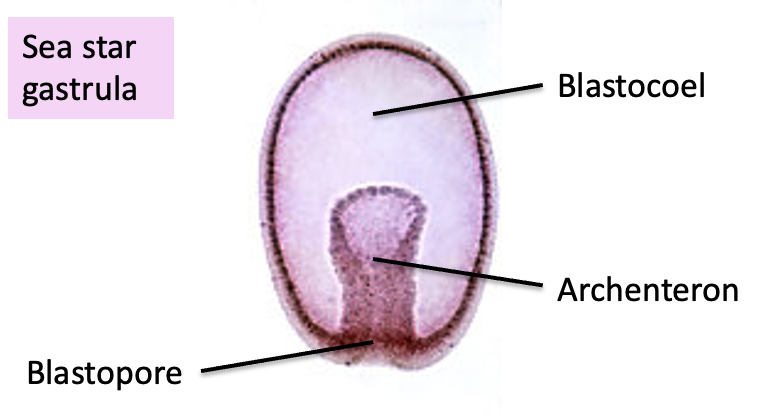
Hollow ball of cells, fluid-filled cavity called blastocoel (frog one has yolk around the blastocoel)


Gastrula
Forms through process called gastrulation, Blastopore and archenteron form
Meroblastic Cleavage
Only the nucleus divides, In frogs
Neurulation
development of the dorsal tubular nerve chord
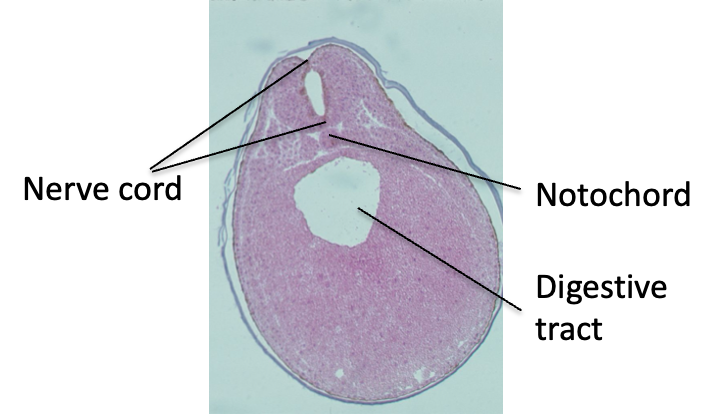
Neural crest

Neural fold
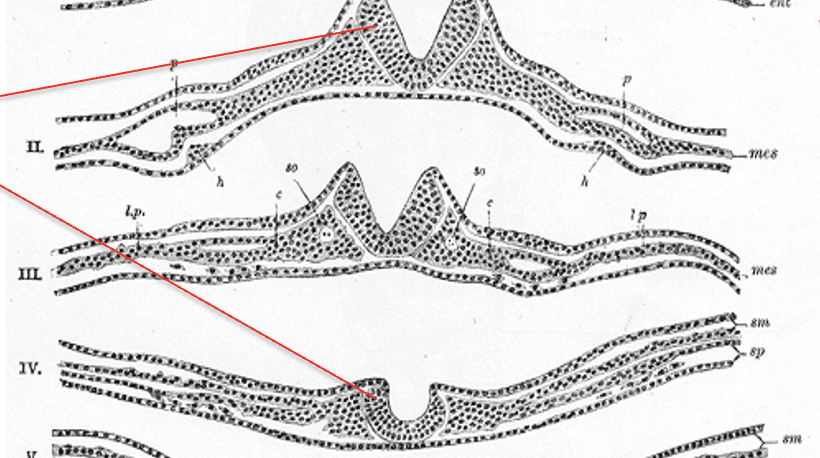
Neural plate

Jawless fish
Petromyzontidae, ex: organism: Lamprey, characteristics: Gill Slits, Jaws absent
Cartilaginous fish
Chondrichthyes, ex: Stingray Shark, Char: Jaws present, fins present
Amphibians
Amphibia: Salamander, frog, Char: Jaws present, fins absent, scales/feather/fur absent
Reptiles
Reptilia: Sanke, Lizard Char: Jaws, fins absent, scales, dur/feathers absent
Birds
Aves: Crow, song bird Char: Jaws, Feathers, no fins fur or scales
Mammals
Mammalia: Raccoon, mouse Char: Jaws, Fur, No fins, feathers or scales
Simple Squamous (exchanges gases)
Lung

Simple squamous
(artery and vein)


Simple Cuboidal Epithelium (absorption)
Kidney
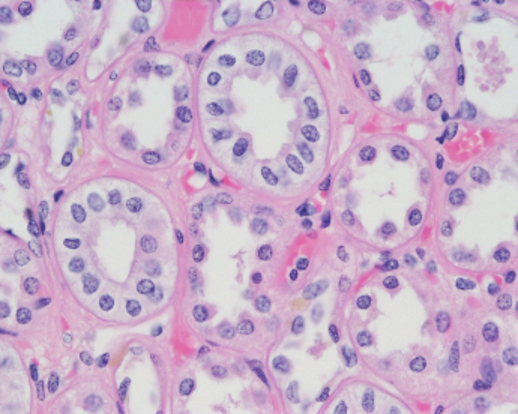
Simple Columnar Epithelium (absorption)
Intestine
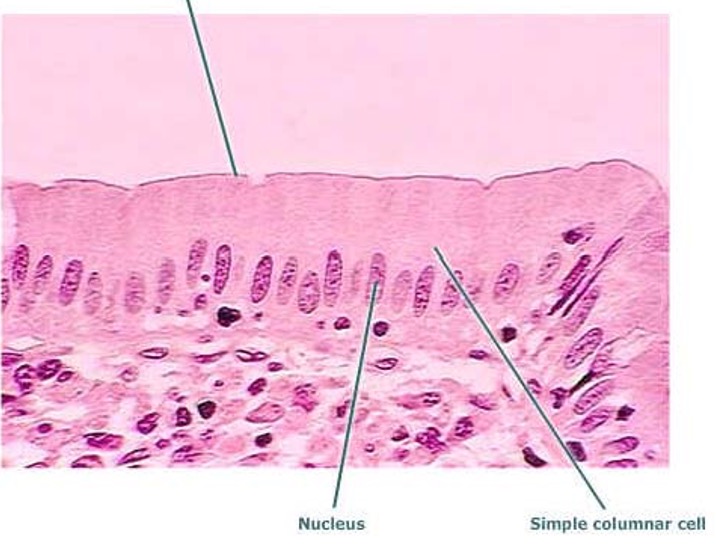
Stratified Squamous Epithelium (protection)
Esophagus
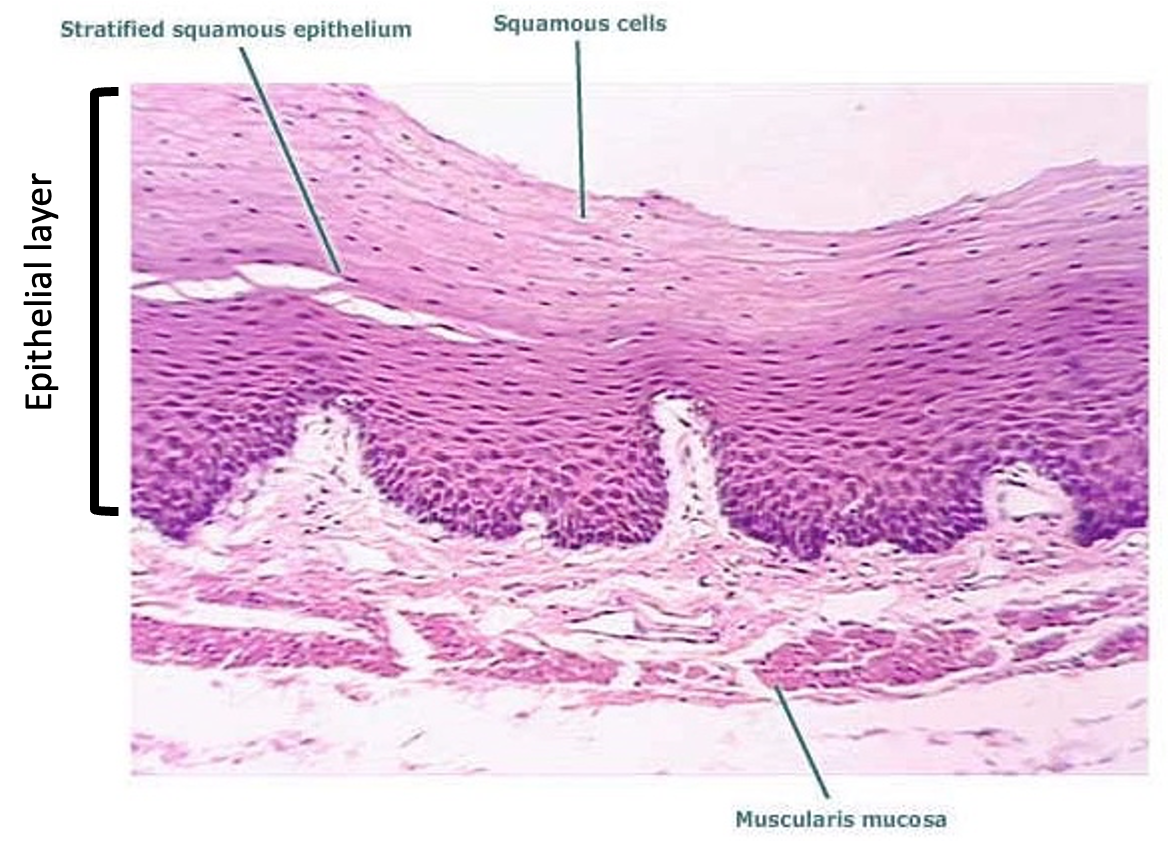
Keratinzied Stratified Squamous Epithelium
Skin

Areolar
Fibroblasts, collagen

Adipose (fat)
Adipocytes

Dense Connective Tissue
Skin cartilage (dermis)
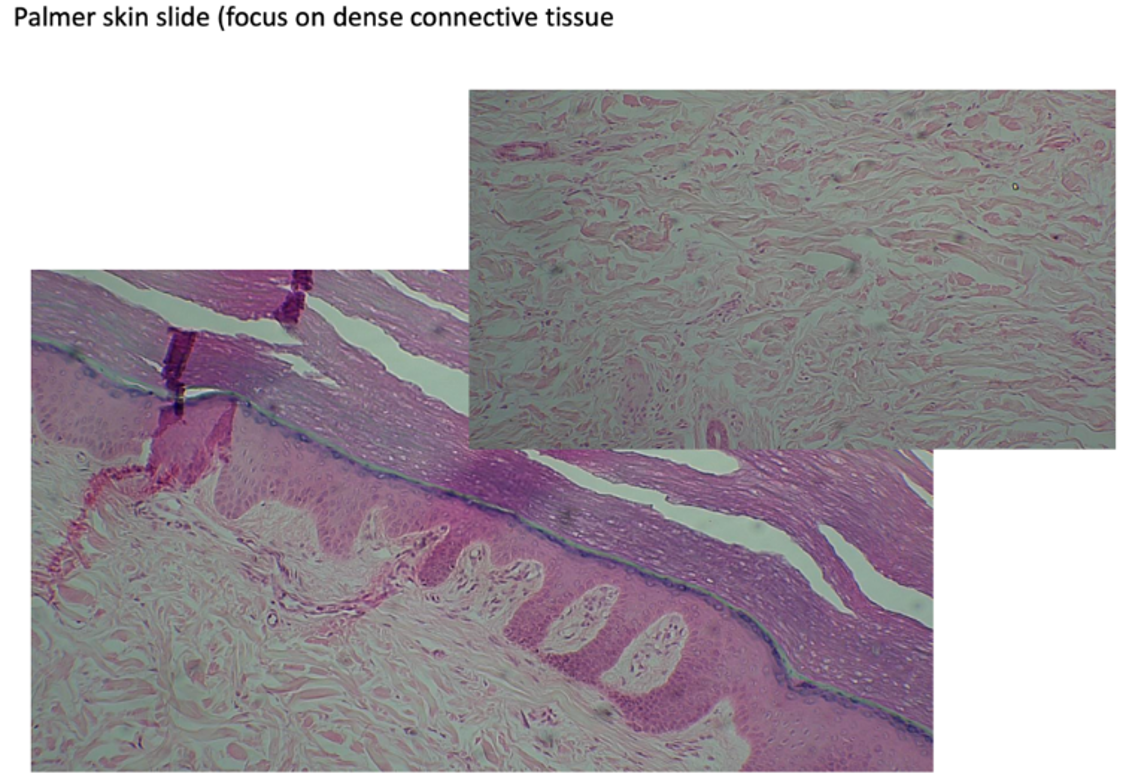
Hyalin cartilage
Chondrocytes

Bone Tissue
Osteon and osteocytes, central canal

Blood
RBC vs WBC, Platelets

Skeletal
Normal Voluntary movement

Cardiac
Intercalated discs

Smooth
no striations, ex: arteries and veins, esophagus

Nervous Tissue
Neurons: Send and receive signals
Glial Cells: Maintenance

Arteries
carry blood away from the heart
bigger diameter and thicker wall
Veins
carry blood to the heart
smaller and thinner
Pulmonary circuit
Lungs
Right ventricle, pulmonary arteries and veins, left atrium
Systemic circuit
Rest of the body
Left Ventricle, aorta, vena cava, right atrium
Anterior
Pulmonary Trunk, Right ventricle, left ventricle, apex
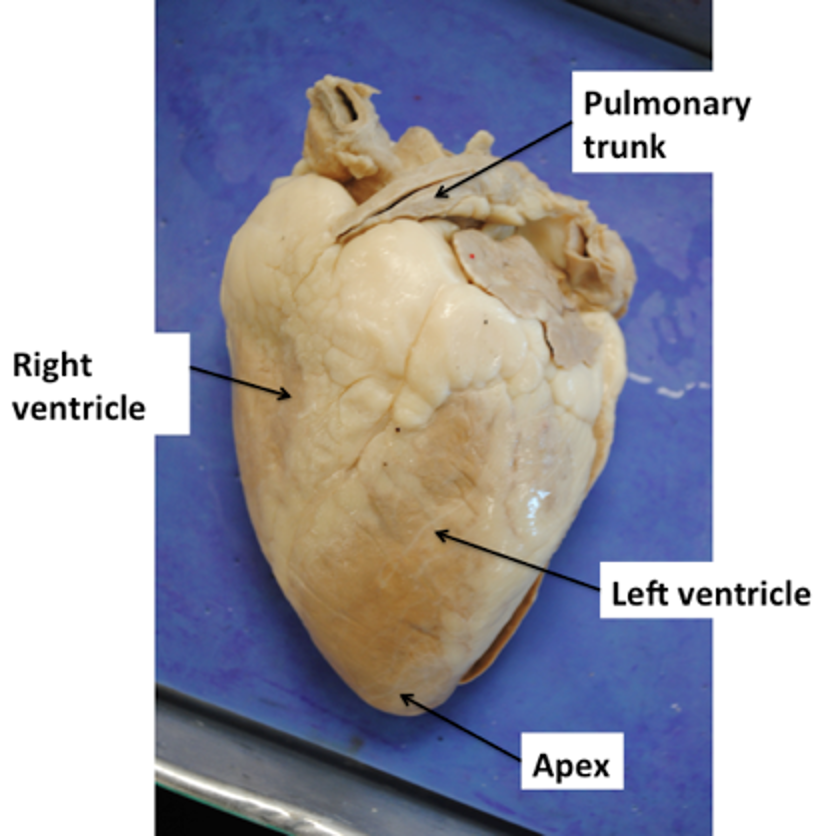
Posterior
Left Ventricle, right ventricle

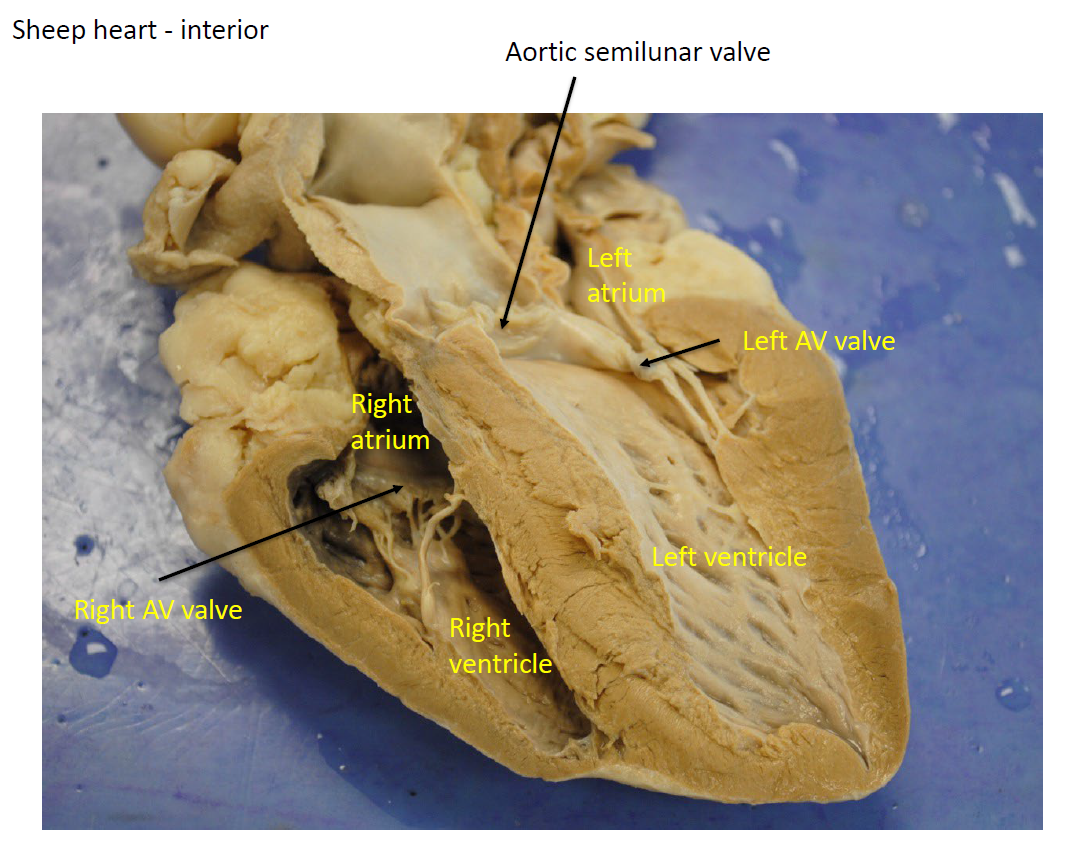
Sheep Heart Interior
Right Atrium, Right AV valve, Right ventricle to lungs
Left atrium, left AV valve, left ventricle out the aorta to body
Kidney Cortex:
Filtration
