antibiotics and resistance
 Call Kai
 Learn
 Practice Test
 Spaced Repetition
 Match
 Flashcards
 Knowt Play
1/36

There's no tags or description
Looks like no tags are added yet.
37 Terms
antimicrobial agents
disinfectants
antiseptics
antibiotics
disinfectants
applied to inanimate objects - floors, tables, walls
VERY TOXIC
antiseptics
sufficiently non-toxic to be applied to living tissues
antibiotics
produced by bacteria and fungi that are exploited by humans
delivered topically and internally in a non-toxic way
most effective therapeutic agent against bacterial infections
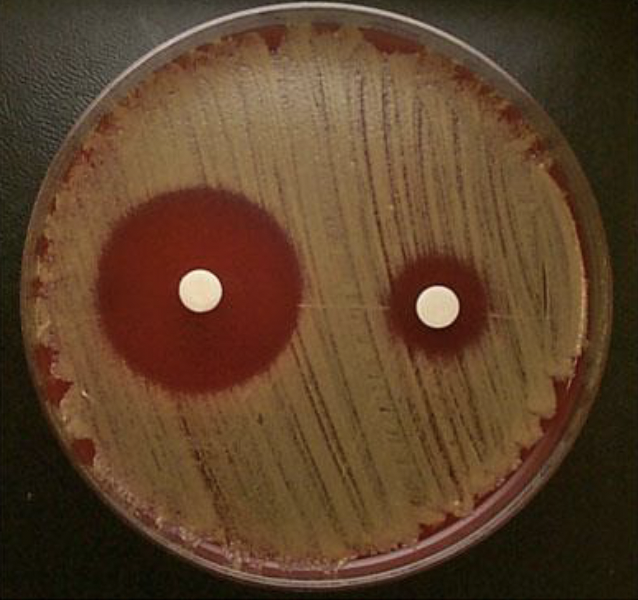
agar plate and antibiotics
spread bacteria and let it grow
paper discs impregnated with antibiotics
KIRBY BAUER DISK INFUSION
left - more effective, antibiotic kills
right - ZONE OF CLEARANCE - less effective, bacteria is strong
things antibiotics can help with
availability enables chemotherapy (immunosuppressive drugs), organ transplantation, invasive surgeries, treatment of infants
problems with antibiotics
diminished interest from pharma companies to develop new antibiotics
bacterial resistance to antibiotics ALWAYS happen
unprofitable - begins in academic lab to mouse trials to a company to $1 billion trials BUT most fail before the market
deployment and resistance
1930-2005 timeline
1930-1960 —> golden age, LOTS of antibiotics discovered
1970+ —> very little new antibiotics discovered
misuse leading to antibiotic resistance
empiric use
increased use of broad-spectrum agents
pediatric use for viral infections
patients who don’t complete full antibiotic course
animal feeds
empiric use
blinded, use same antibiotic that you treated another patient with due to similar symptoms
could have no idea what the actual infection is
increased use of broad spectrum agents
need to use more narrow spectrum agents if possible
pediatric use for viral infections
don’t test for bacteria and end up being viral so antibiotics are useless here
ex. don’t test for strep and assume but is actually viral
patients who don’t complete full antibiotic course
once/twice a day for two weeks
if stop taking once feel better, bacteria could still be present
animal feeds
used in animals when they’re sick to prevent infection
some antibiotics make animals gain weight —> MEATIER
don’t want to use same antibiotic on humans and animals because once eaten, humans will possess same organisms with resistance
ON AVERAGE, humans consume 1 chicken/2 weeks
“good” antibiotic resistance will spread
measuring antibiotic activity
how effective antibiotic is in lab
MINIMUM INHIBITORY CONCENTRATION
series of tubes, inoculate them all the same
add increasing concentrations of antibiotics
LOW CONC - grow fine
HIGH CONC - doesn’t grow
MIC - lowest conc where they can’t grow (low is good because means no resistance)
STRIPS
agar plate with antibiotic strips, each strip contains a diff antibiotic
certain threshold for resistance

how do antibiotics work
Target Bacterial Components
cell wall synthesis (beta lactams, vancomycin)
protein synthesis (linezolid, tetracyclines, macrolides, aminoglycosides)
DNA/RNA synthesis (floroquinoiones, Ri famycines)
folate synthesis - need folate from diet as a vitamin (Trimethoprimin, Sulfonamides)
cell membrane alteration (daptomycin)
TARGETS not present in eukaryotic cells
beta lactam antibiotics
ex. penicillin
all have a beta-lactam ring
target cell wall
bind to penicillin binding proteins
transpeptidases - build cell wall
if inhibited, no peptide cross links, weak cell wall, cell death

beta lactam antibiotic resistance
make beta lactamase - destroys ring structure (antibiotic)
Methicillin
chemically modified penicillin that can’t be cleared by beta lactamases
gene called mec makes a different penicillin binding protein (PBP2a)
doesn’t bind methicillin or other beta lactams
MRSA - methicillin resistant Staph aures with mec genes

vancomycin antibiotic
old antibiotic
inhibits cell wall synthesis in Gram+
drug of last resort - MRSA (infection with not much left)
binds peptide linkages at terminal D-Ala-D-Ala residues and inhibits transpeptidation
vancomycin resistance
van genes - change to D-Ala-D-Lac so can’t bind
there is also van-resistant Staph

antibiotic resistance selection
paradox - more use of antibiotics actively selects for antibiotic resistant bacteria
antibiotic resistant strategies
prevention of antibiotic entry - gram- outer membrane and mycobacteria cell envelope
antibiotic modification - B-lactamase
Efflux of antibiotics - pump out antibiotic
alteration of target - PBPs, ribosome modification
bypassing antibiotic action - use environmental folic acid
resistance gene
addition to selecting for random mutations, can also be genetically encoded
mec, B lactamase, efflux pumps
high levels of resistance
classic evolution
encoded on mobile genetic elements (ex. plasmids) allowing for HGT (superbugs)
eventually can’t be treated with anything
horizontal gene transfer
rather than alter gene function through mutations, new genes are acquired from another source
TRANSFORMATION - takes up DNA from environment
TRANSDUCTION - more specialized, viruses infect bacteria (bacteriophages), phages make their own genome and moves (sometimes packages wrong DNA), used in lab
CONJUGATION - plasmid encodes genes to move it, move from one bacteria to another, extremely efficient in LABS

eskape pathogen
nosocomial
associated with healthcare system (in senior homes/hospitals)
infect people with some underlying morbidity
ENTERCOCCUS FAECIUM (+)
STAPHYLOCOCCUS AUREUS (+)
KLEBSIELLA PNEUMONIAE (-)
ACINEIDBACTER BAUMANNIL (-)
PSEUDOMONAS AERUGINOSA (-)
ENTEROBACTER SPECIES (-)
Klebsiella Pneumoniae
gram negative bacterium
nosocomial pneumoniae
gooey capsule resistant to multiple antibiotics
first document source of NOM-1
New Dehli 1 Metallo-becta-lactamases
Carbapenemase - destroys carbapenemes which are important beta-lactan antibiotics
Beta-lactamase resistant
NDM-1 widespread in Gram-
CRE (carbapenem resistant enterobacteriaceae)
global problem around the world
clostridia
Gram positive
rod-shaped
form endospores (resistant to heat, boiling, UV light)
strict anaerobes, vegetative cells killed by O2, spores survive
generally found in soil and intestinal tracts of animals
can cause life threatening diseases mediated by exotoxins
HUMAN PATHOGENS
Clostridium Tetani
Clostridium Botolinum
Clostridium Perfringens
Clostridium Difficile
clostridium tetani
tetanus
clostridium botolinum
botulism (food-borne)
clostridium perfringens
food-borne illness and gas gangrene
clostridium difficile
exist as:
asymptomatic carrier state in large intestine
cause of mild-moderate diarrhea
cause of life-threatening pseudomembranous colitis
nosocomial - in nursing homes and hospital environments
ENDOSPORES - difficult to eradicate from environment, cultured from floor, bed pans, toilets, hands —> clothing
FECAL-ORAL ROUTE - mode of transmission
pseudo membrane colitis
pseudo membrane colitis
antibiotic associated diarrhea, caused by C. diff
inflammatory condition of large intestine
RISK FACTOR - recently received antimicrobial agent
diarrhea, abdominal pain, fever, nausea, dehydration (1-2 days/week after antibiotic discontinued)
endoscopy shows lesions - lesions enlarge to show inflamed mucosa + can be peeled off
PSEUDO MEMBRANE
antibiotics cure infections, also kill normal microiota
suppression of normal microbiota + persistence of C.diff endospores
after antibiotic is stopped, spores germinate and overgrowth of C.diff occurs with production of toxins
NOT INVASIVE - exotoxins cause damage and inflammation to lining of large intestine
A-B TOXINS
A-B TOXINS
produced by C.diff —> large clostudial cytotoxins
TWO DOMAINS
A —> Active Domain Pxic, enzymatic activity —> INACTIVATES key regulatory proteins of host cells
B —> binding domains, uptake of host cell

C. diff treatment and diagnosis
history (antibiotic use), symptoms and lab tests for C. diff
endoscopy and toxin detection assays
discontinue inciting antibiotic
fluids
antibiotics more specific more C.diff —> oral vancomycin / IV membrane (good for anaerobes)
avoid antidiarrheal agents - would cause decreased toxin clearance
fecal microbiota transplantation

new england trial
three groups
initial vancomucin and bowel lavage + donor infusion
standard vancomycin - 30%
standard vancomycin + bowel lavage - 23.1%
STUDY STOPPED - inappropriate to keep patients on standard treatment when donor was so effective