ENVENG 200 Climate Change Mitigation and Adaptation
 Call Kai
 Learn
 Practice Test
 Spaced Repetition
 Match
 Flashcards
 Knowt Play
1/51

There's no tags or description
Looks like no tags are added yet.
52 Terms
What are the main goals of environmental engineering?
Sustainably supply food, water, and energy; curb climate change; design pollution-free futures; create resilient cities; foster informed decisions.
What is climate change mitigation?
Actions taken to reduce or prevent the emission of greenhouse gases.
What is the expected condition of the Arctic Ocean by 2100?
The Arctic Ocean will be completely ice-free.

What temperature rise will lead to the Arctic Ocean being ice-free in summer once a decade?
A 2°C temperature rise.
What are some impacts of climate change on weather patterns?
Increased intensity of hurricanes, storms, and tropical cyclones.

What is the significance of CO2 emissions in the past 19 years?
They have risen more than any increase in the past 800,000 years.

What is the current global temperature rise compared to pre-industrial levels?
1.4°C higher.

What are some effects of climate change on agriculture?
Changing rainfall patterns causing droughts and floods, impacting food production.
What is the difference between climate change mitigation and adaptation?
Mitigation reduces emissions; adaptation manages the impacts of climate change.

What strategies can be used for climate change mitigation?
Improving energy efficiency, transitioning to renewable energy, and reducing emissions from transport and buildings.

How can energy efficiency be improved in buildings?
By better insulation and using energy-efficient appliances.
What is an example of a strategy to reduce emissions from agriculture?
Using low-methane feeds and capturing methane from manure.
What role does environmental engineering play in climate change mitigation?
It helps reduce GHG emissions, supports clean energy transitions, and promotes sustainable infrastructure.
What are 'operational energy' and 'embodied energy' in building design?
'Operational energy' refers to energy demand; 'embodied energy' refers to the energy used in materials.
What is one method to enhance CO2 absorption?
Reforestation and vegetation to increase carbon storage.

What is the impact of climate change on biodiversity?
It leads to heightened extremes and threatens various species.
What is a key focus area for reducing emissions from transport?
Encouraging lower-emission transport options like walking, cycling, and public transport.
What is the expected impact of climate change on New Zealand's plants and animals?
Potential risks and changes to ecosystems.
What is the significance of the New Zealand Building Code Clause H1?
It sets standards for energy efficiency in building insulation.
What are some remedial measures for climate change?
CO2 removal and enhancing absorption of already emitted gases.

What is the role of water energy efficiency in climate change mitigation?
It includes water conservation and greywater use.
What are the cascading impacts of climate change?
Direct and indirect effects that compound across the globe.
What is a climate-resilient development approach?
Combining mitigation and adaptation strategies when possible.
What is the impact of climate change on rainfall patterns?
It causes some areas to experience droughts while others face floods.
What is the significance of capturing and reusing energy in industrial processes?
It reduces emissions and improves energy efficiency.
What is the expected frequency of ice-free summers in the Arctic with a 1.5°C rise?
Once a century.
What is the primary focus of Environmental Engineering?
To address environmental challenges through a multidisciplinary approach.
What are the Sustainable Development Goals?
Global goals aimed at addressing various social, economic, and environmental challenges.
What does the food-water-energy nexus refer to?
The interconnection between food production, water resources, and energy consumption.
What is climate change adaptation?
The process of adjustment to actual or expected climate and its effects.
What are some impacts of climate change that require adaptation?
Increased extreme weather, coastal risks, changing weather patterns, and global warming effects.
What is the Disaster Risk Equation?
A framework that considers population exposure, hazard frequency, and characteristics that increase vulnerability to losses.
What is the significance of the Paris Agreement?
An international treaty aimed at combating climate change and limiting global warming.

What is one key strategy for climate change mitigation in New Zealand?
The Climate Change Response (Zero Carbon) Amendment Act.
What role does Environmental Engineering play in flood management?
Designing sustainable urban drainage systems and real-time monitoring for flooding.
What are nature-based solutions for coastal adaptation?
Strategies like dune restoration and mangrove planting to combat sea-level rise.
How does water security relate to climate change adaptation?
It involves implementing alternative water supply technologies and designing systems for varying weather conditions.
What is the goal of public health protection in the context of climate change?
To prevent disease and control pollution during extreme weather events.
What is climate-resilient development?
An approach that integrates both climate change adaptation and mitigation strategies.
How can green infrastructure support climate-resilient development?
By providing solutions for urban flooding while also sequestering carbon.
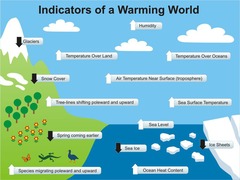
What is the IPCC's role in climate change?
To provide international advice on the latest climate science.
What does the UNFCCC do?
It convenes countries to collaborate on climate change progress, including agreements like the Paris Agreement.
What are some examples of climate change risks in New Zealand?
Risks to the natural environment, built environment, public health, and the economy.
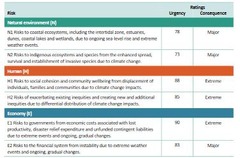
What is the importance of the National Climate Change Risk Assessment?
It identifies and prioritizes climate change risks for New Zealand.

What is one method to adapt to changing weather patterns in agriculture?
Implementing strategies to manage water supply and stormwater effectively.
What are the characteristics that increase susceptibility to climate change impacts?
Ageing infrastructure, poverty, inequities, and environmental degradation.

What is the significance of the Climate Change Commission in New Zealand?
It assesses climate change risks and provides recommendations for adaptation and mitigation.
What are the expected outcomes of integrating adaptation and mitigation strategies?
Reduced vulnerability to climate impacts and minimized greenhouse gas emissions.
What does the term 'climate change mitigation' refer to?
Efforts to reduce or prevent the emission of greenhouse gases.
What is one challenge posed by climate change to public health?
The spread of insect-borne diseases to new regions due to global warming.
How can communities prepare for extreme weather events?
By developing early warning systems and improving infrastructure resilience.
What is the role of alternative water supply technologies in climate adaptation?
To ensure water availability during droughts and changing climate conditions.