1.1.6 fractures
 Call Kai
 Learn
 Practice Test
 Spaced Repetition
 Match
 Flashcards
 Knowt Play
1/27

There's no tags or description
Looks like no tags are added yet.
28 Terms
transverse fracture
usually caused by bending force

comminuted fracture
usually caused by impact force

spiral fracture
usually caused by twisting force


ulna radius fracture

metatarsal fracture

radius fracture

tibula and femoral fracture
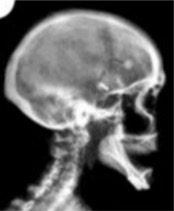
skull fracture

femoral shaft fracture
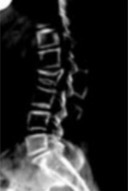
fracture of lumbar spine

supracondylar humerus fracture

dislocated shoulder
phalangeal fracture

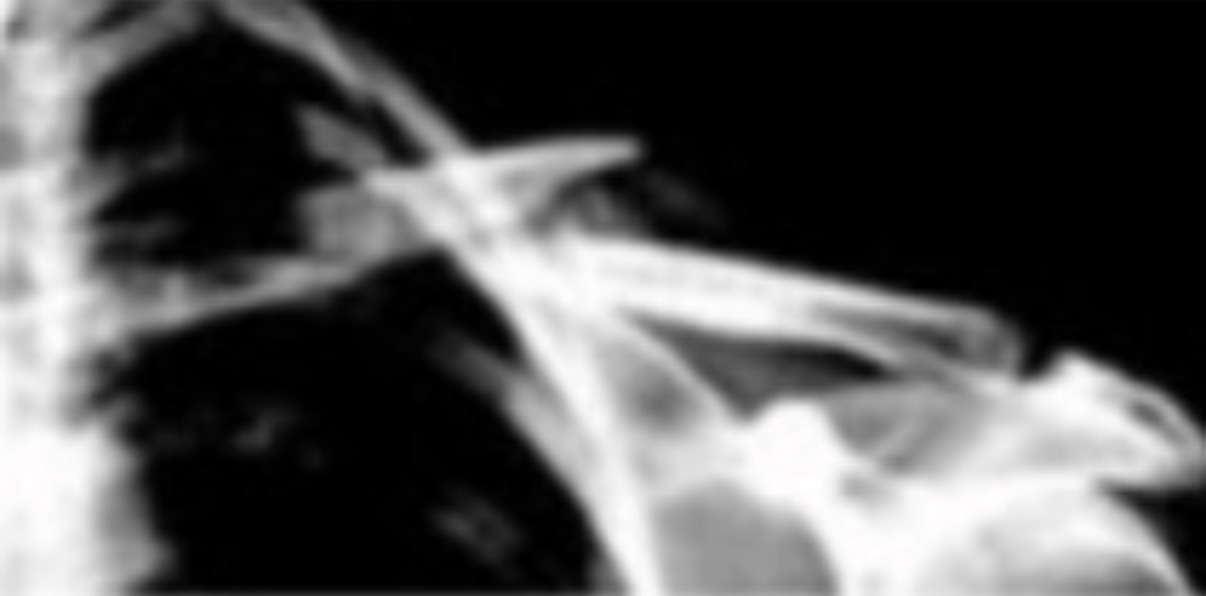
clavicle fracture

hip dislocation
osteoclast function
breaks down old / damaged bone tissue to support bones remodeling and mineral balance
osteoblast function
forms new bones and adds growth to existing bone tossue
fracture healing process phases
hematoma formation > fibrocartilage callus formation > bony callus formation > bone remodeling
hematoma formation
blood vessels that are raptured during break swell to form a mass called a hematoma between the broken bones. this clotting reduces blood supply to many cells in the area of injury and those cells die.
fibrocartilage callus formation
new capillaries begin to form into the clotted blood in the damaged area . connective tissue cells form a mass of repair tissue called a fibrocartilage callus . combined mass closes gap between da broken bones
bony callus formation
fibrocartilage callus is gradually replaced by bony callus (made of spongy bone ) . osteoclasts and osteoblasts move to the area and multiply
bone remodeling
over time, callus ( immature bone built quickly as an emergency patch ) is remodeled into mature bone with the help of osteoclasts and osteoblasts . shape of bone will gradually return to normal
callus
cartilage and fibrous tissue that eventually becomes immature bone . forms around a bone fracture to stabilize the broken ends during healing
casting
non invasive, used often with children, with small / hairline fractures, or in challenging anatomical locations
external fixation
involves some surgery, used in emergency situations . drilling metal pins through the skin into the bone on all sides of fracture , pins are then connected to a rod / rods outside body . temporary . increased changed of infection due to open wounds caused by pins in skin

internal fixation
most stable, preferred on most adult patients
fracture plating ( internal fixation )
place metal plate against fractured bone and secure plate in place with screws . can be performed in almost any fracture locations and type, best in comminuted

intramedullary nailing ( internal fixation )
remove bone marrow to place long nail with horizontal holes down canal, then nail is secured by screws that pass thru bone and nail, preferred for long bone fractures, smaller incision mean less chance of infection
