IMAGE DISPLAY- WW, WL,
 Call Kai
 Learn
Learn Practice Test
 Spaced Repetition
 Match
Match Flashcards
 Knowt Play
1/46

There's no tags or description
Looks like no tags are added yet.
Name | Mastery | Learn | Test | Matching | Spaced | Call with Kai | Chat |
|---|
No analytics yet
Send a link to your students to track their progress
47 Terms
lower numbers assigned
black
higher numbers assigned
white
windowing
Method of manipulating CT numbers to fit the desired contrast
window width (ww) controls the
contrast
window level (wl) controls the
brightness
the range (quantity) of the CT numbers in the image that will be displayed
window width
udetermines the maximum number of shades of gray to be displayed on the CT monitor
window width
the midpoint or center of the range of CT numbers
window level
A large window width =
long grayscale
what is the maximum range of gray levels
-1000 to +1000
transition zone
ubetween the lower CT numbers as BLACK and the higher CT numbers as WHITE will be large
narrow WW =
short transition zonezone from BLACK to WHITE

what does this image tell us
wide window width
The upper gray level value
WL + (WW/2)
The lower gray level value
WL – (WW/2)
Body scans are viewed at a window level of
0-+50 HU
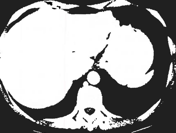
what needs to be changed? why
WW, because there is not enough gray shades

is this a good body scan? why
yes, multiple shades of gray and can differentiate from different tissue

what kind of windowing is this
lung window
Lung window level of
►-500 to -750 HU
the lung parenchyma can be viewed in
low WL and a wide WW
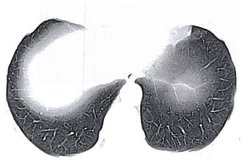
WL AND WW? #
WL -600, WW 1500

what is the difference? and which is more disreable?
A has a wide WW and B has a narrow WW
Body scans are displayed at a WW of
350 HU to 600
what is the con when having a wider WW
lose a bit of image contrast
we want a x window width for the brain and liver
narrow
what is the window level for the brain
30 HU - 40 HU
why do we want that kind of WW for the brain
grey and white matter have very similar densities
WW of the brain
100 HU to 250 HU
To demonstrate the bony structures and trabeculae structures, we need a x WL and a x WW to get that low contrast image
higher / wide
mediastinal window width
+150 to -250 HU
why do we want that kind of WW for the liver
hepatic nodules are similar densities of the lung tissue

what changed? what is the WW?
WW level changed to 100-250 HU
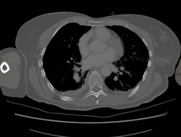
bone window
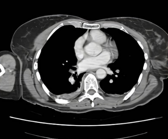
soft tissue window
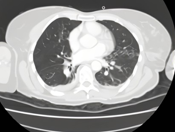
lung window

describe WW
narrow

describe WW
medium

describe WW
wide

what changed
narrowing WW
As the WL moves toward the higher CT numbers (white), more CT numbers with
lower values (black) are displayed
WL decreases, brightness x
increases
WL increases, brightness x
decreases

what is being changed here
WL
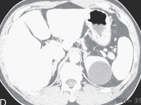
this has a x WL
lowS

this has a x WL
high