DH127 Exam 1 Study Guide: Key Terms and Definitions in Medicine
 Call Kai
 Learn
 Practice Test
 Spaced Repetition
 Match
 Flashcards
 Knowt Play
1/222

There's no tags or description
Looks like no tags are added yet.
223 Terms
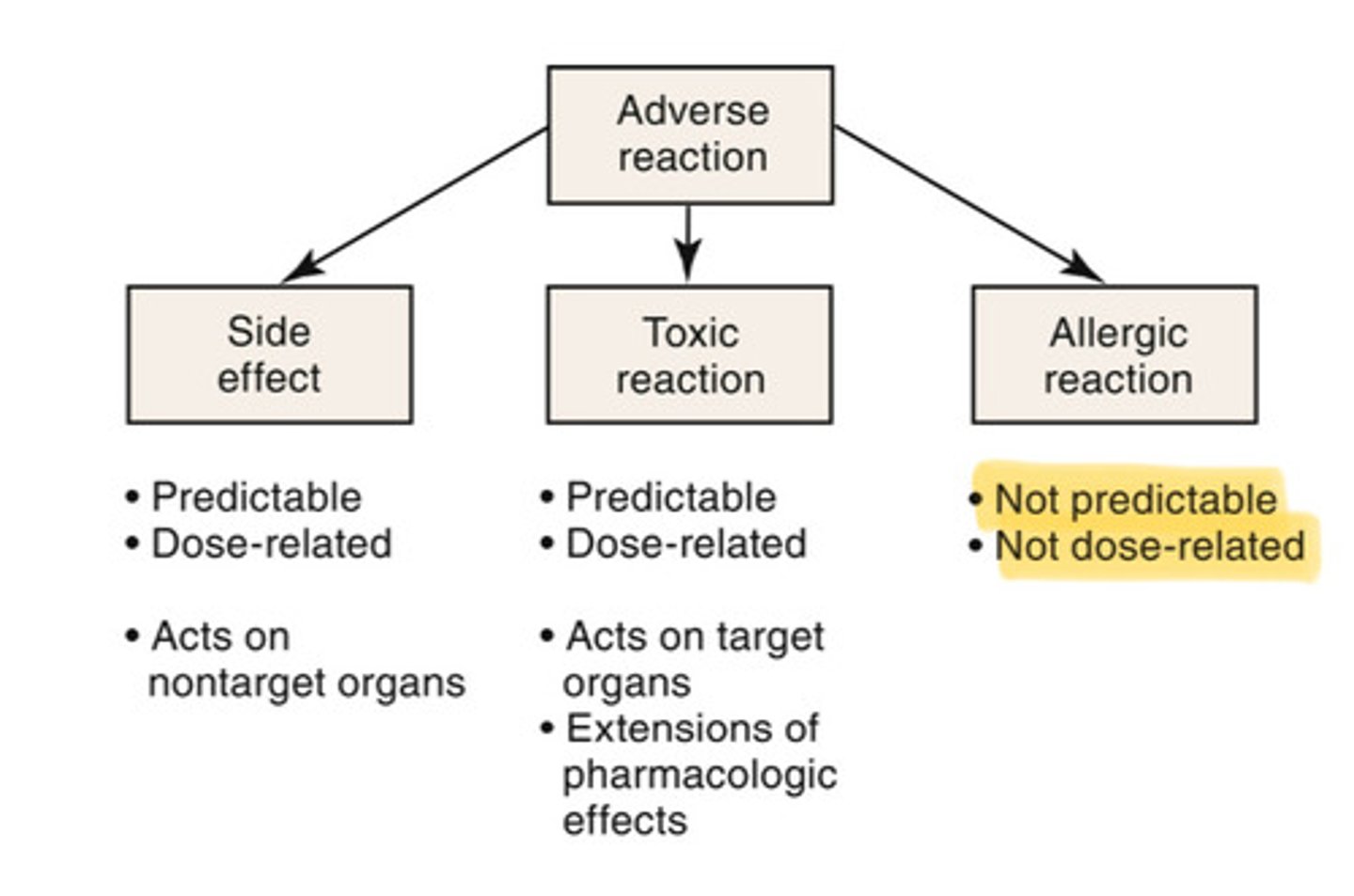
Allergic reaction
not predictable, not dose-related
Generic vs. trade name
Generic name is always lowercase, trade name is always capitalized. EX: Ibuprofen is the generic name and Motrin is the trad name, acetaminophen is the generic name and Tylenol is the trade name.
Pharmacokinetics is the study of...
what the body does to the drug
Pharmacodynamics is the study of...
what the drug does to the body
Drugs can have ___ generic name
1
Drugs can have ___ trade/brand name
more than 1
After ____ years, the patent of the original drug expires
20
Describe when drugs are chemically equivalent
When 2 formulations of a drug meet the chemical & physical standards established by the regulatory agencies
Describe when drugs are biologically equivalent
If 2 formulations produces similar concentrations of the drug in the blood & tissues
Describe when drugs are therapeutically equivalent
If 2 formulations prove to have equal therapeutic effects in a clinical trial
The FDA grants approval for...
marketing of a drug in the US when it is determined safe & effective
FDA regulates...
labeling and advertising of prescription drugs
FTC (federal trade commission) regulates...
trade practices associated with drug marketing
FTC prohibits...
false advertising of food, nonprescription drugs, & cosmetics
DEA (drug enforcement administration) is the chief federal agency responsible for...
the scheduling of drugs that have potential for abuse, including opioids, stimulants, & sedatives
Drug development can take ____ years
10-15
Clinical testing of investigational new drug (IND) steps
Four phases
What are the phases of clinical testing?
Phase I
Phase II
Phase III
Phase IV
What occurs during phase I of clinical testing?
Phase I:
small & then increasing doses are administered to a limited number of health human volunteers, primarily to determine safety
What occurs during phase II of clinical testing?
Phase II:
Larger groups of humans are given the drug & any adverse reactions are reported to the FDA
What occurs during phase III of clinical testing?
Phase III:
More clinical evaluation takes place involving a large number of patients who have the condition for which the drug is indicated
What occurs during phase IV of clinical testing?
Phase IV:
This phase involves post-marketing surveillance
The toxicity of a drug that occurs in patients after it is released is recorded
What can happen during phase IV is a drug shows toxicity?
it can be removed from the market
What phase is dosage determined?
Phase III
What is the main purpose of Phase II?
to test effectiveness
What does Phase I determine?
determines the biologic effects, metabolism, & safe dose range in humans, & the toxic effects
Schedule drugs are also known as...
controlled substances
Schedule I drugs
- High Potential for abuse
- No prescriptions may be written for drugs
Schedule II drugs
A type of drug with medicinal uses that is highly addictive and only available with a written prescription
Schedule III drugs
- has potential for abuse, but to a lesser degree than schedules I + II
- may not be dispensed without a prescription
- may not be dispensed six months after prescription written
- may not be refilled more than 5 times
- may be prescribed orally or over phone
Schedule IV drugs
- low potential for abuse
- can be refilled up to five times after 6 months written or orally
- can be telephoned in
Schedule V drugs
- These drugs have less potential for abuse
- can be bought OTC in some states
Give an example of a drug with a black box warning
Acetaminophen - potential for severe liver damage & allergic reactions
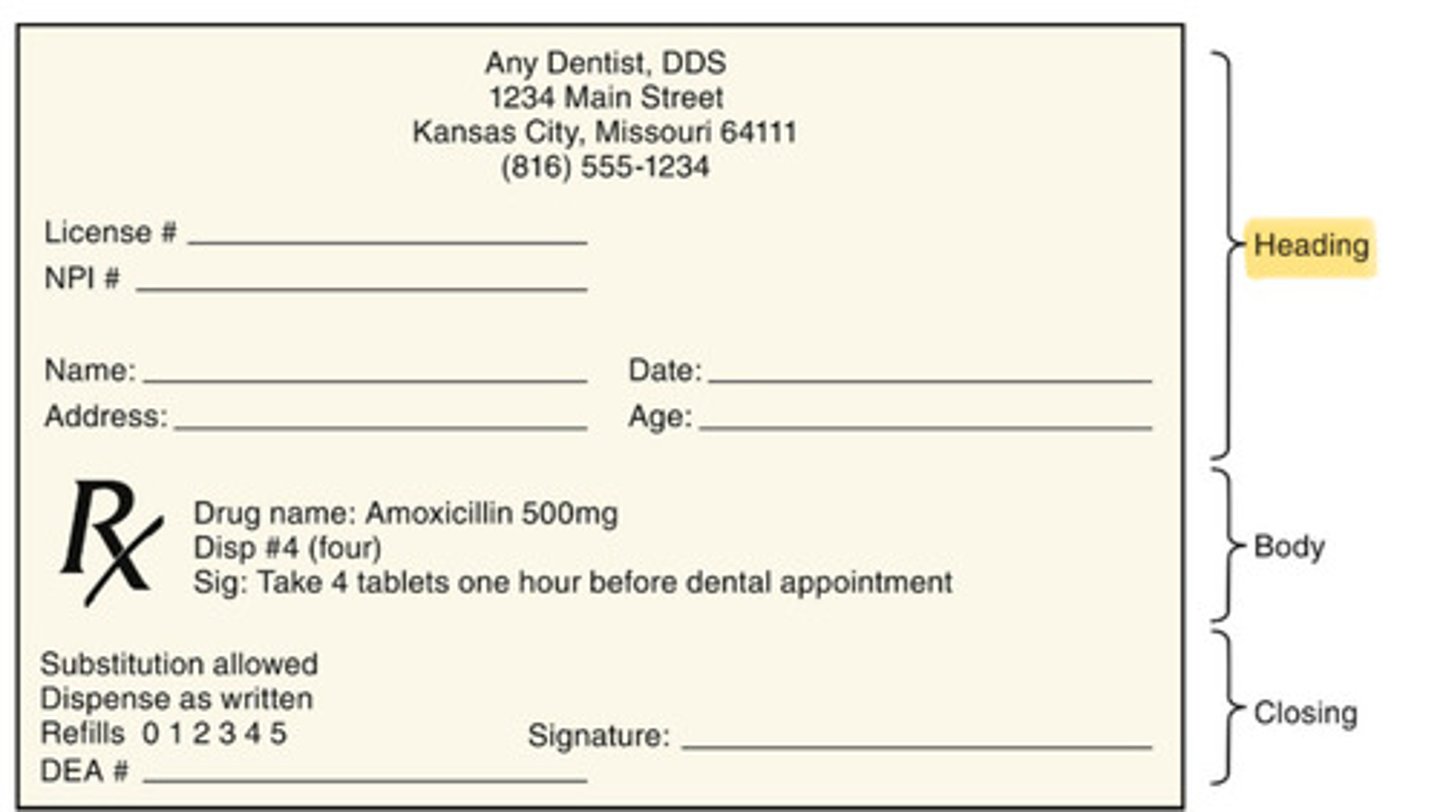
The heading of a prescription includes:
- Name, address, & telephone number of the prescriber
- Patient's name, address, telephone, & age
- Date of prescription
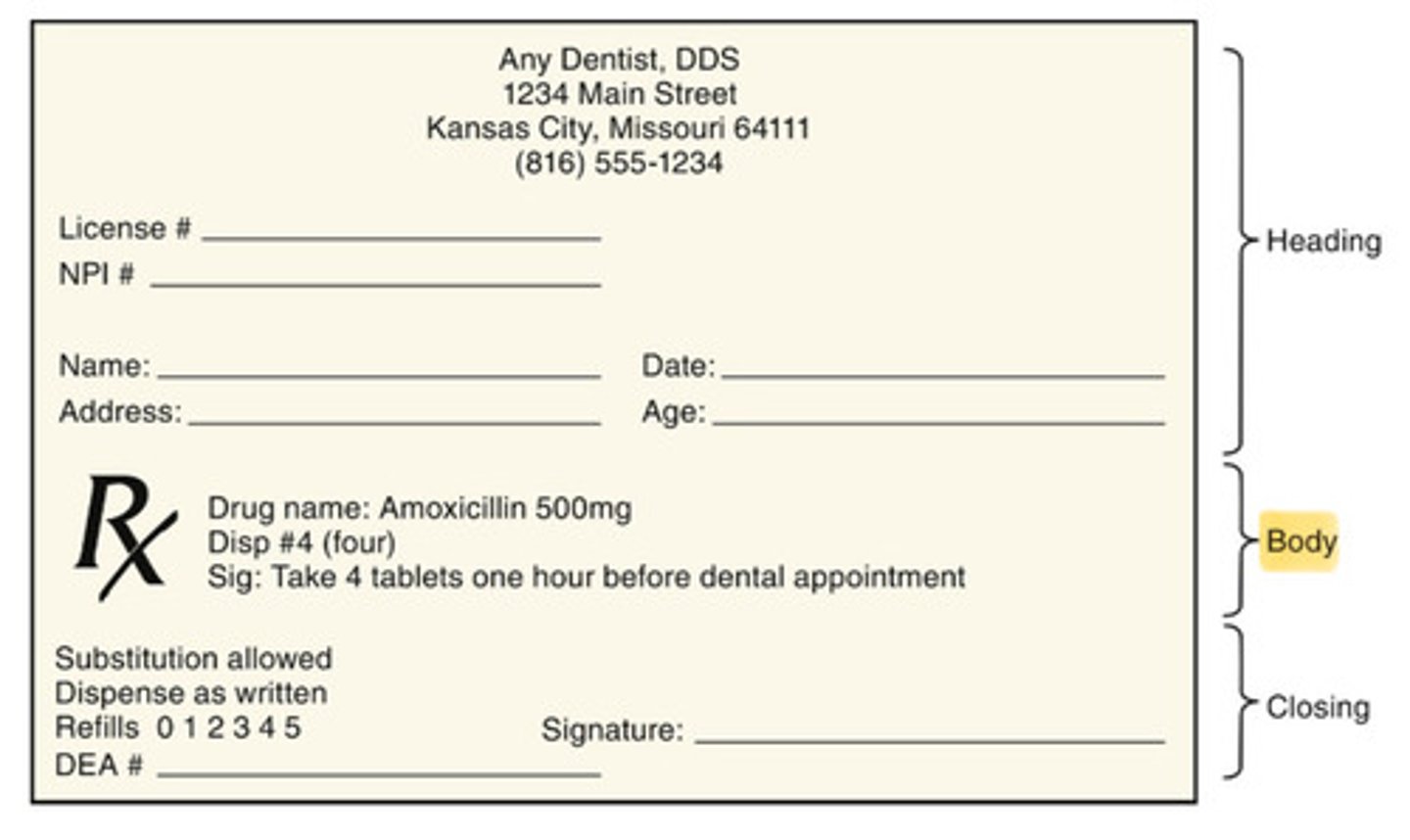
The body of a prescription includes:
- Symbol Rx
- Name & dosage, size, or concentration (liquids) of the drug
- Amount to be dispensed
- Directions to the patient of drug, dose, form, & amount
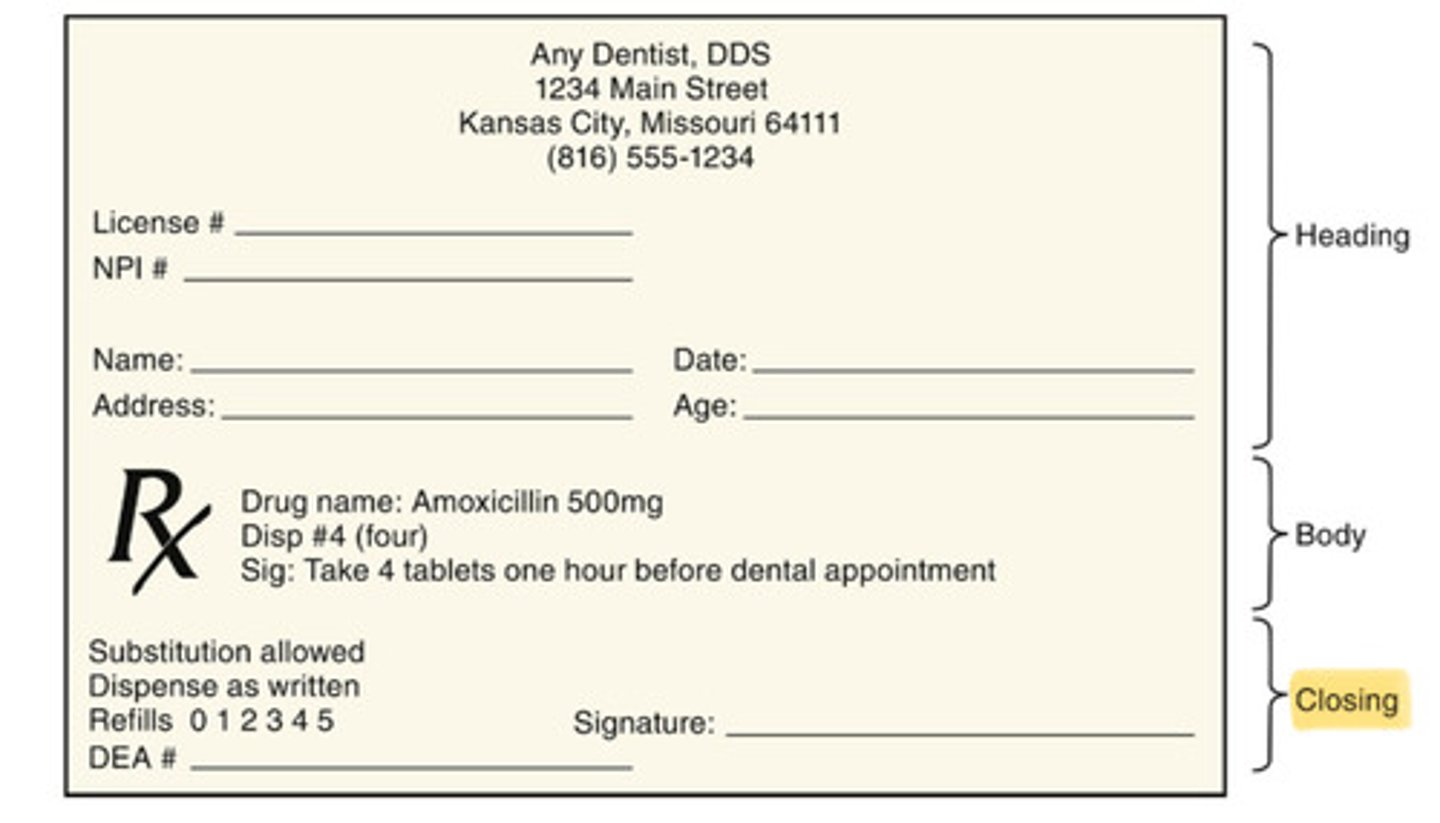
The closing of a prescription includes:
- Prescribers signature
- DEA (drug enforcement number) if required
- Refill instructions
disp.
dispense
ac
before meals
bid
twice a day
Sig
means "write" — directions to the patient
h
hour
hs
at bedtime
PO
by mouth
prn
as needed
q
every
qid
four times a day
stat
immediately
tid
three times a day
Dose-Effect Curve
Determines the potency & efficacy of a drug's action
For the Dose-Effect curve, the x-axis (horizontal) is an...
increasing dose of the drug
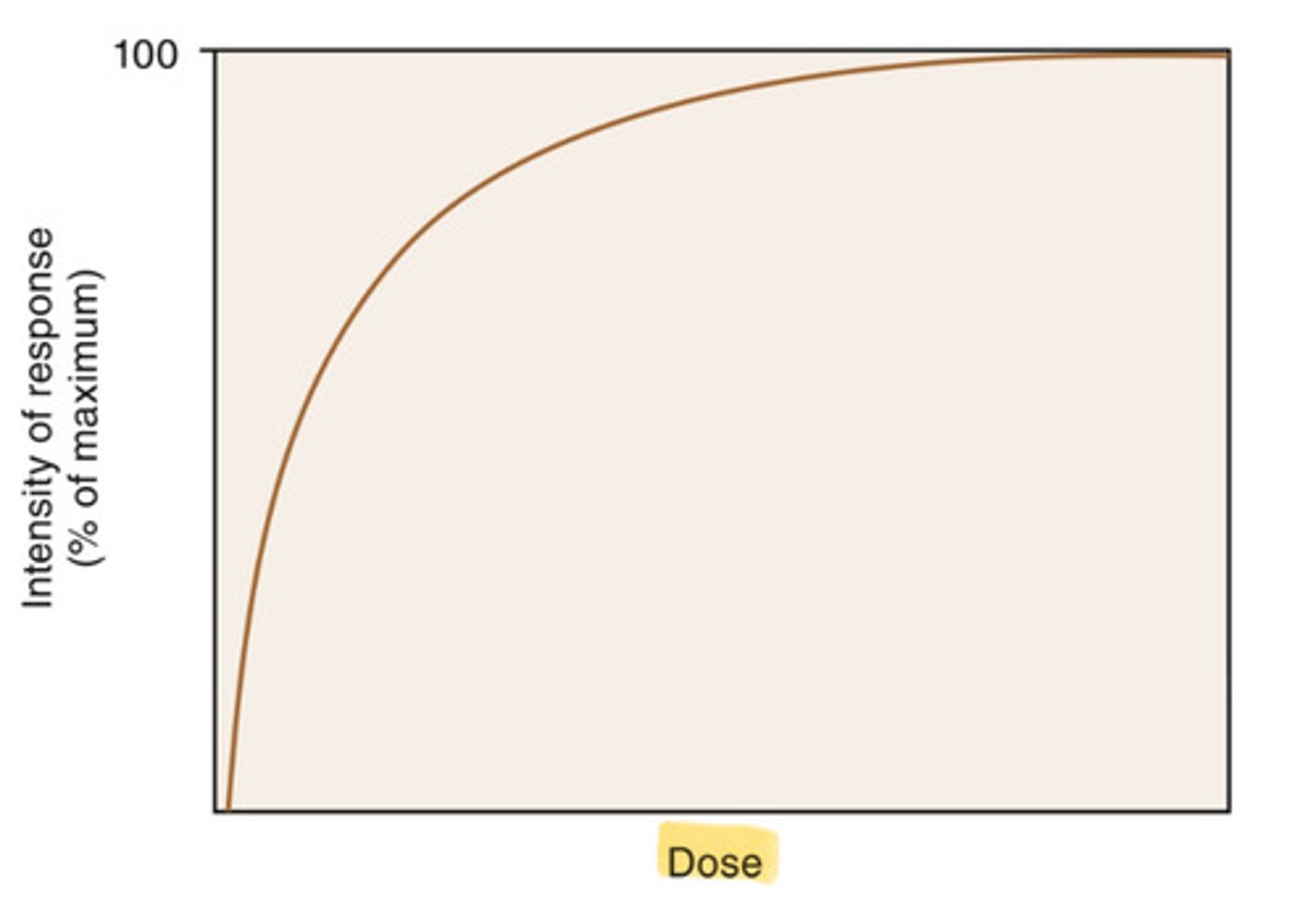
For the Dose-Effect curve, the y-axis (vertical) is an..
increasing effect of the drug
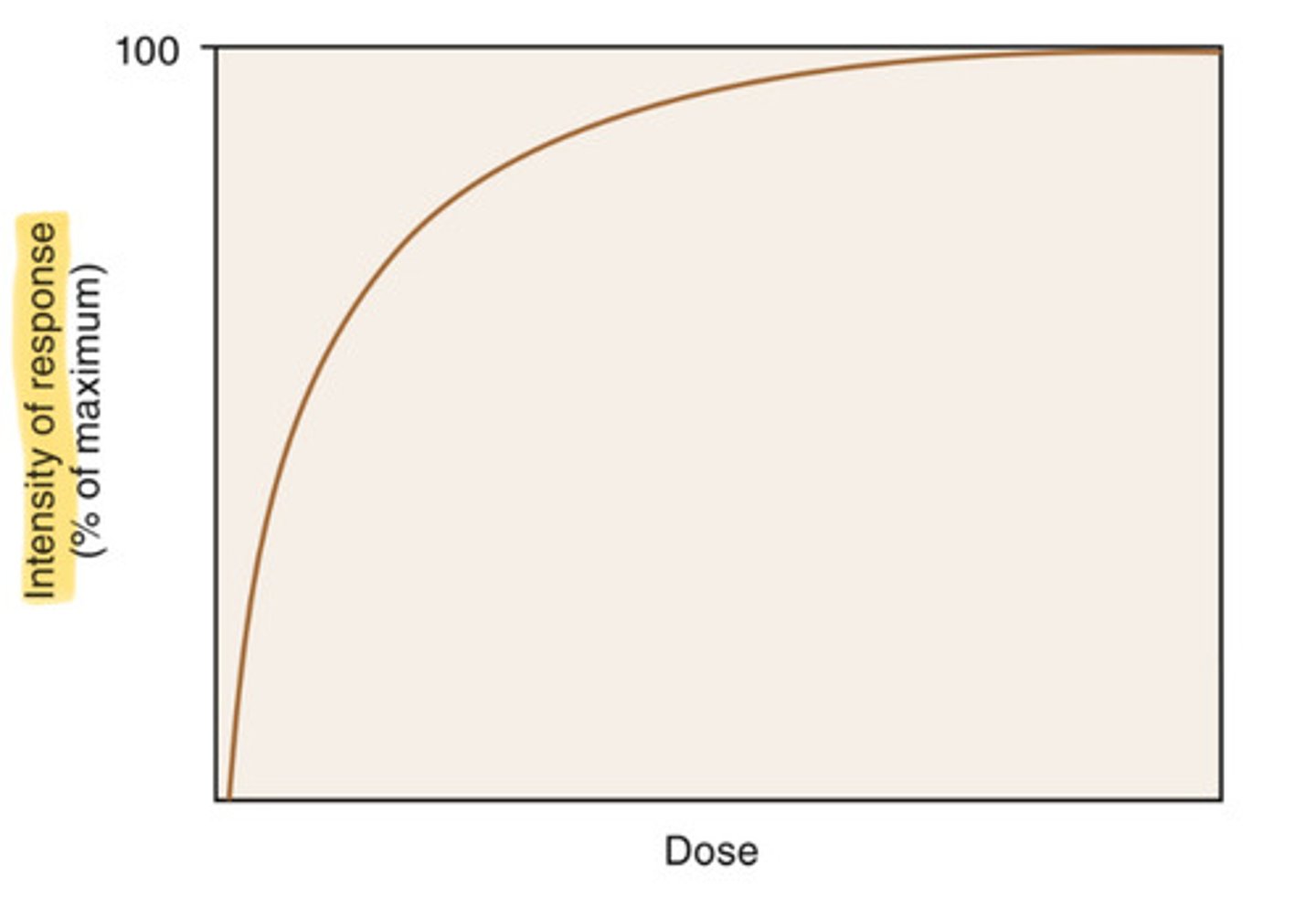
For Dose-Effect curve, as the __________ is increased, the __________ increases
dose, effect
Log Dose-Effect Curve
A line graph of percent effect dose against percent minimum response
For Log Dose-Effect curve graph, as the dose is increased, the effect is ______ at first, then there is a small effect, & finally the effect quickly ___________
zero, increases
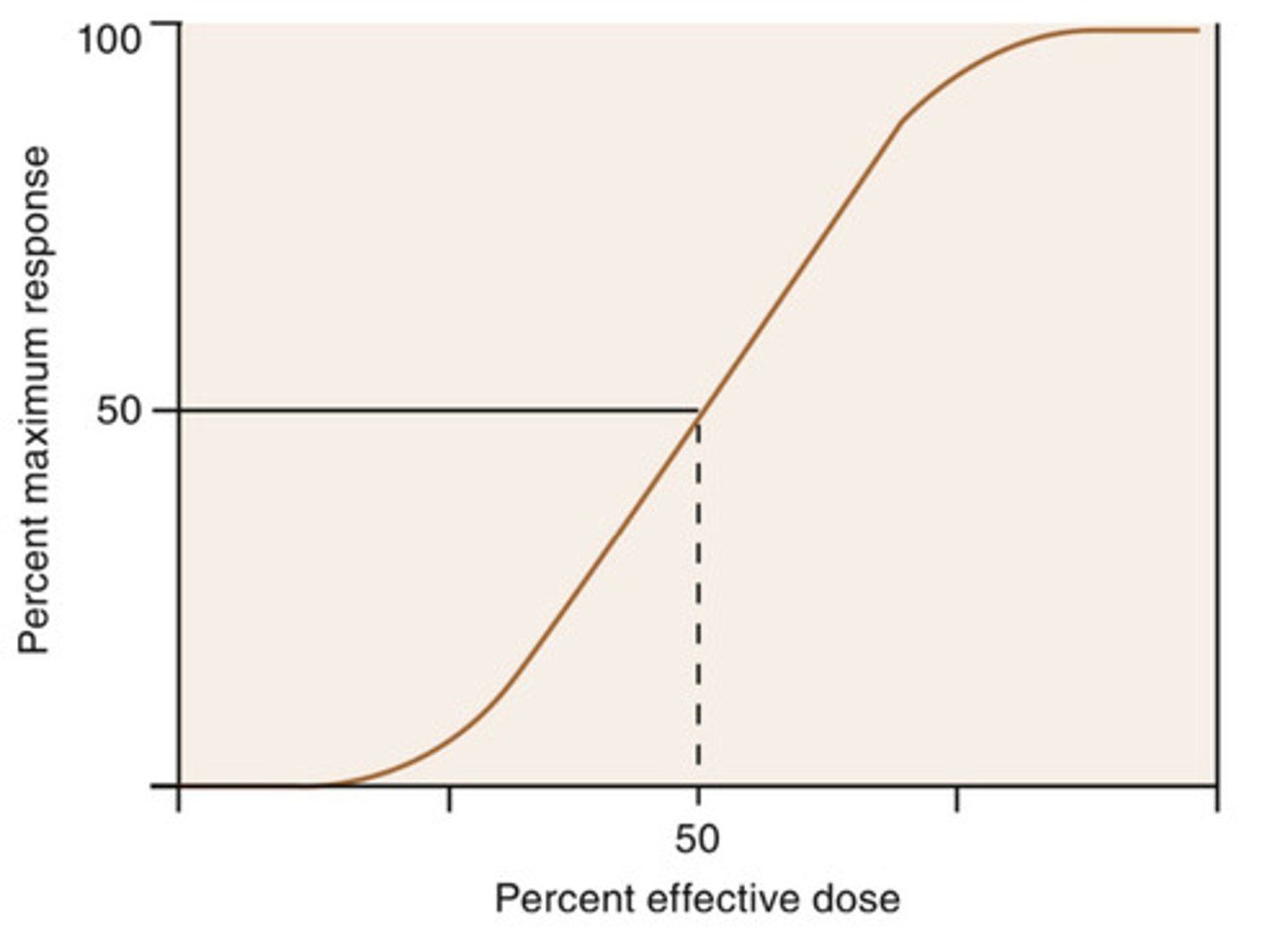
For Log Dose-Effect curve, once maximum response is reached, further increase in dose will...
NOT produce increase in drug response — may lead to toxic or adverse reactions
The potency of a drug is...
the amount of drug required to produce an effect
The more potent drug, the _____________ the dose to achieve effect
smaller
Efficacy is the maximum effect or response produced by a drug...
regardless of dose
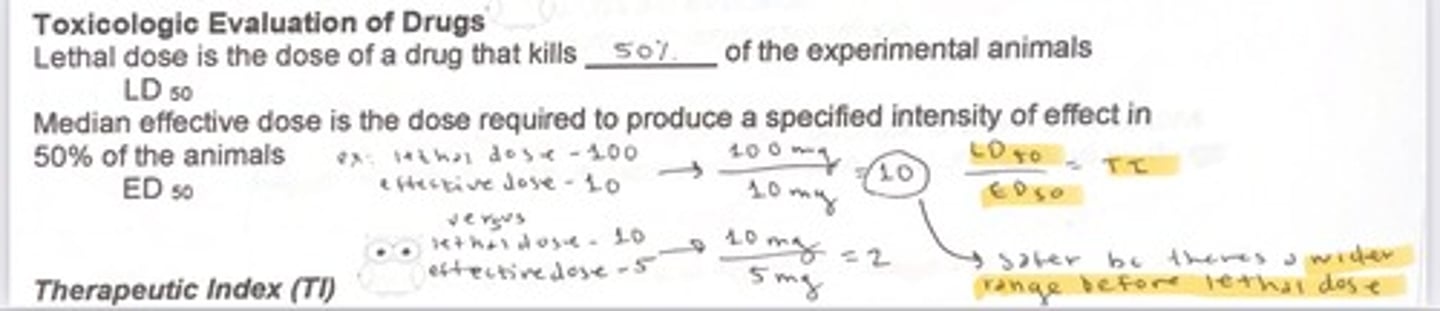
What is therapeutic index (TI)?
Ratio of lethal dose (LD50) to effective dose (ED50)
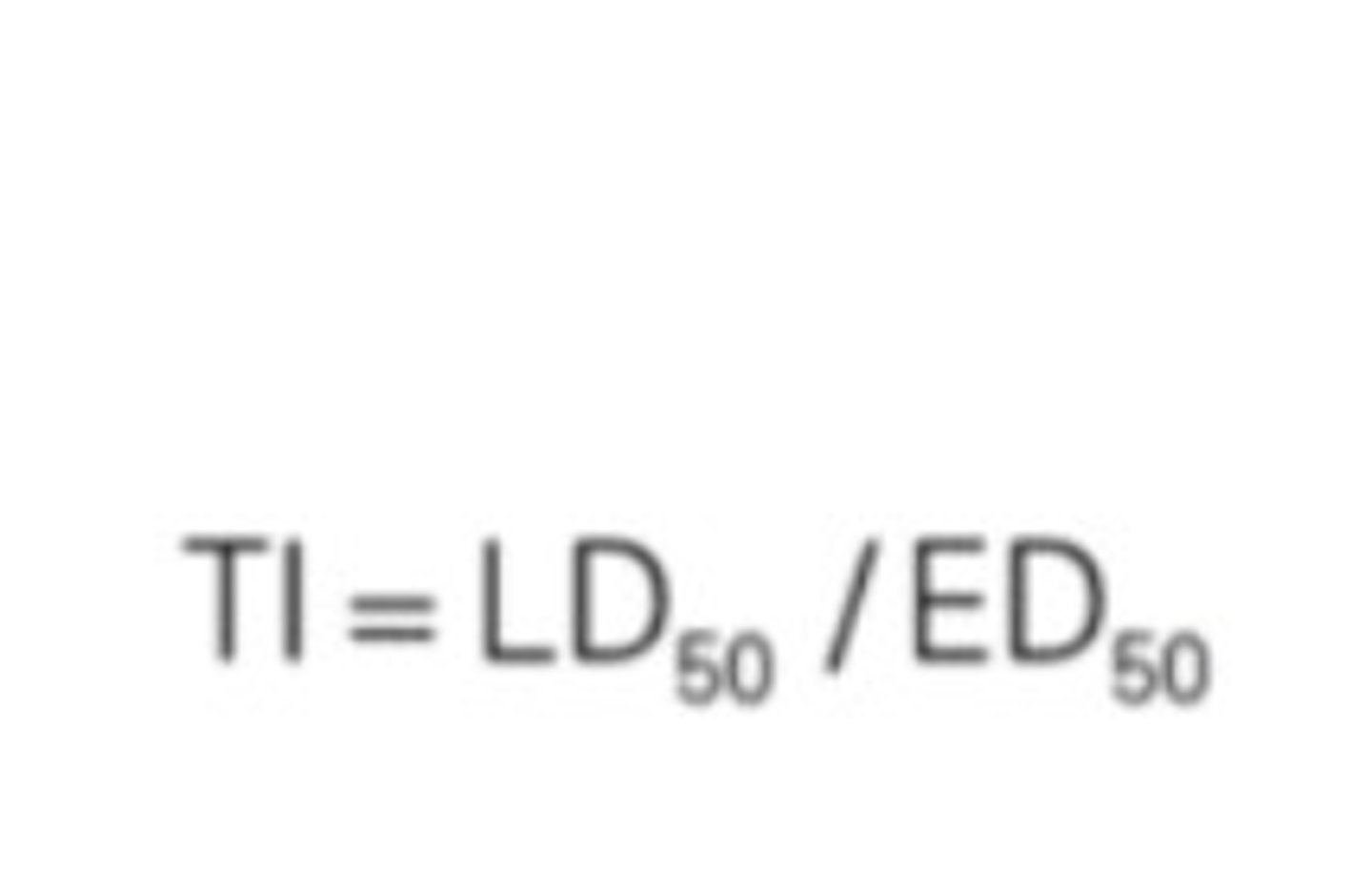
The greater the TI the _________ the drug
safer
Examples of drugs with high TI:
- NSAIDs, aspirin, beta-blockers
Examples of drugs with low TI:
warfarin
lithium
digoxin
phenytoin
If the value of the TI is small (narrow), then toxicity is ______ likely
more
Drug receptors — Drugs that enhance cell function are called ___________
Adonists
Drug receptors — Drugs that inhibit cell function are called ________________
Antagonists
Types of Antagonists
competitive, noncompetitive, & physiologic
Competitive antagonists are...
drugs that have affinity for a receptor & produces no effect
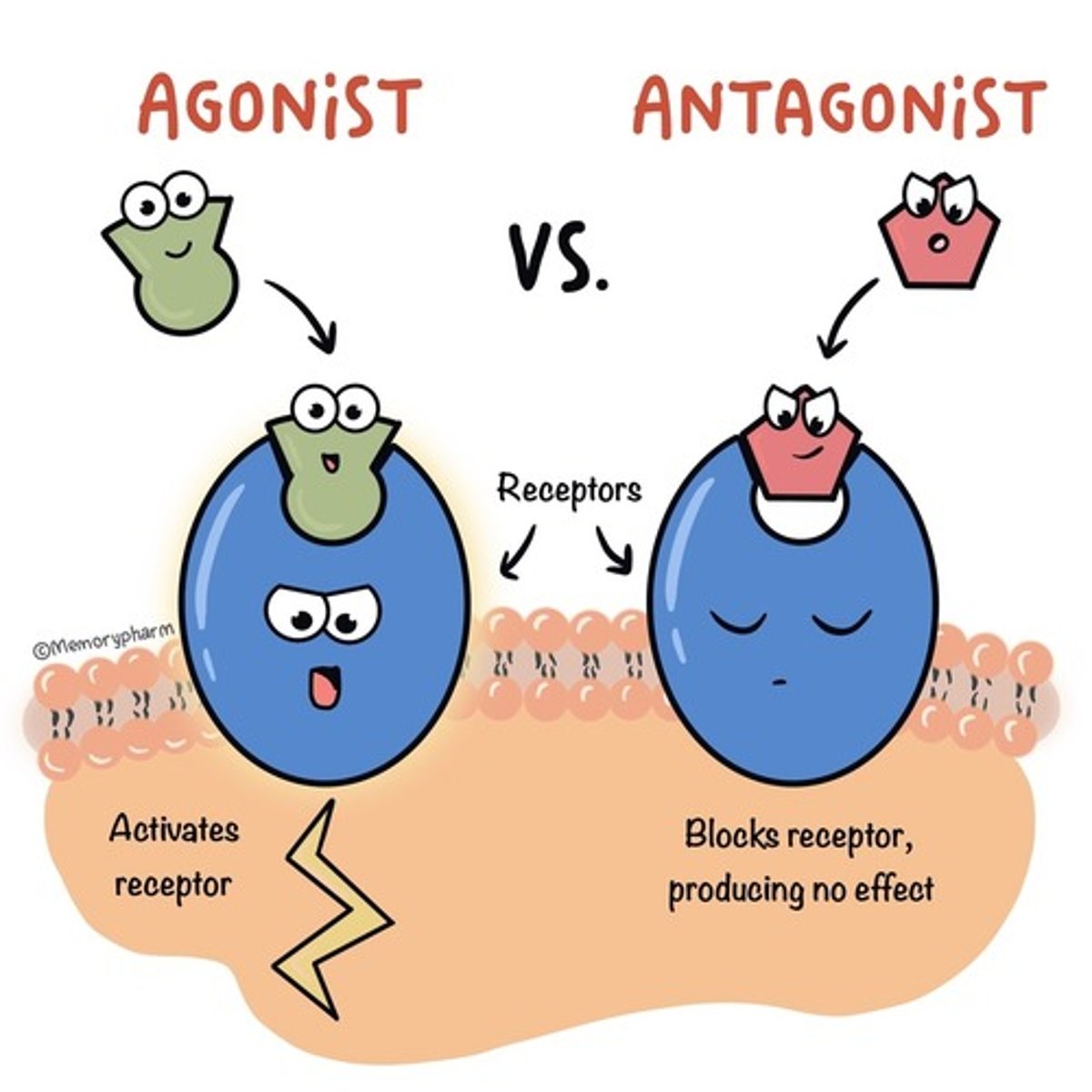
Noncompetitive antagonists are...
drugs that bind to a receptor site that is different from the binding site for the agonist
Physiologic antagonist are...
drugs that have affinity for a different receptor site than the agonist & decrease the maximal response of the agonist by producing an opposite effect via different receptors
Key points to Pharmokinetics (ADME)
Absorption
Distribution
Metabolism
Excretion
Ideal drugs are...
non-ionized and highly lipid-soluble
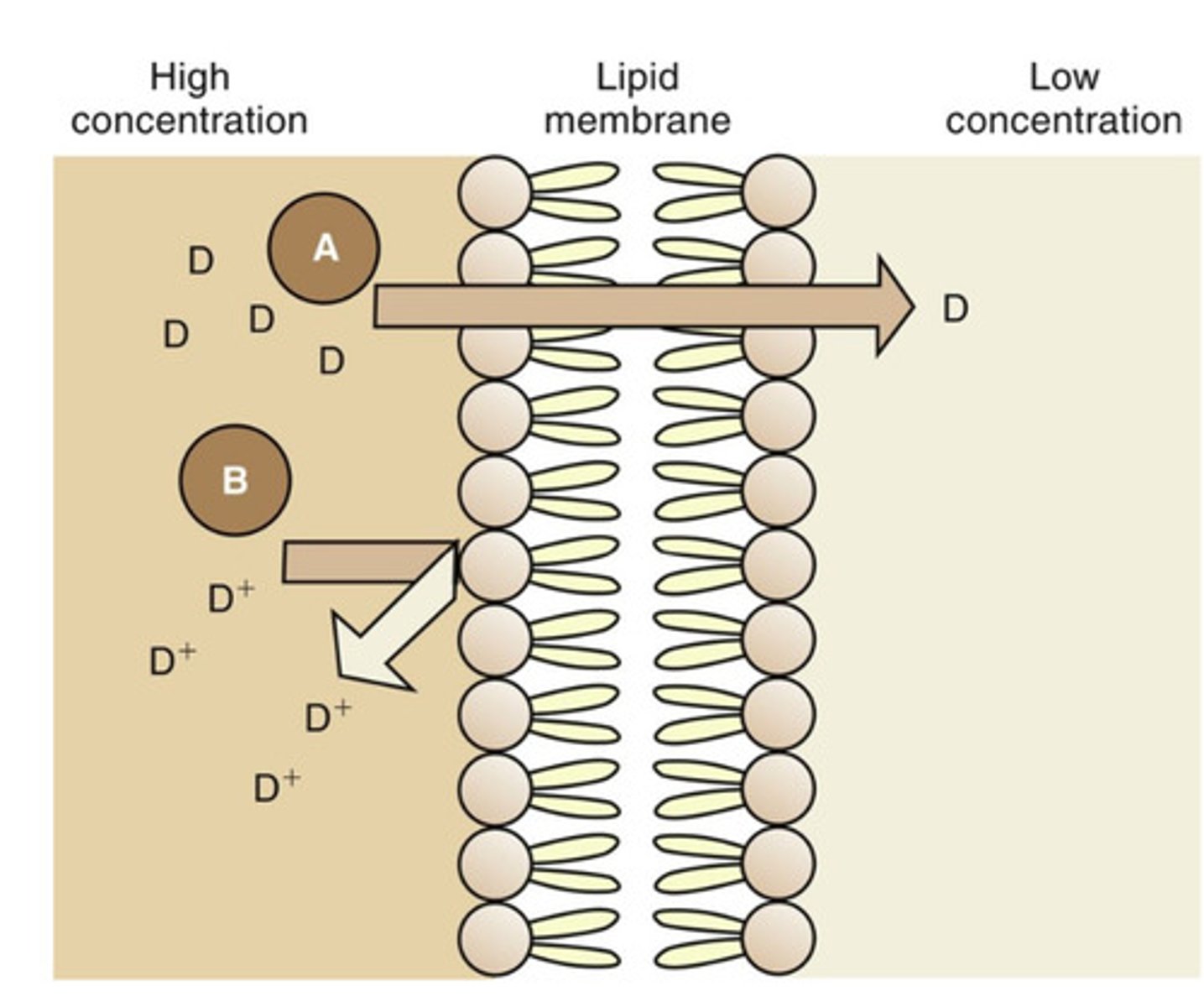
What are the physiochemical properties of drugs that influence the passage of drugs across biologic membranes?
Lipid Solubility
Degree of Ionization
Molecular size and shape
Describe each aspect of ADME
Absorption: process by which drug molecules are transferred from the site of administration to the circulating blood; requires drug to pass through membranes
Distribution: the passage of drugs into target organs, non-target organs, plasma, interstitial fluid, brain, placenta, etc.
Metabolism: the body’s way of changing a drug so it can be more easily excreted by the kidneys
Excretion: the route of excretion
What are the different aspects of the metabolism stage of ADME?
drugs break down in different ways:
- Active to inactive
- Inactive to active
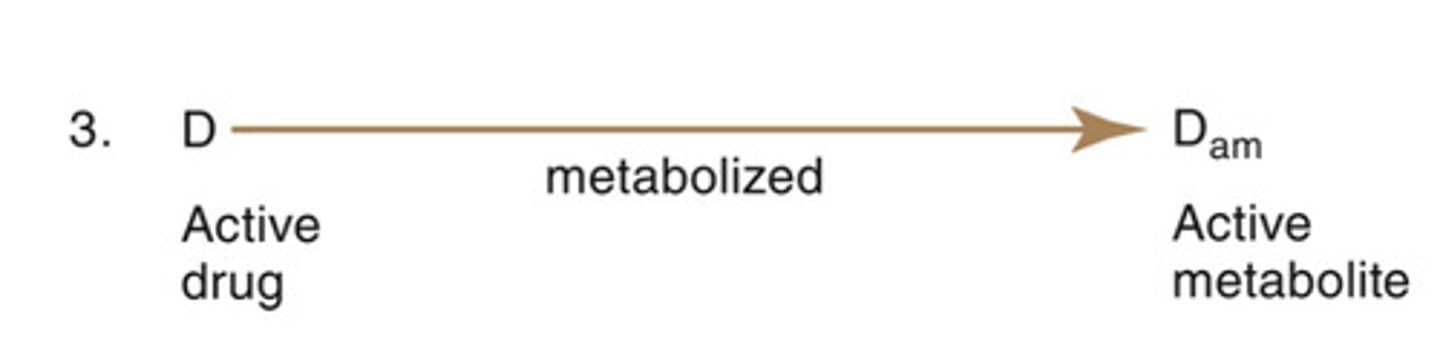
- Active to active
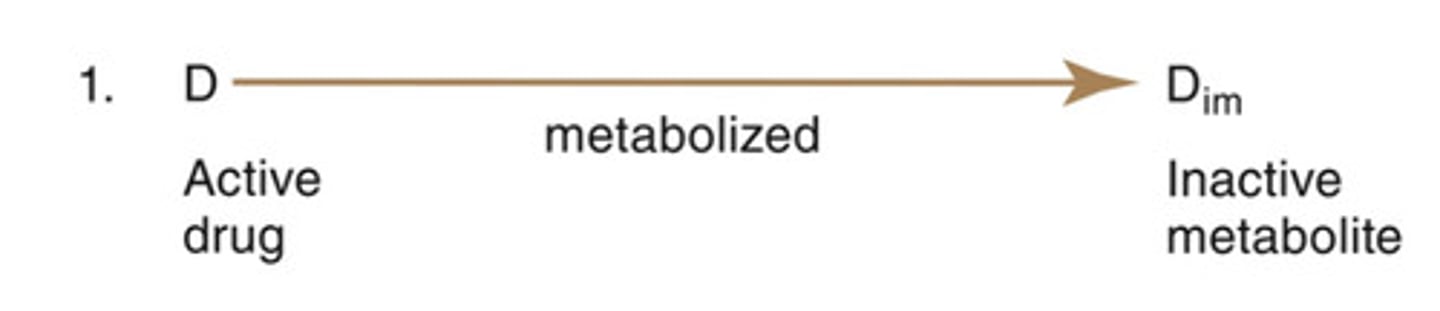
Describe Active to Inactive of drug metabolism
most common type of reaction in drug biotransformation
active compound is converted to an inactive compound
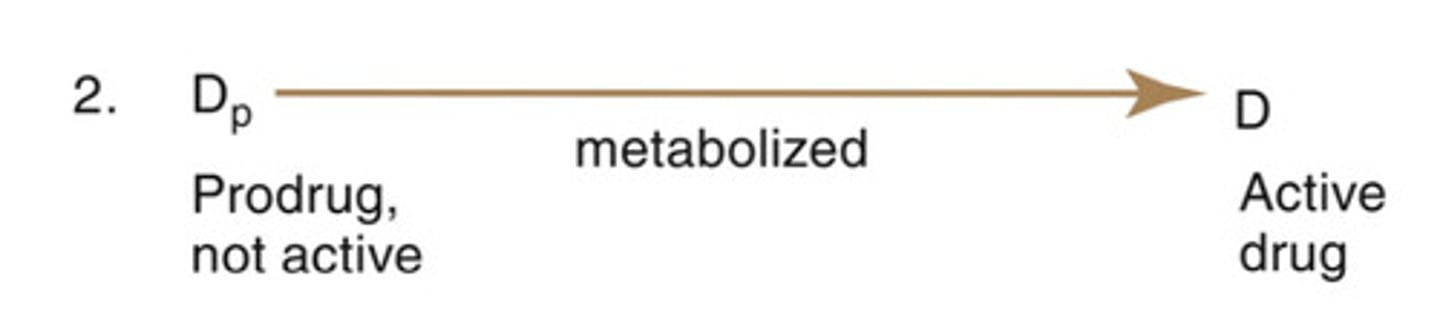
Describe Inactive to Active of drug metabolism
Inactive compound is transformed into an active compound
Describe Active to Active of drug metabolism
active compound is converted into a second active compound & is then converted into an inactive compound
Describe the First-pass effect
when the concentration of the drug is greatly reduced before it reaches systemic circulation. occurs in liver
Describe the half-life of a drug (t1/2)
Time it takes for the concentration of the drug in the blood to fall to half (50%) of its original value
It takes about ________ half-lives for a drug to be considered eliminated from the body
4-5
Drugs with a short half-life (2-4 hours) need to be administered ______ frequently
more
Drugs with a long half-life (21-24 hours) need to be administered _______ frequently
less
Factors that alter drug effects
Size, age, gender, tolerance, pathologic state, time of administration, patient adherence, psychological factors, route of administration, environment
Why would pathologic state alter drug effect?
For instance, if a patient has hyperthyroidism, they will be extremely sensitive to the toxic effects of epinephrine because epinephrine causes release of thyroid hormones & causes vasoconstriction, which could increase heart rate even more of those with hyperthyroidism
Routes of administration are classified as:
enteral or parenteral
Enteral route of administration
oral, sublingual, rectal — placed in GI tract
Parenteral route of administration
-Bypasses the GI tract
-Types include:
> Intravascular (IV)
> Intramuscular (IM)
> Intradermal
> Subcutaneous
> Inhalation
> Sublingual
Toxic reaction
an exaggeration of the known and desired effects of a drug; predictable
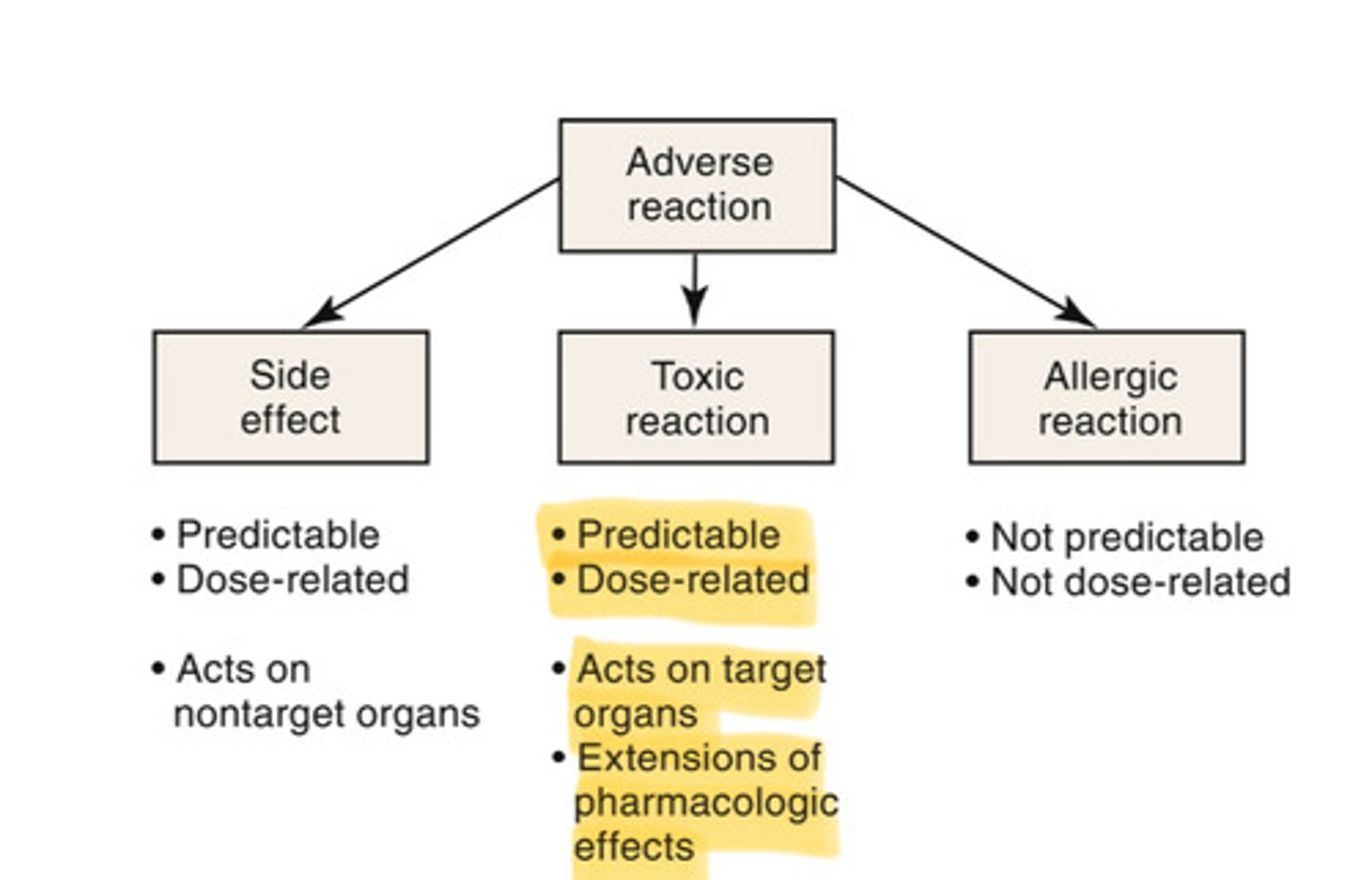
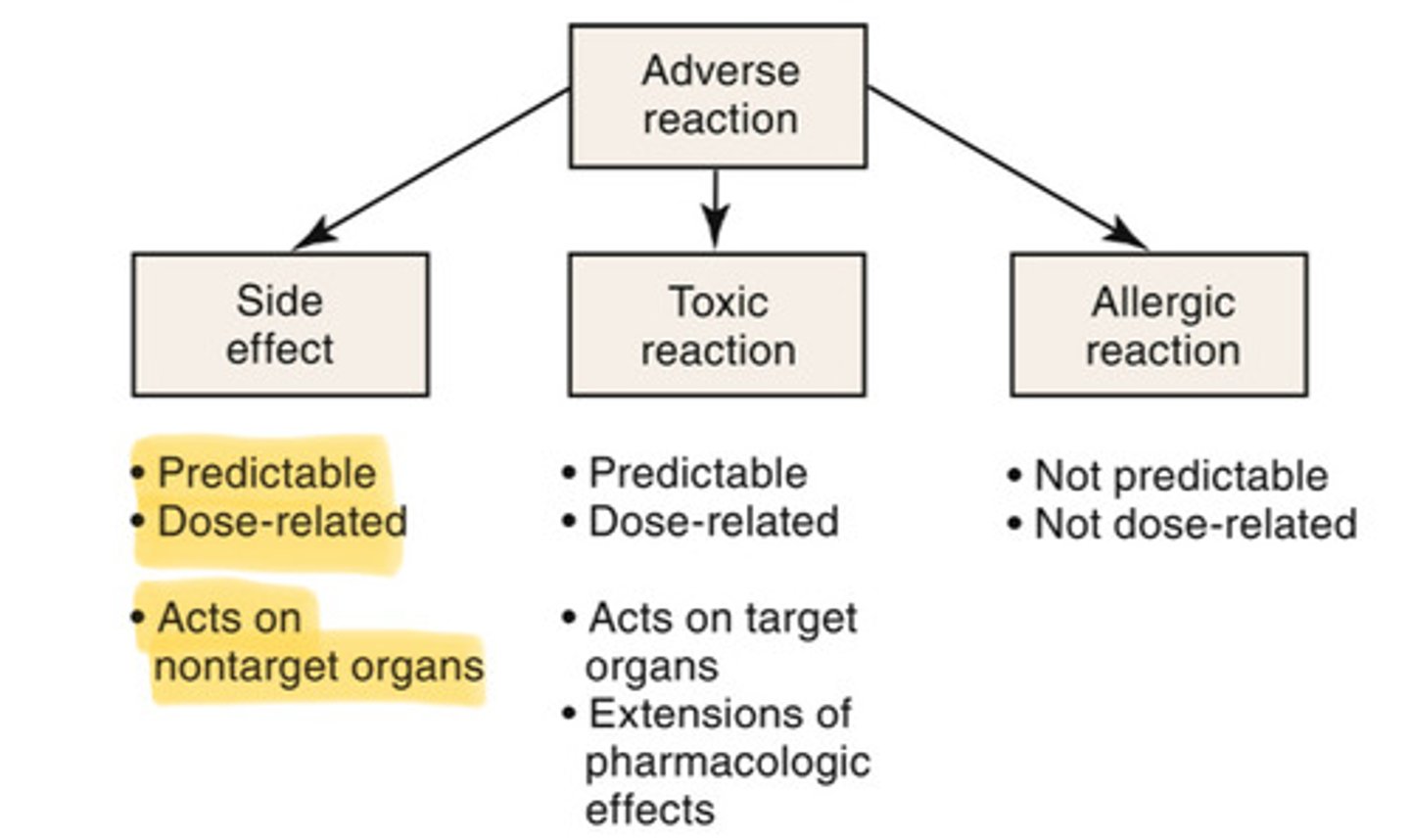
Side effect
Predictable, dose-related, acts on non-target organs
Describe when a drug interferes with natural defense mechanisms
certain drugs, such as adrenocorticosteroids, can reduce the body's ability to fight infection. the drug interferes with the body's defenses causing patient to get infections more easily & have more trouble fighting them
Hypersensitivity reactions
Type I- Anaphylactic (immediate)
Type II- Cytotoxic
Type III- Immune complex
Type IV- Cell Mediated
Angie Cant Imagine Men
Which type of hypersensitivity reactions are most seen in dental?
Type I & IV
Describe the reaction involved in Type I hypersensitivity
IgE antibody induced by allergen and mediators released (i.e. histamine is released)
Describe the reaction involved in Type II hypersensitivity
IgG or IgM antibodies combine with antigens on cell surface & lead to lysis — cytotoxic
Describe the reaction involved in Type III hypersensitivity
antigen-antibody complexes attract PMNs & cause tissue damage; immune complex
Describe the reaction involved in Type IV hypersensitivity
T lymphocytes release lymphokines that induce inflammation and activate macrophage that in turn release various mediators; ex: poison ivy — delayed reaction
Toxicologic evaluation of drugs
Nervous system
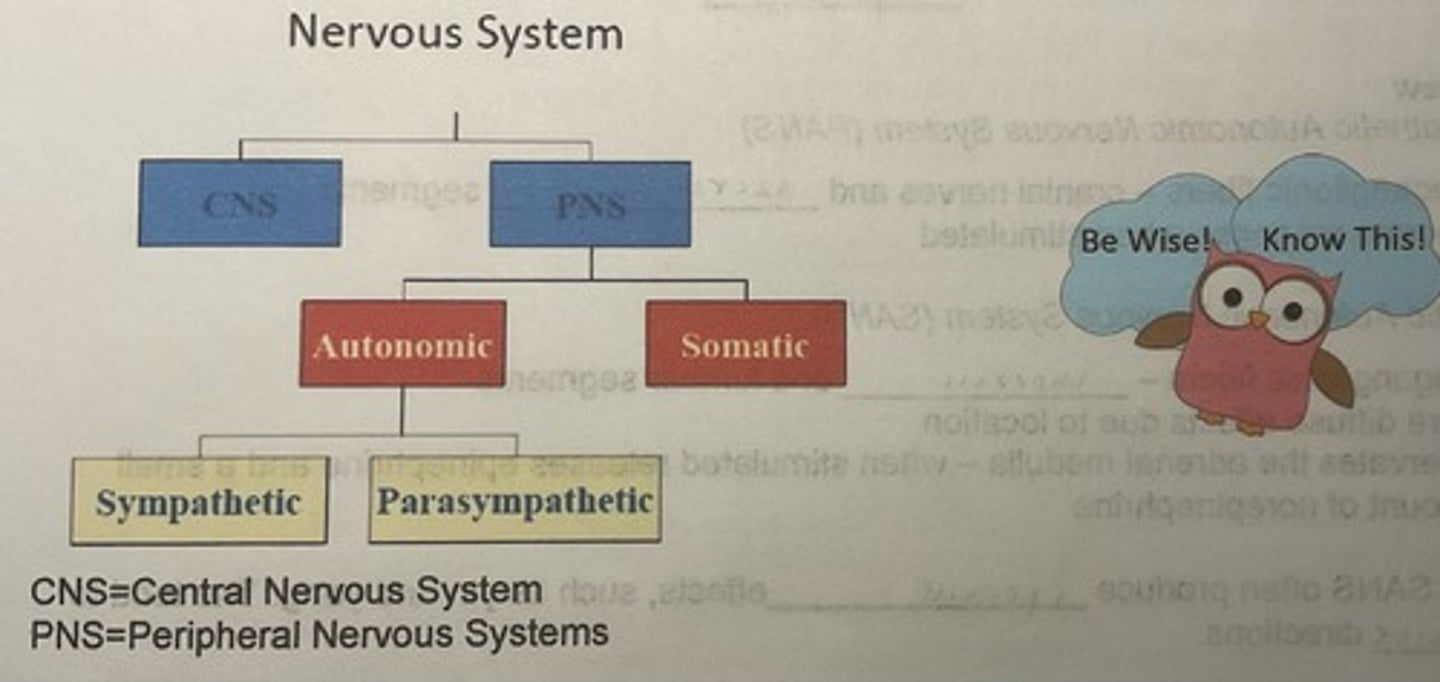
autonomic nervous system (ANS) functions as an automatic modulating system for...
Heart rate
Blood pressure
GI motility
Salivary gland secretions
Bronchial smooth muscle
Afferent fibers
carry sensory signals from receptors to the CNS — "What's happening?"