A&P Lab 11 (P3)
 Call Kai
 Learn
 Practice Test
 Spaced Repetition
 Match
 Flashcards
 Knowt Play
1/30

There's no tags or description
Looks like no tags are added yet.
31 Terms
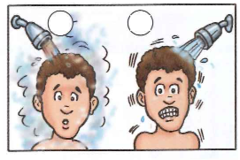
Thermoreceptors
detect temperature change
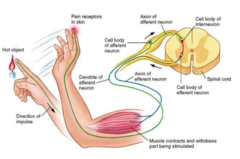
proprioceptors
monitor the position and movement of skeletal muscles and joints

nociceptors
detect potentially damaging stimuli as pain
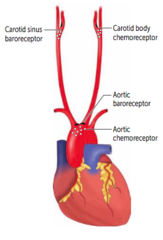
chemoreceptors
detect chemicals
mechanoreceptors
detect mechanical force

photoreceptors
detect light energy

Pacinian corpuscles
deep pressure

Meissner's corpuscles
light pressure

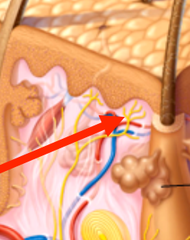
free nerve endings
olfactory epithelium
Function: traps odors
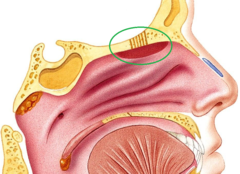
olfactory epithelium (microscope)

Cribriform plate
Function: conveys info from smell receptors to brain

Olfactory nerve fibers
Function: transmit nerve impulses about odors to CNS

Olfactory cilia
Function: perception of smell

Olfactory receptor cell
Function: ciliated bipolar neurons

Supporting cell
N
Function: produce mucus

Circumvallate papillae
Function: contain 100 taste buds each

Gustatory cell
Function: transduction of taste stimuli
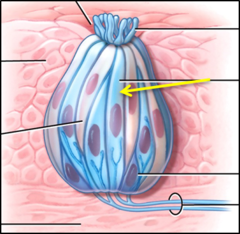
filiform papillae
function: provide friction; do not contain taste buds

taste hairs
function: send messages to brain about taste
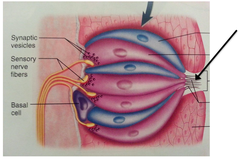
fungiform papillae
function: contain 5 taste buds each

taste pore
function: where food comes into contact with taste receptors

taste buds
function: sensory organs on tongue

sweet
sugars, saccharin, alcohol, some amino acids, some lead salts

salty
sodium chloride (metal ions)

sour
hydrogen ions in solution
bitter
alkaloids such as quinine and nicotine

umami
amino acids glutamate and aspartate

provides fibers to the anterior 2/3 of the tongue
facial cranial nerve- gustation
provides fibers to the posterior 2/3 of the tongue
glossopharyngeal cranial nerve- gustation
provides fibers to the epiglottis region
vagus cranial nerve