THAD H101: Quiz 3
 Call Kai
 Learn
 Practice Test
 Spaced Repetition
 Match
 Flashcards
 Knowt Play
1/25

There's no tags or description
Looks like no tags are added yet.
26 Terms

The Grammar of Ornament, 19th century England
Illustrated design book produced using chromolithography
Features patterns and designs from various cultures
Exemplifies cultural globalization and technical innovation
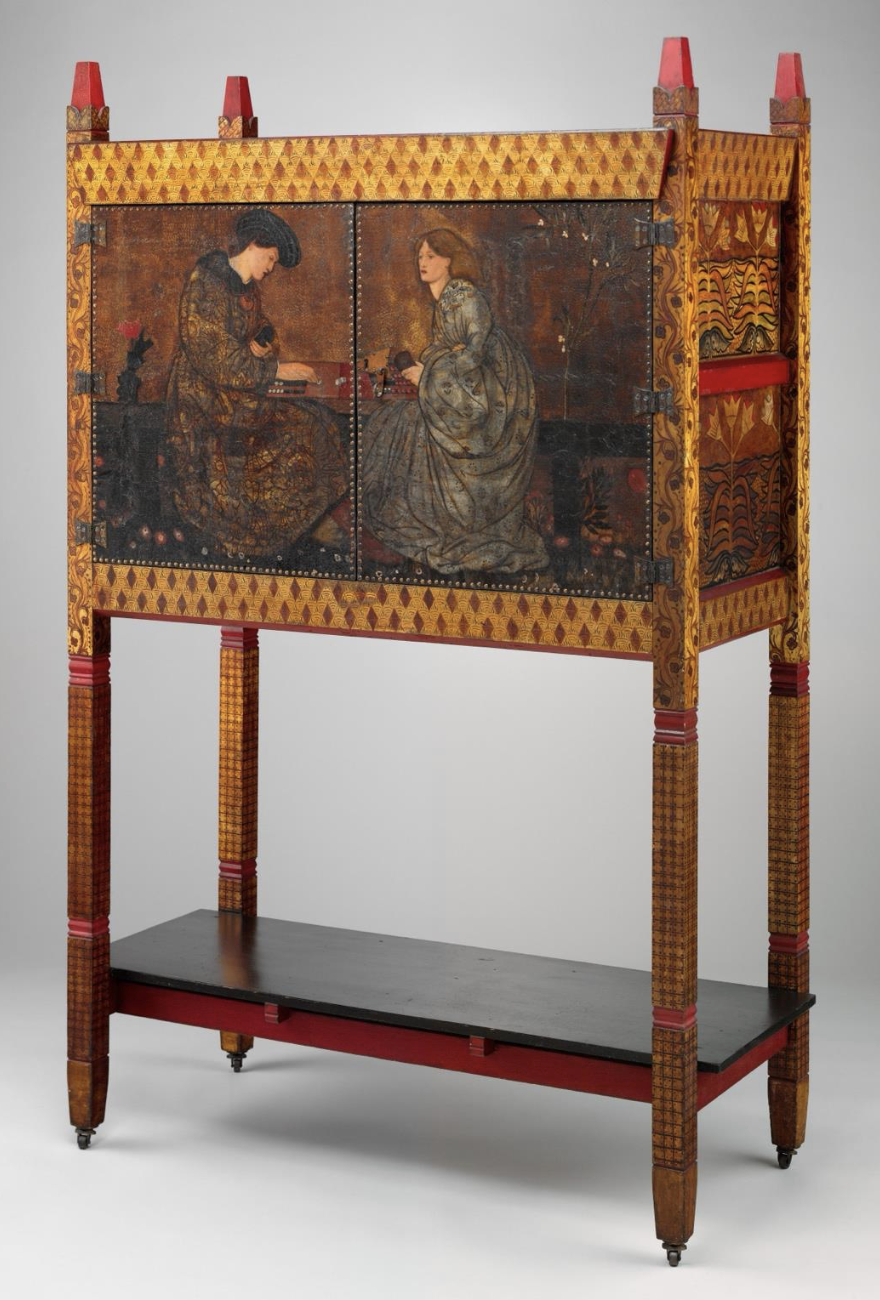
Pine Cabinet, 19th century England
Made of pine wood, oil paint on leather, and metals
Combats declining standards of production due to industrial mass production
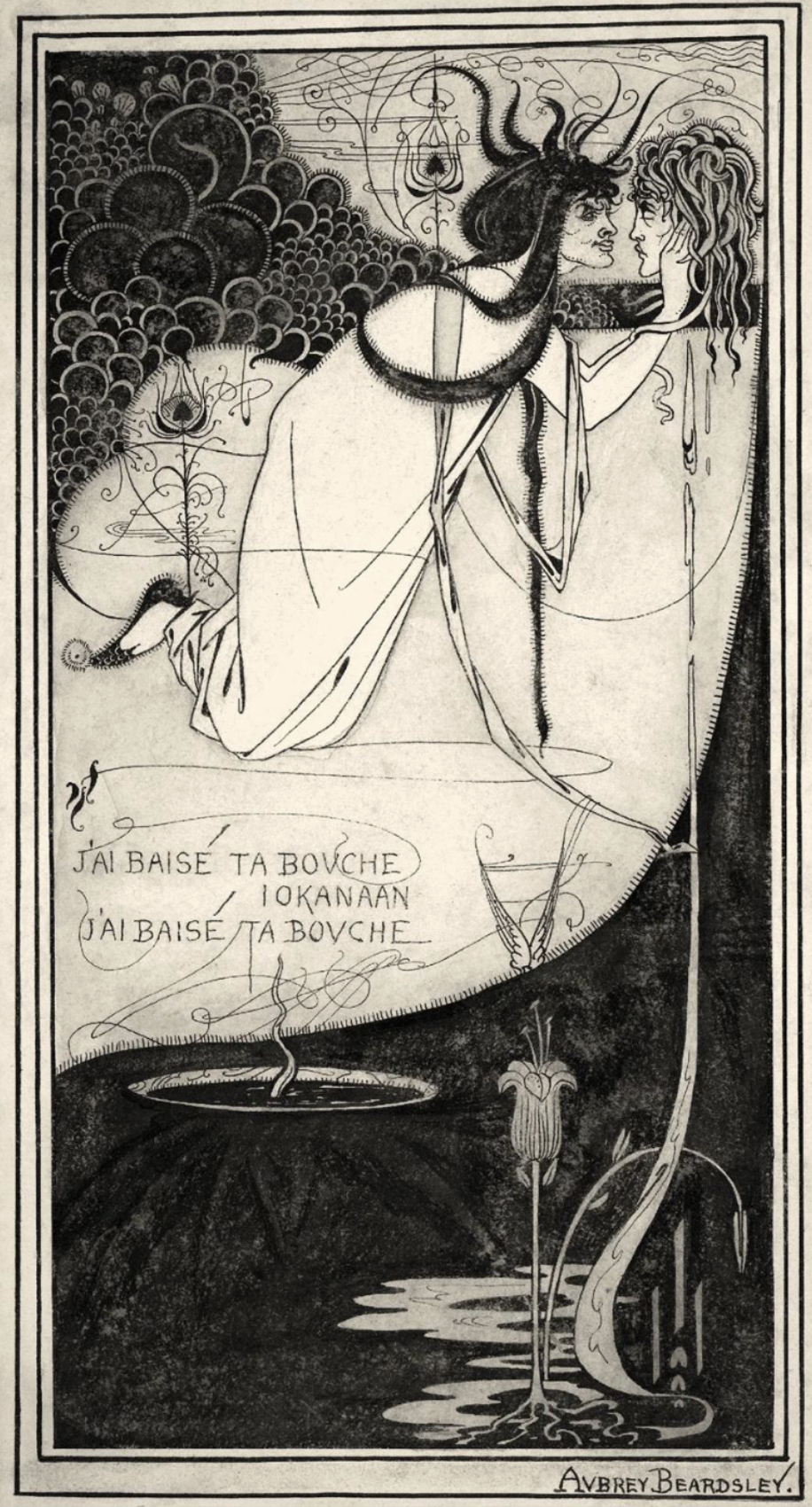
“I Kissed Your Mouth, Iokanaan,” 19th century England
Pen and ink on paper, reproduced through printmaking
Explores desire and obsession referencing the bible
Precursor to Art Nouveau graphic design, contrasts beauty with grotesqueness

Self Portrait as Chimera, 19th century France
Casted bronze sculpture which has the function of an inkwell
Reflects artist’s interest in theatrical transformation
Challenges line between fine arts and decorative objects
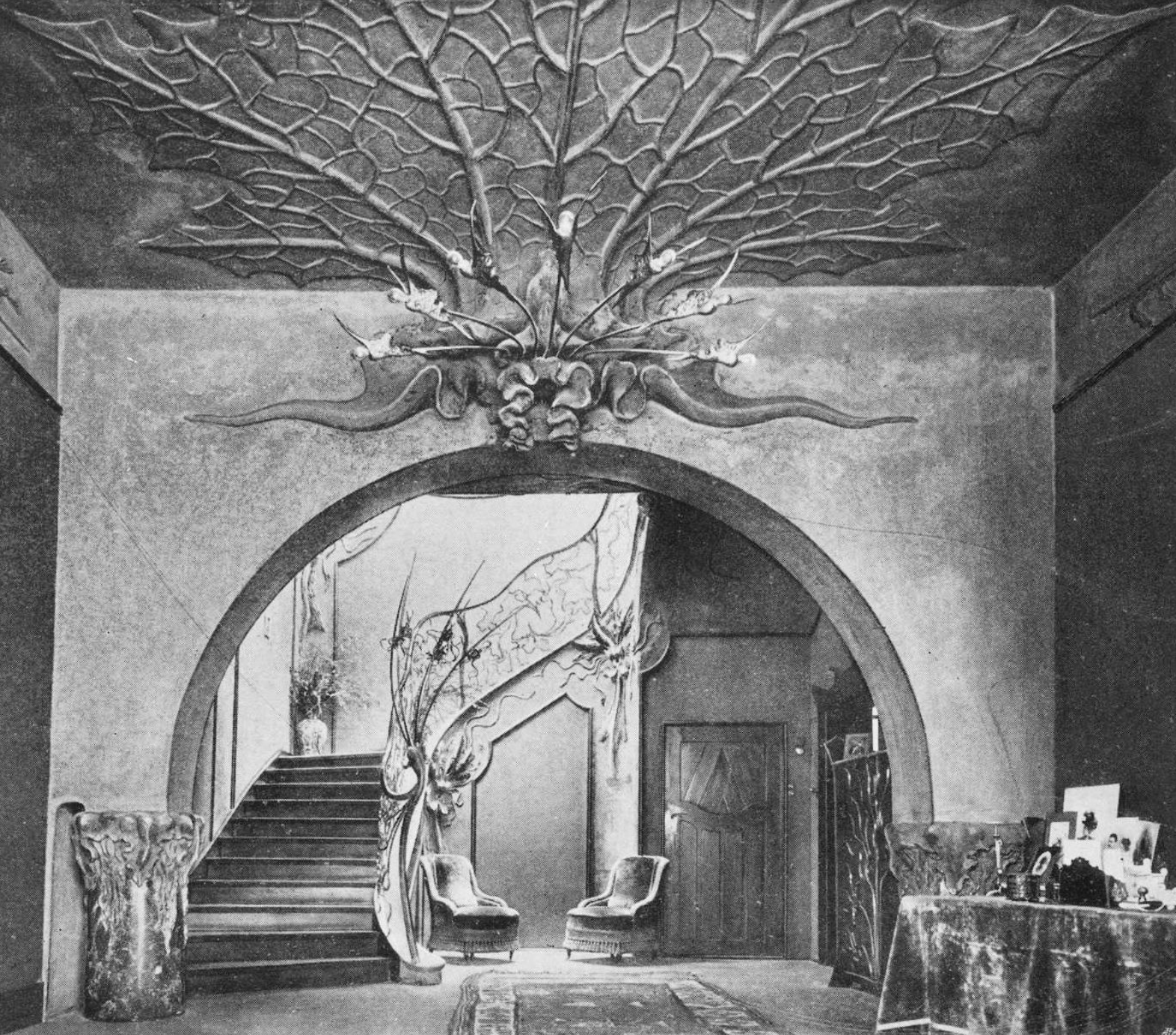
Elvira Photographic Studio, 19th century Germany
Building for two photographers with an abstract, organic form
Rejected traditional decoration and sparked controversy
Destroyed during war, only viewable through photographs

Scramble for Africa, 21st century England
Several headless, mixed race mannequins sitting on a table
Symbolizes European leaders coming together to split Africa’s territories
Absence of heads implies loss of identity and humanity
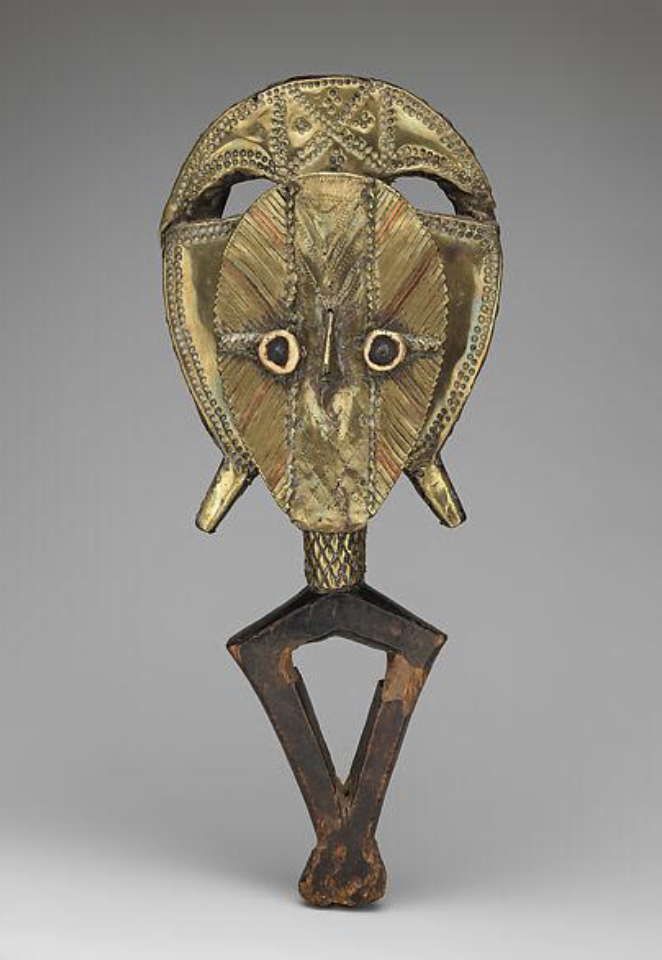
Sculptural Element from a Reliquary Ensemble, 20th century Gabon
Carved wood covered with sheets of brass
Served as spiritual guardians, placed together with deceased family
Inspired European artists through geometric and abstract representation of the face

Ivory Container, 20th century Congo
Carved elephant ivory using low relief technique
African artists created carvings like these for European merchants
Were not simply souvenirs; images depicted protested against colonialism

Nkisi (power figure) 20th century Congo
Carved wood sculpture decorated with multi-medium objects
Part of spiritual and healing traditions of the people
Spiritual objects like these were often confiscated by Christian missionaries

Olympia, 19th century France
Oil on canvas with a relatively flat style, challenging traditional academic painting
Goes against social norm with subject choice and context
Raises questions about social status and painting non-mythological female nudes

Why Are You Angry, 21st Century Tahiti
20 minute video inspired by Gaugin’s paintings
Depicts contemporary Tahitian women to challenge the colonial male gaze
Specifically, the ethical limitations of white men interpreting another culture
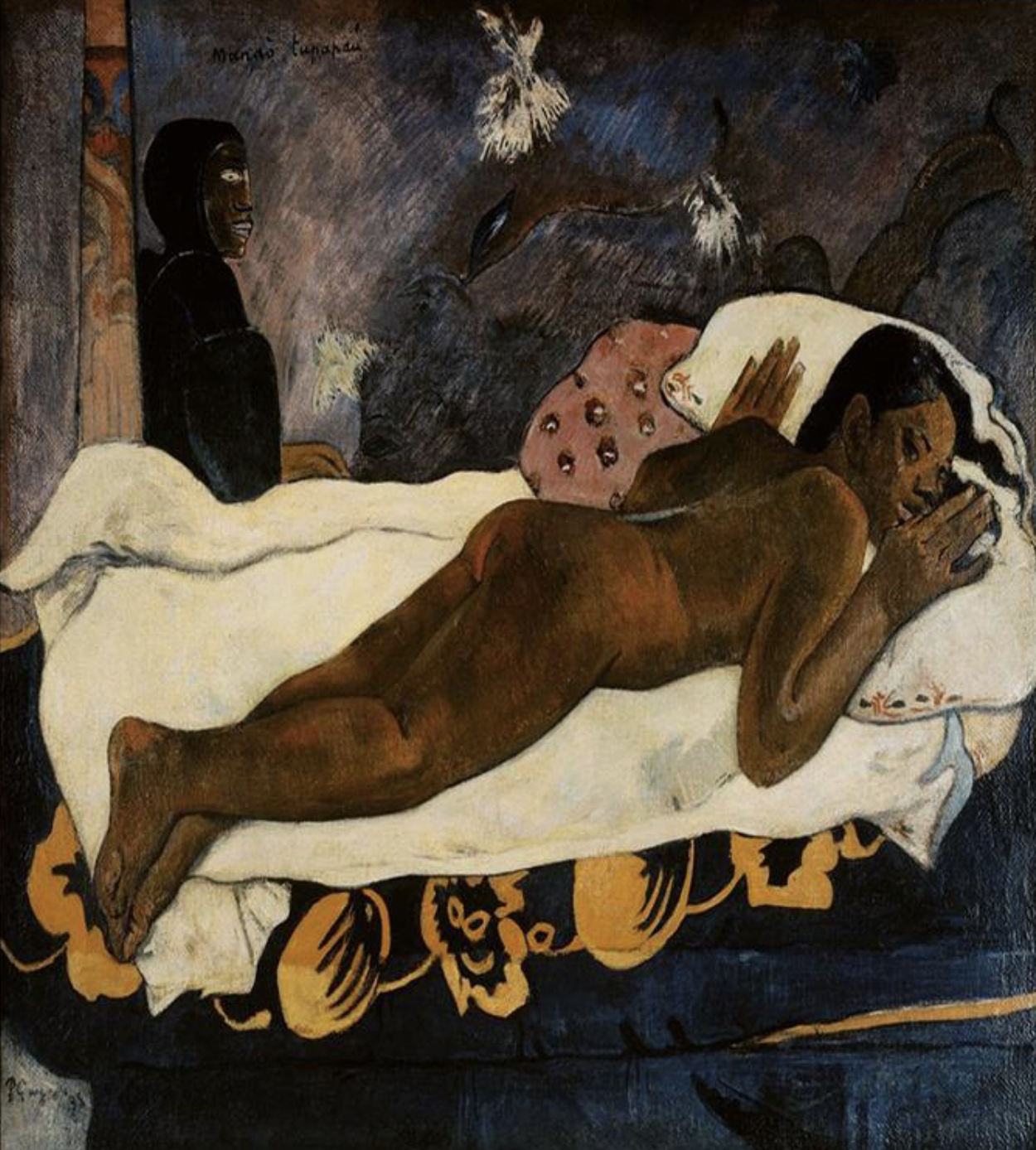
Spirit of the Dead Watching, 19th century Tahiti
Oil paint on burlap with a reliance on simplified shapes
Combines representation with symbolic meaning and spiritual curiousity
Displays the problematic colonial gaze of Gaugin
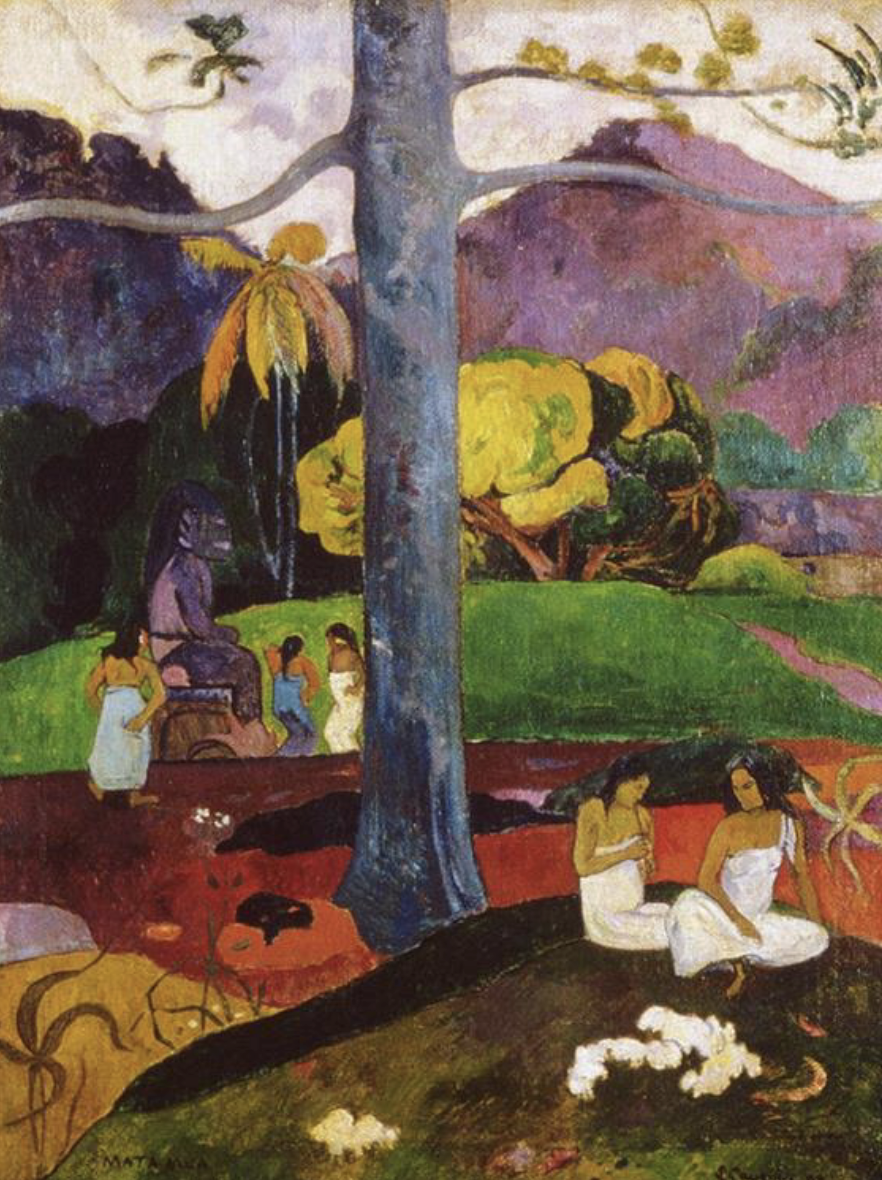
In Olden Times, 19th century Tahiti
Oil on canvas with vivid, imaginative colors and forms
Shows Gaugin’s nostalgic and idealized vision of pre-colonial Tahiti
Raises questions about Western views of indigenous cultures

Demoiselles D’Avignon, 20th century France
Oil on canvas, with each body being distorted and from multiple viewpoints
Drew inspiration from non-Western art forms to paint fragmented representations of figures
Challenges modern European artists’ usage of other visual cultures
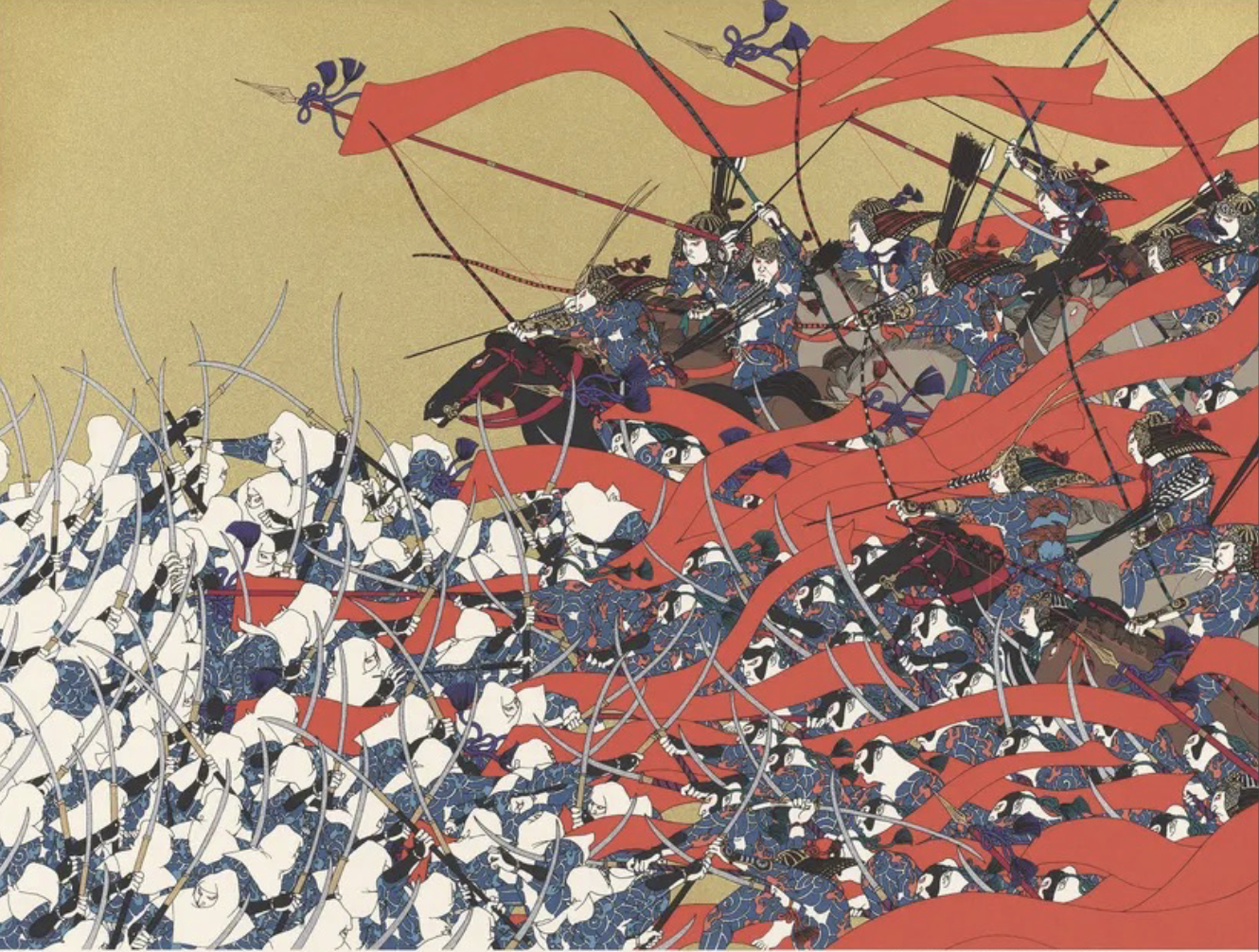
Invasion of the Southern Capital, 20th century Japan
Screenprint on paper which combines traditional silkscreens with modern graphic design
Depicts Japanese battle from centuries ago
Connects traditional Japanese storytelling with modern artistic expression

Our Elite Forces Capturing the Pescadores Islands in Taiwan, 19th century Japan
Multicolor Japanese woodblock print on paper to depict military action
Reflects Japan’s growing military power and imperial ambitions
Served as a war print to Japanese audiences, glorifying battlefield wins

Front, volume 1, 20th century Japan
Propaganda periodical demonstrating good quality graphic design, photography, illustration
Promoted Japan’s imperial ambitions while improving their reputation in Western countries
Published in multiple language to reach many audiences

Panorama of Hiroshima, 20th century Japan
Black and white documentary photography which was taken panoramically
Taken two months after atomic bomb explosion, records devastation of the aftermath
Helps preserves Hiroshima’s history and raise anti-nuclear sentiments

Children of Chikuho, 20th century Japan
Cheap photobook containing black and white documentary photographs
Captured post-war Japanese living conditions as a form of documenting history
Served a dual purpose of fundraising for supporting impoverished communities
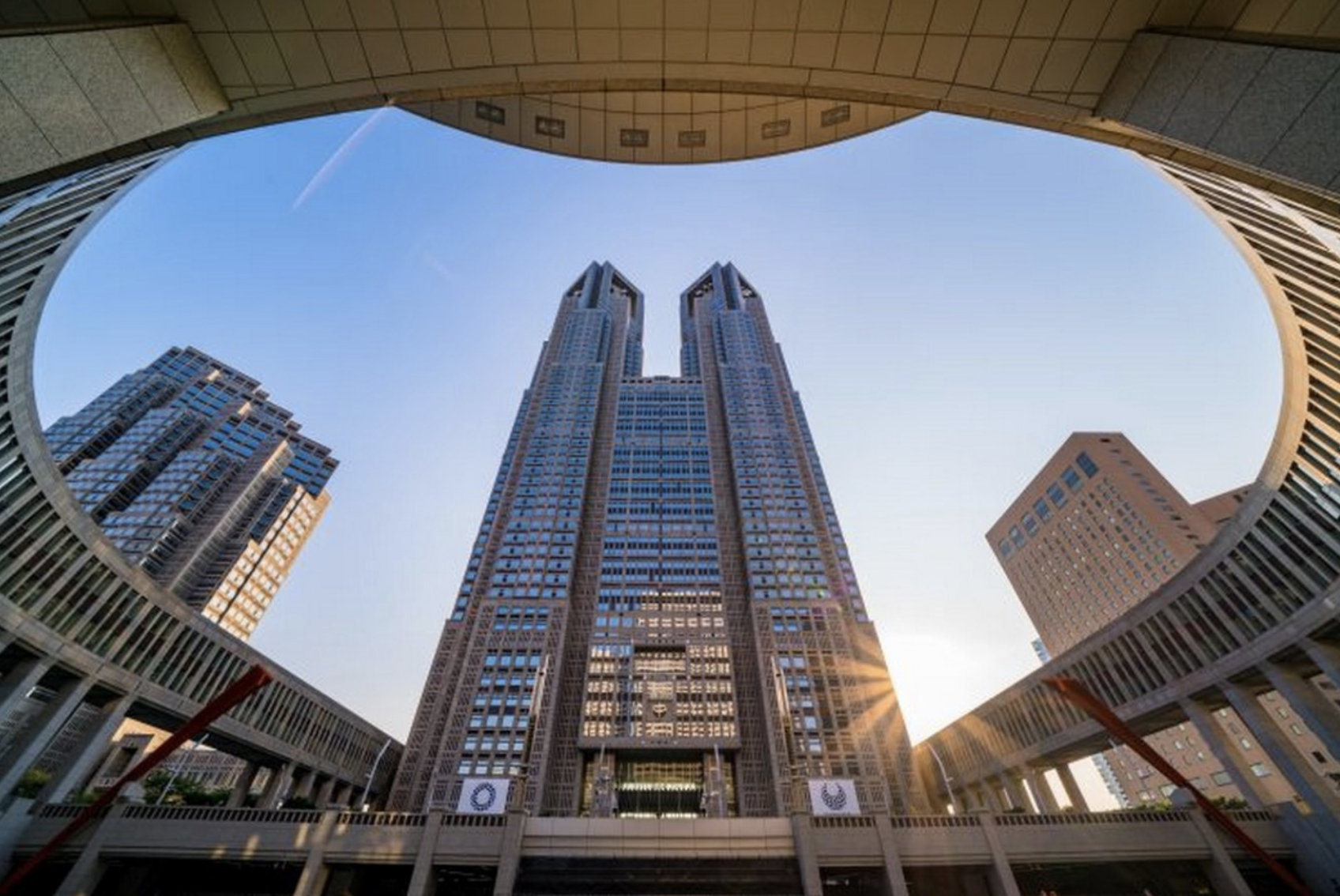
Tange Kenzo, 20th century Japan
Architecture which draws inspiration from traditional Japanese sliding screens
Designed during Japan’s economic boom, monumental scale shows industrial ambitions
Also resembles a microchip, symbolizing technological advancement
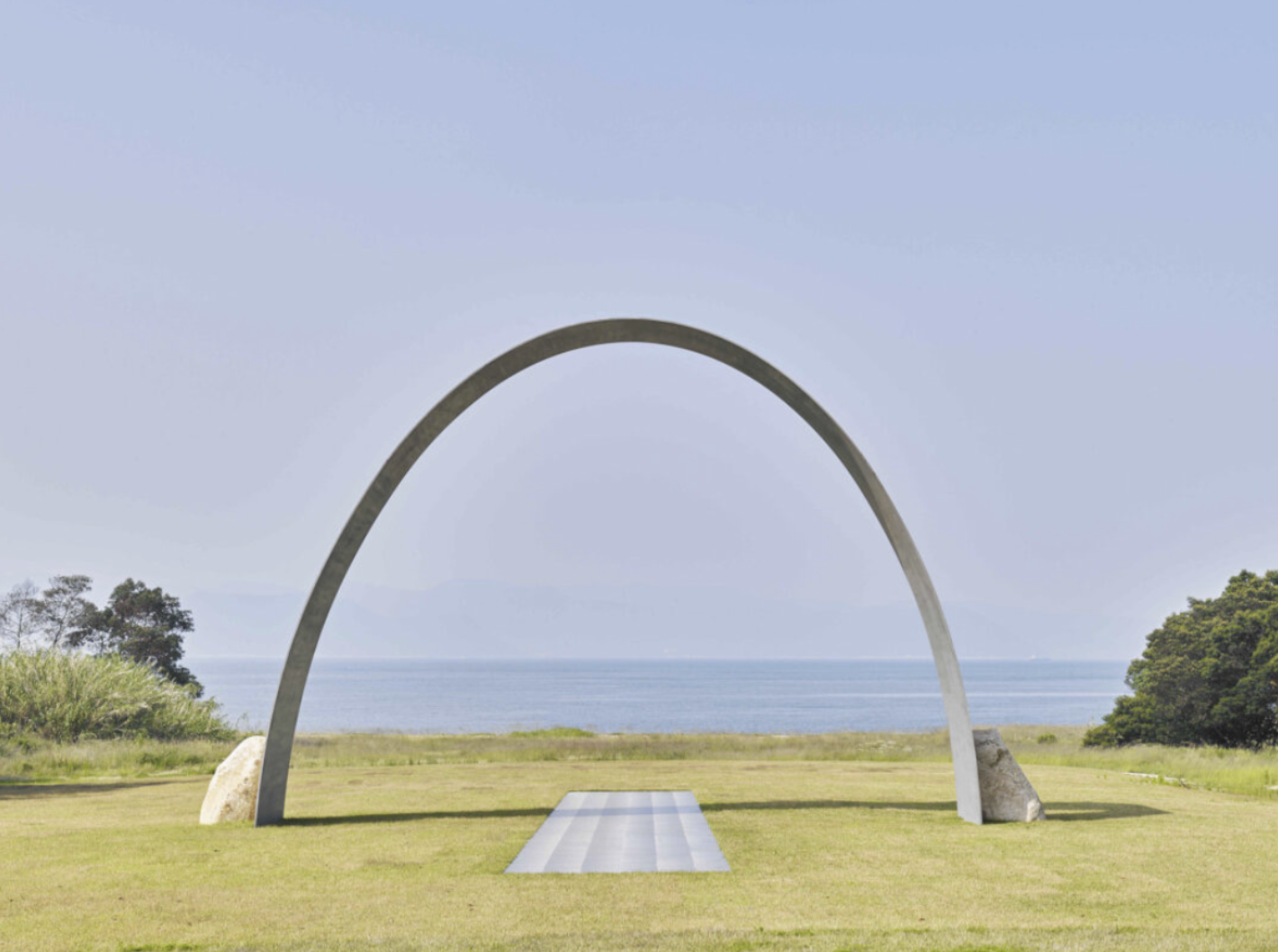
Gate to Infinity, 21st century Japan
Large scale steel installation located outdoors
Explores the relationship between natural materials and industrial objects
Physically passing through the sculpture encourages a different landscape each time
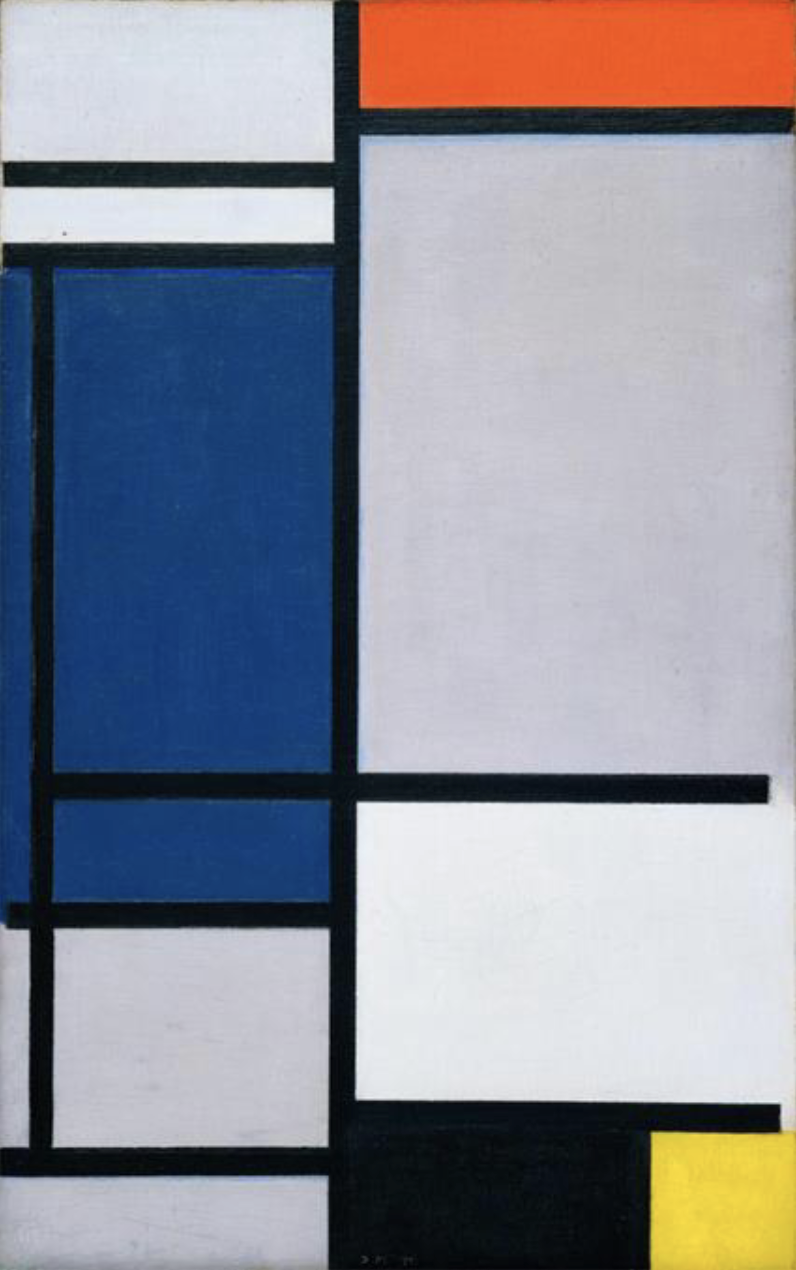
Composition with red, blue, black, yellow and gray, 20th century Netherlands
Oil on canvas with an asymmetric composition using only solid colors
Reflects desire for harmony and order through simple geometric abstraction
Had heavy influences on modern art
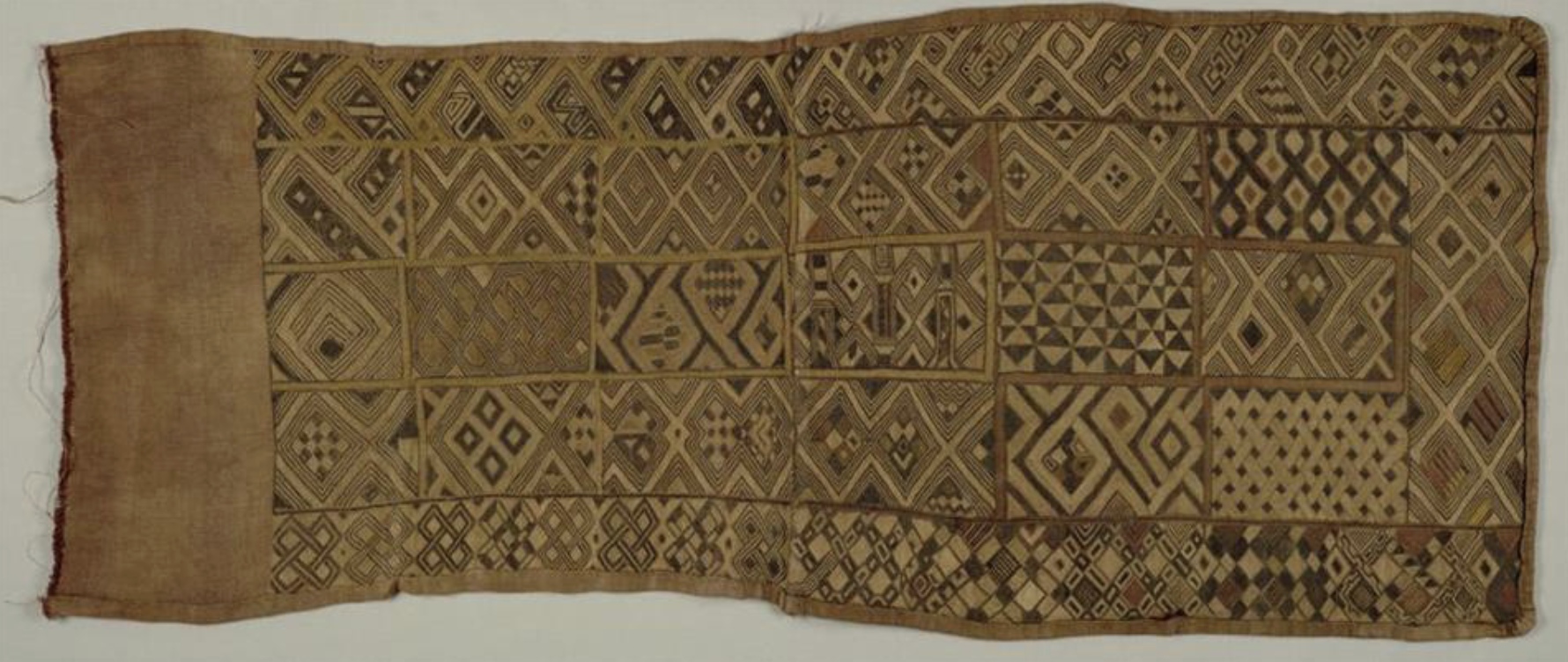
Kuba cloth, 20th century Democratic Republic of Congo
Made from woven raffia palm fibers which created a velvety texture
Elaborate designs reflected wealth and social status
Shows how geometric abstraction existed in Africa before European modernism

Red Meander, 20th century England
Textile weaving using handspun wool with a maze-like pattern
Andean weaving traditions heavily inspired her patterns
Demonstrates the artist’s effort to establish textiles as a form of fine art

Ambroise Vollard, 20th century France
Oil on canvas to depict fragmented pieces of Vollard
Subject is an influential Parisian art dealer who aided Picasso’s early career
Major example of Cubism, where representational subjects can be depicted even while using fragmentation
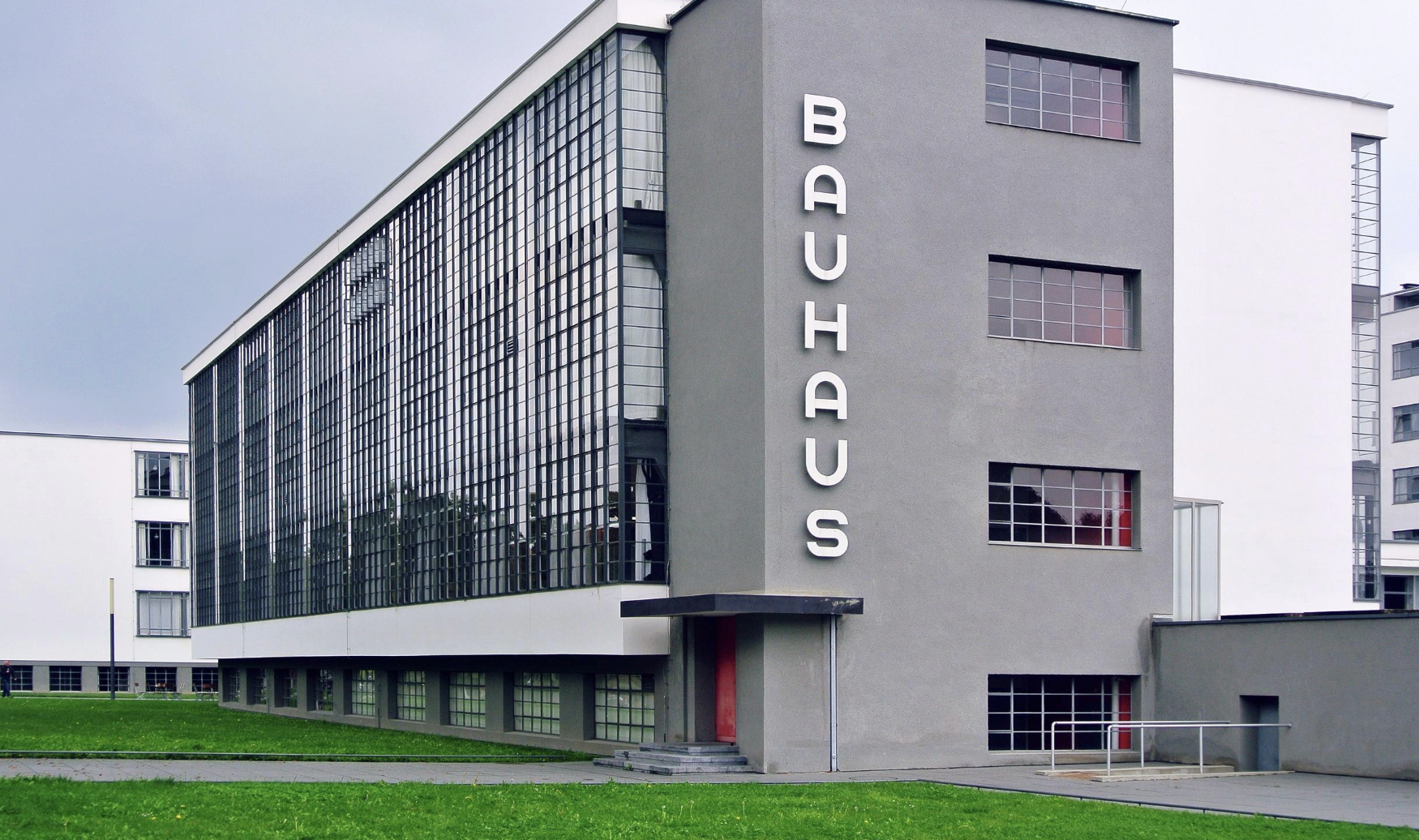
Bauhaus Building, 20th century Germany
Architecture