Macro Nervous system LG1076 FINISHED
 Call Kai
 Learn
 Practice Test
 Spaced Repetition
 Match
 Flashcards
 Knowt Play
1/47

There's no tags or description
Looks like no tags are added yet.
48 Terms
Cerebrum
The main and largest part of the brain

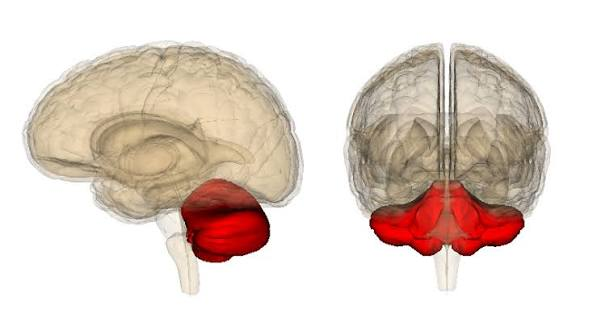
Cerebellum
A medium part of the brain, in the inferior dorsal area. Controls motor function and coordination
Frontal Lobe
Found in the front of the cerebellum, the largest lobe, controls voluntary aspects and personality

Precentral Gyrus
A gyrus forming the dorsal border of the temporal lobe

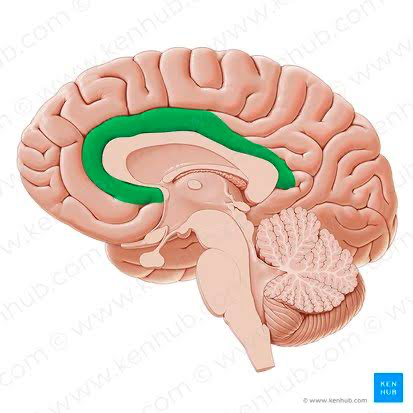
Cingulate Gyrus
A gyrus forming the deep portion of the cerebrum

Central Sulcus
A large groove between the frontal and parietal lobe

Postcentral Gyrus
A gyrus found in the ventral border of the parietal lobe
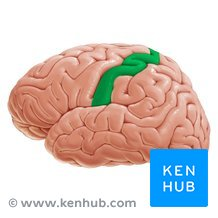
Parietal Lobe
Found in the top/middle of the cerebrum, it controls sensory input and functions

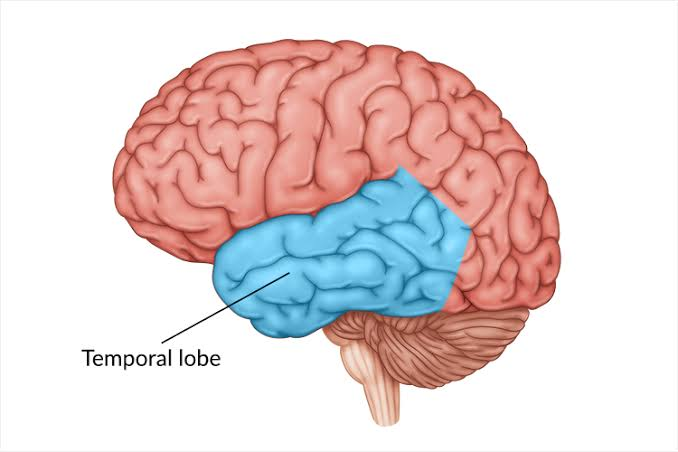
Temporal Lobe
Found in the bottom/middle of the cerebrum, it controls sensory input, memory formation, and facial recognition
Occipital Lobe
Found in the dorsal cerebrum, it processes visuals and visible patterns

Longitudinal Fissure
Fissure running the distance of the cerebrum

Lateral Sulcus
Groove above the temporal lobe

Transverse Cerebral Fissure
gap between the cerebrum and cerebellum

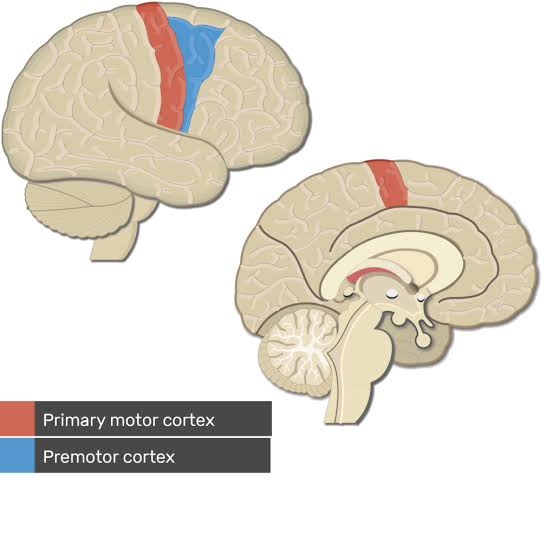
Premotor Cortex
Strongly controls the preparation of voluntary muscle movements

Primary Motor Cortex
Strongly controls the execution of voluntary muscle movement
Frontal eye fields
Controls eye movement

Broca’s Area
Processes and executes speech

Wernicke’s Area
Processes auditory speech and phonetic memory
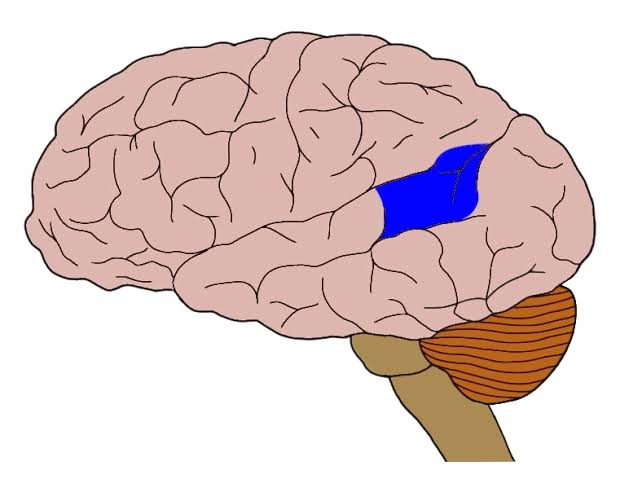
Primary Somatosensory Cortex
Processes touch, pain, temp, pressure

Somatosensory Association Cortex
Interprets touch, pain, temp, pressure signals

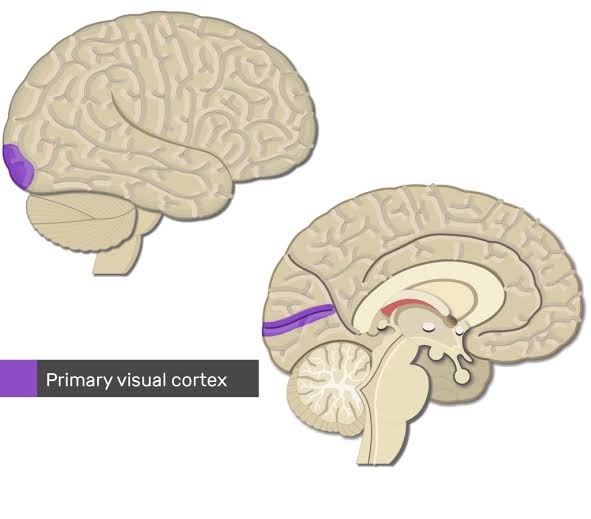
Primary Visual Cortex
Processes basic visual input
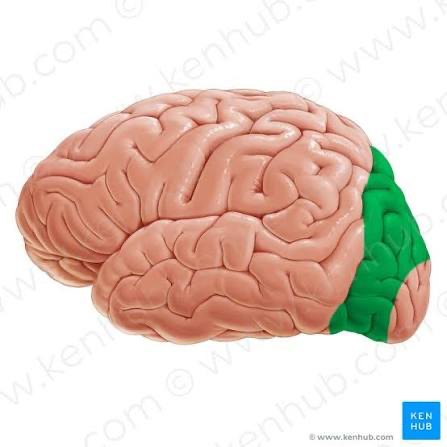
Visual Association Area
Interprets visual input
Olfactory Bulb
Receives and processes scent signals

Olfactory Tract
Sends signals from the olfactory bulb to the brain

Optic Chiasma
Cross-over of medial optic nerves

Optic Tract
Carries signals from the optic chiasma to the brain

Optic Nerve
Carries signals from the eye to the optic chiasma

Mammillary Body
Allow for memory recollection

Midbrain
Upper portion of the brainstem, controls some sensory processing and relays signals

Pons
Middle of the brainstem, connects the brain and spinal cord while controlling sleep and breathing rhythm

Medulla Oblongata
Bottom of the brainstem, connects while controlling life functions like heart rate.

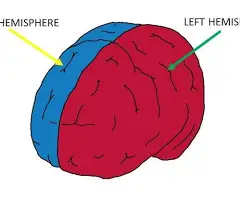
Cerebral Hemisphere
Each half of the cerebrum (left and right)
Corpus Callosum
Bundle of nerves connecting the two hemispheres of the brain

Fornix
Connects the limbic system and white matter core of the brain
Thalamus
Relays almost all sensory inputs to the cerebral cortex

Hypothalamus
Links the nervous and endocrine system

Infundibulum
Stalk connecting the pituitary to the brain

Pituitary Gland
Produces hormones that control growth, reproduction, and bodily responses

Pineal Gland
Produces hormones that control sleep cycles

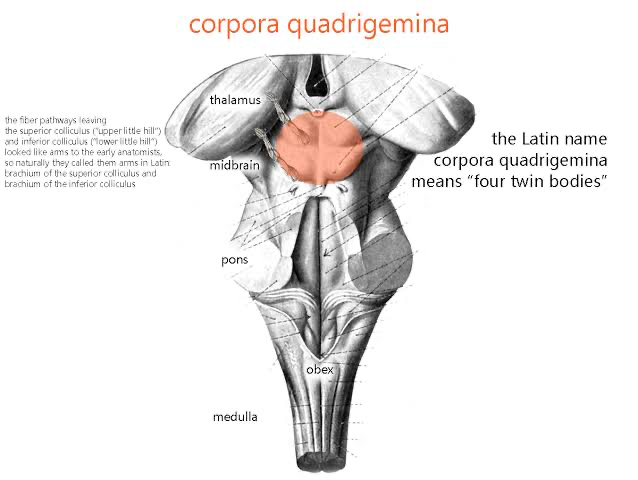
Corpora Quadrigemina
Four mounds that control reflexes related to vision and hearing
Superior Colliculus
Larger two bodies of the CQ, control orientation of the body around visual stimuli

Inferior Colliculus
Smaller two bodies of the CQ, main processing center for hearing

Lateral Ventricle
Large C-shaped ventricle, makes CSF and cushion the brain

Third Ventricle
Connection center for the brain’s ventricular system

Cerebral Aqueduct
Connects the third and fourth ventricles

Central Canal
Cannel from the brainstem down the spinal cord, filled with CSF

Fourth Ventricle
Connects the brain’s ventricular system to that of the spinal cord

Arbor Vitae
Branching white matter that relays incoming and outgoing signals
