10: AQUAPONICS
 Call Kai
 Learn
 Practice Test
 Spaced Repetition
 Match
 Flashcards
 Knowt Play
1/54

There's no tags or description
Looks like no tags are added yet.
55 Terms
HYDROPONICS
technique of growing plants using a water-based
nutrient solution rather than soil, and can include an
aggregate substrate, or growing media, such as
vermiculite, coconut coir, or perlite.
water-culture or medium-culture
HYDROPONICS IS classified as either _______
Water culture systems
do not use a medium to
support the roots, only the nutrient solution.
Medium culture systems
use a solid substrate,
such as sand, to support the plant root structure.
NUTRIENT FILM TECHNIQUE
DEEP WATER CULTURE
AEROPONICS
EBB AND FLOW (FLOOD AND DRAIN)
DRIP SYSTEM
WICKING SYSTEM
KRATKY METHOD
Types of Hydroponic Systems
NUTRIENT FILM TECHNIQUE
thin film of water flows continuously over the roots
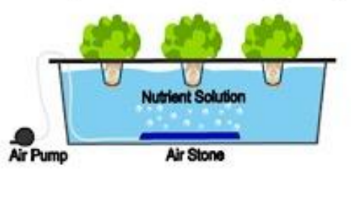
DEEP WATER CULTURE
roots suspended in a highly oxygenated, nutrient-rich water
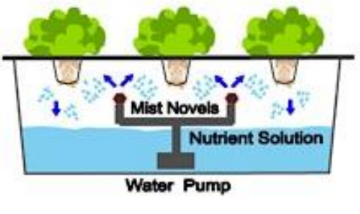
AEROPONICS
roots are misted with nutrient solution
EBB AND FLOW (FLOOD AND DRAIN)
grow bed periodically flooded and drained
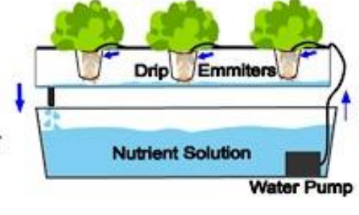
DRIP SYSTEM
nutrients dripped slowly to the base of each plant; efficient water use
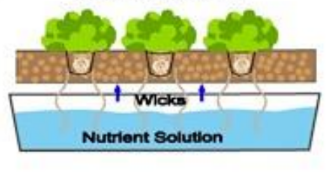
WICKING SYSTEM
uses a wick to draw nutrient solution to the root zone; suitable for small plants
KRATKY METHOD
roots hang in a container; water level drops as plants grow
NUTRIENT FILM TECHNIQUE
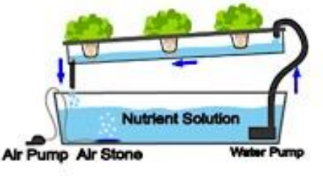
DEEP WATER CULTURE
WICK SYSTEM
EBB AND FLOW
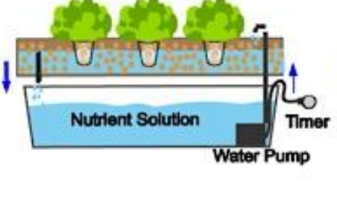
DRIP SYSTEM
AEROPONICS
AQUAPONICS
Integrated fish and plant farming (FAO)
• a technique for combining hydroponics and
aquaculture in a system that cultivates plants in
recirculated aquaculture water
soil-less culture
method of growing agricultural
crops without the use of soil
hydroponics
most common method of soil-less
culture, includes growing plants either on a
substrate or in an aqueous medium with bare roots
FISH Component
PLANT Component
BACTERIA Component
biological components
FISH Component
provide essential nutrients for the plants through their waste
• source of natural fertilizer for the plants
PLANT Component
converts nutrient-rich water from the fish tank into biomass, while
simultaneously purifying the water for the fish
BACTERIA Component
An aquaponics system requires beneficial bacteria (Nitrosomonas & Nitrobacter, etc)
for the fish and plants to thrive.
• transforms fish waste into nutrients for the plants (nitrification).
Nitrosomonas
Nitrobacter
beneficial bacteria for the fish and plants to thrive.
NITRIFICATION
transforms fish waste into nutrients for the plants
Role in nitrification
Surface area
Cycling process
Maintenance
growing the beneficial bacteria:
Role in nitrification
converting toxic ammonia and nitrites produced by fish waste into less
harmful nitrates, which are readily taken up by plants.
Surface area
Providing ample surface area in the grow beds enhances bacterial colonization and
promotes efficient nitrification.
Cycling process
During the initial cycling phase, ammonia levels rise as fish waste accumulates,
providing substrate for bacterial growth.
Maintenance
Regular monitoring of water parameters to ensure that beneficial bacteria
populations are thriving. Adequate aeration and oxygenation of water also support the growth and
activity of beneficial bacteria.
Culture tanks
Grow beds
Pumps
Pipes and fittings
Filtration
Waste management
Sump tank
Aeration
system components for aquaponics
Culture tanks
where the fish live during their growth to the desirable market size.
• It is important to maintain good water quality, adequate oxygen levels,
ideal flow rates, and waste removal in this area.
Grow beds
are essential containers where plants are cultivated, supported by a
specific media that helps filter nutrients and support the growth of
beneficial bacteria
• The growing media provides physical support for the plant roots and
aids in maintaining a healthy root environment.
Pumps
used for moving water among the various system
components.
• circulation ensures that nutrients are delivered to the plants and the
water is filtered.
Pipes and fittings
used to transfer water among the system components and can be a
range of sizes and materials depending on the purpose.
• The pipe diameter should be sized appropriately for the volume,
pressure, temperature, and head loss of the water that will be
experienced in the different areas of the system.
Solids filtration
fish are not able to fully utilize the feed; approximately
25-50 percent of the feed will become waste that must be removed
from the system quickly to prevent degradation in water quality.
Biological filtration
It takes advantage of bacterial processes to
convert toxic byproducts of fish feeding into non-toxic forms that can be
used by plants.
Waste management
Solid waste removal is critical for maintaining high water quality for the
fish to live and grow
Sump tank
the ultimate collection area for water that flows by
gravity and is located at the lowest elevation in the entire system. also a reservoir that generally contains no plants or
fish and is a good addition point for mixing chemical and nutrient
additives that must dissolve before entering the system.
Aeration
The process of aeration agitates the water, creating a large surface area
for contact between air and water, thus enhancing gas exchange.
• to aid the removal of carbon dioxide (CO2) and increase the dissolved
oxygen (DO) concentration.
Media-based Systems
Nutrient Film Technique (NFT) Systems
Deep Water Culture (DWC) Systems
Types of Aquaponics Systems
Media-based Systems
Plants are grown in a bed filled with a growing medium such as
gravel, clay pebbles, or lava rock.
• The media provides support for the plants and acts as a biofilter,
hosting beneficial bacteria that convert fish waste into nutrients.
• Water from the fish tank is pumped through the grow bed, where
it is filtered by the media before returning to the tank.
Nutrient Film Technique (NFT) Systems
Involve growing plants in channels where a thin film of nutrient-
rich water flows over the roots.
• The water is pumped from the fish tank into the channels and
then flows back into the tank. This method ensures that plant
roots receive a constant supply of nutrients and oxygen. efficient and suitable for growing leafy greens
and herbs but may require more precise monitoring of water flow
and nutrient levels.
Deep Water Culture (DWC) Systems
Also known as Raft System
• Plants are grown on floating rafts with their roots submerged
directly in nutrient-rich water.
• The water is continuously circulated between the fish tank and the
plant raft, ensuring a steady supply of nutrients and oxygen.
pH fluctuations
Ammonia spikes
Nutrient deficiencies
Pest infestations
Equipment failures
challenges in aquaponics
pH fluctuations
Fluctuations in pH levels can affect nutrient availability
and impact fish health. Adjust pH as needed using pH buffers to maintain
stability within the optimal range.
Ammonia spikes
High levels of ammonia can be toxic to fish and
indicate problems with filtration or nutrient cycling. Increase aeration,
perform water changes, and monitor feeding rates to prevent ammonia
buildup.
Nutrient deficiencies
Yellowing leaves, stunted growth, and poor fruit
development are signs of nutrient deficiencies in plants. Supplement
nutrients as needed and ensure proper nutrient cycling in the aquaponic
system.
Pest infestations
Common pests such as aphids, whiteflies, and mites
can affect plant health in aquaponic systems. Implement integrated
pest management strategies such as introducing beneficial insects or
using organic pest control methods to manage infestations.
Equipment failures
Malfunctions or breakdowns in pumps, heaters, or
aeration devices can disrupt the balance of the aquaponic system. Have
backup equipment on hand and perform regular maintenance to
prevent unexpected failures. During equipment failure, troubleshoot the
issue promptly and implement temporary solutions to minimize impacts
on fish and plants.
method of aquaponic production
types of fish (carnivorous vs omnivorous)
types of fish (protein level)
types of plants
type of plant production
main variables to consider when balancing a unit
40-50 grams of feed per square meter per day
recommended daily fish feed rate for leafy green vegetables
50-80 grams of feed per square meter per day
recommended daily fish feed rate for fruiting vegetables