Lab 12: Angiosperms II
 Call Kai
 Learn
 Practice Test
 Spaced Repetition
 Match
 Flashcards
 Knowt Play
1/63

There's no tags or description
Looks like no tags are added yet.
64 Terms

Round

Open

Conical

Spreading
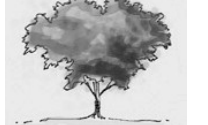
Vase

Oval

Weeping

Alternate

Opposite
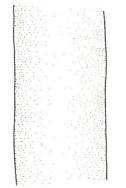

Lenticellate

Peeling

Vertical Crack

Scaly plates

Plating
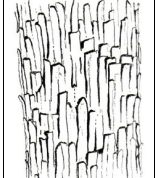
Vertical strips

Intersecting ridges

Horizontal ridges

Uninterrupted ridges
axillary
bud growing in the axil (upper angle between a leaf and the stem from which it grows) of the previous season’s leaves
bud scales
one to many modified scale-like leaves or stipules that protect the bud. These show tremendous diversity in number, arrangement, texture, color and ornamentation
bud scale scar
thin scars left behind from the bud scales of terminal buds of the previous years’ growth, usually forming a cluster encircling the stem
flower bud
when two sizes of lateral buds occur on the same twig, the larger of the two usually contains the rudiments of flowers. Some species produce buds which contain the rudiments of both flowers and leaves
internode
region of a stem between two successive nodes
leaf scar
the point of attachment for a leaf, visible when the leaf falls. Scars vary in size and shape. They also contain small dots or patches representing ruptured strands of vascular tissue called vascular bundle scars, or simply, bundle scars. These exhibit characteristic patterns of size, number, and arrangement
lenticel
raised spongy areas in the cork surfaces of stems, roots and other plant parts that allow interchange of gases between internal tissues and the atmosphere through the periderm. They are most apparent on young, smooth stems and are variously shaped. Identification value is generally limited to presence and visibility
node
the part of a stem where one or more leaves are attached
pith
the central portion of the twig, usually lighter or darker in color than the wood surrounding it and thus easily distinguished
pseudoterminal bud
formed in trees with indeterminate growth (growth which continues until stopped by external factors); the last-formed mature lateral bud, distinguished from the true terminal by its smaller size and the presence of a minute twig scar consisting of concentric rings of bark and wood
stipule scar
stipules are leaf-like appendages that occur on either side of the basal part of a leaf; they are not found on all species; if present, the scars are slit-like and paired, one to either side of the leaf scar beginning from its center and sometimes completely encircling the twig
superposed bud
a bud above, and in addition to, the axillary or lateral bud
terminal bud
bud growing at the apex of the twig limiting further growth in length for the season (determinate growth)
vascular bundle scar
a small scar left by a vascular bundle within a leaf scar after leaf abscission
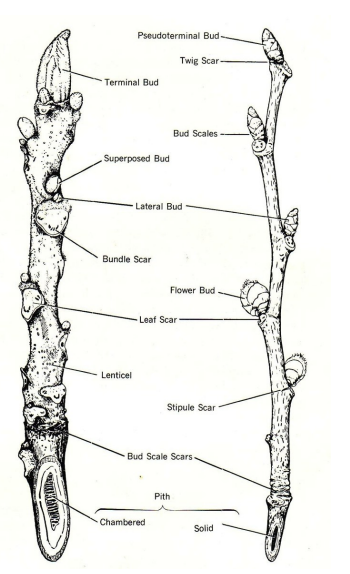
Be very familiar with the labeling
bark
all tissues outside the vascular cambium
cork cambium
middle layer of the periderm; a secondary layer of cell division and growth that forms cork skin to the inside and cork to the outside
cork skin
tissue formed inwardly by the cork cambium; inner part of the periderm
inner bark
living portion of the bark
outer bark
non-living portion of the bark
periderm
outer protective layer consisting of cork skin (when present), cork cambium and cork. There may be only a single periderm or there may be a series
phloem
the conducting tissue of vascular plants composed of sieve elements, various kinds of parenchyma cells, fibers, and sclereids
rhytidome
composite of dead phloem cells and old periderm layers
annual ring
a single year’s growth of xylem
diffuse-porous
wood in which vessel diameter is relatively uniform throughout the annual ring
earlywood
wood of low density usually produced early in the season
heartwood
non-living, usually darker-colored wood whose cells have ceased to function in water conduction
latewood
wood of higher density usually produced late in the season
ray
radially oriented tiers of cells that conduct nutrients, water, and other materials laterally in the stems and roots of woody plants; they are generally continuous across the vascular cambium between the xylem and the phloem
ring-porous
wood in which vessel diameter is markedly different between vessels formed early in the growing season and those formed late in the growing
sapwood
outer, usually functional layers of wood in a tree trunk; sapwood is usually lighter in color than heartwood
xylem
a complex vascular tissue through which most of the water and dissolved minerals of a plant are conducted; characterized by the presence of tracheary elements
vascular cambium
a cylindrical sheath of meristematic cells, the main location of cell division and growth in the tree, forming secondary xylem to the inside and secondary phloem to the outside
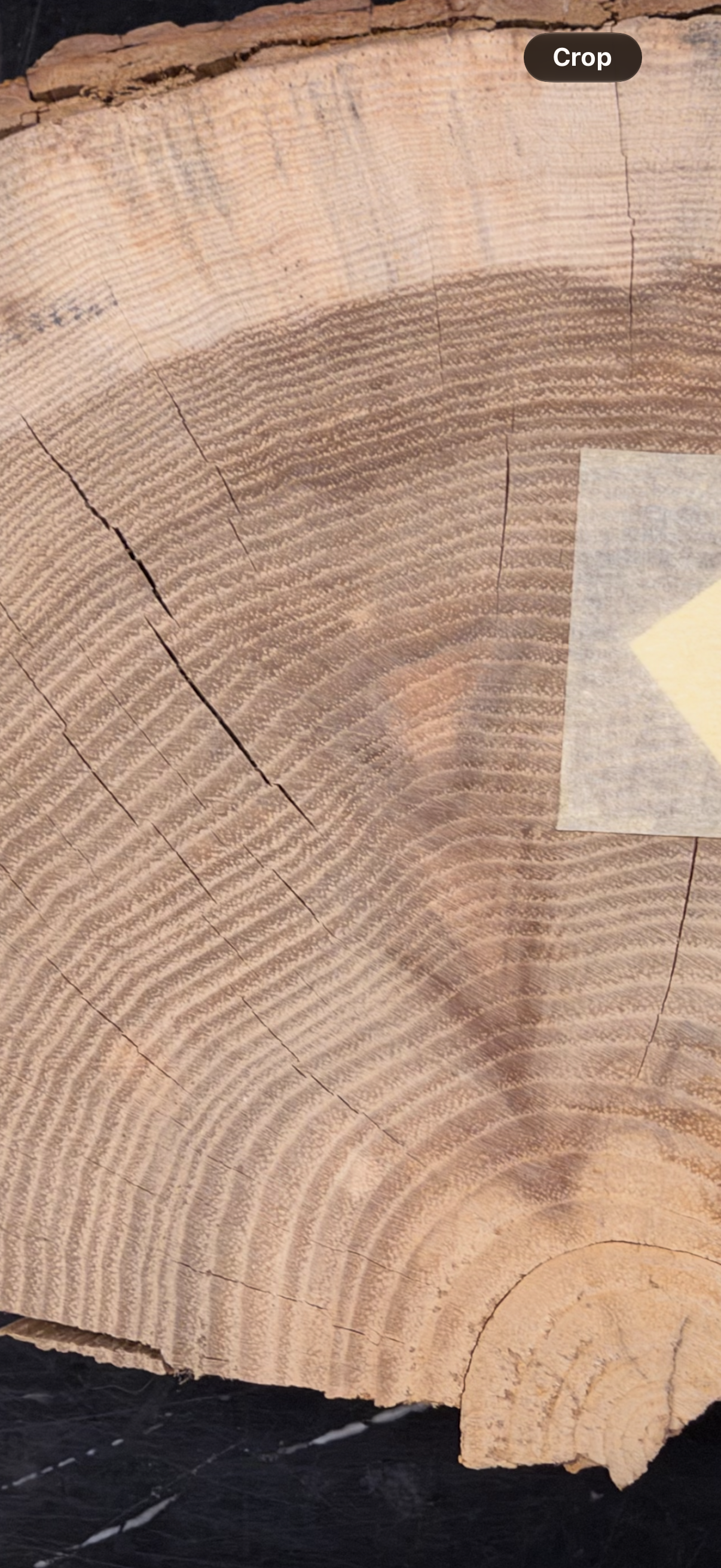
Ring porous wood

Diffuse porous wood
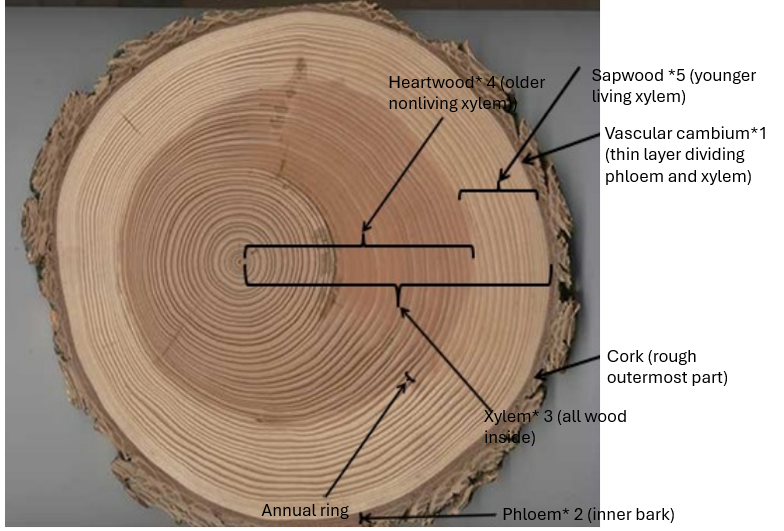
Be very familiar with this diagram
List the forest types found in New York.
Northern hardwood, Maple/Beach/Birch hardwood, Oak-Hickory+Oak-Pine Forest, Evergreen Conifer Forest, Coastal Woodlands, and Swamp Forest
List the synapomorphies of angiosperms
Flowers, fruits, double fertilization, reduced gametophytes, vessel elements
List five character and 2 character states foe each
Bark texture- smooth, peeling
Twig pith type- solid, Chambered
Bud arrangement- opposite, alternate
Leaf scar shape- round, crescent
Bud scales- imbricate, valvate
Stem Color- Brown, gray
List 3 types of pith that you observed in twigs in lab
Continuous, diaphragm, chambered
Why does a branch that grows on a tree 4 feet from the ground never get any higher no matter how large the tree becomes?
apical growth
What portion of the bark is responsible for the diversity of bark textures and patterns?
Cork
The amount, color and even aroma of the heartwood in woody angiosperms is extremely variable, i.e. diverse, leading to a huge difference in the economic value of the wood. The tree does not set out to produce a high value wood product. Why is this type of wood produced?
Support/Defense
Name some factors that are instrumental in the determination of forest cover type. Recognize while answering this question that not all trees can grow anywhere. There is an added element of diversity in the tree’s tolerance of specific site conditions.
Disturbance, abiotic site conditions