MICB 3031 - Lecture 18 Lecture 18 Symbiosis and Immunology I
 Call Kai
 Learn
 Practice Test
 Spaced Repetition
 Match
 Flashcards
 Knowt Play
 Podcast
1/44

Earn XP
Description and Tags
Chapter 31
45 Terms
What’s an important characteristics of the immune system
widely distributed cells, tissues, organs
recognizes foreign substances, neutralizes or destroys
Has antigens - foreign substances that provoke an immune response
Antibodies - bind antigens, inactivate or eliminate
What are antigens?
Foreign substances that provoke an immune response.
What are antibodies?
Proteins that bind to antigens and help inactivate or eliminate them.
What is immunity?
The ability to resist disease or infection.
What four classes of pathogens does the immune system protect against?
Bacteria, viruses, fungi, and protists.
Examples of the microorganism that causes diseases?
Bacteria: Salmonella typhimurium, Mycobacterium tuberculosis
Viruses: Influenza, HIV, SARS-CoV-2
Fungi: Cryptococcus neoformans, Candida albicans
Protists: Plasmodium falciparum, Giardia
What are examples of diseases caused by the four pathogen groups?
Bacteria: food poisoning and tuberculosis
Viruses: flu, AIDS, COVID-19
Fungi: cryptococcosis and thrush
Protists: malaria and giardiasis.
What are examples of conditions involving the immune system itself?
Allergies, autoimmunity, tissue transplant rejection, and graft-versus-host disease.
What are the two major components of the mammalian immune response?
Innate immunity and adaptive immunity.
What are the main characteristics of innate immunity?
It is nonspecific, fast, acts as the first line of defense, and does not have memory.
Which cells are important in innate immunity?
Macrophages, neutrophils, dendritic cells, and natural killer (NK) cells.
What are the important components of innate immunity?
Anatomical features: Skin, complement, toll-like receptors, cytokines,
What are leukocytes?
White blood cells responsible for innate and adaptive immune responses; they originate from stem cells in the bone marrow.
What are the five major types of leukocytes?
Basophils, eosinophils, neutrophils, monocytes, and lymphocytes.
What do monocytes develop into?
Macrophages or dendritic cells.
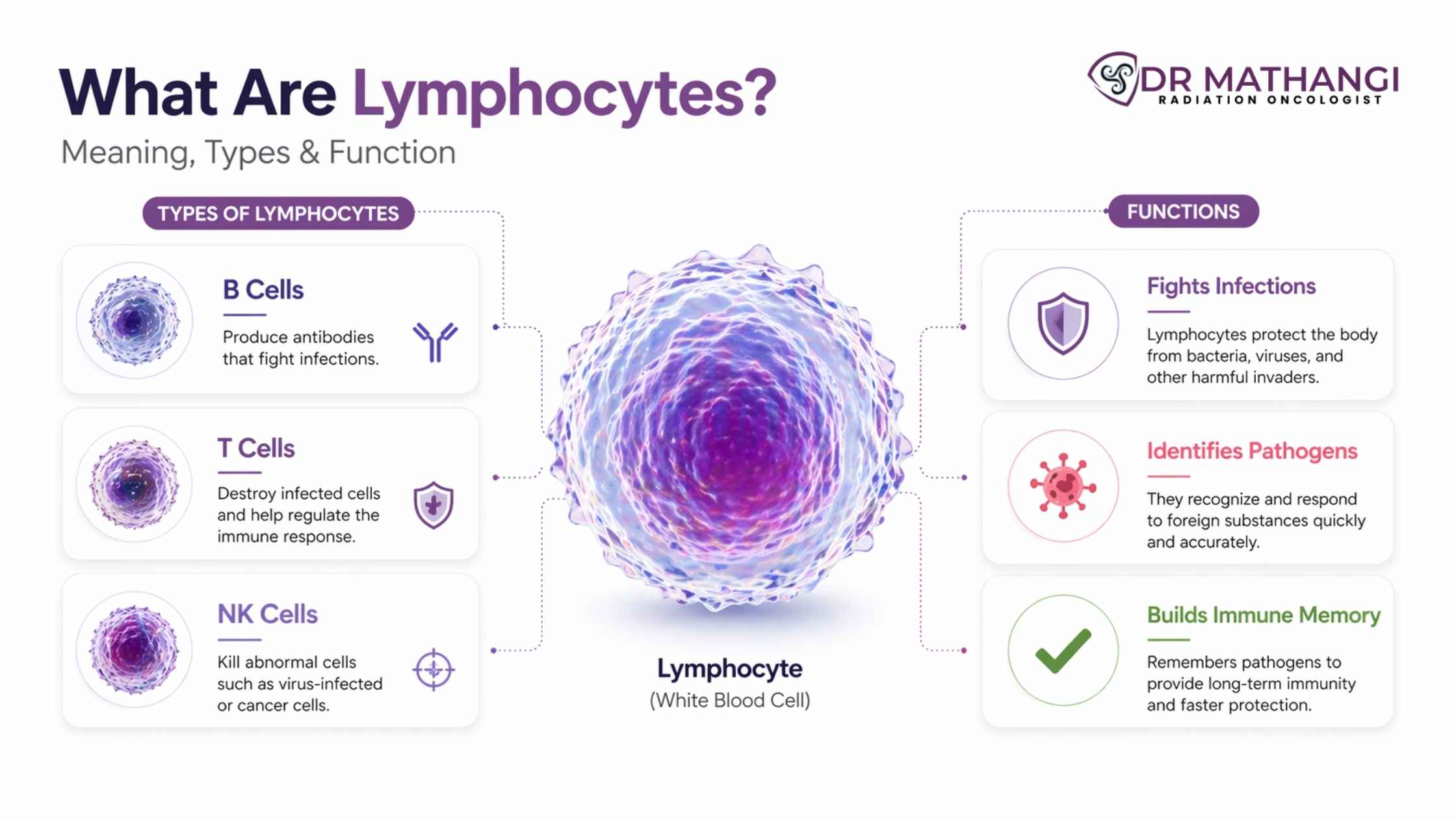
What are the three major types of lymphocytes?
T cells, B cells, and natural killer (NK) cells.
List the leukocytes that develop from a common myeloid progenitor cell.
Neutrophils, eosinophils, and basophils, monocytes
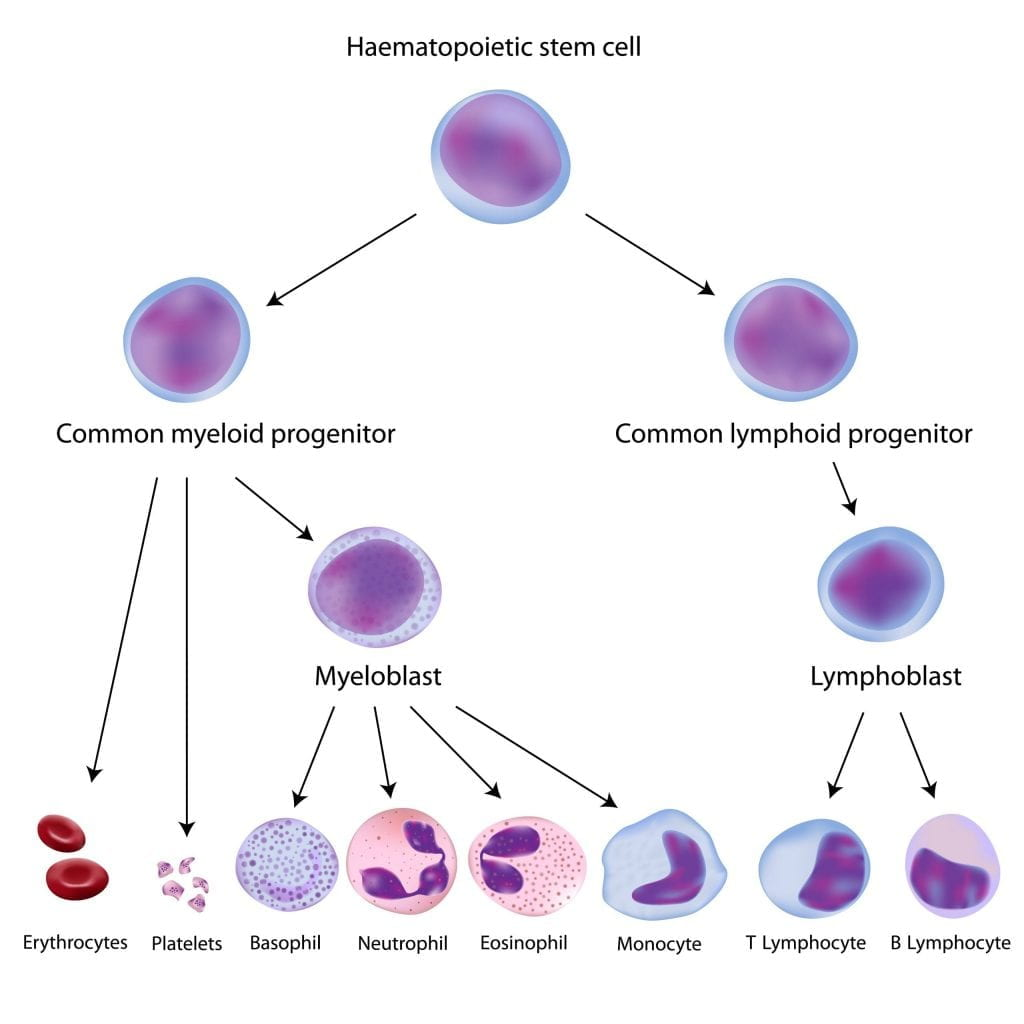
List the leukocytes that develop from lymphoid progenitor cells
B lymphocytes, T lymphocytes, Natural Killer (NK) cells

What are the three major functions of macrophages?
Phagocytosis of pathogens, antigen presentation, and production of cytokines.
What is phagocytosis?
The process in which a cell engulfs and takes in a pathogen or other particle.
What happens during phagocytosis?
Pseudopodia surround the pathogen,
Forming a phagosome.
The phagosome combines with a lysosome to form a phagolysosome, where the pathogen is destroyed.
Presents bits of the pathogen on the surface of the cell (antigen presentation)
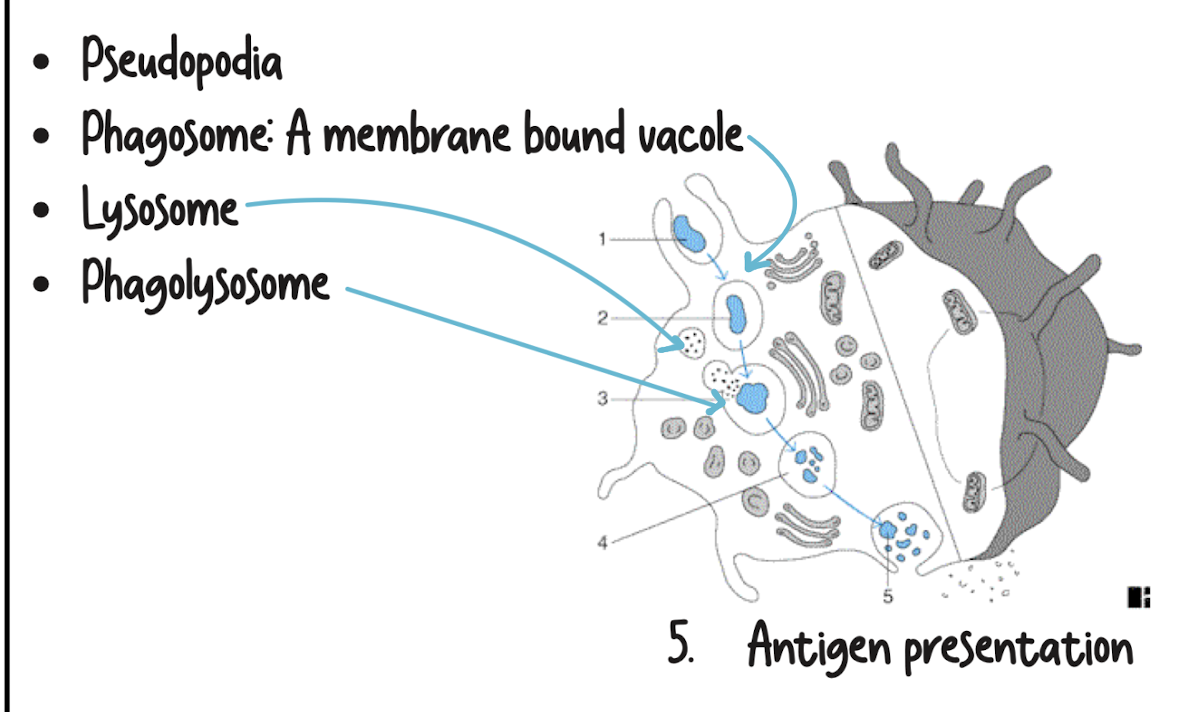
What is a phagolysosome?
A structure formed when a phagosome fuses with a lysosome; it destroys pathogens using substances such as reactive oxygen (H2O2) and nitric oxide
What is antigen presentation?
The process of displaying pieces of a pathogen on a cell's surface to signal an infection and activate T cells.
Which cells are the major antigen-presenting cells?
Macrophages, dendritic cells, and B cells.
What is the function of major histocompatibility complex (MHC) molecules?
They display processed peptide fragments of antigens on cell surfaces for recognition by T cells.
What are the physical barriers of innate immunity?
Skin, mucous membranes, and normal microflora that compete with potential pathogens.
What are the chemical barriers of innate immunity?
Stomach acid, lysozyme in tears and breast milk, and defensins.
What is lysozyme?
An enzyme that targets peptidoglycan in bacterial cell walls.
What are defensins?
Antimicrobial peptides that act as chemical barriers against microbes.
What is the complement system?
A group of more than 30 serum proteins activated through enzymatic cleavage that helps support immune defense.
Part of innate immunity
What are the three major functions of the complement system?
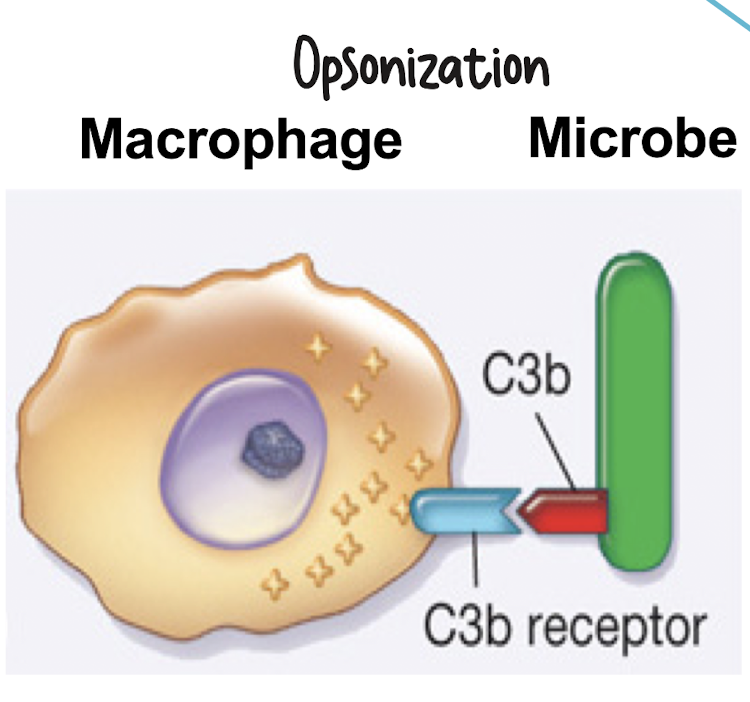
Opsonization: Coats microbes for phagocytosis
Chemotactic factors: recruitment of leukocytes to site of infection
Membrane Attack complex
What is opsonization?
The coating of microbes with proteins, such as C3b, to make them easier for phagocytes to recognize and engulf.
What is the function of C5a?
It acts as a chemotactic factor that recruits leukocytes to an infection site.
What is the membrane attack complex?
A complement protein complex that damages microbial membranes.

What are toll-like receptors (TLRs)?
Pattern recognition receptors that binds to pathogen-associated molecular patterns (PAMPs) or microbe-associated molecular patterns (MAMPs).
What are examples of PAMPs recognized/binds to by TLRs?
TLR2: peptidoglycan
TLR3: recognizes double-stranded RNA
TLR4: LPS
TLR5: recognizes flagellin.
What happens when a toll-like receptor binds a PAMP?
It triggers a signal transduction cascade that activates NF-k(kappa)B → enters the nucleus and activates genes involved in cytokine production → releases proteins.
What are cytokines?
Protein signaling molecules that coordinate immune responses and bridge innate and adaptive immunity.
What are examples of cytokines?
interleukins (ILs), tumor necrosis factor (TNF), chemokines, interferons, endogenous pyrogens
What are interleukins (ILs)?
Cytokines that stimulate cell growth, differentiation, and proliferation.
What is tumor necrosis factor (TNF)?
A cytokine that increases vascular permeability, induces fever, and activates B and T cells.
What are chemokines?
Cytokines that stimulate immune cell migration toward sites of infection.
What are interferons?
Cytokines produced in response to viruses that help block viral replication and assembly.
What are endogenous pyrogens?
Cytokines that induce fever by signaling the brain to produce prostaglandins.
How do cytokines help immune cells reach an infection site?
They can increase vascular permeability and cause vasodilation, allowing immune cells to enter infected tissues.