10/21 - Renal Toxicity
 Call Kai
 Learn
 Practice Test
 Spaced Repetition
 Match
 Flashcards
 Knowt Play
1/20

There's no tags or description
Looks like no tags are added yet.
21 Terms
90
What percentage of renal blood flow goes to the renal cortex? This is 25% of cardiac output and toxins go there in higher quantities relative to the medulla and papilla.
Proximal
Due to high tubular fluid concentrations, will the proximal or distal tubular epithelium be more susceptible to damage from toxicants? This tubule also has some CYP450 and can do some biotransformation.
Acute
What type of renal failure will show vomiting, gastro-intestinal bleeding, gastritis, colitis, and azotemia?
Chronic
What type of renal failure will show edema, hypertension, sodium/water retention, hypocalcemia, osteodystrophy, and anemia?
Yes
Can urine volume, urine osmolality, urinary pH, excretion of glucose, excretion of Na/K ions, raised serum creatinine and BUN, and postmortem lesions be used to assess renal toxicity?
Metallothioneins
What proteins are up-regulated in the kidneys by reactive substances, and are localized in the Golgi apparatus in both the liver and kidneys? They help protect against heavy metal toxicity by binding to cadmium, lead, and mercury. They are made of complexes formed in the liver and bind to heavy metals and then transported to the kidneys, where they are cleaved and free metal ions can accumulate and cause oxidative stress, cell injury, and renal toxicity.
Glomerulus
What structure in the kidneys can be damaged by changes to permeability, circulating immune complexes, and inflammation due to cytokines and reactive oxygen species? Doxorubicin can cause changes in size and charge of epithelial cells and induce proteinuria. Cyclosporine, amphotericin B, and gentamicin can impair ultrafiltration without loss of structural integrity. Heavy metals, hydrocarbons, and captopril can cause membranous inflammation.
Proximal
Aminoglycosides, beta-lactams, cisplatin, ochratoxin A, and heavy metals can cause injury to which tubule?
Distal
Amphotericin B (forms pores by interacting with cholesterol), thiazides, and methoxyflurane cause damage to the loop of Henle, collecting duct, and which tubule?
Analgesics
What broad group of drugs is known to cause chronic damage to the renal papilla? It also decreases prostaglandin synthesis.
D
What vitamin, also called cholecalciferol, can occur at 0.1 mg/kg, and is found in rodenticides and psoriasis creams? Initial signs include vomiting, depression, polyuria, polydipsia 12-18 hours after ingestion. There will be increased phosphorus and calcium concentrations over 12-24 hours and renal failure within 24-48 hours. Treatment is with inducing emesis, activated charcoal, and cholestyramine. NaCl 0.9% can be given to treat increasing calcium concentrations.
Ethylene Glycol
What chemical, also known as antifreeze, is very poisonous to dogs and presents with CNS signs, metabolic acidosis, and renal tubular necrosis? Signs appear within 30 minutes and renal effects within 24-72 hours. There will be calcium oxalate crystals and azotemia. Test before giving activated charcoal. Treatment is with vomiting/gastric lavage and IV crystalloids. It forms oxalic acid after biotransformation. Fomepizole or 20% ethanol bolus can be given to treat by inhibiting ADH enzyme.
NSAIDs
Which group of drugs inhibit prostaglandin synthesis and cause vasoconstriction and inhibition of renal blood flow, causing hypoxic renal damage? This allows toxic substances to accumulate in the renal medulla and papillae, causing papillary necrosis. GI upset can also occur within 2-6 hours, and hemorrhage/ulceration within 12 hours to 4 days post ingestion. Treatment is with support, IV fluids, and gastroprotection.
Lily
What flower if ingested can cause acute renal failure in cats? The mechanism is unknown but clinical signs include emesis, diarrhea, depression, salivation, anorexia, dehydration, mucosal sores, hypotension, and arrhythmias. There will be oliguric/anuric renal failure within 24-72 hours and increases in BUN and creatinine. Toxicity can be fatal. Treatment is with IV fluids and dialysis if needed.

Grape
What fruit is highly toxic to dogs and cats and causes proximal tubular necrosis, with renal failure apparent within 72 hours of ingestion? Signs include vomiting within 6 hours, and BUN/creatinine increases within 12-18 hours. Treatment is with IV fluids diuresis and support. There is poor prognosis.
Aminoglycosides
What group of antibiotics causes renal tubular necrosis, proteinuria, and reduced GFR? They bind to phospholipids in the epithelial membranes, fusing with primary lysosomes and forming myeloid bodies, causing release of lysosomal enzymes and mitochondrial damage. Renal failure can occur within 5-7 days.
Pigweed
What plant, in the genus Amaranthus, has an unknown toxic compound but causes nephrotoxicity, and death due to secondary hyperkalemia? It also causes nitrate toxicosis. Signs include weakness, trembling, ataxia, recumbency, flaccid paralysis, coma, death, and increased urination. There will be increased serum BUN and potassium. There will be renal tubular necrosis and proximal tubules dilated with proteinaceous material.

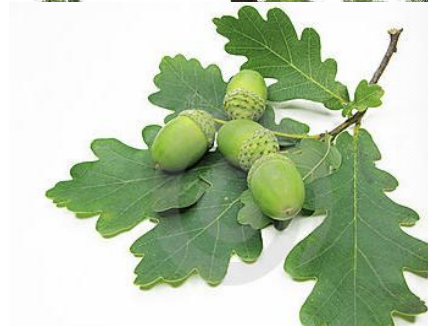
Oak
What type of tree, in the genus Quercus, contains gallotannins, tannic acid, pyrogallol, and phenolic acid? Toxins are more concentrated in the spring and in young plant material. Tannins are astringents and cause cell protein denaturing, and signs occur both acute and chronic, with transient elimination of red-brown urine.
Hematuria
What renal clinical sign will be seen with anticoagulant rodenticides, chlorate, mercury, monensin, phenylbutazone, bracken fern, buttercup, St. John’s wort, onion, red maple, and field mustard toxicity?
Ochratoxin A
What mycotoxin is produced from Aspergillus and Penicillium, and is nephrotoxic, neurotoxic, immunotoxic, and carcinogenic in several animals and humans, causing chronic kidney damage?
Citrinin
Which mycotoxin is nephrotoxic, hepatotoxic, and carcinogenic?