AP Bio Unit 6
 Call Kai
 Learn
 Practice Test
 Spaced Repetition
 Match
 Flashcards
 Knowt Play
1/46

Earn XP
Description and Tags
a little bit painful..... but I added a bit of color and joy to make it better
47 Terms
Purines
Double-ring nitrogenous bases (adenine, guanine)

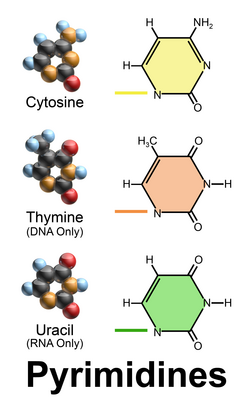
Pyrimidines
Single-ring nitrogenous bases (uracil, thymine, cytosine - UTC)
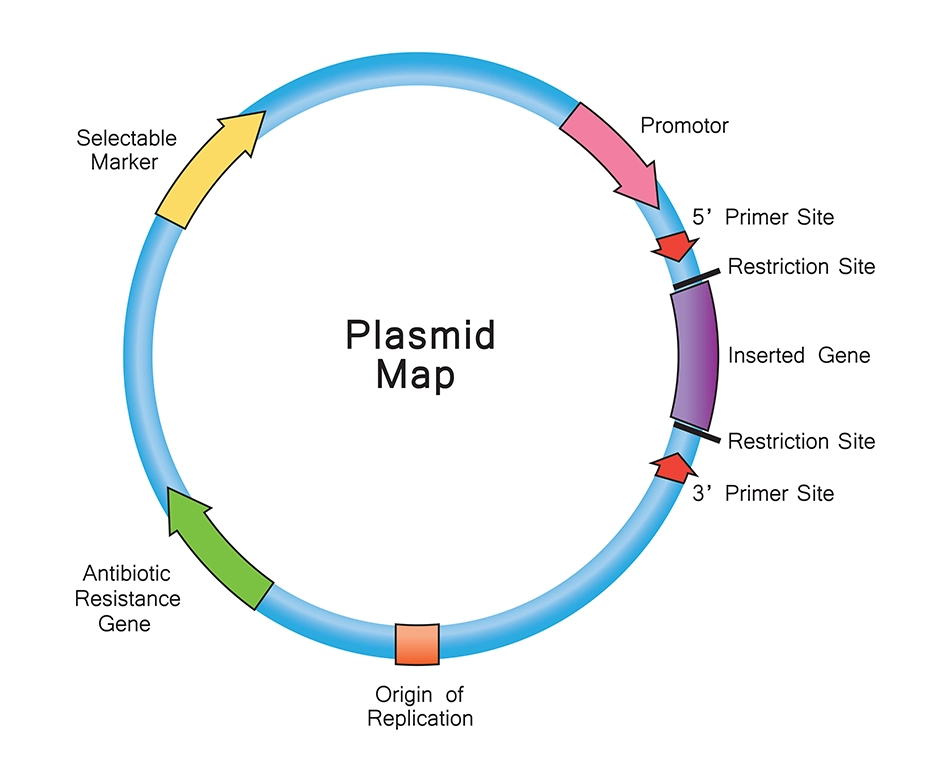
Plasmids
Circular DNA not part on any chromosome, found in proks
Deoxyribose vs Ribose
Deoxyribose - DNA
Ribose - RNA
Ribose has an OH- group at 2’
Think: “(de-oxy)genated” = missing oxygen

Transcription (basic)
Complimentary mRNA produced using the DNA as a template
Think: Printer making a copy to be used

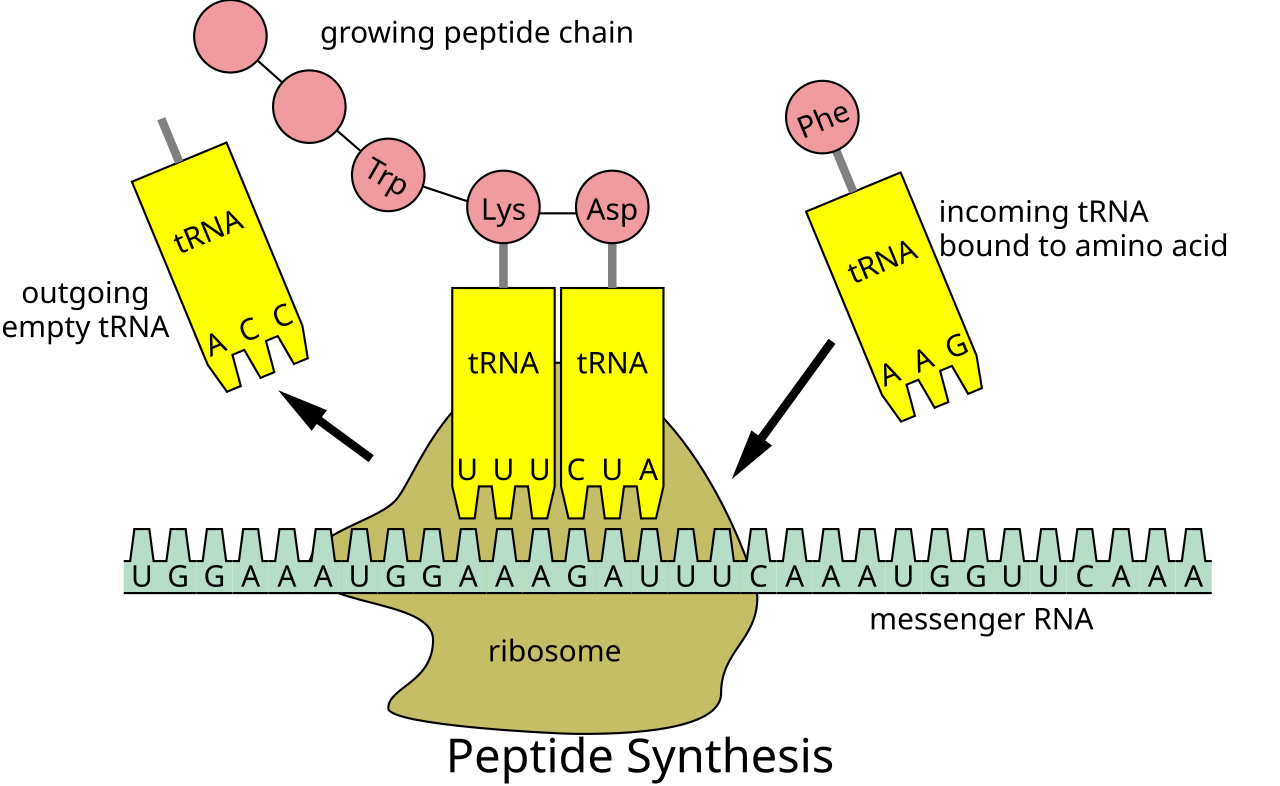
Translation (basic)
mRNA is sent to ribosome so that it can be used to create a polypeptide chain based on its sequence

tRNA
During translation, pairs complimentary bases to mRNA (anticodon) and carries a corresponding amino acid
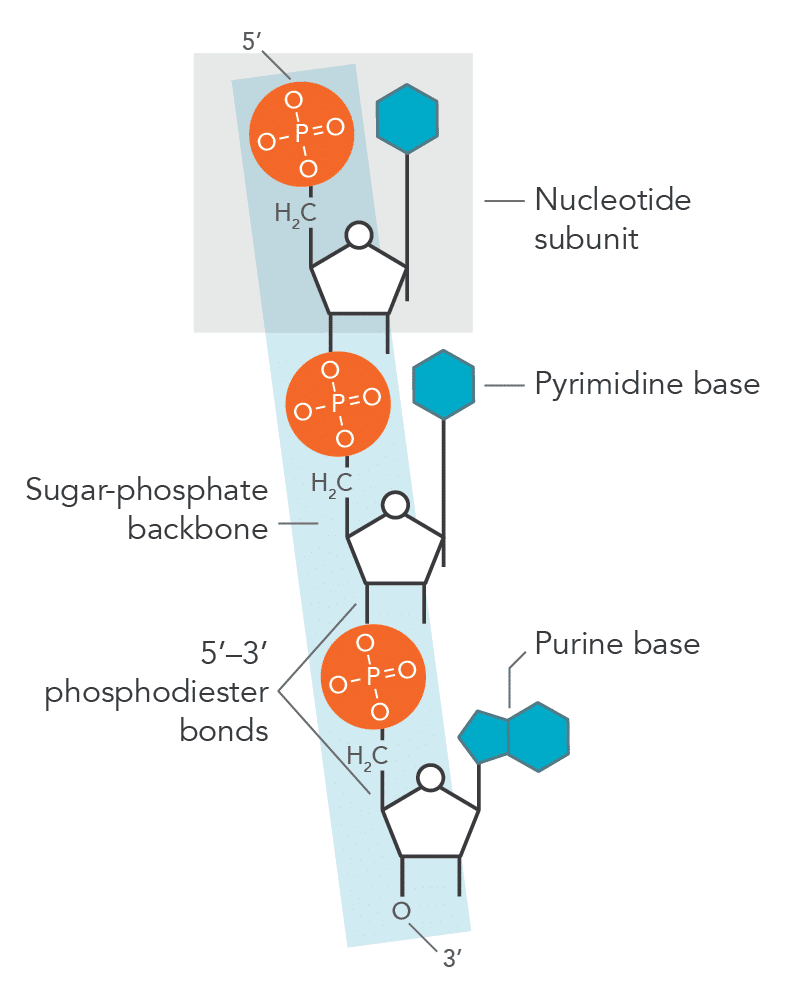
5-carbon sugars
Part of DNA and RNA. Carbons counted clockwise, 1’ to 5’
Attaches to other sugars on the 3’ carbon!

Phosphodiester bonds
Covalent bonds of the connected sugar and phosphate groups that made the “sides” of the DNA ladder
mRNA processing
ONLY in euks. In nucleus.
GTP cap and poly-A tail are added to the ends, and certain parts are spliced and removed

Introns and Exons
In mRNA splicing, introns are non-coding parts that are REMOVED, while exons are KEPT

DNA replication
INITIATION
Helicasespilts strands apart
Topoisomerase prevents DNA at replication fork from being too wound up
Primase adds RNA primers to strands
ELONGATION
DNA polymerase binds to primers and starts DNA replication
TERMINATION
RNA primers eventually replaced w/ DNA by another type of DNA polymerase
Ligase glues together fragments of the DNA strand

Leading vs Lagging Strands
Leading strand: DNA polymerase follows helicase path during replication so that the strand is unbroken
Lagging strand: DNA polymerase goes the opposite direction and has to keep stopping and starting, creating fragments
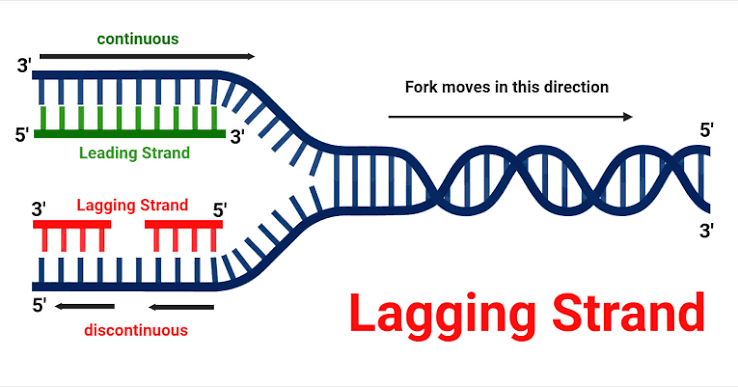
Okazaki fragments
Fragments in the lagging strand during DNA replication caused by the DNA polymerase not following the direction the DNA is being opened

Helicase
Enzyme that unzips DNA during DNA replication

Topoisomerase
Enzyme that prevents the DNA ahead of the replication fork from supercoiling - smooths it out

Ligase
Enzyme that joins DNA fragments together at the end of DNA replication

3’ and 5’
Ends of DNA are 3’ and 5’, going in opposite directions
DNA and RNA polymerase go 3’ to 5’ but the strand they make is made from 5’ to 3’ because the new strand is antiparallel to the template strand

Primase
Adds RNA primers during DNA replication to mark where the DNA polymerase will start

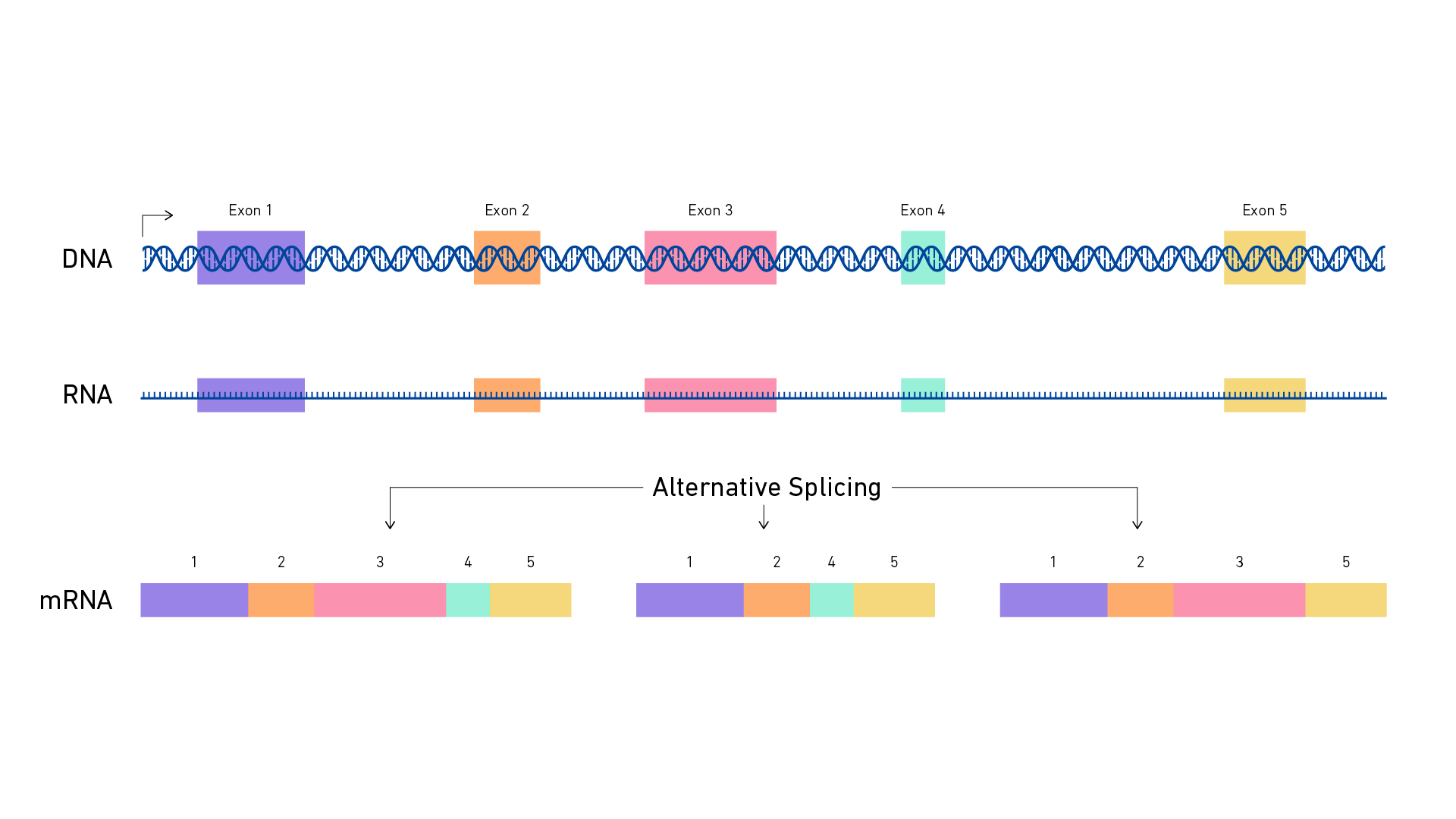
Alternative splicing
A way mRNA can be changed without changing the DNA post-transcription. The same pre-mRNA has parts removed and kept differently that result in different proteins
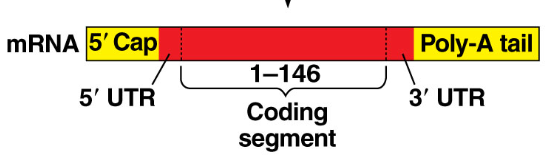
GTP cap
Added to 5’ end of mRNA in euks during mRNA processing. Helps with ribosomal recognition
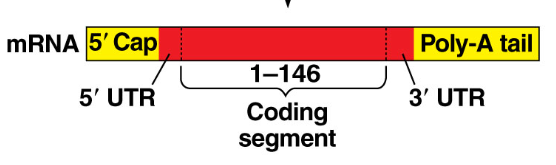
poly-A tail
Added to 3’ end of mRNA in euks during mRNA processing. Stabilizes mRNA
rRNA
Ribosomal RNA. Makes up ribosomes

Transcription (euks)
INITIATION
Transcription factors bind to TATA box in promoter region (DNA sequence)
RNA polymerase binds to promoter
ELONGATION
RNA polymerase builds mRNA strand from template DNA
TERMINATION
RNA polymerase transcribes terminator sequence in DNA
mRNA detaches, now pre-mRNA
mRNA PROCESSING and SPLICING
GTC cap added to 5’ end, poly-A tail added to 3’ end
Introns removed, exons kept

Transcription (proks)
Same as euks except:
INITIATION: RNA polymerase binds directly to promoter in DNA
TERMINATION: mRNA is produced at the end ready to use
No mRNA processing!
Translation
INITIATION
Initiator tRNA binds to start codon on mRNA (‘Met’ amino acid)
On P-site
ELONGATION
tRNA anticodon matches codons on mRNA
On A-site
Amino acids brought by tRNA form peptide bonds
Repeat! Codons move A → P → E sites
TERMINATION
Stop codon reached, polypeptide released

Point Mutations
Alters 1 base pair of a gene
Missense mutation
Amino acid is replaced by another (type of point mutation)
Nonsense mutation
Stop codon is coded too early, leading to incomplete amino acid sequence (type of point mutation)

Frameshift mutation
Nucleotides added or deleted, shifting all nucleotides downstream of the mutation

Silent mutation
Alteration in nucleotide that doesn’t change amino acid sequence

Large scale mutations
Chromosomal mutations, ex. wrong # of chromosomes

Horizontal gene transfer
Proks get genes from other proks instead of passing them down
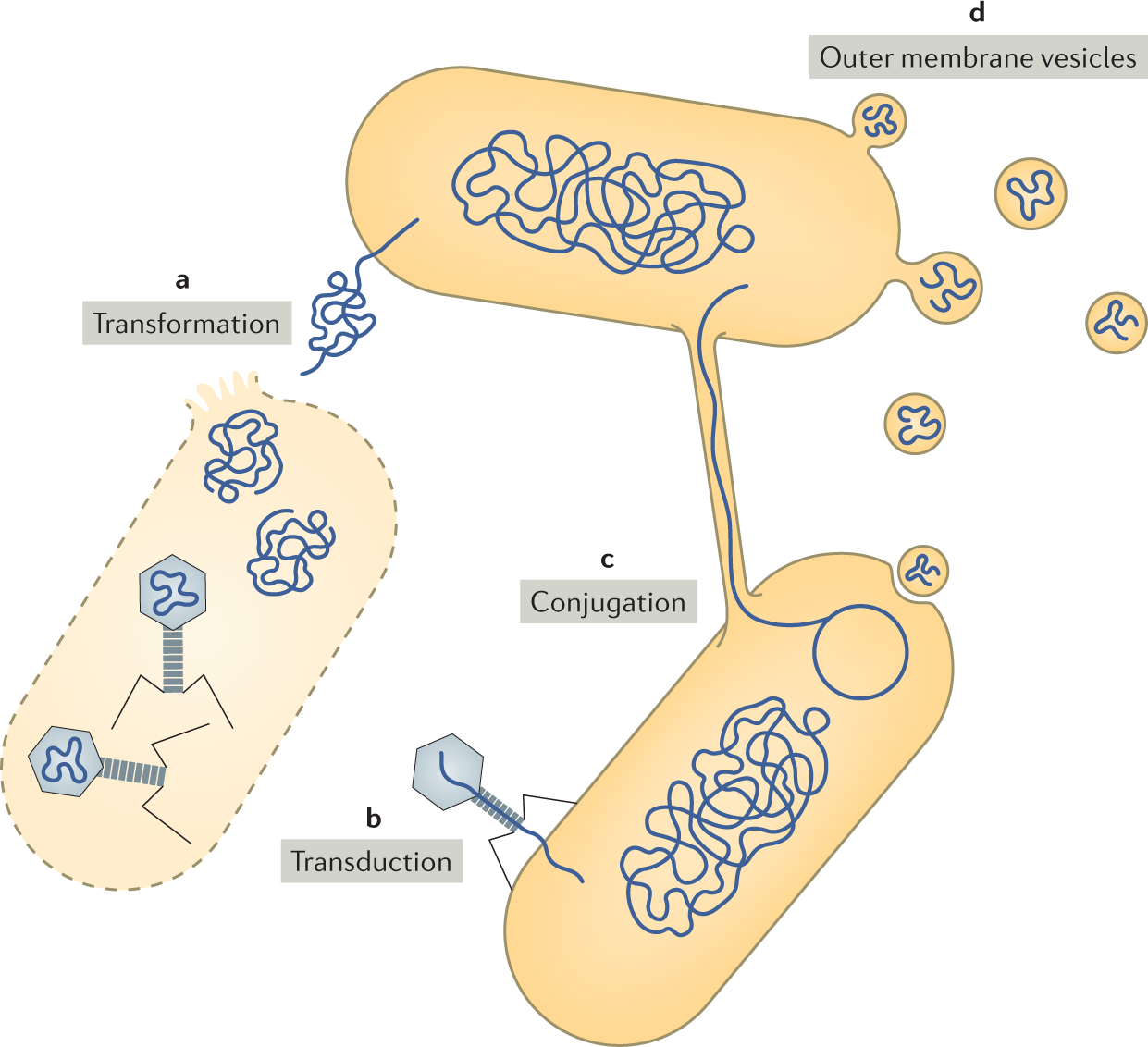
Transformation
Proks/bacteria take in plasmid from environment and start expressing that gene

Conjugation
Proks/bacteria DIRECTLY exchange plasmids through a pilus (tube)

Transposition
Movement of segments known as transposons between DNA molecules
Transduction
Virus transfers a gene from an old host to a new host, can cause recombination of genes

Gene expression
Not every gene is expressed all the time - phenotype determined by which genes are turned on
Cell differentiation/specialization
Cells have different gene expression, which leads to them becoming different cells

Transcription factors
Molecules that bind to DNA, controls rate of transcription

Epigenetic regulation
Environmental factors affecting gene expression
THINK: “E” for environmental
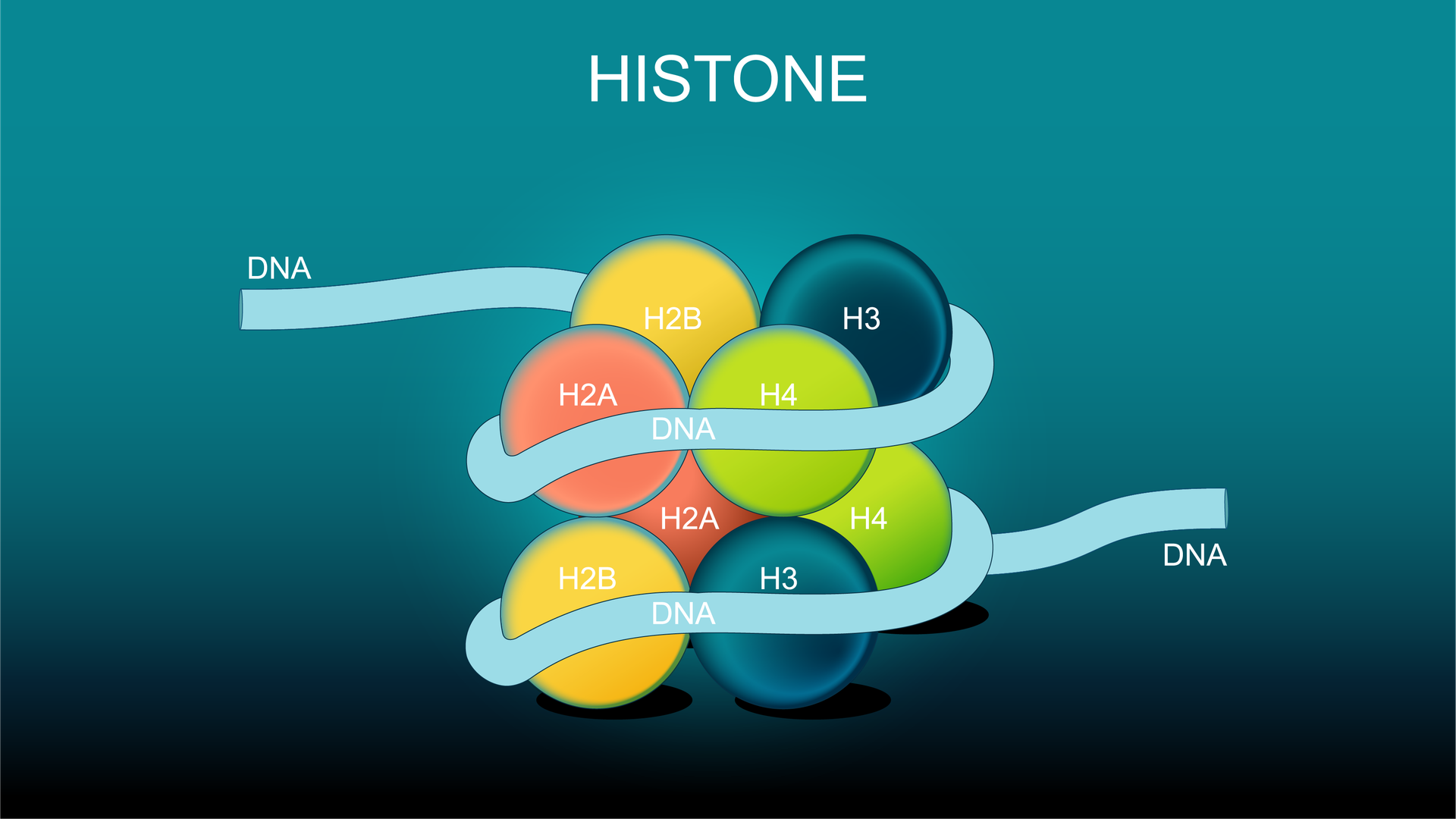
Packing of DNA
How tightly DNA is packed (wrapped around histones) changes transcription
Too tight = transcription can’t occur, genes turned OFF
DNA methylation
Blocks transcription factors, genes turned OFF

Histone acetylation
Unwinds DNA, enabling transcription
Genes turned ON

Promoter
Nearby control sequence on DNA
Where RNA polymerase and transcription factors bind

Enhancer
Distant control sequences on DNA where activators can bind and increase rate of transcription

siRNA
= Small interfering RNAs
“Death” tag for mRNA, destroys mRNA and silences gene turning it OFF