Art and Architecture in the Premordern World: Midterm 2 Study Guide
 Call Kai
 Learn
 Practice Test
 Spaced Repetition
 Match
 Flashcards
 Knowt Play
1/68

There's no tags or description
Looks like no tags are added yet.
69 Terms
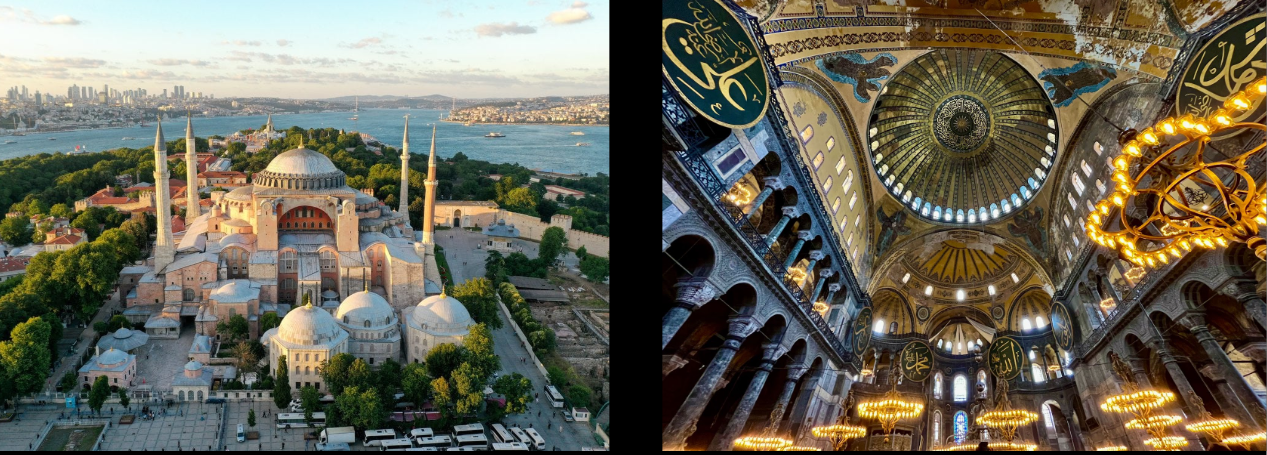
ID and fun fact
Hagia Sophia, 6th century CE, Istanbul (Constantinople). Dome has illusion of floating.

ID and fun fact
Mosaics of Justinian and Theodora, San Vitale Basilia, 6th century, Ravenna, Italy. They never visited the basilica.

ID and fun fact
Mosaics of Byzantine Emperors, Hagia Sophia, 11th century, Istanbul (Constantinople), Turkey. Gold ground.
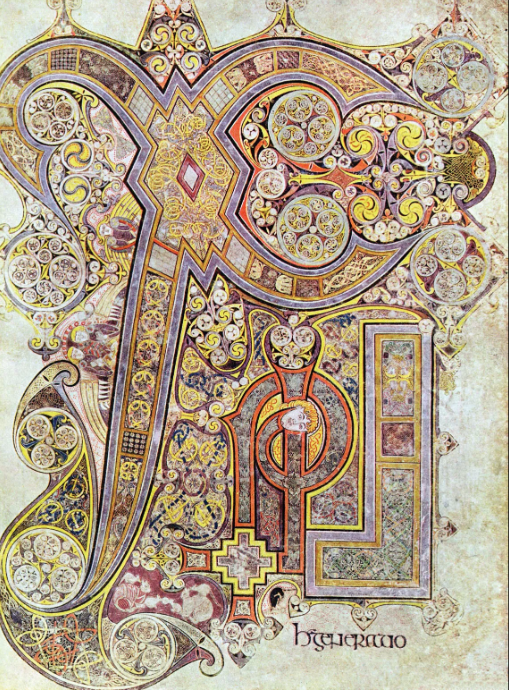
ID and fun fact
The Book of Kells, 800 CE, Ireland. Vellum.

ID and fun fact
The Lindisfarne Gospels, 700 CE, England. Made in monastery.

ID and fun fact
Sutton Hoo Purse Lid, 600 CE, England. Originally laid in whale bone.

ID and fun fact
Sutton Hoo Gold Belt Buckle, 600 CE, England. Bird and snake interlace.

ID and fun fact
Drunk Old Woman, 300 BCE, Greece. Hellenistic style.

ID and fun fact
Augustus Prima Porta, 1st century CE, Rome, Italy. Mimics Greek sculpture.

ID and fun fact
Doryphoros (Spear Bearer), 5th century BCE, Greece. Classical style.

ID and fun fact
Pantheon, 2nd century CE, Italy. Oculus at top.

ID and fun fact
Parthenon, 5th century BCE, Greece. Dedicated to goddess Athena
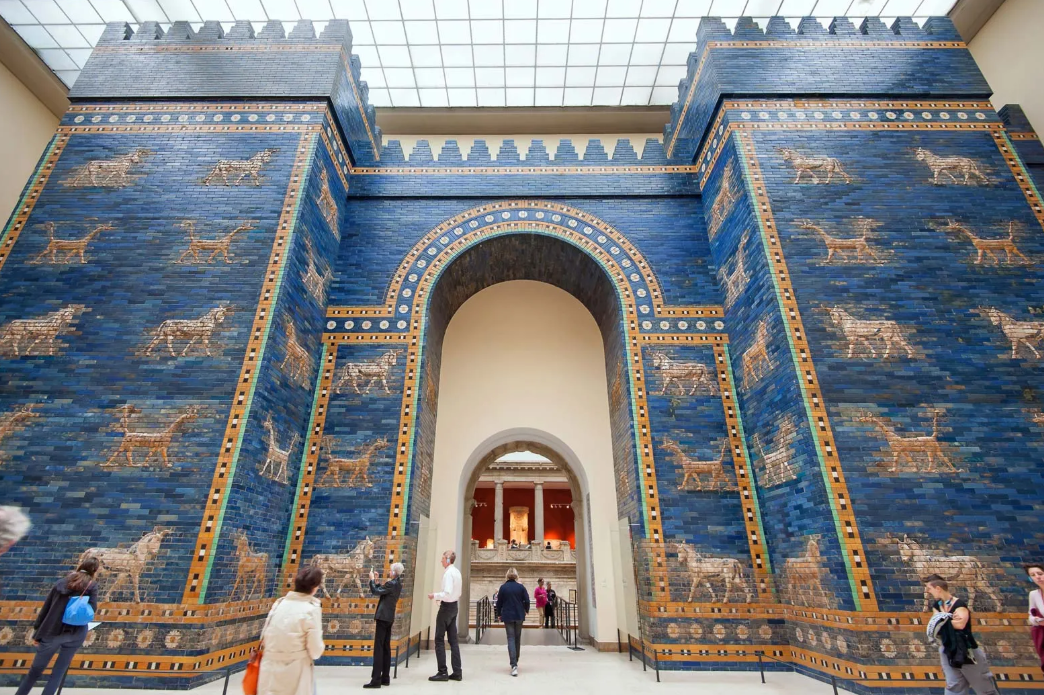
ID and fun fact
Ishtar Gate, 6th century BCE, Iraq. Glazed tile.

ID and fun fact
Assyrian King Ashurnasirpal II, 9th century BCE, Iraq. Cuneiform inscription.

ID and fun fact
Lamassu, 9th century BCE, Iraq. Guards entryways

ID and fun fact
Ziggurat of Ur, 2,100 BCE, Iraq. Originally had upper structures.

ID and fun fact
Book of the Dead, 1,300 BCE, Egypt. Displays funerary practices.

ID and fun fact
Menkaure and Queen, 2,500 BCE, Egypt. Unfinished Dyad.
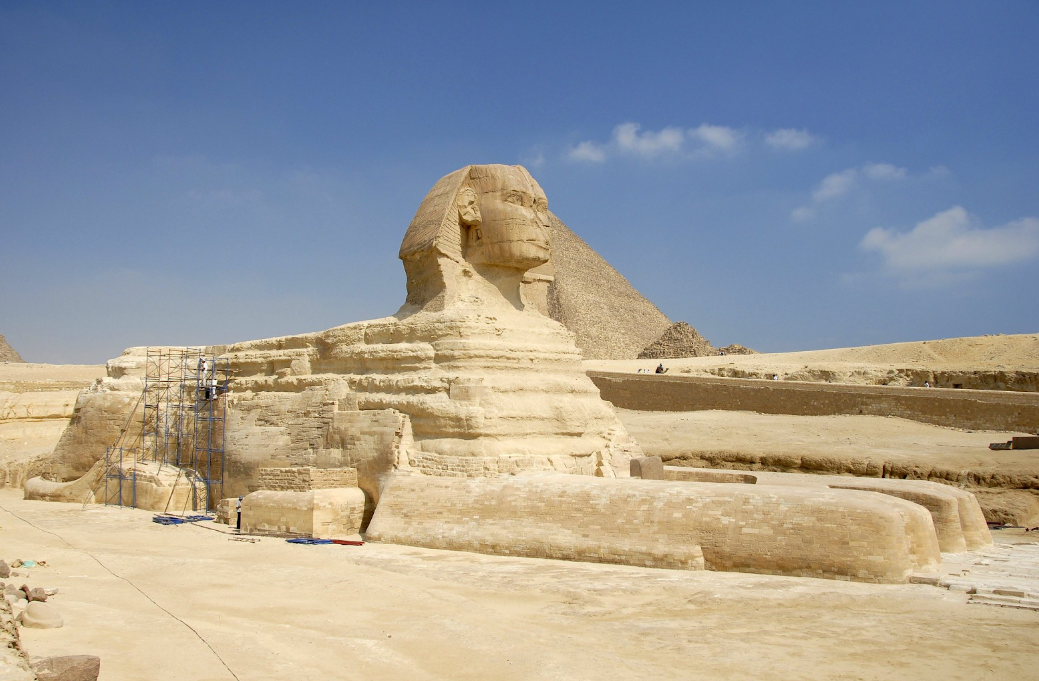
ID and fun fact
Great Sphinx, 2,500 BCE, Egypt. Attached to tomb.

ID and fun fact
Khafre Enthroned, 2,500 BCE, Egypt. Carved from one block.
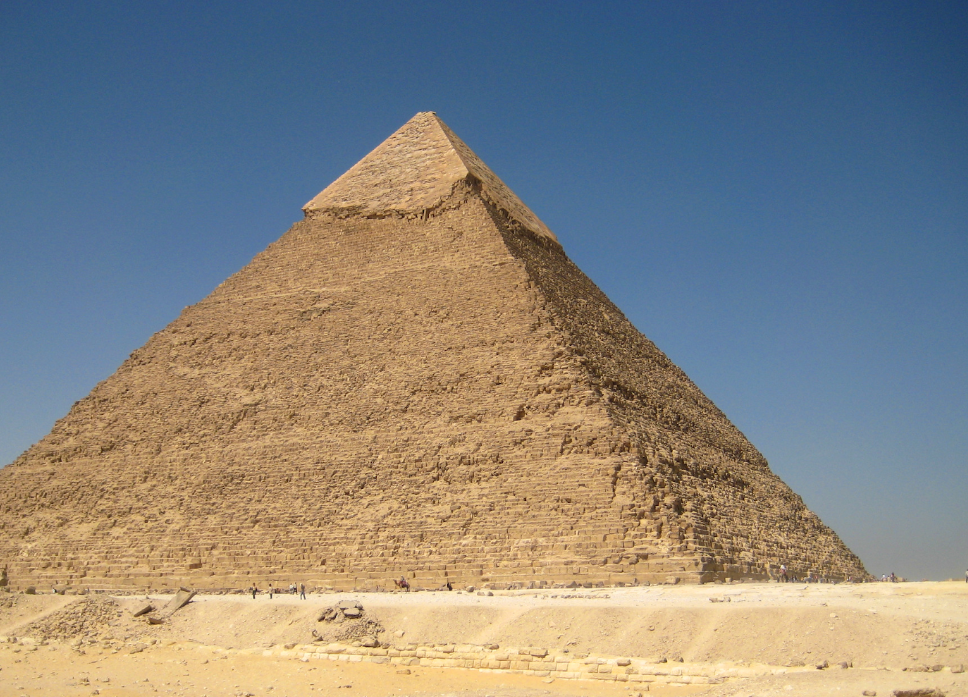
ID and fun fact
Pyramid of Khafre, 2,500 BCE, Egypt. Designed to look taller than it is.

ID and fun fact
Maeshowe, 2,800 BCE, Scotland. Underground burial chamber.

ID and fun fact
Stonehenge, 2,500 BCE, England. Calendric/solstice significance,

ID and fun fact
Venus of Willendorf, 22,000 BCE, Austria. Likely represents fertility.

ID and fun fact
Lion-Man, 40,000 BCE, Germany. Ivory.

ID and fun fact
Chauvet France, 30,000 BCE. Blown charcoal.

ID and fun fact
Lascaux France 15,000 BCE. Composite perspective.

ID and fun fact
Icon of Theotokos (Mother of God) and Child, 7th century CE Mount Sinai, Egypt. Made with wax.

ID and fun fact
Dome of the Rock, 7th century, Jerusalem. Inspired by Byzantine architecture.
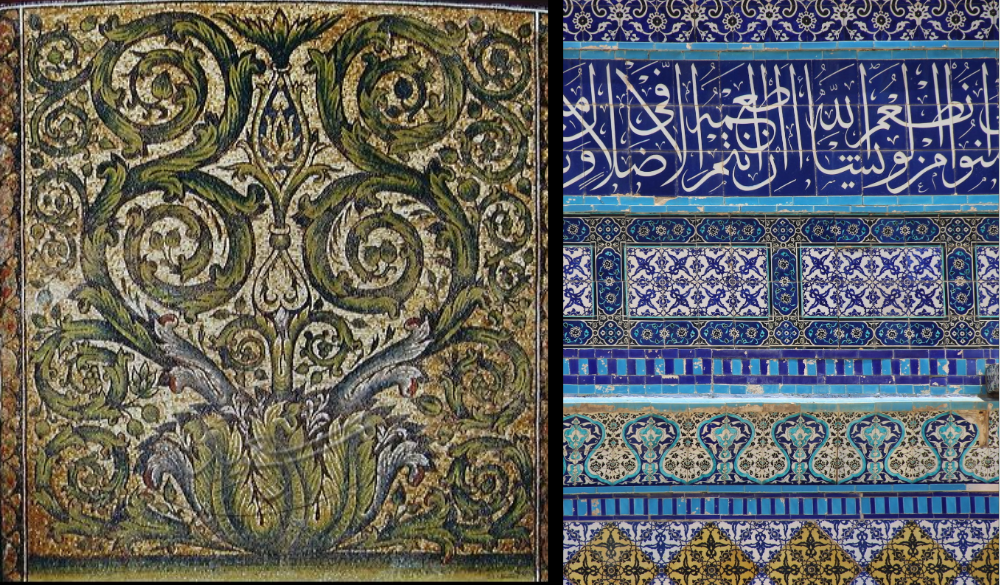
ID and fun fact
Details of mosaics and tiles, Dome of the Rock, 7th century, Jerusalem. Glass and gold tesserae.

ID and fun fact
Qur’an folio, 10th century, Tunisia. Kufic calligraphy.

ID and fun fact
The Great Mosque of Cordoba, 8th-10th centuries, Cordoba, Spain. Now a Catholic Cathedral.

ID and fun fact
Mihrab from the Great Mosque of Cordoba, 10th century, Cordoba, Spain. Octagonal room.
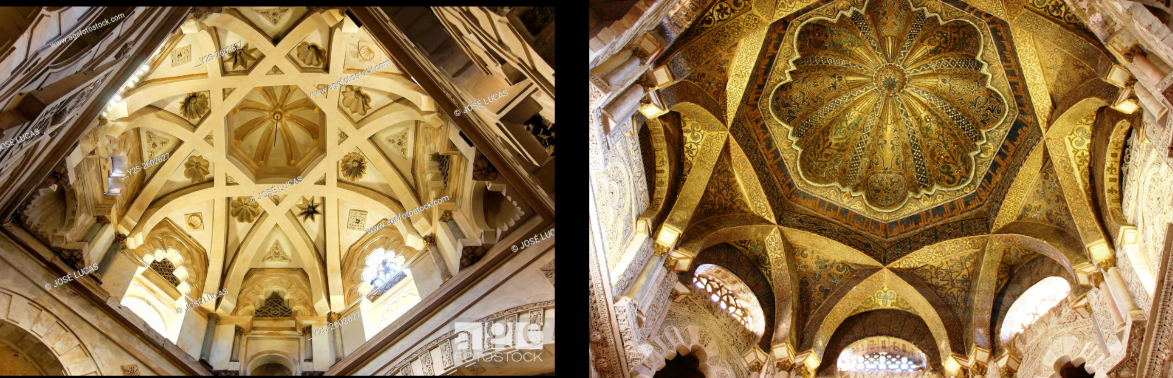
ID and fun fact
Vaults from maqsura of Great Mosque of Cordoba, 10th century, Cordoba, Spain. Cross-arched.
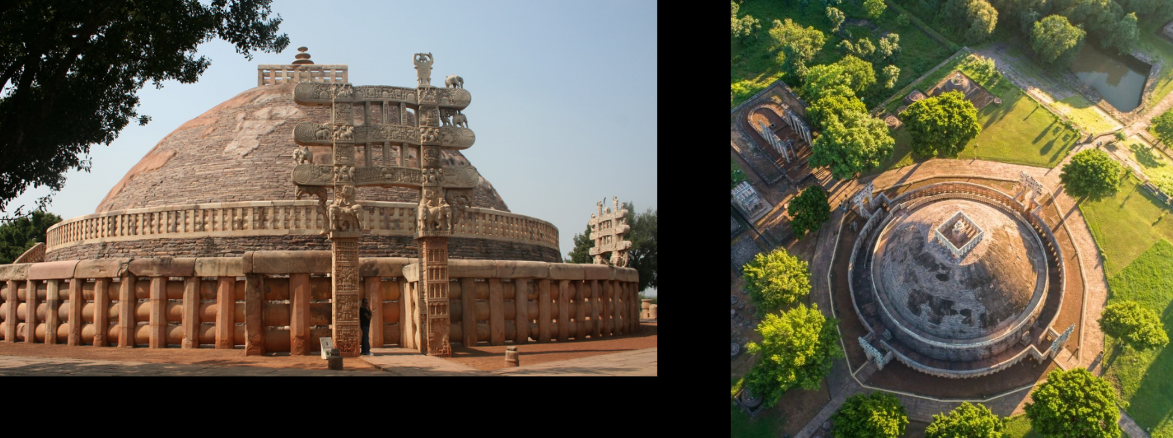
ID and fun fact
Great Stupa at Sanchi, 3rd Century BCE, India. Reliquary.
ID and fun fact
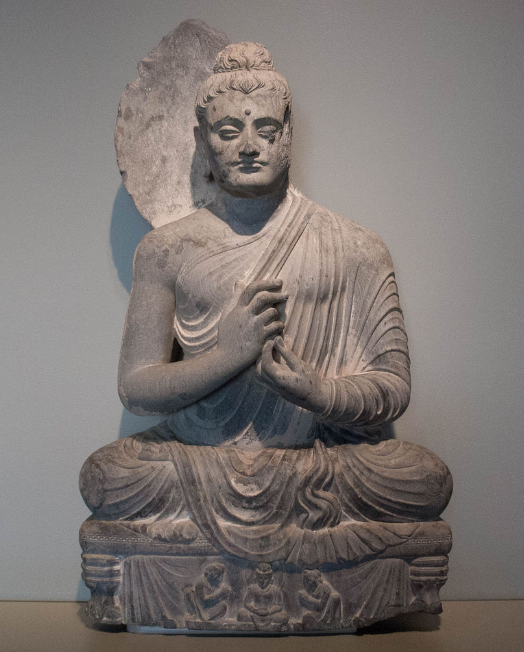
Seated Buddha, 3rd-4th century, Pakistan. Sun disc behind.

ID and fun fact
Fasting Buddha, 3rd-4th century, Pakistan. Depicts pre-enlightenment Historical Buddha.
ID and fun fact
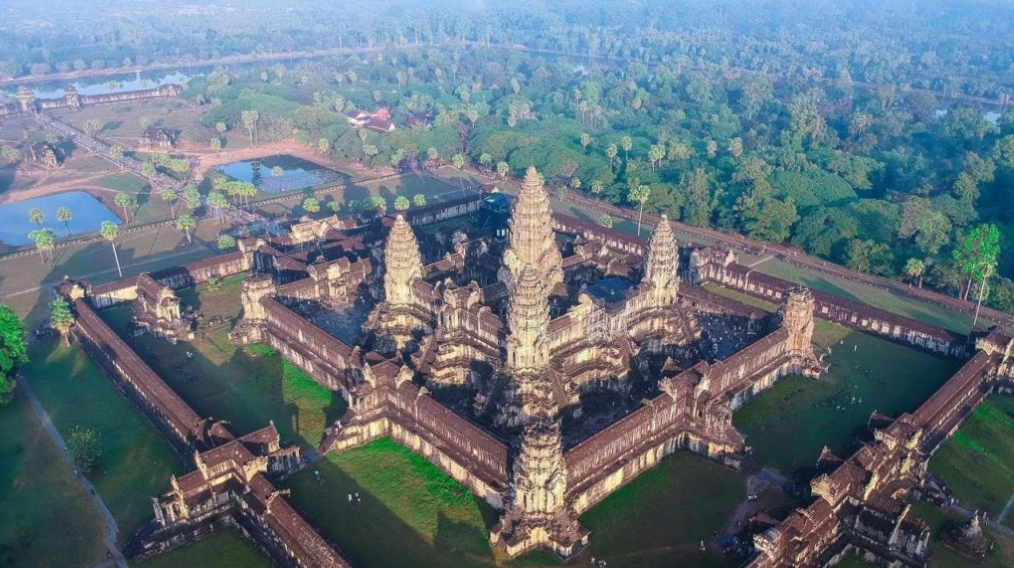
Angkor Wat, 12th century, Cambodia. Largest religious complex in the world.

ID and fun fact
Churning of the Ocean of Milk, Angkor Wat, 12th century, Cambodia. Low relief.

ID and fun fact
The Great Buddha, 8th century, Nara, Japan. Bronze.
ID and fun fact
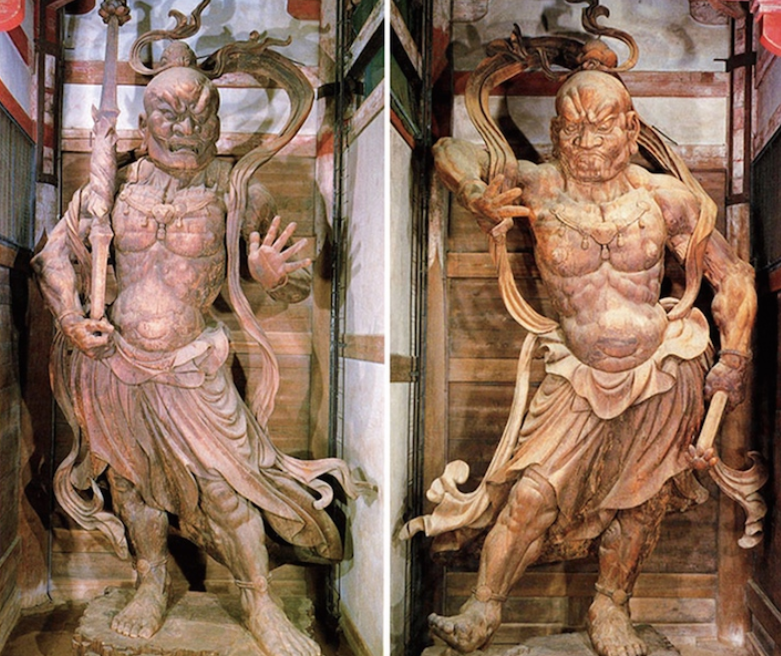
Ungyo and Agyo, 13th century, Nara, Japan. Temple guardians.

ID and fun fact
Horyuji Temple, 8th century, Nara, Japan. Oldest surviving wooden buildings.

ID and fun fact
Ani Cathedral, 11th century, Ani, Greater Armenia, modern Turkey. Partially collapsed.

ID and fun fact
Khachkar, 13th century, Lori, Armenia. Interlace frame.

ID and fun fact
Gospels of T’oros Roslin, 13th century, Cicilian Armenia. Uses lapis lazuli.

ID and fun fact
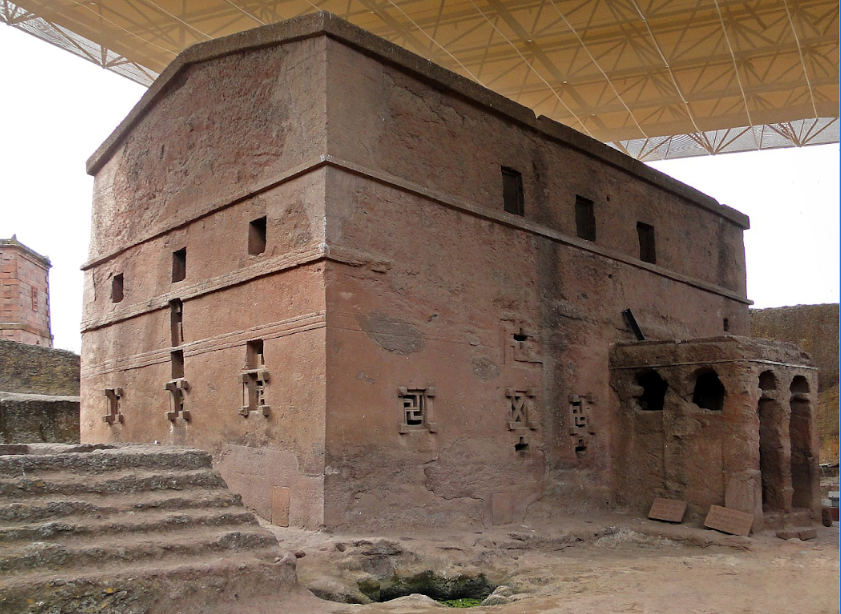
Bete Giyorgis, 13th Century, Lalibela, Ethiopia. Rock-hewn.
ID and fun fact
Bete Maryam, 12th-13th century, Lalibela, Ethiopia. Rock-hewn.

ID and fun fact
Relief from Facade of Bete Maryam, 12-13th century, Lalibela, Ethiopia. Horsemen slay dragon.

ID and fun fact
Diptych of Virgin and Child, Apostles, and Saint, 15th century, Ethiopia. St. George on bottom right.

ID and fun fact
Temple of Kukulkan, 11th century, Chichén Itzá, Mexico. Step-pyramid.
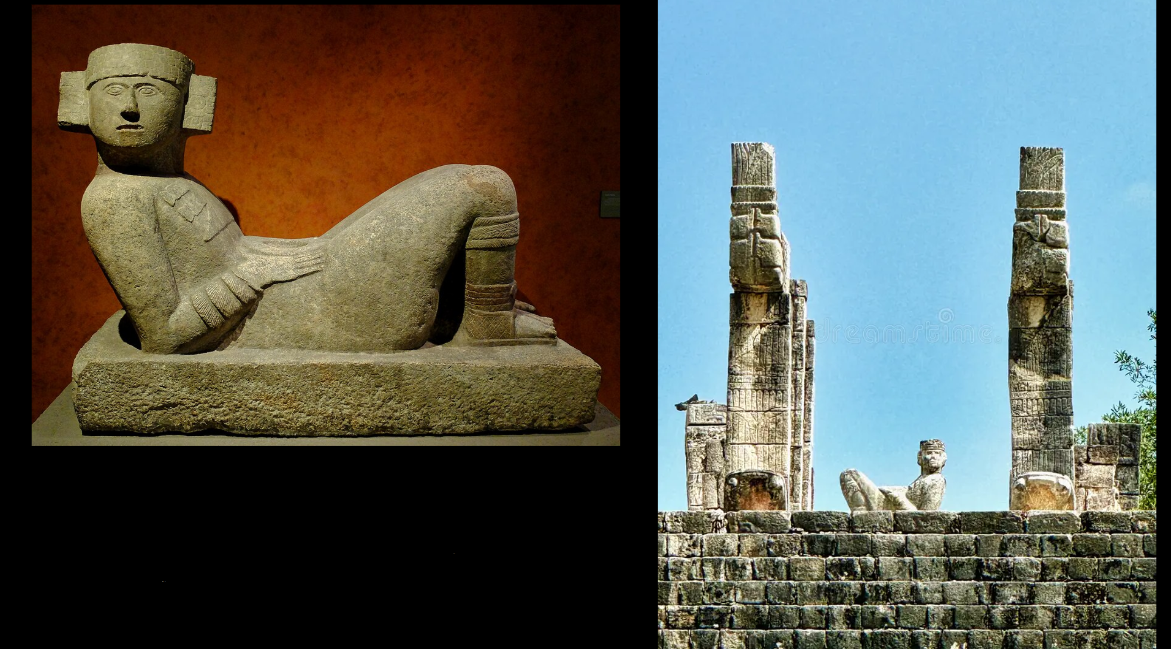
ID and fun fact
Chacmool from Temple of the Warriors, 11th century, Chichen Itza Mexico. Holds bowl for sacrifices.
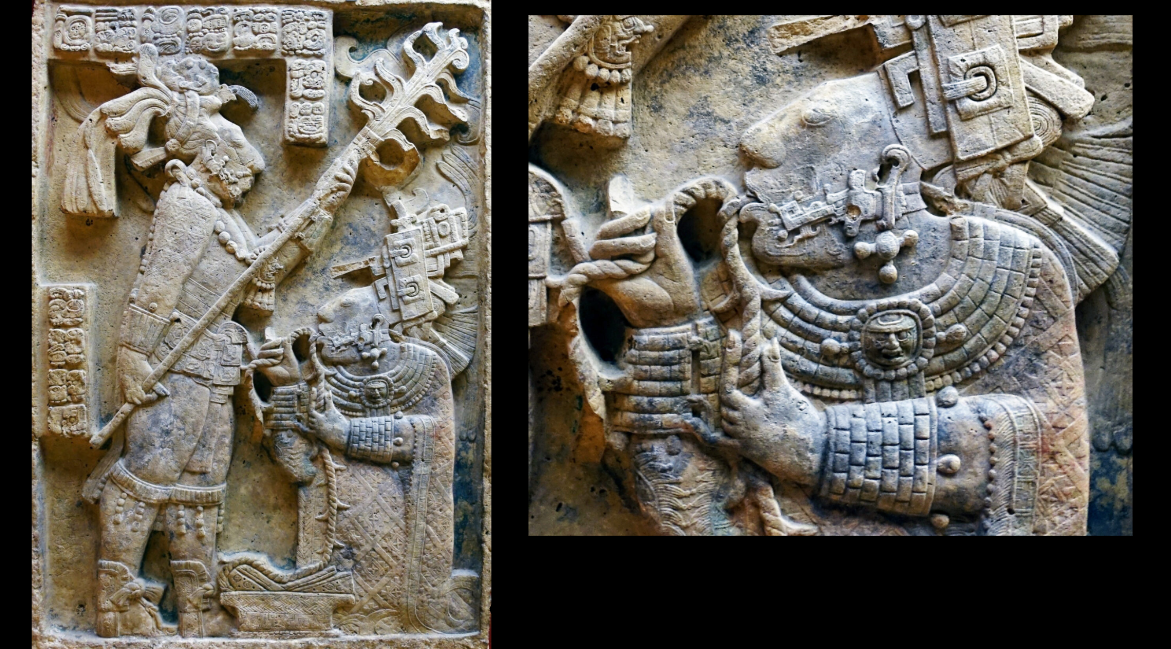
ID and fun fact
Lady Xook and Shield Jaguar II, 7th century, Mexico. Depicts bloodletting ritual.

ID and fun fact
Códice Maya de México, 12th century, Mexico. Made with bark.
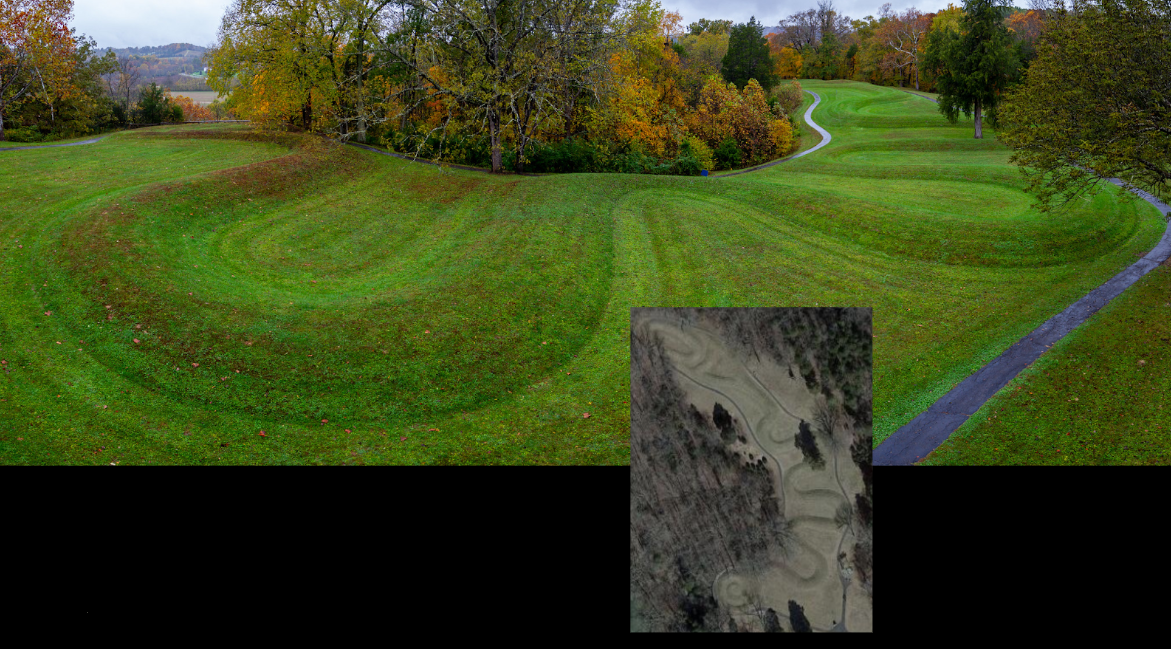
ID and fun fact
Great Serpent Mound, 11th century, Ohio. Likely made by Fort Ancient Culture.

ID and fun fact
Cahokia (Monks’ Mound), 11th century, Collinsville, Illinois. Platform mound.

ID and fun fact
Cliff Palace, 5th-14th centuries, Mesa Verde National Park, Colorado. Largest cliff dwelling in North America.
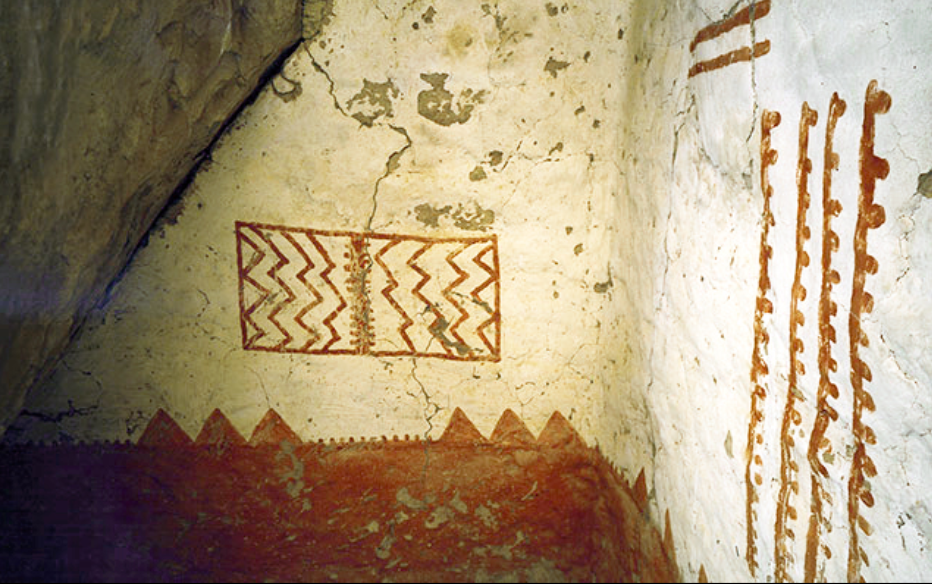
ID and fun fact
Mural 30, Cliff Palace, 5th-14th centuries, Mesa Verde National Park, Colorado. Depicts landscape.

ID and fun fact
Notre-Dame de Paris, 12th-13th century, Paris, France. High gothic style.

ID and fun fact
Last Judgement Portal, Notre-Dame de Paris, 12th century, Paris, France. Demon tries to cheat scales.

ID and fun fact
Sainte-Chapelle, 13th century, Paris, France. Reliquary.

ID and fun fact
Alhambra, 14th century, Granada, Spain. Marble columns.

ID and fun fact
Alhambra, 14th century, Granada, Spain. Muqarnas vaulting.

ID and fun fact
Alhambra, 14th century, Granada, Spain. Uses cobalt blue.

ID and fun fact
Pyxis of al-Mughira, 10th century, Cordoba, Spain. Ivory.

ID and fun fact
Lusterware dishes, 15th century, Valencia, Spain. Metallic glaze.

ID and fun fact
Noravank Monastery, 13th century, Armenia. Built with local rock.
ID and fun fact
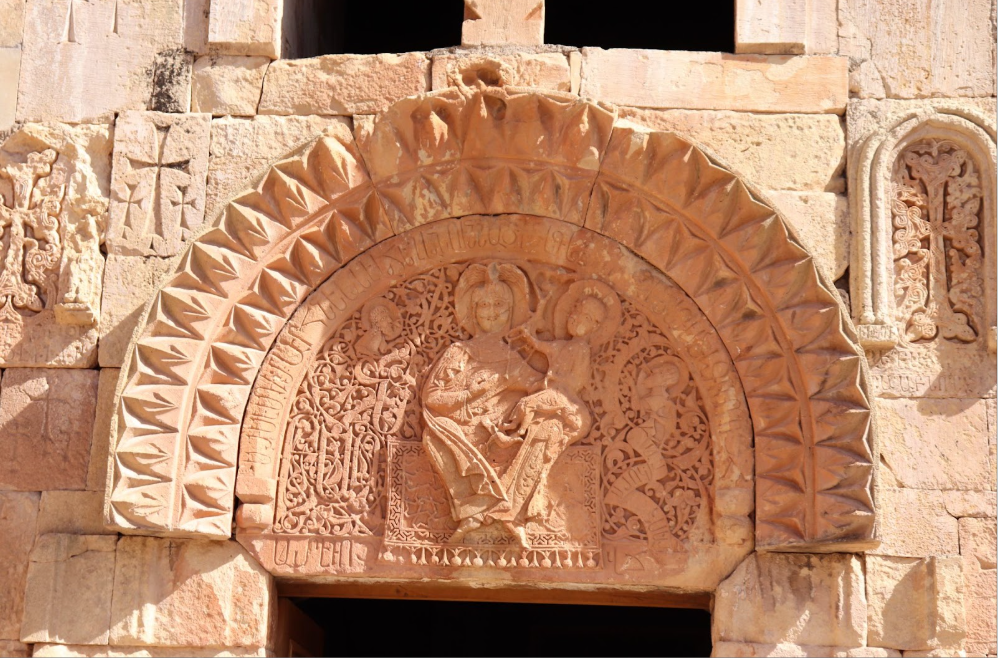
Tympanum of Surb Karapet (St. John the Baptist), Noravank Monastery, 13th century, Armenia. Writing woven into interlace.

ID and fun fact
Night Attack on the Sanjo Palace, 13th century, Japan. “Men’s painting” style.