A. Introduction to J. Alkaloidal amine
 Call Kai
 Learn
Learn Practice Test
 Spaced Repetition
 Match
Match Flashcards
 Knowt Play
1/154

Earn XP
Description and Tags
Proverbs 16:3
Name | Mastery | Learn | Test | Matching | Spaced | Call with Kai | Chat |
|---|
No analytics yet
Send a link to your students to track their progress
155 Terms
b. Presence of nitrogen
The chemical nature of alkaloids that makes them basic
a. Presence of oxygen
b. Presence of nitrogen
c. Presence of sulfur
d. Presence of carbon
d. Bitter
The taste characteristic of alkaloids
a. Sweet
b. Sour
c. Salty
d. Bitter
c. Amino acids
The usual precursor of alkaloids
a. Fatty acids
b. Sugars
c. Amino acids
d. Terpenoids
b. Sparteine, Coniine, Arecoline, Nicotine
The four liquid alkaloids abbreviated as SCAN
a. Strychnine, Cocaine, Atropine, Nicotine
b. Sparteine, Coniine, Arecoline, Nicotine
c. Scopolamine, Cocaine, Atropine, Nicotine
d. Sparteine, Codeine, Arecoline, Nicotine
a. solid
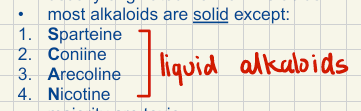
Most alkaloids are
a. solid
b. liquid
amino acid- precursor of alkaloid (toxic to body since we have AA in our body) so the target is not specific
Why is the majority of alkaloids toxic
c. True alkaloid

The type that contains a nitrogen heterocycle AND is derived from amino acids
a. Proto alkaloid
b. Pseudo alkaloid
c. True alkaloid
d. All of the above
b. Pseudo alkaloid
The type that contains a nitrogen heterocycle but is NOT derived from amino acids
a. Proto alkaloid
b. Pseudo alkaloid
c. True alkaloid
d. All of the above
a. Proto alkaloid
The type that has NO nitrogen heterocycle but IS derived from amino acids
a. Proto alkaloid
b. Pseudo alkaloid
c. True alkaloid
d. All of the above
d. Ornithine
The precursor of Pyridine-Piperidine alkaloids
a. Tyrosine
b. Tryptophan
c. Histidine
d. Ornithine
d. Cystisus scoparius
The scientific name of Scotch broom
a. Conium maculatum
b. Lobelia inflata
c. Nicotiana tobacum
d. Cystisus scoparius
a. sparteine &
d. cystisine
Scotch broom constituents used for smoking cessation
a. sparteine
b. lobeline
c. nicotine
d. cystisine
c. Smoking cessation
The pharmacological use of cystisine from Scotch broom (Cystisus scoparius)
a. Insecticide
b. Local anesthetic
c. Smoking cessation
d. Oropharyngeal cancer
c. Conium maculatum
The scientific name of Poison hemlock
a. Areca catechu
b. Cystisus scoparius
c. Conium maculatum
d. Nicotiana tobacum
d. Coniine
The active constituent of Poison hemlock
a. Sparteine
b. Nicotine
c. Lobeline
d. Coniine
c. Type of poison used in death sentence of Socrates
The historical significance of coniine from Poison hemlock
a. First smoking cessation drug
b. Used as local anesthetic
c. Type of poison used in death sentence of Socrates
d. Used for oropharyngeal cancer
d. Areca catechu
The scientific name of Betel nut
a. Conium maculatum
b. Nicotiana tobacum
c. Lobelia inflata
d. Areca catechu
c. Arecoline
The active constituent of Betel nut
a. Nicotine
b. Lobeline
c. Arecoline
d. Coniine
c. Nga-nga
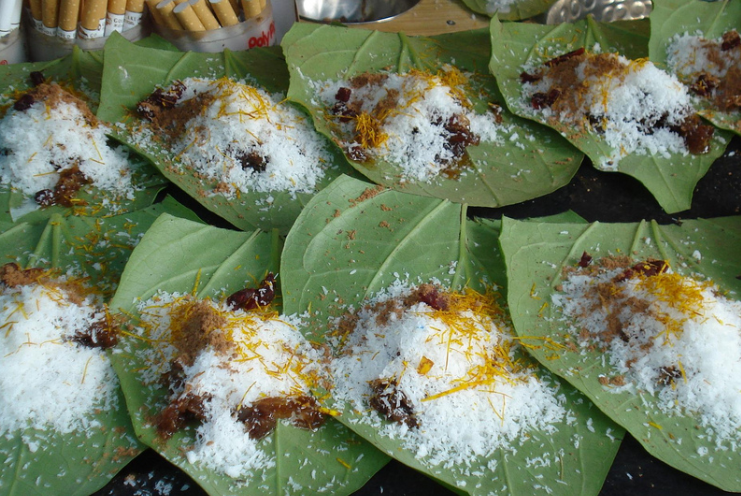
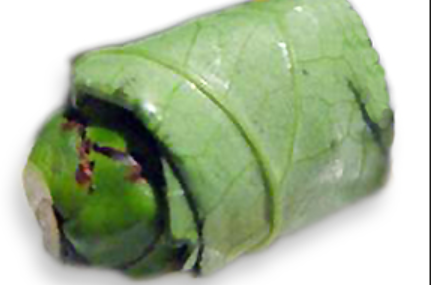
The local name of Betel nut
a. Tanglad
b. Talumpunay
c. Nga-nga
d. Chichirica
d. Arecatannin
The constituent of Betel nut responsible for causing oropharyngeal cancer
a. Arecoline
b. Nicotine
c. Sparteine
d. Arecatannin
d. Nicotiana tobacum
The scientific name of Tobacco
a. Lobelia inflata
b. Areca catechu
c. Cystisus scoparius
d. Nicotiana tobacum
c. Nicotine
The active constituent of Tobacco
a. Lobeline
b. Arecoline
c. Nicotine
d. Sparteine
d. Smoking cessation
The pharmacological use of nicotine
a. Local anesthetic
b. Insecticide
c. Oropharyngeal cancer
d. Smoking cessation
c. Nicoderm
Nicoderm: patch
Nicorette: gum
The brand name of the nicotine patch
a. Bantron
b. Nicorette
c. Nicoderm
d. Lobelin
c. Nicorette
Nicoderm: patch
Nicorette: gum
The brand name of the nicotine gum
a. Nicoderm
b. Bantron
c. Nicorette
d. Lobelin
d. Lobelia inflata
The scientific name of Indian tobacco
a. Nicotiana tobacum
b. Areca catechu
c. Cystisus scoparius
d. Lobelia inflata
a. Lobeline
The active constituent of Indian tobacco
a. Lobeline
b. Arecoline
c. Sparteine
d. Nicotine
d. Smoking cessation
The pharmacological use of lobeline
a. Local anesthetic
b. Insecticide
c. Oropharyngeal cancer
d. Smoking cessation
d. Bantron
The brand name of lobeline used for smoking cessation
a. Nicoderm
b. Nicorette
c. Lobelin
d. Bantron
d. Ornithine
The precursor of Tropane alkaloids
a. Tryptophan
b. Tyrosine
c. Histidine
d. Ornithine
c. Atropa belladona
The scientific name of Deadly nightshade
a. Hyoscyamus niger
b. Datura stromonium
c. Atropa belladona
d. Mandragora officinalis
b. Solanaceae
The family of Deadly nightshade (Atropa belladona)
a. Piperaceae
b. Solanaceae
c. Lamiaceae
d. Rubiaceae
d. Atropine (hyoscyamine)
Scopolamine -hyoscine
Atropine -hyoscyamine
The active constituent of Deadly nightshade
a. Scopolamine
b. Mandragorine
c. Cocaine
d. Atropine (hyoscyamine)
c. Permanent eye damage
The serious adverse effect of atropine from Deadly nightshade
a. Kidney damage
b. Liver damage
c. Permanent eye damage
d. Lung damage
b. Hyoscyamus niger
The scientific name of Henbane
a. Datura stromonium
b. Hyoscyamus niger
c. Mandragora officinalis
d. Erythroxylon coca
b. Alternative source of atropine
The significance of Henbane (Hyoscyamus niger)
a. First transdermal delivery system
b. Alternative source of atropine
c. Source of cocaine
d. Most emetic alkaloid
d. Datura stromonium
The scientific name of Jimsonweed
a. Atropa belladona
b. Hyoscyamus niger
c. Mandragora officinalis
d. Datura stromonium
c. Scopolamine (hyoscine)
Scopolamine -hyoscine
Atropine -hyoscyamine
The active constituent of Jimsonweed
a. Atropine
b. Mandragorine
c. Scopolamine (hyoscine)
d. Cocaine
d. First transdermal delivery system applied to the ear
The significance of scopolamine in drug delivery
a. First intravenous delivery system
b. First oral delivery system
c. First sublingual delivery system
d. First transdermal delivery system applied to the ear
c. Motion sickness
The pharmacological use of scopolamine (hyoscine)
a. Smoking cessation
b. Local anesthetic
c. Motion sickness
d. Oropharyngeal cancer
a. Devil's trumpet
b. Thornapple
c. Talumpunay
Datura metel common names
(multiple answers)
a. Devil's trumpet
b. Thornapple
c. Talumpunay
d. Mandrake
d. Datura metel
The scientific name of Devil's trumpet, Talumpunay, or Thornapple
a. Datura stromonium
b. Hyoscyamus niger
c. Mandragora officinalis
d. Datura metel
c. Mandragora officinalis
The scientific name of European mandrake
a. Datura metel
b. Atropa belladona
c. Mandragora officinalis
d. Hyoscyamus niger
d. Mandragorine
The active constituent of European mandrake
a. Scopolamine
b. Atropine
c. Cocaine
d. Mandragorine
c. Emetic alkaloid
The pharmacological classification of mandragorine
a. Local anesthetic
b. Anticholinergic
c. Emetic alkaloid
d. Antispasmodic
b. Erythroxylon coca
The scientific name of Coca leaf
a. Mandragora officinalis
b. Erythroxylon coca
c. Atropa belladona
d. Datura stromonium
d. Cocaine
The active constituent of Coca leaf
a. Mandragorine
b. Scopolamine
c. Atropine
d. Cocaine
c. Local anesthetic
The historical pharmacological use of cocaine
a. Motion sickness
b. Smoking cessation
c. Local anesthetic
d. Emetic
d. Tryptophan
The precursor of Indole alkaloids
a. Ornithine
b. Histidine
c. Tyrosine
d. Tryptophan
c. Catharantus roseus
The scientific name of Periwinkle or Chichirica
a. Claviceps purpurea
b. Strychnos nux vomica
c. Catharantus roseus
d. Physostigma venerosum
b. Vinca alkaloids
The type of alkaloids from Periwinkle (Catharantus roseus)
a. Ergot alkaloids
b. Vinca alkaloids
c. Tropane alkaloids
d. Opium alkaloids
d. Vincristine and vinblastine
The active constituents of Periwinkle (Catharantus roseus)
a. Ergotamine and ergonovine
b. Strychnine and glycine
c. Physostigmine and esserine
d. Vincristine and vinblastine
b. Antimitotic for cancer
The pharmacological use of vincristine and vinblastine
a. Antitussive
b. Antimitotic for cancer
c. Analgesic
d. Antimalarial
a. Claviceps purpurea
The scientific name of Ergot
a. Claviceps purpurea
b. Strychnos nux vomica
c. Rauwolfia serpentina
d. Catharantus roseus
c. Ergotamine
ErgotaMIne- migraine
ErgoNovine- post partim hemorrhage
ErgoMetrine- induces uterine contraction
Lysergic acid diethylamine (LSD) - angel; most potent psychoactive
The ergot alkaloid used for migraine
a. Ergometrine
b. Ergonovine
c. Ergotamine
d. LSD
b. Ergonovine
ErgotaMIne- migraine
ErgoNovine- post partim hemorrhage
ErgoMetrine- induces uterine contraction
Lysergic acid diethylamine (LSD) - angel; most potent psychoactive
The ergot alkaloid used for post-partum hemorrhage
a. Ergometrine
b. Ergonovine
c. Ergotamine
d. LSD
a. Ergometrine
ErgotaMIne- migraine
ErgoNovine- post partim hemorrhage
ErgoMetrine- induces uterine contraction
Lysergic acid diethylamine (LSD) - angel; most potent psychoactive
The ergot alkaloid that induces uterine contraction
a. Ergometrine
b. Ergonovine
c. Ergotamine
d. LSD
d. LSD
ErgotaMIne- migraine
ErgoNovine- post partim hemorrhage
ErgoMetrine- induces uterine contraction
Lysergic acid diethylamine (LSD) - angel; most potent psychoactive
The most potent psychoactive ergot alkaloid
a. Ergometrine
b. Ergonovine
c. Ergotamine
d. LSD
a. Angel
ErgotaMIne- migraine
ErgoNovine- post partim hemorrhage
ErgoMetrine- induces uterine contraction
Lysergic acid diethylamine (LSD) - angel; most potent psychoactive
The street name of LSD
a. Angel
b. Hashish
c. Bath salts
d. Shabu
c. Hyperthermia, convulsions, and gangrene
The toxicity associated with ergot alkaloids
a. Ringing of ears and convulsions
b. Permanent eye damage
c. Hyperthermia, convulsions, and gangrene
d. Anaphylaxis
a. Strychnos nux vomica
The scientific name of Nux vomica
a. Strychnos nux vomica
b. Physostigma venerosum
c. Catharantus roseus
d. Claviceps purpurea
c. Strychnine
The active constituent of Nux vomica toxic to CNS causing excitatory seizures
a. Glycine
b. Physostigmine
c. Strychnine
d. Reserpine
c. For research purposes only
because toxic to CNS -> seizure/ convulsion (excitatory)
The purpose of strychnine from Nux vomica
a. Treatment for HTN
b. Treatment for glaucoma
c. For research purposes only
d. Antimitotic for cancer
d. Glycine
The active constituent of Nux vomica that acts on inhibitory neurons
a. Strychnine
b. Physostigmine
c. Reserpine
d. Glycine
a. Pelletier and Caventou
The scientists who discovered strychnine in St. Ignatius bean
a. Pelletier and Caventou
b. Robiquet and Brandes
c. Scheele and Serturner
d. Scheele and Robiquet
d. Mandeline test
The assay used to detect strychnine
a. Thalleoquin test
b. Duquenois test
c. Rabbit head drop test
d. Mandeline test
c. Physostigma venerosum
The scientific name of Calabar bean
a. Strychnos nux vomica
b. Rauwolfia serpentina
c. Physostigma venerosum
d. Catharantus roseus
d. Physostigmine (esserine)
The active constituent of Calabar bean
a. Strychnine
b. Reserpine
c. Vincristine
d. Physostigmine
c. Inhibits cholinesterase
The mechanism of action of physostigmine
a. Inhibits VMAT
b. Inhibits topoisomerase 2
c. Inhibits cholinesterase
d. Inhibits monoamine oxidase
c. Glaucoma
The pharmacological use of physostigmine from Calabar bean
a. HTN
b. Cancer
c. Glaucoma
d. Motion sickness
b. Rauwolfia serpentina
The scientific name of Snakeroot
a. Physostigma venerosum
b. Rauwolfia serpentina
c. Strychnos nux vomica
d. Catharantus roseus
d. Reserpine
The active constituent of Snakeroot
a. Physostigmine
b. Strychnine
c. Vincristine
d. Reserpine
a. Inhibits VMAT
The mechanism of action of reserpine
a. Inhibits VMAT
b. Inhibits topoisomerase 2
c. Inhibits cholinesterase
d. Inhibits monoamine oxidase
d. HTN
The pharmacological use of reserpine from Snakeroot
a. Glaucoma
b. Cancer
c. Motion sickness
d. HTN
d. Tryptophan
The precursor of Quinolone alkaloids
a. Ornithine
b. Histidine
c. Tyrosine
d. Tryptophan
d. Antimalarial
The pharmacological use of quinine
a. Type 1A antiarrhythmic
b. Anticholinergic
c. Antitussive
d. Antimalarial
c. Type 1A antiarrhythmic
The pharmacological use of quinidine
a. Antimalarial
b. Analgesic
c. Type 1A antiarrhythmic
d. Anticholinergic
a. Diastereomers
The stereoisomeric relationship between quinine and quinidine
a. Diastereomers
b. Constitutional isomers
c. Meso compounds
d. Enantiomers
d. Cinchonism
The toxicity associated with quinine and quinidine
a. Hyperthermia and gangrene
b. Permanent eye damage
c. Convulsions and seizures
d. Cinchonism
b. Ringing of the ears (tinnitus)
The specific symptom of cinchonism
a. Permanent eye damage
b. Ringing of the ears (tinnitus)
c. Gangrene
d. Convulsions
a. Thalleoquin test
The assay used to detect Quinolone alkaloids
a. Thalleoquin test
b. Mandeline test
c. Rabbit head drop test
d. Duquenois test
d. Tyrosine
The precursor of Isoquinolone alkaloids
a. Tryptophan
b. Ornithine
c. Histidine
d. Tyrosine
c. Cephaelis ipecaccuanha
The scientific name of Ipecac
a. Sanguinaria canadensis
b. Papaver somniferum
c. Cephaelis ipecaccuanha
d. Physostigma venerosum
c. Cephaelis ipecacuanha
The scientific name of Ipecac
a. Sanguinaria canadensis
b. Papaver somniferum
c. Cephaelis ipecacuanha
d. Physostigma venerosum
d. Cephalin and methylcephalin (emetine)
The active constituents of Ipecac
a. Morphine and codeine
b. Sanguinarine and berberine
c. Vincristine and vinblastine
d. Cephalin and methylcephalin (emetine)
b. Methylcephalin (Emetine)
The most emetic alkaloid from Ipecac
a. Cephalin
b. Methylcephalin
c. Sanguinarine
d. Morphine
b. Sanguinaria canadensis
The scientific name of Bloodroot
a. Cephaelis ipecaccuanha
b. Sanguinaria canadensis
c. Papaver somniferum
d. Strychnos nux vomica
c. Sanguinarine
The active constituent of Bloodroot
a. Emetine
b. Morphine
c. Sanguinarine
d. Strychnine
d. Emetic
The pharmacological classification of sanguinarine from Bloodroot
a. Analgesic
b. Antitussive
c. Muscle relaxant
d. Emetic
c. Papaver somniferum
The scientific name of Opium poppy
a. Sanguinaria canadensis
b. Cephaelis ipecaccuanha
c. Papaver somniferum
d. Physostigma venerosum
d. Opium stone of immortality
The description of Opium poppy
a. Bloodroot
b. Ipecac
c. Calabar bean
d. Opium stone of immortality
d. Analgesic
The pharmacological use of morphine from Opium poppy
a. Antitussive
b. Muscle relaxant
c. Emetic
d. Analgesic
c. Antitussive
The pharmacological use of codeine from Opium poppy
a. Analgesic
b. Muscle relaxant
c. Antitussive
d. Emetic
c. Muscle relaxant
The pharmacological use of papaverine from Opium poppy
a. Analgesic
b. Antitussive
c. Muscle relaxant
d. Emetic
c. Inactive but precursor of naloxone
The status of thebaine from Opium poppy
a. Most potent analgesic
b. Most potent antitussive
c. Inactive but precursor of naloxone
d. Most emetic opiate
1. Morphine
2. Codeine
3. Papaverine
4. Thebaine
Enumerate opiates (natural derivative)
1. apomorphine
2. heroin
Enumerate opioids (synthetic)
c. Dehydration with HCl
The method of preparing apomorphine
a. Extraction with alcohol
b. Distillation with NaOH
c. Dehydration with HCl
d. Puncture from plant
d. Treatment for Parkinsonism
The pharmacological use of apomorphine
a. Motion sickness
b. Antitussive
c. Analgesic
d. Treatment for Parkinsonism
b. Addictive, habit forming, and psychoactive
The properties of heroin as a synthetic opioid
a. Antitussive and analgesic
b. Addictive, habit forming, and psychoactive
c. Treatment for Parkinsonism
d. Skeletal muscle relaxant