Reptile Husbandry
 Call Kai
 Learn
Learn Practice Test
 Spaced Repetition
 Match
Match Flashcards
 Knowt Play
1/58

There's no tags or description
Looks like no tags are added yet.
Name | Mastery | Learn | Test | Matching | Spaced | Call with Kai | Chat |
|---|
No analytics yet
Send a link to your students to track their progress
59 Terms
What causes most reptile diseases in the UK?
poor nutrition and poor husbandry
What 4 orders do reptiles belong to?
squamata
testudinia/ chelonia
rhyncocephalia
crocodilia
Which species belongs to the order rhyncocephalia?
sphenodon punctatus
Which species belong to the chelonia/ testudinia order?
tortoises - land dwelling and herbivorous
terrapins - omnivorous and live on land and in water
turtles - water dwelling and diet varies with species
Which 2 key groups of species belong to the order Squamata?
lizards and snakes
What are the 4 most common breeds of domestic tortoises?
mediterranean spur-thighed
horsfields
hermanns
marginated
What are the 4 key snake families?
colubridae
boidae
viperidae
elapidae
Which 2 snake families are commonly kept?
boidae and colubridae
Which species of snake belong to the boidae family?
boa constrictor
royal python
anaconda
Which species of snake belong to the colubridae family?
corn snake
rat snake
king snake
garter snake
What is the key features of boidae snake species?
powerful constrictors
What are they key features of elapidae snake species?
one lung and carotid
small heads
front fangs
What are the key features of viperidae snake species?
most advanced species
one carotid and lung
hinged maxilla for jaw movement
What are some commonly kept lizard species?
geckos
bearded dragons
iguana
chameleons
skinks
chinese water dragon
What must you provide in the environment of a reptile?
hide area
substrate
similar to natural environment
body of water to feed in for aquatic and semi-aquatic species (must have heating and filtration)
drinking water provided in an acceptable form depending on species

What species is shown here?
corn snake
What is behavioural fever?
when sick/stressed reptiles seek out higher than normal temperatures
What are the requirements for the primary heat source for a housed reptile?
low end of preferred optimum temperature zone
should not be a light source
does not exceed preferred body temperature
What are the different forms of primary heat source used for housing reptiles?
heat mats
heat tape
incandescent bulbs
ceramic lamps
What are the requirements for the secondary heat source for a housed reptile?
gives higher temperature heat source in specific areas
should not exceed the high end of the preferred optimum temperature zone
must never allow contact with this as it will cause burns
What is the function of a hygrometer?
to measure the humidity of an environment
What humidity do most reptile species tolerate?
50-70%
What period of light per day do most species tolerate?
12-14 hours
Why is light important for reptiles?
UVA stimulates reproductive behaviour in lizards
UVB is required for the conversion of vitamin D3 in the skin
What distance from a reptile should a light source be placed?
6-12 inches
How frequently do small snakes and lizards need feeding?
once or twice a week
How frequently must young large boas and pythons be fed?
3 times a week
How often must iguanas and chelonians be fed?
daily
How often must large snakes be fed?
once every 2-4 weeks
What should you feed herbivore reptiles?
green veg
flowers
succulents
calcium supplement
What should you feed omnivore reptiles?
feed in water
earthworms
pinkies
fish
green veg
commercial food
What should you feed carnivorous snakes?
small rodents and rabbits
often prefer to feed in a small dark place
may require teasing with food
What should you feed carnivorous lizards?
rodents
fish
eggs
What should you feed insectivorous reptiles?
mealworms
wax worms
crickets
locusts
can gut load insects with fruit and calcium supplement before feeding
What should you do to a reptile after feeding?
leave them alone as overhandling can cause them to regurgitate or refuse food
Can you communal house snakes?
no, it is better to house them separately
How should you hold chelonians?
hold shell just in front of hindlimbs with thumbs on top of shell
if aggressive hold around the back of the shell between the hindlimbs
How should you hold lizards?
hold around neck and upper body with one hand and support the pelvis and hindlimbs with your other hand
never hold by the tail as some species shed their tails
How should you handle snakes?
handle carefuly as they bruise and fracture ribs easily
get thumb and second finger behind the head with the forefinger on top of the head
What should you do if a snake bites you?
do not pull your hand back as teeth point backwards
push hand deeper into mouth and immerse snake’s head in water to encourage it to release you
can use isopropyl alcohol - snakes don’t like the taste
What are the advantages of allowing reptiles to hibernate?
stimulates normal thyroid function and reproductive behaviour
What are the disadvantages of allowing reptiles to hibernate?
harmful in young, ill or underweight animals
How do you hibernate a reptile?
withhold food for 2 weeks before
place in a box with bedding
reduce temperature to below 10 degrees
regularly monitor state
How do you wake up a hibernated reptile?
place in a warm water bath to encourage drinking and expulsion of faeces

What reptile species is shown here?
tortoise

What reptile species is shown here?
terrapin

What reptile species is shown here?
turtle

What reptile species is shown here?
king snake
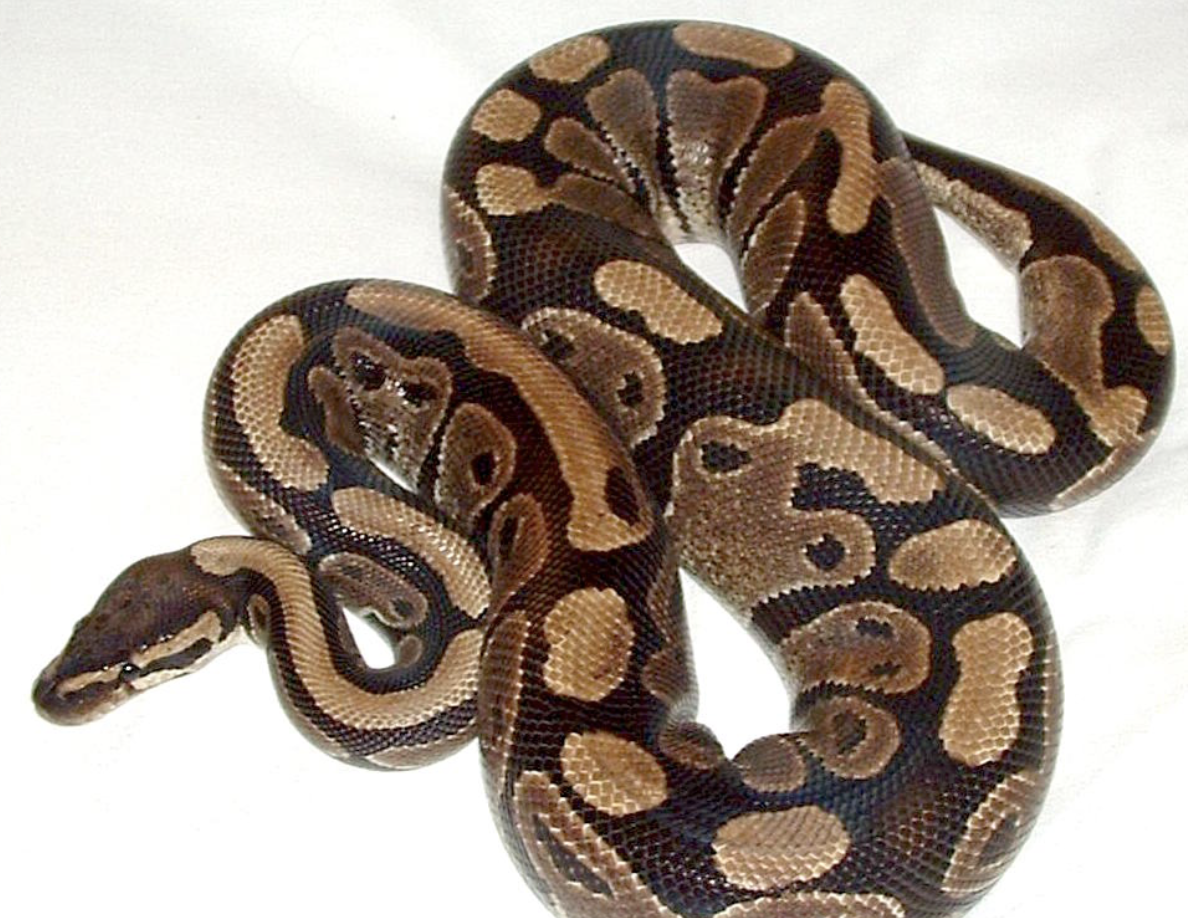
What reptile species is shown here?
ball python

What reptile species is shown here?
Burmese python

What reptile species is shown here?
reticulated python

What reptile species is shown here?
Boa constrictor

What reptile species is shown here?
Rosy boa

What reptile species is shown here?
gecko

What reptile species is shown here?
bearded dragon

What reptile species is shown here?
iguana

What reptile species is shown here?
chameleon

What reptile species is shown here?
skink

What reptile species is shown here?
chinese water dragon